




What Is a Stake Semi-Trailer and How Does It Work?
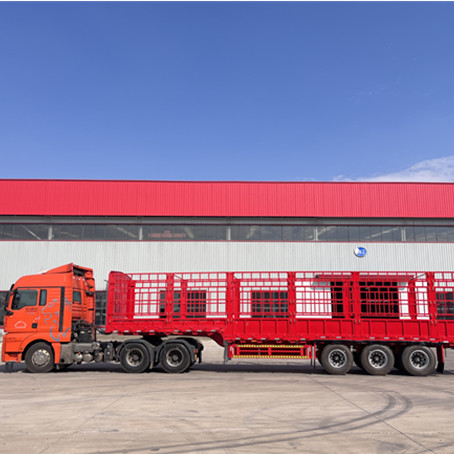
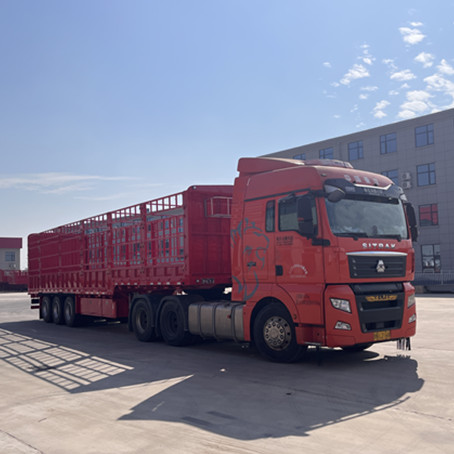
A stake semi-trailer is a type of general cargo semi-trailer featuring an open deck surrounded by removable or fixed vertical stakes and side rails. Also known as a fence trailer in some markets, it is designed to carry goods that need side restraint but do not require a fully enclosed cargo body.
Stake semi-trailers are commonly used to transport bagged products, agricultural goods, timber, building materials, packaged cargo, and other general freight. Their open-deck design makes loading and unloading flexible, while the side stakes help keep cargo within the loading area when the trailer is correctly loaded and secured.
Unlike a box trailer, a stake semi-trailer does not have permanent solid walls or a roof enclosing the cargo. Operators can usually access the load from the top and, depending on the design, from the sides. Tarpaulins may be added to provide weather protection, but they do not replace proper cargo restraints.
Main Components of a Stake Semi-Trailer
A typical stake semi-trailer consists of a load-bearing chassis, deck, vertical stakes or side panels, kingpin, landing gear, axle and suspension assemblies, wheels, and braking and lighting systems.
The chassis carries the load and transfers forces to the axles and tractor. The deck supports the cargo, while the stakes and side rails help contain it. The kingpin connects the trailer to the tractor's fifth wheel, and the landing gear supports the trailer when it is uncoupled.
The exact configuration varies according to the intended cargo, payload, road conditions, and local regulations. Buyers should evaluate the complete trailer specification rather than judging a model by the height of its stakes alone.
What Cargo Can a Stake Semi-Trailer Transport?
Stake semi-trailers are versatile because their open deck can accommodate many types of general freight. The most suitable cargo depends on the deck dimensions, rated payload, stake arrangement, cargo restraint system, and operating environment.
Agricultural Products and Bagged Goods
Agricultural products, bagged grain, animal feed, fertilizer, and packaged food products may be carried when their packaging and loading arrangements are appropriate. Stakes and side rails can help retain stacked cargo, while a suitable tarpaulin may protect goods from rain and road spray.
Operators should ensure that stacked goods remain stable during cornering and braking. Weather protection should also account for ventilation and moisture sensitivity, particularly when transporting agricultural products.
Building Materials and Timber
Stake semi-trailers are often used for bricks, bagged cement, timber, pipes, and other construction supplies. The open deck can simplify forklift loading, crane access, and the handling of long materials.
However, heavy or dense materials may concentrate loads in a small area. The deck, crossmembers, and main beams must be suitable for the load distribution, and cargo must be restrained against sliding, rolling, or falling.
Long timber and pipes may require additional supports or specialized restraints. The side stakes alone should not be assumed sufficient to secure every type of construction cargo.
General Commercial Freight
Packaged products, palletized goods, equipment, and other non-hazardous freight may also be suitable for stake trailers. Their flexibility can be useful for transport operators handling a variety of loads throughout the year.
Before loading, check whether the cargo dimensions fit within the deck and whether the stakes interfere with loading equipment. For high-value or moisture-sensitive goods, a curtainsider or enclosed trailer may provide better protection.
Stake Semi-Trailer vs. Flatbed Trailer vs. Curtainsider
Stake semi-trailers, flatbed trailers, and curtainsider trailers all support general cargo transportation, but their structures and operating advantages differ.
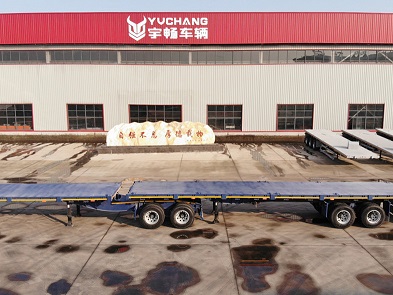
A flatbed trailer has an open, level deck without permanent high side stakes. It is suitable for cargo that can be secured using chains, straps, blocks, or other approved restraints. It can also accommodate oversized or irregularly shaped goods when permitted by the applicable regulations.
A stake semi-trailer adds vertical stakes or side rails around the deck. These help contain suitable cargo and may make it more convenient to carry certain agricultural products, building materials, and packaged goods.
A curtainsider trailer uses a sliding flexible curtain along the sides, often combined with a roof and movable or removable support structures. This design can provide weather protection while allowing relatively quick side loading and unloading.
| Feature | Stake Semi-Trailer | Flatbed Trailer | Curtainsider Trailer |
|---|---|---|---|
| Main structure | Open deck with stakes or side rails | Open, level deck | Deck with sliding side curtains |
| Cargo restraint | Stakes plus suitable restraints | Chains, straps, blocks, and other restraints | Curtains are not cargo restraints; separate securing is required |
| Weather protection | Usually requires a suitable tarpaulin | Usually requires a suitable cover | Curtains and roof provide protection when properly closed |
| Loading access | Top and accessible sides | Top and all accessible sides | Side access by opening curtains, depending on design |
| Typical applications | Agricultural goods, packaged freight, building materials | Steel, machinery, construction materials, oversized cargo | Palletized goods, packaged products, general logistics freight |
No single design is best for every operation. A flatbed may be more suitable for crane-loaded machinery, while a stake trailer may be more convenient for cargo that benefits from side containment. A curtainsider can be advantageous when frequent side loading and weather protection are priorities.
Buyers should compare loading methods, cargo dimensions, restraint requirements, and operating costs before selecting a trailer.
Key Specifications to Check Before Buying a Stake Semi-Trailer
Selecting the right stake semi-trailer requires more than choosing a deck length. The chassis, payload rating, stakes, axles, suspension, and braking equipment must be suitable for the intended work.
Overall Dimensions and Payload
Check the deck length, width, overall height, and stake height against the cargo dimensions and local road restrictions. A longer deck can accommodate more cargo, but it does not automatically provide a higher legal payload.
The permitted payload depends on the trailer's tare weight, gross vehicle weight rating, axle ratings, tire capacity, tractor configuration, and applicable road regulations. Cargo distribution must also remain within the manufacturer's approved limits.
For example, a trailer intended for lightweight agricultural goods may need a different deck and chassis configuration from one regularly carrying dense construction materials.
Chassis, Deck, and Stake Construction
The main beams and crossmembers support the deck and transfer loads through the suspension and coupling system. Buyers should confirm the structural materials, design, weld quality, and suitability for the expected cargo.
Deck thickness and surface design should match the loading method and load distribution. An anti-slip deck may be useful for certain operations, but it does not eliminate the need for proper cargo restraint.
Stake height, spacing, removable sections, and attachment points should also be checked. The stakes must suit the cargo dimensions and loading process without obstructing normal operations.
Axles, Suspension, and Braking System
Axle configuration should match the trailer's approved weight rating, expected road conditions, and destination-market requirements. Common options may include different axle counts, mechanical or air suspension, and different tire specifications.
Check compatibility between the trailer and tractor, including the kingpin, fifth wheel, braking connections, electrical system, and lighting.
When evaluating components, consider spare-part availability and local maintenance support. A familiar component brand may simplify servicing, but the complete system still needs to meet the required specifications.
Cargo Restraint and Weather Protection
The trailer should provide suitable points and arrangements for securing the intended cargo. Depending on the load, this may involve straps, chains, stakes, blocking, or other approved restraint equipment.
If a tarpaulin is required, confirm how it will be fitted and secured. A cover can help protect cargo from weather and road spray, but it should not be treated as a substitute for a proper restraint system.
Before ordering, prepare a list of the typical cargo types, their dimensions and weights, loading methods, and required accessories. This information helps the manufacturer recommend a suitable configuration.
Why Choose YOUCAN Stake Semi-Trailers?
For fleet operators, a stake semi-trailer should be selected according to the cargo profile, route conditions, local regulations, and expected service life. Working with a manufacturer that can clarify these requirements helps reduce specification mismatches.
YOUCAN offers stake semi-trailer configurations for general cargo transportation. Its 10.5–11.5 m stake semi-trailer and 12–13 m stake semi-trailer are examples of available product options. Actual dimensions, payload ratings, axle arrangements, and components should be confirmed against the final quotation and technical drawing.
Manufacturing and Configuration Options
Depending on the model and order requirements, buyers may need to specify the deck dimensions, stake design, axle configuration, suspension type, tires, braking system, and surface finish.
The right combination depends on the intended cargo and operating conditions. For example, frequent transport of bagged agricultural goods may call for different stake arrangements from those used for timber or construction materials.
Request a written specification that identifies the main structural components and optional equipment. Do not rely on a general payload claim without confirming the applicable ratings and destination-market requirements.
Quality Inspection and After-Sales Support
Before delivery, the trailer should be checked against the approved specification. Relevant inspection points include overall dimensions, weld condition, deck and stake installation, axle alignment, brakes, tires, lights, and other supplied equipment.
Buyers should also clarify warranty coverage, spare-parts availability, documentation, delivery terms, and the process for reporting defects. These details matter when the trailer will operate far from the manufacturing facility.
For customized requirements, provide the manufacturer with the cargo type, expected load, route conditions, tractor details, and destination country before confirming the order. This helps ensure that the proposed trailer is appropriate for the actual application.
FAQs About Stake Semi-Trailers
Q: What Is the Main Purpose of a Stake Semi-Trailer?
A: A stake semi-trailer is designed to transport general cargo on an open deck with vertical stakes or side rails. It is commonly used for agricultural goods, packaged products, timber, and building materials. Cargo must still be secured using suitable restraints.
Q: What Is the Difference Between a Stake Trailer and a Flatbed Trailer?
A: A stake trailer has vertical stakes or side rails that help contain suitable cargo. A flatbed trailer has a more open deck without permanent high side stakes, making it useful for machinery, steel, and irregularly shaped loads. The better option depends on cargo dimensions, loading methods, and restraint requirements.
Q: Can a Stake Semi-Trailer Carry Building Materials?
A: Yes, it can carry suitable building materials such as bagged cement, bricks, timber, and pipes, provided the trailer's payload and structural ratings are appropriate. Loads must be distributed correctly and secured against movement during transport.
Q: How Do I Choose the Right Stake Height and Trailer Length?
A: Choose stake height according to the cargo dimensions and containment needs, and choose deck length based on the size and quantity of goods. Also confirm overall vehicle dimensions, legal weight limits, axle ratings, and compatibility with the tractor before ordering.
Q: What Should I Check Before Buying a Stake Semi-Trailer?
A: Check the rated payload, deck dimensions, chassis construction, stake design, axle and suspension configuration, braking equipment, cargo restraint points, and tractor compatibility. Request a written technical specification and confirm that the configuration meets the regulations of the destination market.

How to Unload a Cement Tank Trailer
Bulk Cement trailer is a tanker trailer that used for transporting cement, lime, sand, and other bulk powder materials. Youcan Trailer is a cement tan...
Read More →
How much does a container chassis trailer cost
The Yuchang container chassis for all common container types can be precisely customised to meet your transport requirements.
Read More →