 WhatsApp
 sales@youcantrailer.com
 +8615203709888
How Does Trailer Structural Design Affect Load Capacity?
How Does Trailer Structural Design Affect Load Capacity?
Quick Answer
Trailer structural design affects load capacity by controlling how cargo forces move through the deck or body, cross-members, main beams, suspension supports, kingpin area, and axles. A higher advertised capacity is meaningful only when the frame can carry the load with acceptable stress, deflection, fatigue, stability, and axle distribution. Capacity is therefore a system result, not a single steel thickness or beam dimension.
The Load Path From Cargo to Road
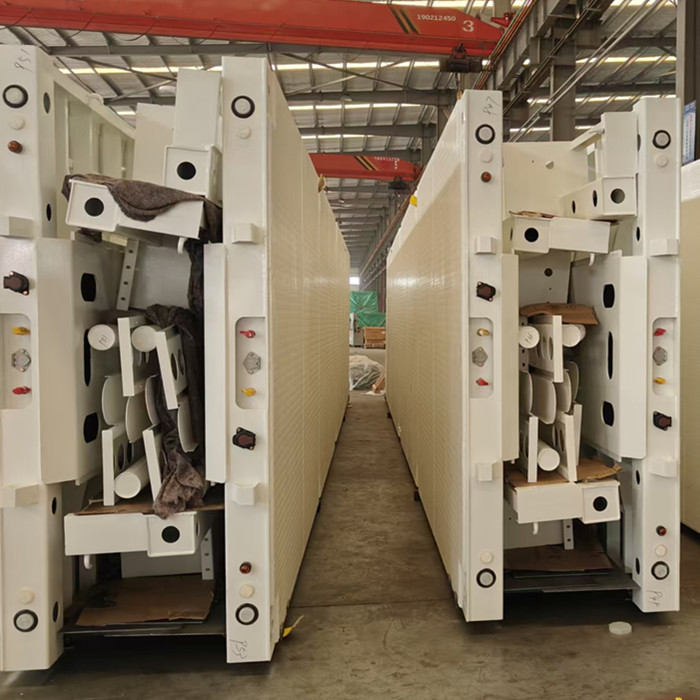
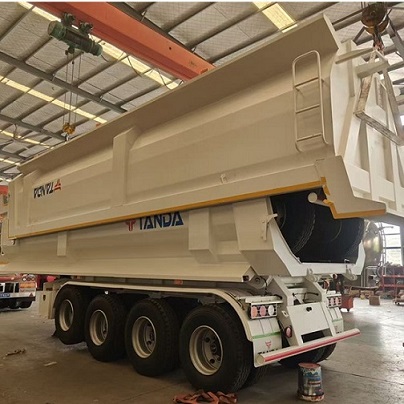
When cargo is placed on a trailer, its weight is transferred through the load supports into the deck or body, through cross-members and main beams, into suspension and axles, and finally into the road. Braking, turning, uneven pavement, loading impact, and cargo movement add dynamic effects. Good design keeps that path predictable and avoids abrupt concentrations of stress.
| Design element | Role in load capacity | Risk when poorly matched |
|---|---|---|
| Deck or body | Distributes cargo and local contact forces | Local denting, cracking, or uneven support |
| Cross-members | Transfer load into the main beams | Excessive deflection or local overload |
| Main beams | Carry longitudinal bending and shear | Bending, buckling, or fatigue damage |
| Suspension supports | Move forces into axles and running gear | Bracket cracks and uneven load sharing |
| Kingpin and front structure | Transfer tractor connection forces | High local stress and poor stability |
| Axle distribution | Shares load with the road | Overloaded axle or unstable handling |
How Engineers Review Structural Capacity
Bending and Shear
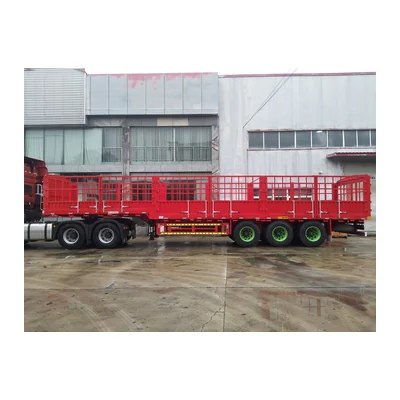
The main beams carry bending over the span while cross-members and connections transfer shear. Section depth, flange and web arrangement, support spacing, and local reinforcement influence the result. Simply adding thicker plate may add weight without solving the most critical stress location.
Local Load and Contact Pressure
Machinery tracks, steel coils, concentrated feet, container locks, and tank supports create local loads that differ from an evenly distributed cargo. The design should show where the cargo is expected to sit and how the load is introduced into the structure.
Deflection and Stability
A frame can be strong enough against immediate failure and still deflect too much, damage the body, shift cargo, or create poor clearance. Center of gravity, deck height, width, suspension behavior, and cargo restraint all affect practical capacity.
Fatigue and Repeated Loading
Trailers are not used once. Repeated cycles, potholes, braking, and twisting can make welded details more important than one static load number. Smooth transitions, good fit-up, and controlled welds help the structure survive repetition.
Structural Design Decision Matrix
| Operating condition | Design emphasis | Buyer consideration |
|---|---|---|
| Distributed general cargo | Balanced deck, cross-member spacing, and main-beam stiffness | Confirm the assumed load distribution |
| Concentrated machinery | Local reinforcement and support-point design | Provide actual footprint, track, or foot loads |
| Long heavy cargo | Bending, deflection, and support placement | Check overhang and restraint arrangement |
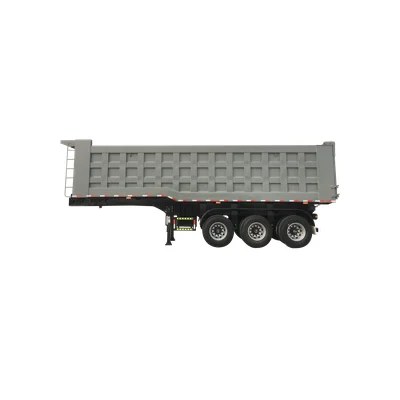
| Rough-road construction work | Fatigue, impact tolerance, clearance, and serviceability | Do not optimize only for tare weight |
| Container transport | Lock locations, twist-load transfer, and legal envelope | Confirm container size and locking system |
Engineering Note: Payload is not only the amount of mass a frame can carry in a calculation. It is the amount the complete trailer can carry in the intended position, route, speed, and legal axle distribution.
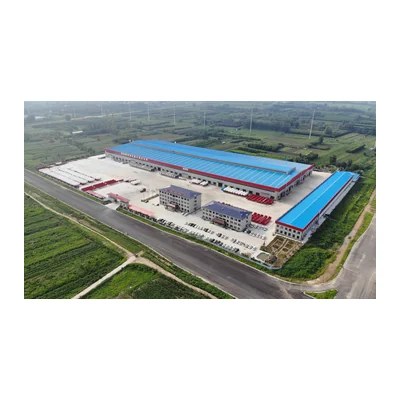
Review the actual use of flatbed trailers or lowbed trailers before comparing payload figures. A supplier's factory overview and quality control pages can support the discussion, but the approved drawing remains the engineering reference.
Common Buyer Mistakes
Comparing payload labels without asking what load distribution they assume.
Focusing on main-beam thickness while ignoring cross-members and support points.
Ignoring deflection, fatigue, and stability because the static capacity looks high.
Providing no information about concentrated loads or cargo footprints.
Treating axle capacity as proof that the frame and deck have the same capacity.
Key Takeaways
Structural capacity comes from the complete load path.
Cargo position and contact points can matter as much as total mass.
Bending, shear, local load, deflection, fatigue, and axle distribution all matter.
The strongest-looking section is not always the most efficient design.
Ask the supplier to state the load assumptions behind the capacity.
FAQ
What determines semi trailer load capacity?
The frame, deck or body, supports, suspension, axles, tires, brakes, stability, legal limits, and load distribution work together.
Does thicker steel always increase capacity?
It can improve a specific section, but capacity also depends on geometry, connections, fatigue, deflection, and axle distribution.
Why does cargo position matter?
Concentrated or off-center cargo changes local stress, bending, stability, and axle loads.
Can a trailer carry its axle rating everywhere?
Not necessarily. Route, legal limits, frame design, tires, brakes, and cargo distribution can limit the usable operating capacity.
What should a buyer provide for custom structural design?
Cargo mass, footprint, center of gravity, support points, loading method, route, tractor, and expected operating conditions.
Conclusion
Structural design affects load capacity by making the force path controlled and repeatable. Buyers get a more reliable trailer when they discuss the actual cargo and route instead of buying a capacity number detached from the frame design.
References
GB/T 1591 high strength low alloy structural steels
ISO 3834 quality requirements for fusion welding of metallic materials
UNECE vehicle construction and approval requirements where applicable to the destination market