What Materials Can Be Transported by a Cement Bulker Trailer?

What is a Cement Bulker Trailer?
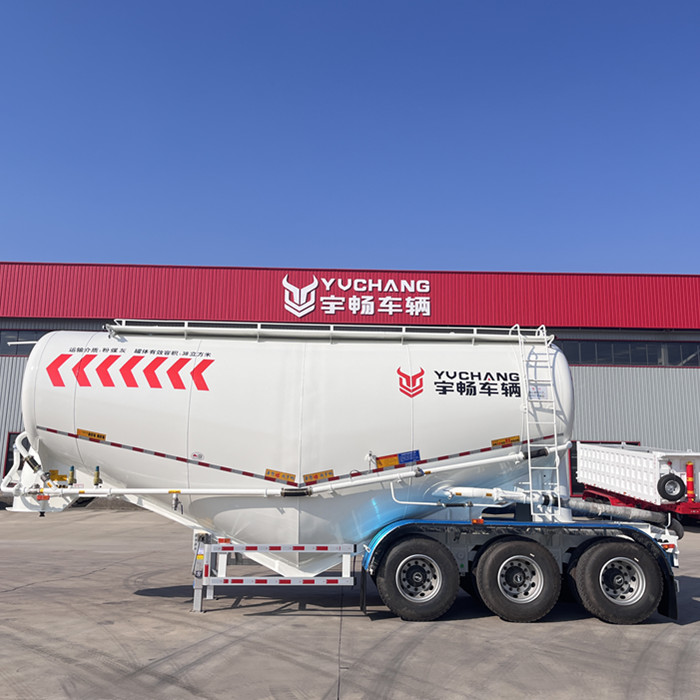
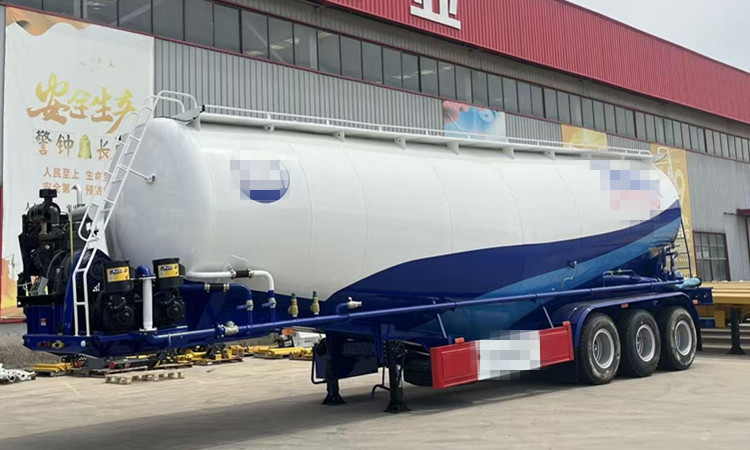
A Cement Bulker Trailer (often referred to as a pneumatic bulk powder trailer) is a highly specialized commercial vehicle engineered for the enclosed, weather-proof transport and rapid pneumatic discharge of dry bulk materials. Unlike traditional open-top Tipper Trailers that rely on gravity and tipping mechanisms, a bulker utilizes a fully sealed, high-pressure vessel hull paired with an internal fluidization system.
By using an onboard air compressor to aerate the dense powder, the material behaves like a fluid, allowing it to be smoothly pushed out through discharge hoses directly into elevated storage silos at construction sites or processing plants. This pneumatic process drastically reduces loading dock turnaround times, eliminates manual handling costs, and prevents environmental dust pollution.
What Materials Can a Cement Bulker Trailer Transport?
While the name implies it is only for cement, the reality is that these trailers can transport many dry, powdery bulk materials. However, suitability depends entirely on the vessel, aeration system, seals, valves, and cleaning procedures being compatible with the specific material’s density, moisture sensitivity, flow behavior, and abrasiveness.
When evaluating what can be transported, buyers must understand that material behavior is often more important than a brochure category. Here are the most common materials moved by a bulker:
Construction Materials: Portland cement, ground slag, silica fume, and limestone dust. These are the most common cargoes, utilized heavily in concrete batching plants and highway paving projects.
Mineral Powders: Fly ash, lime powder, and mineral dust. These are often used in industrial smelters, road construction, and mineral processing plants.
Chemical Powders: Certain non-corrosive dry chemical reagents and industrial dusts.
Food-Grade Powders: Starch, sugar, and flour—but only if the trailer is specifically designed with food-grade stainless steel vessels and sanitary fittings to prevent contamination.
Important Note: Buyers must confirm the material safety data and handling method before assuming a cement trailer is suitable for every powder. Highly abrasive materials will wear out standard steel tanks prematurely, while moisture-sensitive materials require rigorous seal and aeration inspections.
How Does the Aeration and Discharge System Handle Different Materials?
The operation of a bulker relies on pneumatic pressure and fluidization. The onboard air compressor injects compressed air into the bottom of the tank through porous aeration pads (fluidized beds). This air mixes with the dense powder, transforming it into a fluid-like state so it can flow out through the discharge piping.
The success of this process depends on the material. For example, heavy cement requires a higher volume of air to fluidize compared to lighter fly ash. Therefore, the internal geometry of the tank—often a V-shaped or W-shaped hopper—must be matched to the flow characteristics of the specific material to ensure complete unloading and prevent blockages.
The Importance of Tank Geometry and Material Density
Different powders have vastly different bulk densities and flow behaviors. A trailer designed for cement might be legally overloaded if used for a denser mineral powder, or it might unload poorly if used for a very light, fluffy material.
V-Shaped Tanks: Typically feature steeper slopes and are ideal for heavy, fast-flowing materials like dense cement or mineral ores.
W-Shaped Tanks: Offer a wider, shallower bottom, often better suited for lighter powders or materials prone to bridging, providing a more even airflow distribution.
Tank Materials: High-strength carbon steel (like Q345B) is standard for abrasive minerals. For weight-sensitive operations or to prevent rust contamination in sensitive powders, a lightweight Aluminum Bulk Cement Tank Semi-trailer is often the preferred choice.

What to Check During Loading and Unloading
The loading and unloading cycle is where the compatibility between the trailer and the material is truly tested:
Loading: Powder is pumped into the sealed vessel through top manholes. For food-grade or sensitive chemicals, the seals on these manholes must be perfectly airtight to prevent moisture ingress.
Discharge: Once the tank is pressurized, the material flows out through discharge hoses. If a discharge line blocks due to wet material or poor fluidization, recovery becomes difficult. A well-designed trailer includes clear access to valves and emergency shut-off points.
Cleaning: If the trailer is going to switch between different materials (e.g., from cement to food-grade powder), the internal aeration pads and piping must be easily accessible for thorough cleaning to prevent contamination.
Advantages of Using a Cement Bulker Trailer for Powder Logistics
Investing in a bulker offers significant advantages over traditional transport:
Zero Contamination & Weather Protection: The fully sealed vessel protects powders from rain, wind, and environmental dust pollution.
Unmatched Unloading Efficiency: Pneumatic discharge systems can unload large volumes directly into tall silos without manual labor.
Reduced Material Loss: Optimized fluidization beds ensure a high discharge rate with minimal residual material left inside the tank.
Common Buyer Mistakes
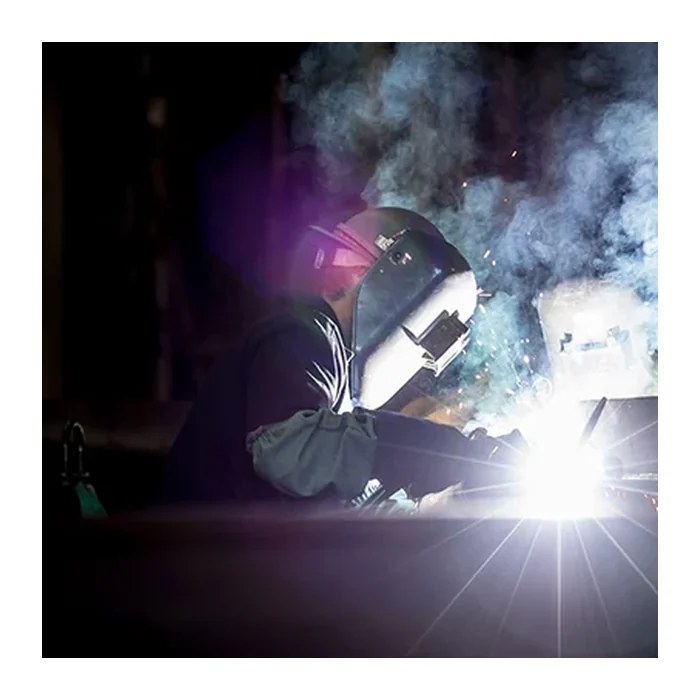
When evaluating a manufacturer, avoid these common pitfalls regarding welding quality:
Judging weld quality only by bead appearance or a single production photograph.
Asking for a certificate without asking which joint or process it covers.
Ignoring fit-up, distortion, and structural geometry because the welds look smooth.
Demanding NDT everywhere without matching the method to the joint and risk profile.
Failing to define how repaired or rejected welds will be handled, documented, and re-inspected before shipment.
What Buyers Should Ask the Manufacturer
To ensure your investment is protected, smart buyers should ask these critical questions before placing an order:
Which approved drawing or configuration is the quotation based on?
Which dimensions, functions, and interfaces are critical for my operation?
How will the welding be inspected before shipment, and what records will be provided?
Which parts require destination-specific confirmation?
What changes would require an engineering review after order approval?
Why YOUCAN Trailer is Your Ideal Supplier
As a leading professional semi-trailer manufacturer established in 1999, YOUCAN Trailer brings over 28 years of engineering expertise to the global market. We specialize in providing tailored transport solutions to customers across Africa, the Middle East, South America, and Southeast Asia.
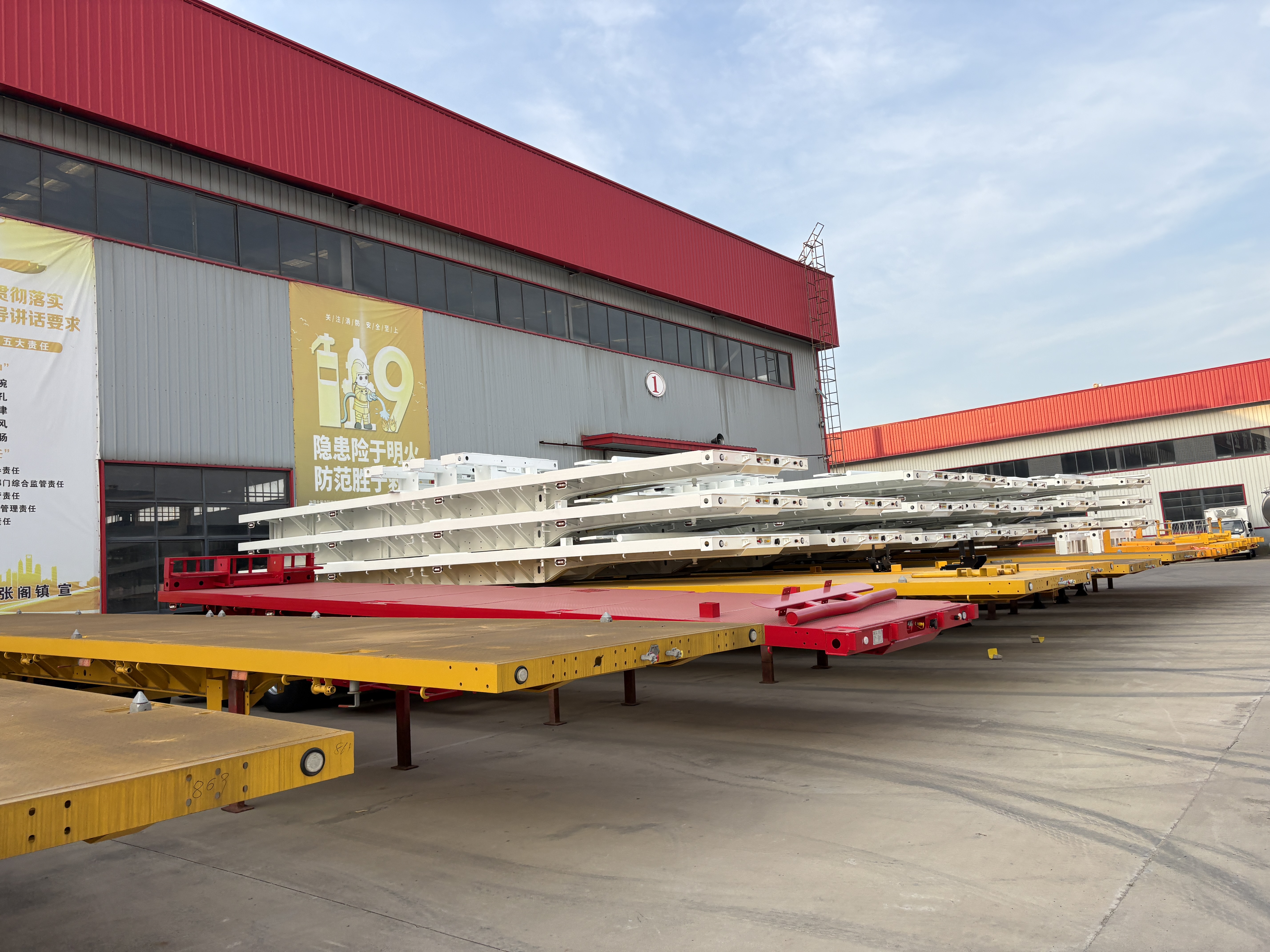
We invite you to take a Factory Tour to see our advanced CNC cutting and submerged-arc welding lines in person. Our strict Quality Control protocols ensure every pressure vessel is leak-proof and built for durability. What sets YOUCAN apart is our commitment to material-driven customization; our engineering team reviews your specific powder density and discharge requirements to recommend the best tank geometry and steel thickness.
Ready to optimize your bulk powder logistics? Contact the YOUCAN Trailer team today to get a quote and technical drawings within 12 hours!
FAQ
What should I confirm before buying a materials transported by cement bulker trailer?
Confirm the intended cargo or operating material, loading method, route, legal requirements, maintenance capability, and the evidence the supplier will provide before release.
Are trailer specifications universal across countries?
No. Dimensions, axle limits, braking, lighting, hazardous-goods rules, and registration requirements vary by destination and vehicle category.
Is the largest available trailer always the best choice?
No. The correct choice balances usable capacity, load distribution, maneuverability, route limits, operating frequency, and serviceability.
What should be checked during factory inspection?
Check configuration identity, critical dimensions, welds and structure, running gear, brakes, electrical functions, finish, accessories, and the documents required for handover.
Can YOUCAN customize the configuration?
Customization should be based on the cargo, route, tractor, local requirements, and an approved technical specification. The buyer should review the drawing before production.
Which documents should an overseas buyer request?
Request the approved specification or drawing, inspection records relevant to the order, packing or shipping information, and any destination-specific documents agreed in the contract.
References
Relevant pressure, pneumatic conveying, and bulk-material handling requirements confirmed for the selected equipment
ISO 9001 quality management systems
UNECE vehicle and component requirements where applicable to the destination market
Local road, axle, dimension, lighting, braking, or hazardous-goods rules confirmed for the buyer's registration path
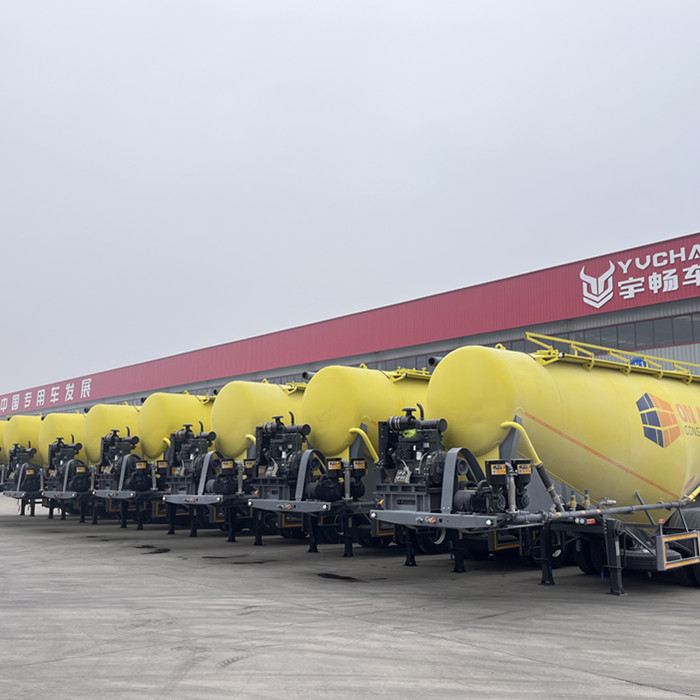
How to Choose the Right Cement Tank Trailer Capacity?
Choose cement tank trailer capacity from the material density, loading and unloading sites, tractor and axle limits, route regulations, delivery frequ...
Read More →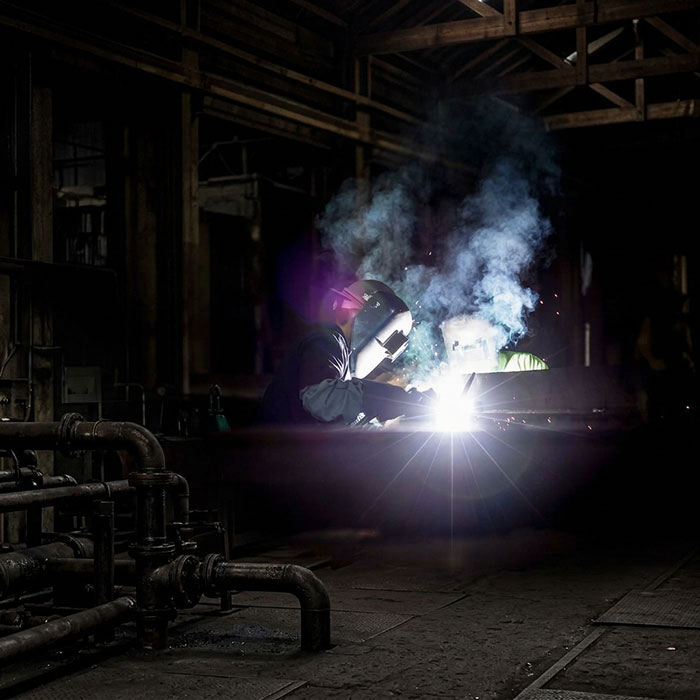
Why Does YOUCAN Use Robotic and Manual Welding Together?
Discover why YOUCAN combines robotic and manual welding for semi trailers to ensure precision, flexibility, and structural strength.
Read More →