 WhatsApp
 sales@youcantrailer.com
 +8615203709888
Tipper Trailer Capacity Guide 2026 | How to Choose the Right Dump Trailer
As infrastructure projects, mining operations, and construction activities continue to expand across Africa and the Middle East, selecting the correct tipper trailer capacity has become an important factor for transport efficiency, operating costs, and road safety.
Different materials have different densities, and choosing the wrong trailer capacity may result in either underutilized payload or overloaded vehicles. Understanding the relationship between trailer volume, payload, and application helps fleet owners maximize productivity while complying with local transportation regulations.
Understanding Tipper Trailer Capacity
Tipper trailer capacity is generally measured in two ways:
Volume (m³) – The internal cargo space available for bulk materials.
Payload Capacity (tons) – The maximum legal weight the trailer can safely carry.
Although these two figures are related, they are not the same. For example, lightweight materials such as coal or agricultural products require larger cargo volume, while dense materials such as crushed stone or wet sand reach weight limits long before the trailer is completely full.
Therefore, selecting the correct trailer depends on both the material type and local gross vehicle weight regulations.
Common Tipper Trailer Capacities
The following capacities are commonly used in international markets:
Trailer Capacity Typical Applications
20–30 m³ Sand, gravel, soil, municipal construction
35–45 m³ Aggregate, limestone, construction waste
45–60 m³ Coal, ore, mining materials
60 m³+ Low-density bulk materials where volume is more important than weight
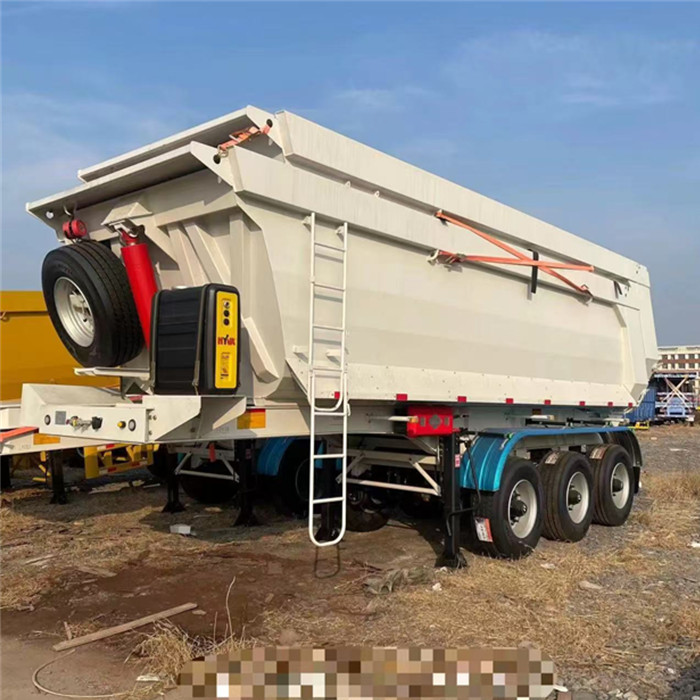
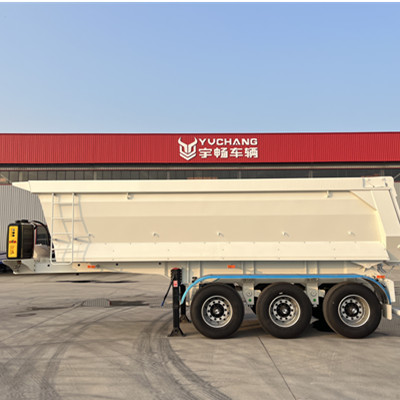
Most heavy-duty tri-axle tipper trailers are designed to balance payload capacity with structural strength while maintaining efficient unloading performance through hydraulic tipping systems.
Factors That Affect Payload
Several technical factors influence the actual carrying capacity of a tipper trailer:
Trailer body material (high-strength steel or wear-resistant steel)
Trailer tare weight
Number and capacity of axles
Suspension system
Hydraulic cylinder performance
National road weight regulations
A lighter trailer with a strong chassis generally allows higher payload while reducing fuel consumption and improving transport efficiency.
Choosing the Right Tipper Trailer
When purchasing a tipper trailer, buyers should consider:
Material to be transported
Average haul distance
Road conditions
Local legal weight limits
Required unloading efficiency
Long-term maintenance costs
For mining projects, reinforced U-shaped dump bodies are often preferred due to their improved resistance to impact and easier material discharge. For general construction projects, standard rear dump trailers provide an excellent balance between capacity and operating cost.
YOUCAN Trailer Manufacturing Solutions
With more than 28 years of manufacturing experience, YOUCAN Trailer produces heavy-duty tipper semi trailers for customers across Africa, the Middle East, and other international markets.
The company offers customized solutions including:
U-shaped rear dump semi trailers
Heavy-duty mining dump trailers
Multi-axle tipping trailers
Customized body capacities based on customer requirements
Each trailer is engineered using high-strength steel, reinforced chassis structures, reliable hydraulic systems, and internationally recognized axle and suspension options to ensure durability under demanding operating conditions.
Looking Ahead
As transportation efficiency becomes increasingly important, selecting the appropriate tipper trailer capacity is no longer simply about carrying more material. It is about matching trailer specifications with cargo characteristics, operating conditions, and local regulations to achieve the lowest cost per ton transported.
Fleet operators who invest in the right trailer configuration can improve productivity, reduce maintenance expenses, and extend equipment service life while maintaining safe and compliant operations.