 WhatsApp
 sales@youcantrailer.com
 +8615203709888
How Does YOUCAN Trailer Inspect Finished Trailers Before Shipment?
Short answer: YOUCAN Trailer inspects finished semi trailers before shipment by checking the confirmed order specification, main structure, welding appearance, axle and suspension assembly, brake and air lines, electrical system, paint finish, accessories, and customer-specific details. For overseas B2B buyers, the purpose is simple: the trailer should match the agreed design and be ready for export delivery before it leaves the factory.
For many international buyers, final inspection is one of the most important questions in the buying process. A semi trailer may look strong from the outside, but a professional buyer wants to know whether the factory has checked the frame, tank body, landing gear, lighting, suspension, tires, painting, and customized options before shipment. At YOUCAN Trailer, inspection is treated as part of manufacturing, not only a last-minute step before loading.
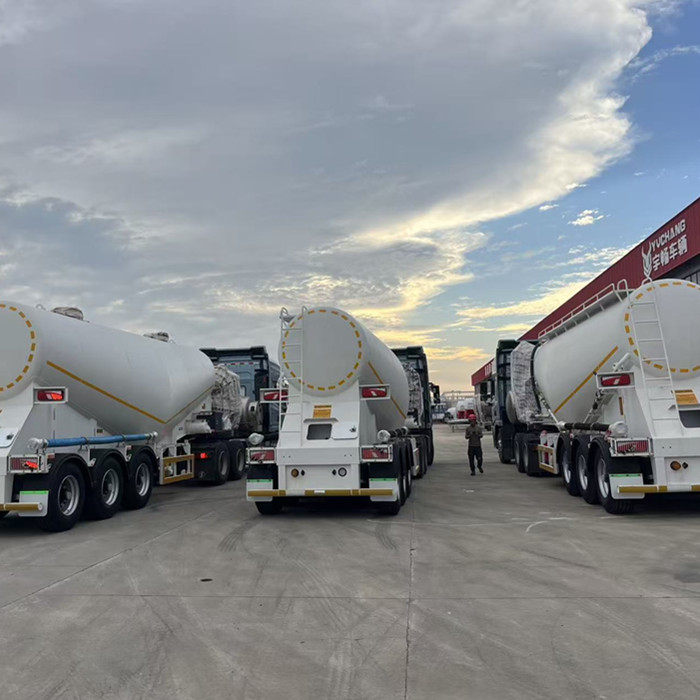
Why final trailer inspection matters for overseas buyers
International trailer buyers usually purchase from a long distance. They may not be able to visit the factory for every order, and the trailer will often travel by inland transport, port handling, sea freight, and destination delivery before it reaches the end user. If a problem is found only after arrival, the cost of correction can be much higher than solving it at the factory. That is why a clear inspection process helps buyers reduce uncertainty.
Final inspection also protects the communication between the buyer and the manufacturer. A trailer is not a standard small product. Even when the model name is the same, the final configuration may be different. A flatbed trailer can have different twist locks, side walls, tool boxes, tire brands, suspension types, king pin positions, or paint colors. A cement tanker may have different tank volume, discharge system arrangement, pipeline layout, manhole quantity, ladder design, and air compressor interface. A lowbed trailer may need a certain loading platform height, ramp type, axle quantity, or reinforced structure. Inspection makes sure these details follow the confirmed order.
Inspection starts from the confirmed specification
Before looking at the finished trailer, the factory first checks the order information. This includes the product model, key dimensions, axle configuration, tire specification, suspension type, landing gear, king pin, electrical voltage, painting requirement, marking details, and any special accessories requested by the customer. For custom trailers, this step is especially important because the inspection team must compare the real trailer with the drawing, quotation, or confirmed configuration sheet.
This is also where a professional manufacturer must be careful not to assume. If the buyer requested a special tool box position, a particular discharge pipe direction, or a specific color layout, the inspection should be based on that agreement. A general trailer inspection is useful, but a buyer needs the exact trailer they ordered. YOUCAN Trailer's production experience with fuel tankers, cement tankers, flatbeds, lowbeds, tipper trailers, container chassis, and cargo semi trailers makes this specification review a practical part of the process.
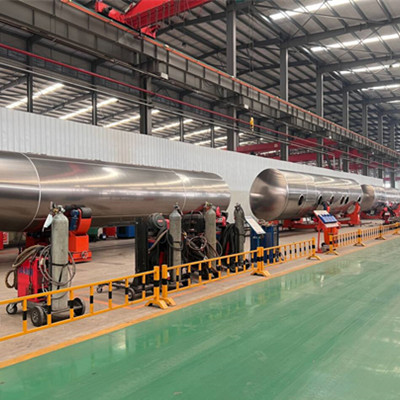
Structural and welding appearance check
The main structure is the foundation of a semi trailer. During finished trailer inspection, the frame, cross members, tank support, brackets, landing gear area, suspension seats, rear bumper, side protection parts, and other load-bearing sections should be checked visually. Inspectors look for obvious deformation, missing components, incorrect assembly, sharp burrs, or areas that need cleaning or correction before shipment.
Welding quality is also a major concern for overseas buyers. For the finished trailer, the inspection focuses on visible weld appearance, weld continuity, surface cleaning, spatter removal, and whether the welded positions match the design. Different trailer types have different key weld areas. On a flatbed trailer, the main beam and cross member connection points are important. On a lowbed trailer, the gooseneck, ramp, and loading platform structure need attention. On a tanker or cement tanker, tank supports, manhole areas, ladder brackets, pipe supports, and discharge system mounting points should be reviewed carefully.
It is important to explain this realistically. A final visual welding inspection does not replace any special third-party test that a customer may require for a specific project. If a buyer needs additional inspection items, they should discuss them before production so the factory can confirm feasibility and arrange the process in advance.
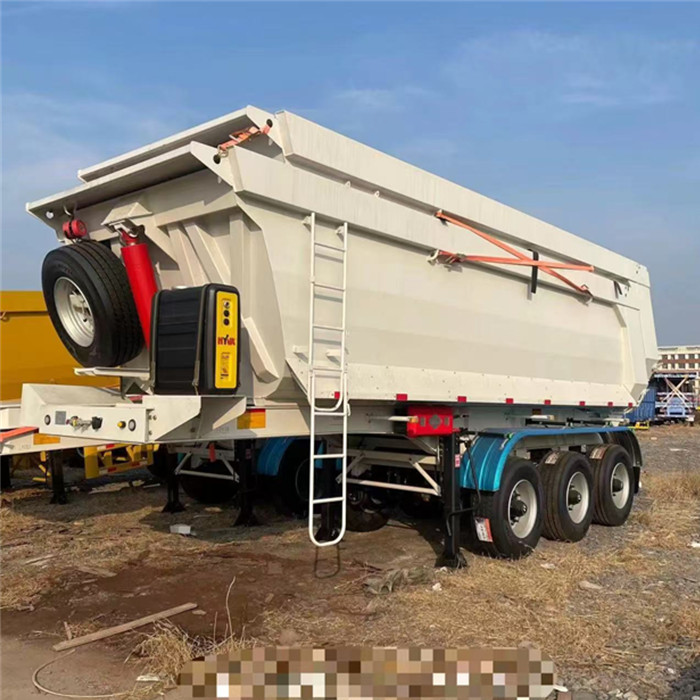
Assembly inspection: axles, suspension, tires, and landing gear
After the structure is reviewed, the assembled parts are checked. These parts affect the trailer's daily operation and should not be treated as minor accessories. Inspectors look at axle installation, suspension mounting, U-bolts, air tanks, brake chambers, landing gear, king pin area, tires, rims, mudguards, tool boxes, spare tire carriers, and other installed components.
The inspection team checks whether the installed parts match the agreed configuration. For example, if the customer ordered a three-axle flatbed trailer, the final trailer should not only have three axles; it should also match the agreed suspension type, tire arrangement, and accessory layout. For a lowbed trailer, the ramp and platform details should be checked because they affect loading convenience. For a tanker trailer, the walking platform, ladder, valves, pipes, and rear protection components should be reviewed before shipping.
Air, brake, and electrical system checks
Finished semi trailers require practical checks of the air, brake, and electrical systems. The purpose is to confirm correct installation and basic function before export. Inspectors review air pipe routing, connector positions, brake chamber installation, air tank fixation, electrical cable routing, lamps, reflectors, side marker lights, rear lights, and plug compatibility according to the confirmed order.
For international customers, electrical requirements may differ by market or by tractor head configuration. That is why buyers should tell the factory the required voltage, socket type, lighting arrangement, and any special road-use requirements when placing the order. YOUCAN Trailer can produce customized trailer configurations, but the final inspection must be based on clear buyer requirements and applicable destination information provided before production.
Paint, surface finish, and appearance review
Paint and surface finish are not only about appearance. They are also part of the buyer's first impression when the trailer arrives. During final inspection, the factory checks whether the paint color matches the order, whether the visible surface is complete, whether decals or markings are correct, and whether areas around welds, edges, ladders, brackets, and accessories have been covered properly.
For export trailers, the factory also checks whether the trailer is clean enough for photos, customer review, and loading. Dust, welding residue, oil marks, and loose packaging materials should be removed. If the trailer requires protective wrapping for certain parts, the factory should prepare it before delivery to the port or transport yard.
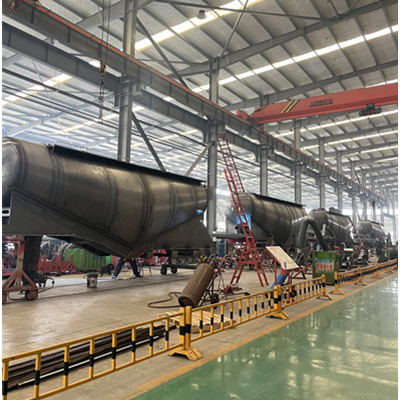
Customization details are checked one by one
Customization is common in international trailer orders. A buyer may request a special tank volume, a different platform length, reinforced loading points, tool boxes, spare tire brackets, side boards, removable stakes, special paint, logo placement, ladder position, discharge pipe layout, or other accessories. These details should be checked before shipment because they are usually much easier to correct at the factory than after the trailer reaches the buyer's country.
A useful inspection method is to compare the finished trailer with the confirmed order line by line. This does not need complicated language. The question is practical: Is the trailer type correct? Are the main dimensions correct? Are the axles, suspension, tires, lamps, tool boxes, and special accessories consistent with the order? Is the color correct? Are customer markings or logo positions acceptable? Are the documents and photos prepared for customer review?
Can customers inspect trailers before shipment?
Yes, overseas customers can request inspection before shipment. Depending on the order and schedule, this may include factory photos, production videos, finished trailer photos, live video inspection, customer-arranged inspection, or a third-party inspection arranged by the buyer. The best time to confirm this is before production starts, because some inspections require scheduling and clear acceptance criteria.
For B2B buyers, photo and video inspection is often the most efficient method. The factory can show the overall trailer, VIN or identification position if applicable, main structure, welding areas, tire and axle details, electrical parts, air line arrangement, valves, ladders, tool boxes, paint finish, and customized accessories. The buyer can compare these materials with the order and ask questions before shipment.
What buyers should provide before production
A good inspection result depends on clear order information. Before production, overseas buyers should provide the intended cargo, loading capacity expectations, road and operating environment, tractor compatibility, preferred axle and suspension configuration, tire requirements, color, logo, destination market requirements, and any special accessories. If the buyer has a checklist or third-party inspection requirement, it should be shared early.
This helps the factory manufacture the trailer correctly from the beginning. It also makes final inspection more objective. Instead of asking whether the trailer is generally good, both sides can check whether the trailer matches the confirmed specification.
Final inspection before loading and shipment
Before the trailer leaves the factory, the team checks that the trailer is ready for the next transport step. This may include confirming the trailer condition after final cleaning, checking loose parts and accessories, preparing photos, confirming basic documents, and making sure the trailer is suitable for loading or delivery according to the agreed shipping method. For some orders, several trailers may be shipped together, so identification and matching the correct trailer to the correct order is also important.
In short, finished trailer inspection is not a single action. It is a practical review of specification, structure, welding, assembly, systems, paint, customization, and shipping readiness. For overseas buyers, the best approach is to work with the manufacturer before production, define the required configuration clearly, and request inspection materials before shipment. This makes the buying process more transparent and helps ensure the semi trailer delivered from the factory matches the business purpose it was ordered for.
FAQ for overseas trailer buyers
Do all semi trailers need final inspection?
Yes. Every export trailer should be checked against the confirmed order before shipment, especially when the trailer is customized.
Can a buyer request photos or video before shipment?
Yes. Buyers can ask for finished trailer photos, detail photos, and video review so they can confirm key parts before delivery.
Does final inspection replace customer or third-party inspection?
No. Factory inspection is part of production quality control. If the buyer requires a third-party inspection or special testing, it should be discussed and arranged before production.
What is the most important inspection point?
The most important point is that the finished trailer matches the confirmed specification and is checked for structure, welding, assembly, systems, surface finish, and custom details before shipment.