 WhatsApp
 sales@youcantrailer.com
 +8615203709888
How to Import Semi Trailers from China Step by Step
How to Import Semi Trailers from China Step by Step
Quick Answer
Importing a semi trailer from China is a staged project: define the use case and destination requirements, shortlist suitable suppliers, compare complete quotations, approve the technical configuration, sign clear commercial terms, monitor production, inspect the trailer, prepare shipping documents, and complete customs and registration steps with local professionals.
Step 1: Define the Operating Requirement
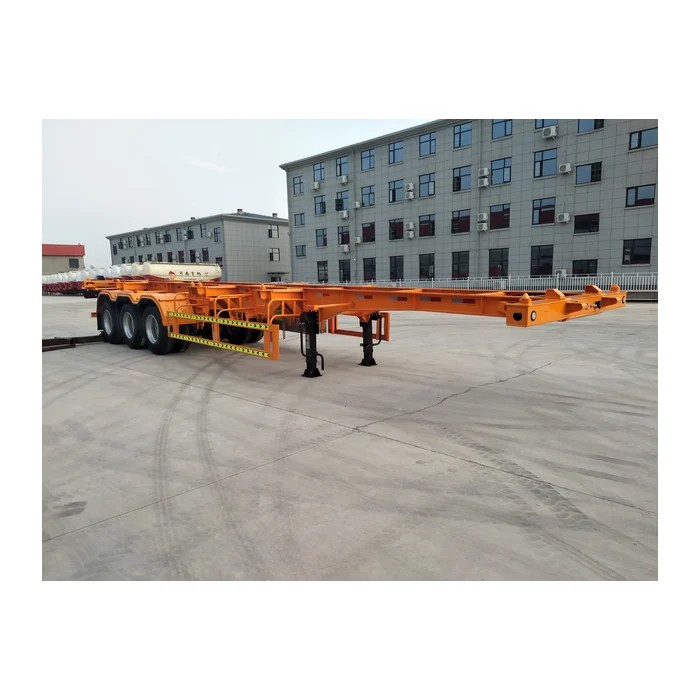
Start with the cargo, route, tractor, loading method, target market, and expected service conditions. Decide whether the project needs a flatbed, lowbed, tanker, cement tanker, tipper, skeleton, or another configuration. A clear operating brief gives suppliers the same basis for quotation.
Step 2: Shortlist Suppliers That Fit the Product
Do not shortlist only by the lowest visible price. Check whether the supplier makes the trailer type you need, can explain the technical configuration, has an export process, and can provide a realistic inspection and document plan.
| Stage | Buyer output | Decision to make |
|---|---|---|
| Requirement brief | Cargo, route, tractor, destination, and target use | Is the request technically complete? |
| Supplier shortlist | Product fit, communication, production evidence | Can the supplier build and support this type? |
| Quotation comparison | Comparable technical and commercial offers | Are the offers based on the same scope? |
| Technical approval | Drawing and configuration sheet | Does the trailer match the actual job? |
| Contract | Price, delivery term, payment, documents, warranty | Are responsibilities written clearly? |
| Production | Milestones, photos, revisions, inspection booking | Is the build following the approved basis? |
| Shipment and import | Final documents, customs coordination, registration file | Is the handoff complete for the destination? |
Step 3: Compare Quotations on the Same Basis
Ask every supplier to separate the trailer model, main structure, running gear, accessories, finish, documents, and delivery scope. A cheap quotation may exclude items that another supplier has already included. Comparing totals without comparing scope creates a false saving.
Step 4: Approve the Technical Configuration
Before paying or releasing production, confirm the drawing and configuration sheet. Review the trailer type, dimensions, load arrangement, axle and suspension package, brakes, tires, kingpin, landing gear, accessories, paint, identification, and any destination-specific request.
The drawing is not only for the engineer. It is the buyer's reference for checking what was ordered, what will be inspected, and what documents should be delivered with the trailer.
Step 5: Sign Clear Commercial Terms
The contract or order confirmation should identify the parties, product scope, price, payment milestones, delivery term, production basis, inspection process, documents, warranty approach, and change-control method. Responsibilities should be clear if a third party handles export or shipping coordination.
Step 6: Monitor Production Without Creating Confusion
Agree on useful milestones such as drawing approval, material or fabrication progress, assembly, finish, inspection readiness, and shipment handoff. Keep one approved configuration as the reference. Multiple informal change requests can create conflicting instructions.

Step 7: Inspect Before Shipment
Inspection can be performed by the buyer, a representative, or an agreed third party. Check the trailer against the approved configuration, look for visible finish or assembly issues, confirm the accessories, and collect the agreed photo and document set before release.
Step 8: Prepare Shipping and Import Handover
The supplier and logistics partners should align the commercial invoice, packing list, transport document, certificate of origin when required, product information, inspection evidence, and other destination-specific paperwork. The exact requirements depend on the importing country, trailer type, and customs process.
Step 9: Complete Customs, Registration, and Service Setup
Use a qualified customs broker and, where needed, a local registration or compliance professional. Confirm in advance whether the destination authority needs additional technical, identification, safety, or type-approval documents. After arrival, set up spare parts, manuals, service contacts, and operator training.
Buyers can compare product families through flatbed trailers, lowbed trailers, and bulk cement trailers, but the import workflow should always follow the actual application.
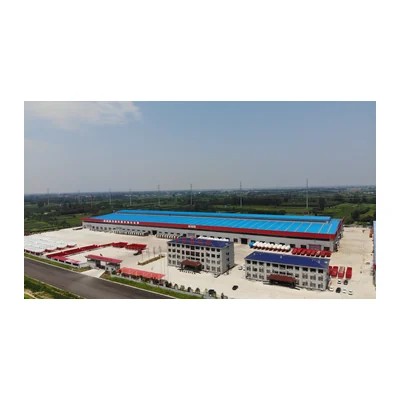
A supplier's factory overview and quality control information is useful during due diligence, but it should be combined with written specifications, commercial terms, and independent destination-market checks.
Engineering Note: A smooth import is built before the trailer reaches the port. Clear scope, clear documents, and clear responsibility reduce the most expensive surprises.
Common Buyer Mistakes
Requesting a price before defining the cargo, route, tractor, and destination.
Comparing quotations with different included equipment or delivery scope.
Paying before the technical configuration is written and approved.
Allowing several people to send conflicting production changes.
Waiting until shipment to ask about customs, registration, or document requirements.
Inspecting the trailer visually but not checking it against the approved configuration.
Key Takeaways
Begin with the operating requirement and destination market.
Compare complete quotations on the same technical basis.
Approve the drawing and configuration before production.
Keep commercial, technical, inspection, and document responsibilities written.
Coordinate customs and registration requirements before shipment.
FAQ
Can I import a semi trailer directly without a local agent?
You may be able to manage supplier communication directly, but customs clearance, transport, and registration can still benefit from qualified local professionals.
What should I send a Chinese supplier for a quotation?
Send the cargo, route, tractor information, trailer type, target quantity, destination, required accessories, and any known document or compliance needs.
When should I arrange inspection?
Agree on the inspection method and timing before production is complete, so the trailer is not waiting for a last-minute booking.
Is the lowest quotation usually the best choice?
No. Compare the included configuration, documents, inspection scope, warranty approach, and delivery responsibilities before judging price.
Who checks import documents?
The buyer should coordinate with the destination customs broker and relevant registration authority, while the supplier prepares the documents within its responsibility.
What happens after the trailer arrives?
Complete customs and registration steps, inspect the delivered unit, organize service parts and manuals, and train operators before regular use.
Conclusion
Importing a semi trailer from China becomes manageable when each stage has a clear output and owner. Treat the project as a coordinated technical, commercial, logistics, and registration process, and the buyer can make better decisions long before shipment.