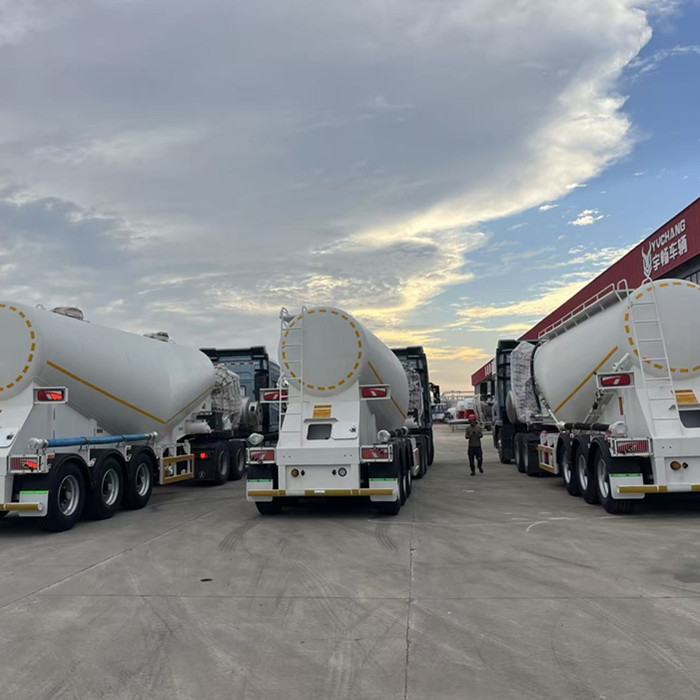
 WhatsApp
 sales@youcantrailer.com
 +8615203709888
How Are Semi Trailers Manufactured Step by Step?
How Are Semi Trailers Manufactured Step by Step?
Quick Answer
A semi trailer is manufactured through a controlled sequence: requirement review, engineering, material preparation, cutting and forming, frame fabrication, welding, assembly, surface preparation, painting, final inspection, and shipment preparation. The exact route changes by product type, but the quality principle is stable: each stage should create a verifiable result before the next stage begins.A finished trailer is the result of controlled decisions made at every manufacturing stage.
What the Manufacturing Process Is Designed to Control
Trailer manufacturing is not simply the act of joining steel parts. The factory is controlling load paths, geometry, repeatability, corrosion protection, functional systems, and the connection between the approved order and the delivered unit. A missed dimension or unclear configuration at the beginning can become expensive rework after painting.
| Stage | Main output | Buyer evidence |
|---|---|---|
| Requirement review | Operating basis and product definition | Confirmed cargo, route, tractor, and destination |
| Engineering | Drawing, calculation basis, and configuration | Approved drawing and revision number |
| Material preparation | Identified and prepared steel and components | Material records and traceability where applicable |
| Fabrication | Cut, formed, and fitted parts | Fit-up checks and dimensional records |
| Welding | Load-bearing frame and body joints | Welding procedure, visual checks, and agreed NDT |
| Assembly | Running gear, brakes, lights, accessories | Component and function checks |
| Finish | Prepared and coated surfaces | Surface and coating inspection evidence |
| Release | Accepted trailer and shipping file | Final checklist, photos, and documents |
Step-by-Step Manufacturing Flow
1. Translate the Operating Requirement
The process begins with cargo, route, tractor, loading method, target capacity, and destination requirements. This prevents the common mistake of selecting a trailer only by a product name. A lowbed for construction machinery, a flatbed for steel coils, and a tanker for dry bulk all create different engineering priorities.
2. Freeze the Engineering Basis
The supplier turns the requirement into a drawing and configuration sheet. Main dimensions, axle and suspension package, body arrangement, accessories, paint system, and acceptance points should be identified before production. Revision control matters because informal changes can reach the workshop through different channels.
3. Prepare Materials and Parts
Steel is cut or formed according to the build plan, while purchased components are checked against the intended configuration. In export projects, a late change to an axle, tire, valve, or lighting component can affect both the build and the destination service plan.
4. Fabricate the Frame and Body
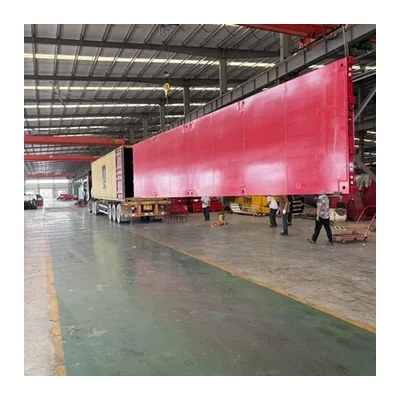
Main beams, cross-members, deck or tank supports, and body components are fitted in fixtures or controlled setups. Fit-up quality affects weld access, geometry, and the amount of correction needed later.
5. Weld and Control Distortion
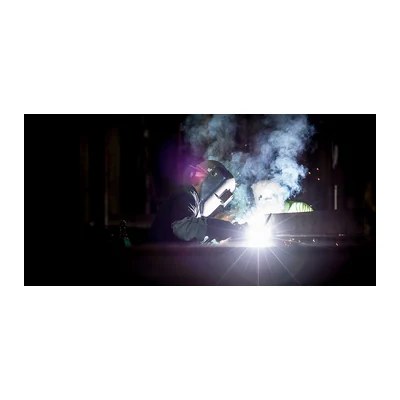
Welding is performed with a sequence suited to the joint and structure. Heat input, joint preparation, access, and weld sequence influence distortion. The goal is not the largest weld possible; it is a sound joint that matches the design and can be inspected.
6. Assemble the Operating Systems
Axles, suspension, brakes, wheels, tires, kingpin, landing gear, lights, air lines, and optional equipment are installed. Compatibility is more important than a component list. A brake or suspension package must work with the trailer mass, tractor, route, and local service network.
7. Prepare and Paint the Surface
Fabrication residue, rust, scale, oil, and dust are removed before coating. Primer and topcoat are applied according to the agreed system and conditions. Edges, welds, corners, and hidden areas need attention because corrosion often starts where access is poor.
8. Inspect, Test, and Prepare for Shipment
The finished trailer is checked against the approved configuration, dimensions, appearance, functions, and documents. Packaging, lashing, protection, and shipping records are part of the handover because damage after inspection can change the delivered condition.
Engineering Note: The most useful production evidence is milestone evidence: it shows not only that a trailer exists, but that critical decisions were checked before they became difficult to change.
Industry Standards and Best Practices
A manufacturer may use a quality management system such as ISO 9001, welding quality guidance such as ISO 3834, and a coating system aligned with the service environment. These references do not replace the buyer's approved specification or destination-market requirements. Ask how the standard is translated into records and acceptance points.
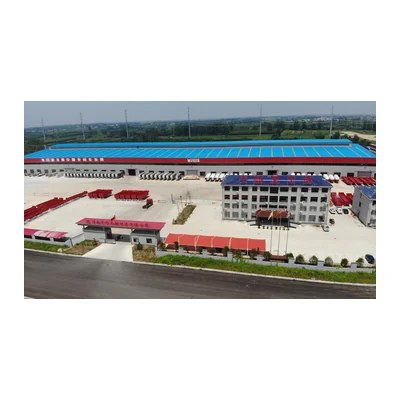
Buyers can compare product applications through flatbed trailers, lowbed trailers, and bulk cement trailers, then use the supplier's factory overview and quality control information as part of due diligence.
Common Buyer Mistakes
Comparing only the finished appearance without asking how the structure and systems were controlled.
Approving a product name instead of an actual drawing and configuration.
Changing critical options after fabrication or painting has started.
Treating final inspection as a substitute for process control.
Ignoring shipment protection and document completeness during handover.
Key Takeaways
Manufacturing starts with a clear operating requirement, not a catalog name.
The approved drawing and configuration sheet are the reference for every later stage.
Welding, assembly, painting, and inspection each need their own control points.
Final inspection confirms the result but cannot repair weak process discipline.
Shipment preparation is part of delivering a quality trailer.
FAQ
How long does it take to manufacture a semi trailer?
It depends on configuration, production queue, material and component availability, customization, inspection, and shipment preparation. A responsible supplier should explain the schedule by milestones rather than give a blind promise.
What is the most important manufacturing stage?
There is no single stage. Engineering, frame fabrication, welding, assembly, coating, and final inspection must work as one controlled chain.
Can I change the design during production?
Some changes are possible, but a late change may affect cost, lead time, geometry, parts, and inspection. Put changes through a written revision process.
What production evidence should a buyer request?
Ask for approved drawings, milestone photos, configuration confirmation, inspection records, and the final document list appropriate to the project.
Does a factory need ISO certification to make a trailer?
Certification and legal requirements depend on the project and market. The buyer should verify the actual standards, approvals, and process evidence relevant to the order.
Conclusion
Understanding the manufacturing sequence helps a buyer ask better questions and detect risk earlier. The strongest supplier is the one that can explain what is controlled at every stage, show evidence without hiding limits, and connect the finished trailer to the approved technical basis.
References
ISO 9001 quality management systems
ISO 3834 quality requirements for fusion welding of metallic materials
ISO 12944 corrosion protection of steel structures by protective paint systems