 WhatsApp
 sales@youcantrailer.com
 +8615203709888
What Can Be Customized on a Semi Trailer Before Production?
What Can Be Customized on a Semi Trailer Before Production?
Quick Answer
Before production starts, buyers can usually customize the trailer's structure, running gear, loading arrangement, accessories, finish, identification, and document package. The important rule is to separate engineering changes from cosmetic changes, confirm every option in the quotation and drawing, and freeze the build basis before cutting, welding, or parts procurement begins.
What Can Be Customized
A semi trailer is a system rather than a single part. A change to deck height, axle layout, suspension, tank equipment, ramps, doors, or loading method can affect other parts of the design. That is why customization should be discussed as a complete configuration, not as a list of isolated add-ons.
| Customization area | Typical buyer decision | Engineering impact |
|---|---|---|
| Trailer geometry | Overall length, width, deck height, gooseneck or rear layout | High: affects structure, legal envelope, and load distribution |
| Load body | Deck, side wall, tank, tipper body, container locks, or special supports | High: changes load path and center of gravity |
| Axles and suspension | Axle count, suspension type, brake and wheel package | High: must match weight, route, and service network |
| Loading equipment | Ramps, loading platform, rear access, hose or pipe arrangement | Medium to high: affects operation and clearance |
| Accessories | Tool box, spare tire carrier, guards, lights, locks, and storage | Medium: needs mounting and interference checks |
| Finish and identity | Color, logo, decals, reflective markings, and language | Low to medium: late changes can still delay release |
| Documents and support | Manuals, spare-parts list, inspection photos, and warranty terms | Medium: should be agreed before handover |
Changes That Need Early Engineering Review
Structure and Load Path
Changing the main frame, deck, body, cross-member arrangement, support points, or loading height can affect stress, weight, stability, and equipment clearance. These changes should be reflected in the drawing and quotation, not left as a message to the workshop.
Running Gear
Axles, suspension, brakes, wheels, tires, landing gear, and kingpin form one package. A buyer can request a different running gear configuration, but the supplier should confirm how it fits the trailer weight, route, tractor, and local spare-part network.
Operating Equipment
Ramps, container locks, hydraulic functions, discharge equipment, doors, covers, and special loading points change how the trailer is used. Confirm operating clearance, access, protection, and maintenance space before production begins.
Changes That Are Easier to Make Later
Color, logo placement, labels, some storage accessories, and the final photo or document set are usually easier to adjust than the main structure. They still need a deadline because paint, decals, wiring, and export documents can affect the release schedule.
The phrase easier to change does not mean free to change. A late accessory can require drilling, repainting, rewiring, or a new inspection photo set. Confirm the change window with the supplier instead of assuming every option can be added at the end.
Use a Three-Level Option List
Mark each item as mandatory, preferred, or optional. Mandatory items must be included in the quotation and drawing before order release.
Ask the supplier to identify which choices affect price, weight, lead time, legal review, or service parts.
Approve one final configuration sheet and use it as the reference for production, inspection, and delivery documents.
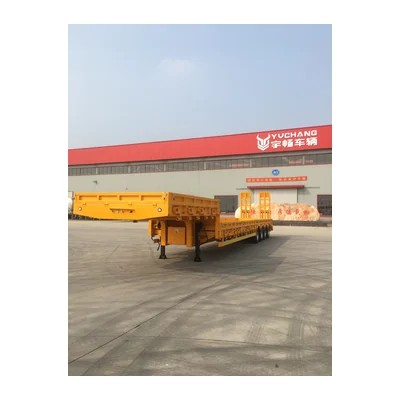
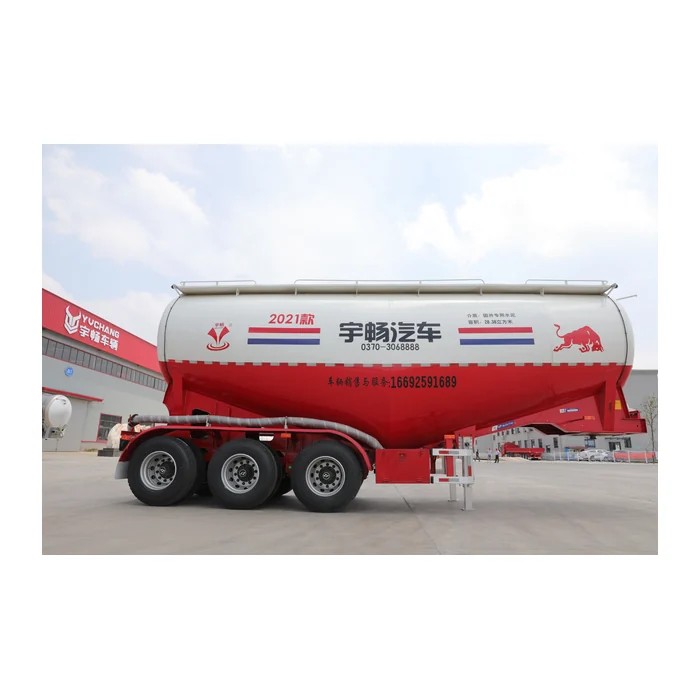
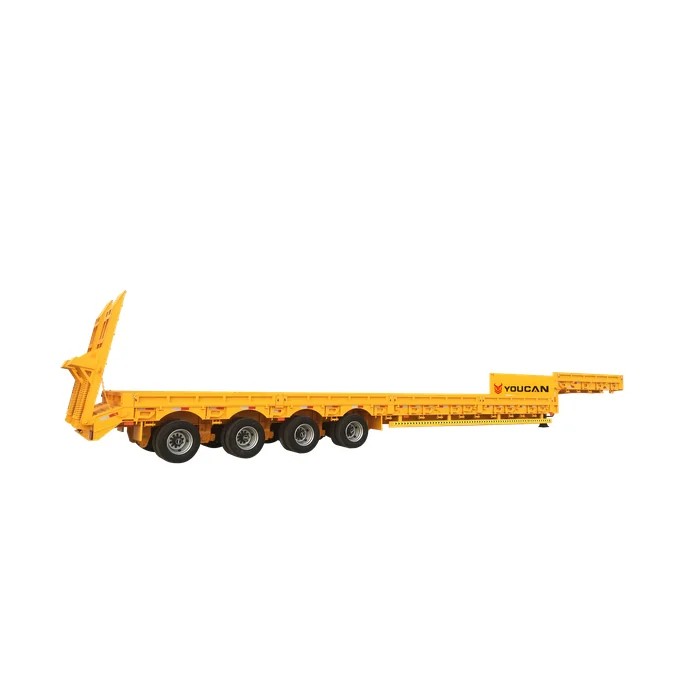
This process works across flatbed trailers, lowbed trailers, and bulk cement trailers. The product type changes, but the need to freeze the build basis does not.
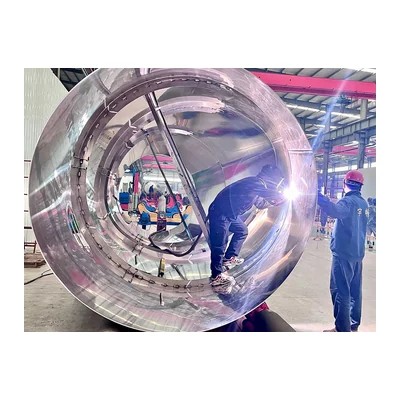
Before approving a custom order, review the supplier's factory overview and ask how the selected options are checked through quality control.
Engineering Note: The best time to customize a semi trailer is before the drawing and parts list are frozen. After that point, every change should be treated as an engineering change.
A Practical Pre-Production Confirmation
| Buyer should receive | What to verify |
|---|---|
| Quotation | Every included option, excluded option, price effect, and delivery responsibility |
| Technical drawing | Main dimensions, loading arrangement, support points, and equipment placement |
| Configuration sheet | Axles, suspension, brakes, tires, accessories, finish, and documents |
| Change record | Any revision number, approval date, and person responsible for confirmation |
| Inspection plan | What will be photographed, tested, measured, or reviewed before release |
Common Buyer Mistakes
Sending a product photo and assuming the supplier knows every hidden requirement.
Changing axle, deck, or equipment details after fabrication has started.
Treating optional accessories as verbal promises instead of written line items.
Approving a drawing without checking tractor connection, loading clearance, or service access.
Forgetting to carry the final option list into inspection and shipping documents.
Key Takeaways
Structure, running gear, and operating equipment need early engineering review.
Cosmetic options are easier later but still have deadlines and cost effects.
Classify options as mandatory, preferred, or optional.
Freeze one approved quotation, drawing, and configuration sheet before production.
Treat every post-freeze change as an engineering change with schedule risk.
FAQ
Can I customize a standard semi trailer?
Usually yes, but the supplier should confirm which changes remain within the standard design and which require a new drawing or engineering review.
Can I change the axle or suspension after production starts?
It may be possible in theory, but it can affect structure, brakes, weight, parts, and schedule. Decide it before the build basis is frozen.
Can I add a logo at the end?
Often yes, but confirm the paint, decal, and inspection deadlines so the change does not delay release.
What is the most important customization document?
A final configuration sheet linked to the approved quotation and drawing.
How do I control a custom order with several options?
Use revision numbers and mark each option as mandatory, preferred, or optional. One person should own final approval.
Does customization always increase cost?
Not every change has the same effect, but non-standard parts, extra fabrication, special finish, and additional inspection can increase cost or lead time.
Conclusion
Customization creates value when it solves a real operating need. Buyers get the best result when they identify the important changes early, confirm them in the technical documents, and keep the approved configuration stable through production and inspection.