 WhatsApp
 sales@youcantrailer.com
 +8615203709888
How to Choose the Right Semi Trailer Manufacturer? 2026 Buyer Guide
How to Choose the Right Semi Trailer Manufacturer?
1. Quick Answer
The right semi trailer manufacturer is not simply the company with the lowest quotation. A reliable manufacturer should understand your cargo, road conditions, loading method, axle load rules, destination-country requirements, and service expectations before recommending a trailer design. Buyers should check factory experience, engineering capability, steel and component selection, welding control, painting process, final inspection records, export documentation, and after-sales support. If a supplier cannot explain why a chassis design, axle brand, suspension type, brake system, or surface treatment is suitable for your working conditions, the risk is higher. The safest choice is a manufacturer that can show a complete production workflow, accept pre-shipment inspection, and communicate clearly from quotation to delivery.
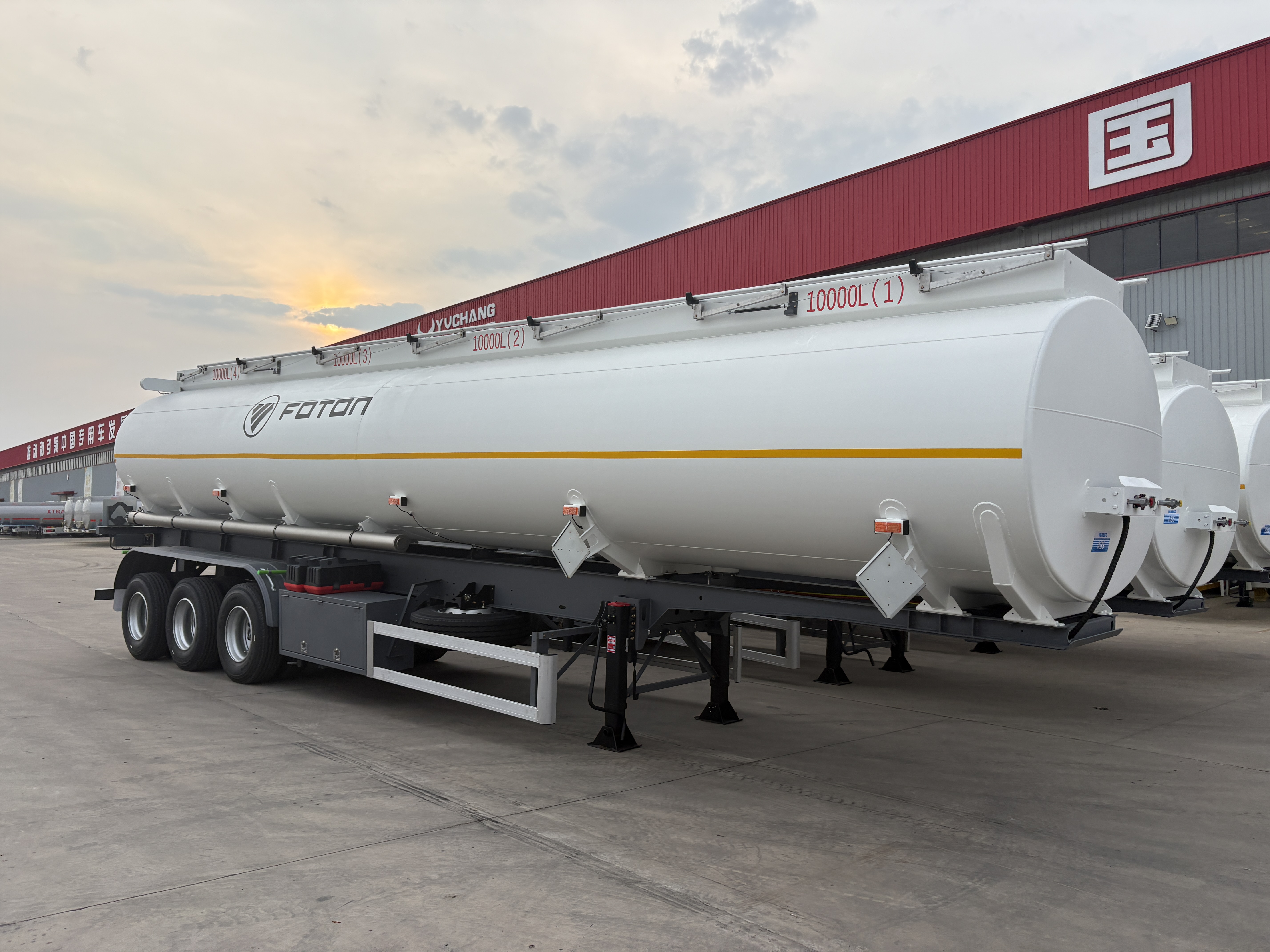
Finished trailer appearance, component layout, and details should be checked before shipment, not after arrival.
2. What Is a Semi Trailer Manufacturer?
A semi trailer manufacturer is a factory that designs, fabricates, assembles, inspects, and prepares trailers for commercial transport operations. A true manufacturer is different from a simple trading company because it controls the production process directly. This usually includes material preparation, cutting, beam forming, welding, shot blasting or surface cleaning, painting, axle and suspension installation, brake and electrical assembly, final inspection, and loading for shipment.
For international buyers, the word manufacturer should be tested carefully. Some suppliers own production lines. Some only coordinate orders with another factory. Some can customize engineering drawings, while others can only sell standard models. The difference matters when you need a flatbed trailer for containerized cargo, a lowbed trailer for heavy equipment, or a bulk cement trailer for powder transport.
A good manufacturer should help you convert real operating needs into a clear trailer specification. That specification should include payload, cargo type, road condition, kingpin height, axle configuration, suspension type, brake system, tire size, steel grade, painting requirement, tool box, spare tire carrier, landing gear, lighting, shipping method, and destination documentation.
3. Why Is Choosing the Right Semi Trailer Manufacturer Important?
A semi trailer is a working asset. If the manufacturer is selected only by price, hidden costs usually appear later. A low quotation may come from thinner steel, weak cross members, poor weld preparation, low-quality paint, mismatched axles, incomplete brake testing, or weak export packaging. These problems may not be obvious in photos, but they can create downtime, tire wear, frame cracking, air leakage, corrosion, customs delays, or warranty disputes.
The risk is higher for buyers in the Middle East, Africa, Central Asia, South America, and Southeast Asia because many trailers work on mixed road conditions. A trailer that looks acceptable in a factory yard may fail earlier if it is not designed for high temperature, dust, overloading habits, long-distance routes, mining roads, port operations, or construction sites.
Choosing the right manufacturer is also important because the trailer is often customized before production. Once the main beam, suspension position, tank volume, side wall height, or loading ramp structure is built, changes are expensive. The best time to prevent mistakes is before the drawing is confirmed.
4. How Does YOUCAN Help Buyers Choose and Build the Right Semi Trailer?
Start With the Working Condition, Not the Catalog Photo
In real export projects, YOUCAN first asks how the trailer will be used. A flatbed for steel pipes is not the same as a flatbed for containers. A lowbed for excavators is not the same as a lowbed for mining equipment. A cement tanker for dry powder in a hot region needs different attention from a simple road fuel distribution trailer. The buyer should be prepared to explain cargo weight, cargo dimensions, route conditions, loading equipment, legal axle load, and expected service life.
This early discussion is not a sales formality. It helps prevent common mistakes such as choosing the wrong axle spacing, using ramps that do not match the machinery, selecting a tank volume that exceeds practical payload limits, or buying a suspension system that is difficult to maintain locally.
Check Engineering and Drawing Capability
A serious semi trailer manufacturer should be able to provide drawings or technical confirmation before production. Buyers should review overall dimensions, main beam height, upper and lower flange thickness, web plate thickness, cross member layout, kingpin position, axle position, loading deck height, ramp angle, and tool box layout. If the supplier cannot explain these details, the buyer has little control over the final product.
YOUCAN uses project discussion, engineering review, and production confirmation to reduce misunderstandings before steel is cut. For customized trailers, this step is especially important because it connects the commercial quotation with the physical product that will arrive at the port.
Review Material Selection and Fabrication Control
Steel grade and structural design should match the trailer's duty cycle. Q355 steel is often used in trailer chassis because it offers better strength than lower-grade structural steel, but the correct choice still depends on the design, welding process, payload, and road condition. A buyer should not judge quality by steel grade alone. Beam design, plate thickness, weld sequence, fixture accuracy, and inspection discipline are just as important.
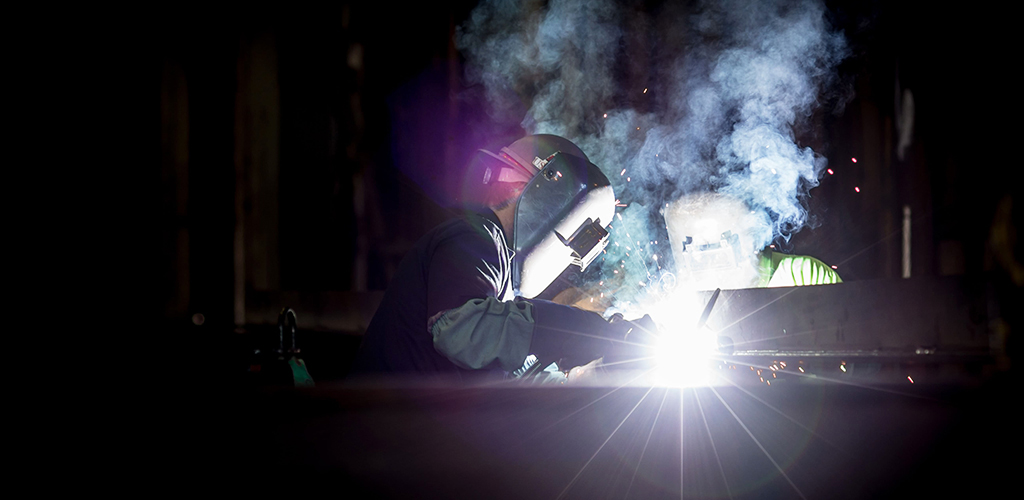
Material preparation and fabrication control are early indicators of whether a factory can keep trailer dimensions consistent.
Look Closely at Welding, Alignment, and Surface Treatment
Welding quality is one of the first areas buyers should inspect. Good practice includes clean joint preparation, suitable welding parameters, controlled deformation, and inspection of critical weld positions. A factory should be able to show how it checks main beams, suspension supports, landing gear brackets, tank supports, cross members, and other load-bearing areas.
Painting should also be reviewed. A clean surface before primer and topcoat is essential for corrosion resistance. For trailers exported to coastal, humid, dusty, or high-temperature regions, surface preparation and paint thickness matter. Buyers should ask whether the factory performs shot blasting or another defined surface-cleaning process, how primer and topcoat are applied, and how coating defects are checked before shipment.
Confirm Components, Not Only the Trailer Body
Many long-term problems come from components rather than the frame itself. Axles, suspension, landing gear, kingpin, brake valves, air tanks, tires, lights, wiring, hoses, and ABS or EBS options should be confirmed clearly. The best choice depends on local parts availability and the fleet's maintenance capability. A premium axle brand may be valuable in one market but difficult to service in another. A practical manufacturer explains these trade-offs instead of simply pushing the most expensive option.
Inspect Before Shipment
Pre-shipment inspection should include more than a photo of the finished trailer. Buyers should request photos or records for dimensions, weld appearance, paint finish, brake and air system checks, lights, axle and suspension installation, tire condition, spare parts, nameplates or identification marks, and shipping preparation. If the trailer will be shipped by container, bulk vessel, flat rack, or RORO, the factory should protect vulnerable parts and plan loading details in advance.
5. Industry Standards and Best Practices
Standards should be used carefully. A supplier should not claim compliance without evidence, and buyers should not assume that every standard applies to every trailer or country. The value of standards is that they give buyers a language for quality, safety, and verification.
For factory management, ISO 9001 is often used as a quality management reference. For welding work, ISO 3834 can help buyers understand welding quality control requirements. For corrosion protection and paint systems, ISO 12944 is useful when discussing surface preparation and coating durability. For brake performance in markets using European-style rules, UNECE Regulation No. 13 is relevant. For fuel tank trailers, chemical tankers, or dangerous-goods transport, destination rules such as ADR, DOT, or local national requirements may apply. For Saudi Arabia and some Gulf projects, buyers should check SASO or SABER requirements before ordering.
The practical advice is simple: ask which standards or destination rules affect your trailer, ask what evidence the manufacturer can provide, and confirm requirements before production starts. Never leave compliance questions until the trailer is already at the port.
6. Common Buyer Questions Before Selecting a Manufacturer
How Can I Tell Whether a Supplier Is a Real Manufacturer?
Ask for factory videos, production photos, business registration, export records, workshop details, and a live video call from the production area. If possible, arrange a visit or third-party inspection. A real factory should be able to show welding, painting, assembly, inspection, and finished trailer areas.
Should I Choose the Cheapest Quotation?
The cheapest quotation is useful only when the specification is identical. Compare steel thickness, axle brand, tire model, suspension type, brake system, paint process, accessories, spare parts, packaging, warranty terms, and shipping scope. A quotation without technical detail is not a reliable comparison.
What Should I Request Before Paying a Deposit?
Request a written specification, drawings when needed, payment terms, production schedule, inspection plan, warranty terms, packing or shipping plan, and document list. For import projects, clarify invoice, packing list, bill of lading, certificate of origin if needed, and any destination compliance documents.
How Should I Compare Two Manufacturers?
| Evaluation Point | What to Check | Why It Matters |
|---|---|---|
| Factory capability | Workshop, equipment, production flow, export experience | Shows whether the supplier can deliver consistently |
| Engineering support | Drawings, load analysis, customization discussion | Reduces mismatch between trailer design and job site |
| Material and welding | Steel grade, beam design, weld control, inspection | Affects frame strength and service life |
| Painting process | Surface cleaning, primer, topcoat, finish inspection | Controls corrosion risk in harsh environments |
| Export support | Loading plan, documents, destination requirements | Prevents shipment and customs delays |
What Mistakes Should Buyers Avoid?
Buying from photos without confirming the written specification.
Comparing prices without comparing steel, axles, tires, brakes, and paint.
Ignoring local maintenance and spare parts availability.
Approving drawings too quickly for customized trailers.
Skipping pre-shipment inspection because the factory sent nice photos.
Checking import requirements after production instead of before production.
7. Why YOUCAN Trailer?
YOUCAN Trailer, officially Henan Yuchang Vehicle Manufacturing Co., Ltd., has manufactured semi trailers since 1999. The company serves international buyers who need practical trailer solutions for logistics, construction, cement transport, heavy equipment, fuel transport, infrastructure projects, and fleet expansion.
For buyers, YOUCAN's value is not only in providing a trailer model. The more important value is helping buyers match trailer design with real working conditions. This includes custom manufacturing, engineering communication, production inspection, component selection, export loading, and after-sales support. Buyers can review products such as flatbed trailers, lowbed trailers, and tank trailers, then discuss which specification is suitable for their market.
YOUCAN is also suitable for buyers who want a direct factory conversation instead of a vague quotation. If your project involves special cargo, difficult road conditions, strict delivery time, or destination documentation, early technical communication can prevent expensive changes later.
8. Conclusion
Choosing the right semi trailer manufacturer is a purchasing decision, an engineering decision, and a risk-control decision at the same time. A professional manufacturer should help you define the trailer, explain the technical choices, control production quality, support inspection, and prepare the trailer for export.
Before placing an order, compare suppliers by specification, process, evidence, and communication quality. If you are planning to import semi trailers, share your cargo, route, payload, country, and working conditions with YOUCAN. The more clearly the project is defined before production, the safer the trailer will be after delivery.
9. FAQ
What is the most important factor when choosing a semi trailer manufacturer?
The most important factor is whether the manufacturer can match trailer design with your real working conditions. Price matters, but engineering, materials, welding, components, inspection, and export support decide long-term value.
How do I verify a Chinese semi trailer manufacturer?
Check business information, factory photos, production videos, export records, live workshop calls, technical drawings, and inspection procedures. A factory visit or third-party inspection is useful for larger orders.
Should I buy from a factory or a trading company?
A factory is usually better when you need customization, technical discussion, production control, and direct quality feedback. A trading company may be convenient for mixed purchasing, but buyers should confirm who actually manufactures the trailer.
What documents should I ask for before ordering?
Ask for a detailed quotation, technical specification, drawing if required, proforma invoice, payment terms, production schedule, inspection plan, packing or loading plan, and expected export documents.
How many photos should a manufacturer provide during production?
There is no fixed number, but useful updates should show material preparation, welding, painting, assembly, finished trailer inspection, and loading preparation. Photos should support the inspection process, not replace it.
Can I customize a semi trailer before production?
Yes. Common customization includes dimensions, payload, axles, suspension, tire size, side walls, ramps, tank volume, compartments, tool boxes, color, lighting, and spare parts. Custom details should be confirmed before production starts.
When should I arrange inspection?
Arrange inspection before shipment and preferably before final payment. For complex orders, buyers can also request checks during fabrication, painting, and assembly.
References
ISO 9001: Quality management systems.
ISO 3834: Quality requirements for fusion welding of metallic materials.
ISO 12944: Corrosion protection of steel structures by protective paint systems.
UNECE Regulation No. 13: Braking provisions for vehicles and trailers.
ADR, DOT, SASO, and SABER: destination-specific frameworks that may apply depending on trailer type and market.