 WhatsApp
 sales@youcantrailer.com
 +8615203709888
10 Questions You Should Ask Before Buying a Semi Trailer in 2026
10 Questions You Should Ask Before Buying a Semi Trailer
Quick Answer
Before buying a semi trailer, do not ask only for the lowest price. Ask the supplier about payload requirements, working conditions, chassis material, axle and suspension options, welding quality, painting process, inspection records, delivery time, export documents, and after-sales support. These questions help you confirm whether the trailer is suitable for your cargo, road conditions, legal requirements, and long-term operating cost. A serious manufacturer should answer with drawings, specifications, production photos, inspection steps, and practical export advice instead of vague promises.
What Are the Questions to Ask Before Buying a Semi Trailer?
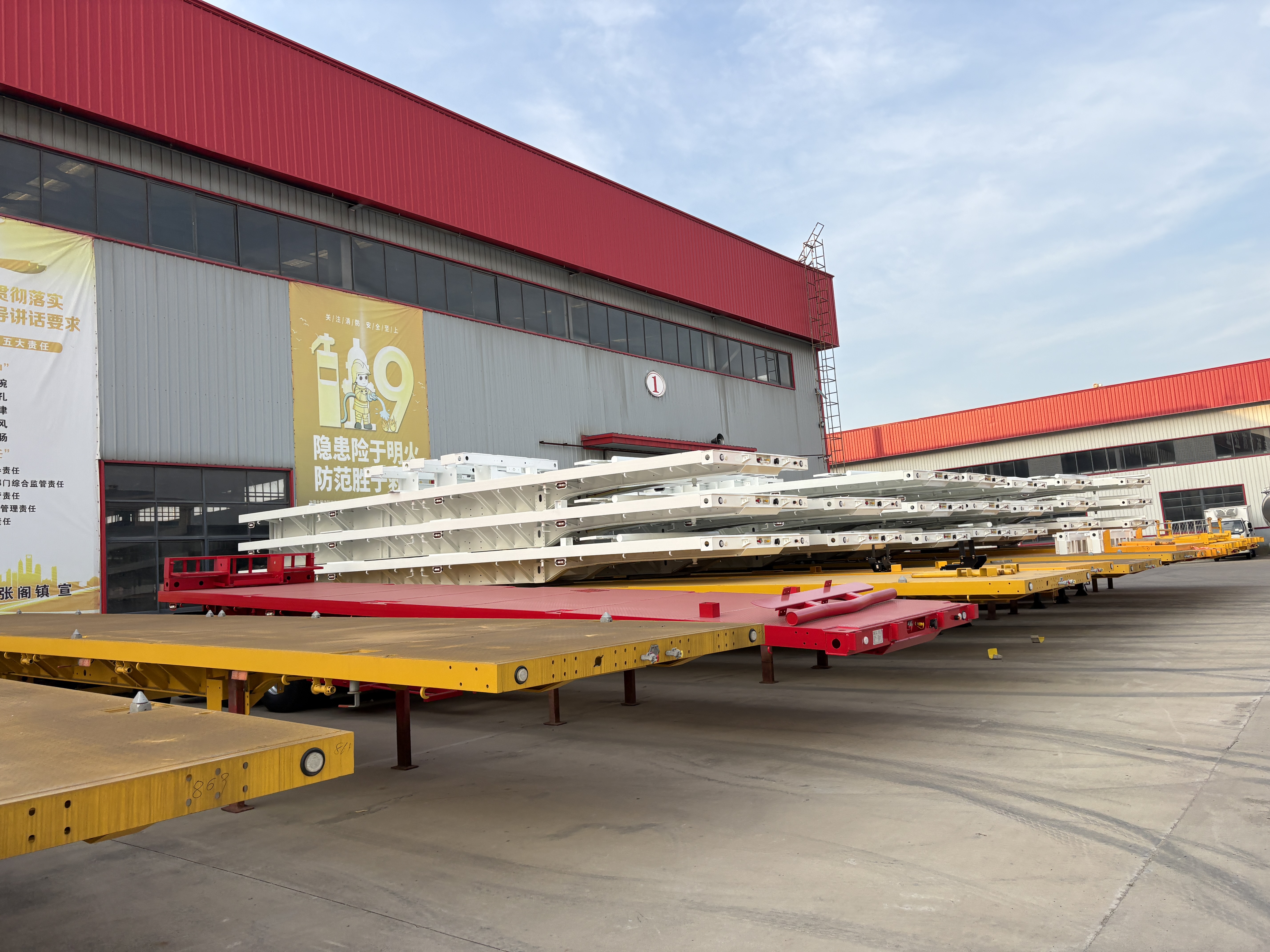
Questions to ask before buying a semi trailer are the practical checks a buyer uses to confirm whether a trailer supplier understands the project. They are not just a negotiation tool. They help define the trailer type, loading capacity, material grade, axle configuration, suspension system, braking system, surface treatment, production schedule, and export requirements before money is paid and production begins.
For international buyers, these questions are especially important because the trailer is usually built far from the buyer's operating site. A buyer in Saudi Arabia, Ghana, Tanzania, Ecuador, the UAE, or South America may have different road conditions, axle load limits, customs requirements, and cargo applications. A trailer that works well for one market may not be suitable for another if the specification is copied without engineering review.
The right questions also help the buyer compare offers fairly. A low quotation may exclude important items such as heavy-duty suspension, branded axles, spare tire carriers, side boards, tool boxes, extra king pin plates, container locks, better paint thickness, or shipment protection. Asking structured questions makes the comparison clearer and reduces the risk of surprise costs later.
Why These Questions Matter Before Buying a Semi Trailer
A semi trailer is not a simple product that can be judged by photos alone. Two trailers can look similar from the outside but perform very differently in real transport work. The difference may come from steel thickness, beam structure, welding penetration, axle brand, suspension design, tire rating, brake system layout, paint preparation, or how carefully the trailer is inspected before shipment.
Many purchasing problems begin with unclear communication at the inquiry stage. A buyer may ask for a 60-ton trailer, but the supplier does not know whether the trailer will carry containers, steel coils, equipment, cement bags, stone blocks, fuel, or bulk powder. Another buyer may ask for a lowbed trailer, but the supplier does not confirm road ramps, ground clearance, tire size, or loading height. In both cases, the quotation can be fast but incomplete.
Good questions protect the buyer in four ways. First, they clarify the real working condition. Second, they expose whether the supplier has manufacturing experience. Third, they create written evidence for the final specification. Fourth, they help the buyer avoid paying for a trailer that is cheap at purchase but expensive to operate, repair, or modify later.
How Does YOUCAN Answer These Questions Before Production?
At YOUCAN Trailer, pre-production communication is treated as part of quality control. The goal is not only to quote a price but to understand how the trailer will be used. The following 10 questions are the ones serious buyers should ask before ordering. They also show how a professional semi trailer manufacturer should respond.
1. What cargo will the trailer carry most often?
The first question is not the trailer price. It is the cargo. A trailer used for containers has different requirements from one used for construction machinery, steel pipes, bulk cement, fuel, or mining materials. The cargo determines the deck structure, loading points, frame strength, tire configuration, and whether extra accessories are needed.
For example, a flatbed trailer for containers may need twist locks, side marker lights, rope hooks, and a deck layout suitable for 20-foot and 40-foot containers. A lowbed trailer for excavators should focus more on ramp design, loading angle, reinforced gooseneck, and ground clearance. A buyer who simply asks for "one trailer" may receive a standard design that does not match the cargo.
2. What payload, axle load, and road conditions should the trailer handle?
Payload is not the same as legal operating weight. A supplier should ask about the expected cargo weight, road condition, axle load limits, and the country where the trailer will operate. Rough roads, unpaved construction routes, port operations, mountain roads, and desert areas all place different stress on the frame and suspension.
Buyers should ask the supplier to explain the design basis, not just the rated payload number. A heavier chassis may be useful for demanding applications, but excessive self-weight can reduce legal payload and increase fuel cost. A better answer balances structure strength, operating condition, and transport efficiency.
3. Which trailer type is best for this job?
Some buyers already know the trailer type they want. Others describe the cargo first and need the manufacturer to recommend a suitable model. Asking this question can reveal whether the supplier is only selling from a catalog or actually understands applications.
| Buyer Need | Common Trailer Option | Key Point to Confirm |
|---|---|---|
| Containers, steel, packaged cargo | Flatbed or container trailer | Twist locks, deck strength, side accessories |
| Excavators and heavy machines | Lowbed trailer | Loading height, ramp angle, reinforced frame |
| Bulk powder such as cement | Bulk cement trailer | Tank volume, discharge system, compressor match |
| Liquid cargo | Tank trailer | Tank material, compartments, safety fittings |
4. What steel grade and frame structure will be used?
Steel selection affects strength, weight, fatigue resistance, and long-term reliability. Buyers should ask about the main beam material, flange thickness, web thickness, cross member design, and reinforcement points. The supplier should be able to explain why a certain steel grade and beam size is suitable for the cargo and market.
A useful answer includes drawings or specification sheets. A weak answer only says "heavy duty" without showing dimensions. For trailers that carry heavy machinery, concentrated loads, or rough-road cargo, frame design is more important than a simple payload claim.
5. Which axle, suspension, tire, and braking system are included?
Axles, suspension, tires, and brakes are not small accessories. They decide how the trailer behaves on the road and how easy it is to maintain. Buyers should ask whether the quotation includes mechanical suspension, air suspension, specific axle brands, tire size, landing gear, brake chambers, ABS options, and spare parts availability.
The best choice depends on the market. Some buyers prefer mechanical suspension because it is durable and easier to maintain in remote areas. Others prefer air suspension for better cargo protection and road performance. A supplier should explain the tradeoff instead of pushing one configuration for every project.
6. How is welding quality controlled?
Welding quality is one of the most important questions when buying a semi trailer. Poor welding may not be obvious in a quotation, but it can lead to frame cracks, deformation, and costly downtime. Buyers should ask about welding operators, fixture control, weld appearance checks, dimensional checks, and how critical weld areas are inspected before painting.
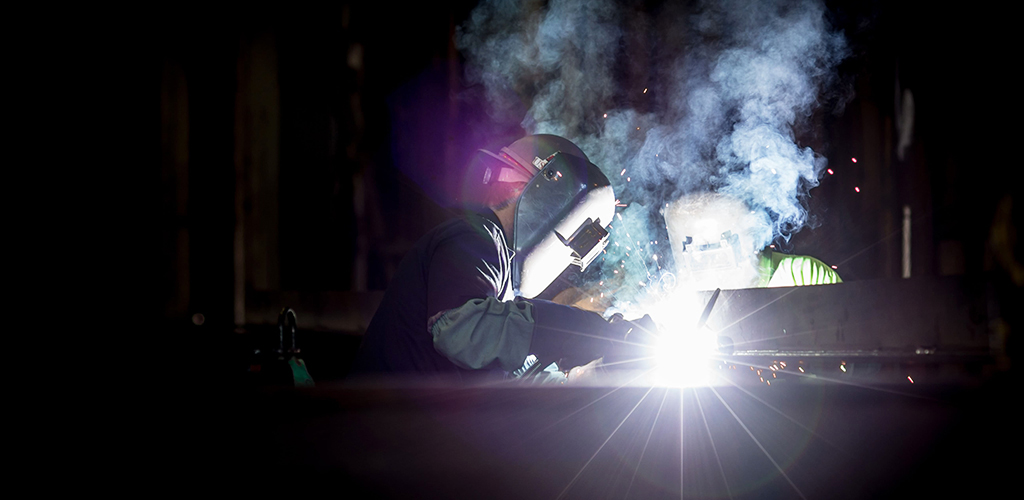
At YOUCAN, welding inspection is considered before the trailer moves to surface treatment. Buyers can request production photos, key welding details, and inspection records where appropriate. For projects that require higher documentation, the buyer should discuss inspection expectations before the order is confirmed.
7. What painting and anti-corrosion process will be used?
Paint is not only about color. Surface preparation, primer, topcoat, film thickness, and drying conditions affect how the trailer performs in humid ports, coastal markets, desert regions, mining areas, and construction sites. Buyers should ask whether shot blasting or mechanical surface cleaning is used, what primer is applied, and how the final surface is checked.
For buyers in coastal or high-humidity markets, corrosion protection should be discussed early. It is often cheaper to improve paint and surface preparation during production than to repair rust after the trailer has entered service.
8. What inspection will be done before shipment?
A reliable supplier should not treat shipment as the only final step. Buyers should ask what inspection is done before loading: dimensions, axle alignment, brake system, lighting, tire pressure, painting appearance, accessories, marking, and packaging protection. For some projects, buyers may also request customer inspection or third-party inspection before shipment.
Photos and videos are useful, but they should be connected to a checklist. A professional inspection record gives the buyer clearer evidence than a few general pictures of the trailer yard.
9. What export documents and destination requirements are needed?
International buyers should ask about export documents before payment terms are finalized. Common documents may include commercial invoice, packing list, bill of lading, certificate of origin, product specification, and other destination-specific documents. Some markets may require conformity procedures, local import approvals, or special documents depending on product type and buyer situation.
For Saudi Arabia, buyers often discuss SASO/SABER-related conformity procedures with their importer or customs agent. For dangerous goods tankers, ADR or local hazardous-goods rules may matter depending on the country. Buyers should confirm these requirements with local authorities or an experienced freight forwarder before production begins.
10. What happens after delivery if parts, documents, or technical support are needed?
After-sales support should be discussed before the order is placed, not after a problem appears. Buyers should ask about spare parts, maintenance guidance, operation manuals, drawings, warranty terms, and how the supplier handles technical questions after the trailer arrives.
This question is especially important for distributors, fleet owners, and government procurement departments. They may need consistent support for multiple trailers, not only one shipment. A supplier with export experience should understand that service continues after the bill of lading is issued.
Industry Standards and Best Practices
Not every semi trailer project requires the same standards, and buyers should be careful about suppliers who claim every certification without proof. Standards should be discussed based on the trailer type, destination country, cargo, and contract requirements.
ISO 9001:2015 is commonly used as a quality management reference because it focuses on process control, documentation, and continual improvement. It does not replace product inspection, but it helps buyers understand whether the factory manages production in a structured way.
ISO 3834-2:2021 is relevant when discussing quality requirements for fusion welding of metallic materials. It can help buyers frame questions about welding procedures, personnel, inspection, and documentation. For braking systems, UN Regulation No. 13 may be relevant in markets that recognize UN vehicle regulations for heavy vehicle braking. For dangerous goods transport, ADR 2025 and local hazardous-goods requirements should be checked carefully before ordering tank trailers.
Best practice is simple: ask the supplier which standards are relevant to your specific project and ask why. A professional answer should connect the standard to a real buyer concern, such as braking safety, welding quality, import conformity, or hazardous cargo transport.
Common Buyer Questions Before Ordering
Should I choose the cheapest semi trailer quotation?
The cheapest quotation is not always the lowest total cost. A lower price may come from lighter steel, weaker accessories, simpler painting, cheaper tires, missing spare parts, or less inspection. Buyers should compare the full specification, not only the final number.
What should I request from the supplier before paying a deposit?
Request a written specification, general drawing, payment terms, delivery time, inspection plan, packing or shipment method, warranty terms, and a list of included accessories. For customized trailers, confirm drawings before production begins.
How can I compare two trailer suppliers fairly?
Use the same specification sheet for both suppliers. Compare steel grade, frame dimensions, axle brand, suspension type, tires, paint process, accessories, inspection support, export documents, and after-sales service. If one quotation is much lower, ask what has been changed or excluded.
Should I visit the factory before ordering?
A factory visit is useful for large orders or long-term cooperation. If visiting is not practical, buyers can request videos, live calls, production photos, previous export cases, and third-party inspection. The goal is to verify real manufacturing capability before committing to the order.
What information should I give the manufacturer at the inquiry stage?
Share cargo type, payload, road condition, destination country, preferred axle number, tire size, suspension preference, loading method, local regulations if known, and any previous trailer problems. Better input helps the manufacturer recommend a more accurate specification.
Why YOUCAN Trailer?
YOUCAN Trailer, Henan Yuchang Vehicle Manufacturing Co., Ltd., has manufactured semi trailers since 1999. For international buyers, this experience matters because trailer purchasing is not only about production. It also involves engineering communication, export packaging, documentation, inspection, and long-distance after-sales support.
YOUCAN works with buyers on cargo analysis, trailer type selection, custom dimensions, component options, production photos, and shipment preparation. The company manufactures different trailer types for construction, logistics, cement, fuel, heavy equipment, and general cargo applications. This allows buyers to discuss several options before deciding on the final specification.
A good semi trailer order begins with clear questions. YOUCAN encourages buyers to share real working conditions, not only a target price. That makes it easier to build a trailer that fits the buyer's cargo, road, and market instead of producing a standard unit that later needs modification.
Conclusion
Buying a semi trailer is easier when the buyer asks the right questions before production starts. The most important topics are cargo, payload, road condition, trailer type, steel structure, axle and suspension configuration, welding quality, painting process, inspection, export documents, and after-sales support.
If you are planning to import semi trailers in 2026, prepare your operating details before requesting a quotation. A professional manufacturer can then help you compare options, reduce purchasing risk, and confirm a practical specification before the order is placed. YOUCAN Trailer can review your project requirements and suggest a suitable trailer configuration based on manufacturing and export experience.
FAQ
What is the first question to ask before buying a semi trailer?
Ask whether the trailer specification matches your cargo, payload, road condition, and destination country. Price should come after the working requirement is clear.
How many questions should I ask a semi trailer supplier?
There is no fixed number, but the 10 questions in this guide cover the main purchasing risks: cargo, structure, components, quality control, delivery, documents, and service.
Can I use one trailer design for different types of cargo?
Sometimes yes, but not always. Containers, machines, bulk powder, liquids, and construction materials require different structures and accessories. Confirm the main cargo before choosing the design.
Why do semi trailer quotations vary so much?
Prices vary because suppliers may use different steel grades, frame sizes, axles, tires, suspension systems, painting processes, accessories, and inspection standards.
Should I request production photos before shipment?
Yes. Production and inspection photos help confirm that the trailer is being built according to the agreed specification. For larger orders, buyers may also request third-party inspection.
What documents are usually needed for importing semi trailers?
Common documents include commercial invoice, packing list, bill of lading, certificate of origin, and product specification. Destination-specific documents should be confirmed with the local importer or customs agent.
Is after-sales support important for semi trailer buyers?
Yes. Buyers may need spare parts, maintenance advice, drawings, warranty support, or technical guidance after the trailer arrives. Discuss these items before confirming the order.
References
ISO 9001:2015: Quality management systems - Requirements.
ISO 3834-2:2021: Quality requirements for fusion welding of metallic materials - Part 2: Comprehensive quality requirements.
UN Regulation No. 13: Heavy vehicle braking.
ADR 2025: Agreement concerning the International Carriage of Dangerous Goods by Road.
SASO/SABER: Saudi product conformity certificate registration and import-related conformity procedures where applicable.