 WhatsApp
 sales@youcantrailer.com
 +8615203709888
Can Customers Inspect Semi Trailers Before Shipment?
Yes. Overseas buyers can arrange semi trailer inspection before shipment, and the best results come when the inspection plan is agreed before production begins. For international B2B buyers, a trailer is not only a product on a purchase order. It is a working asset that must fit the buyer's cargo, road conditions, loading method, local import requirements, and long-term maintenance plan. That is why pre-shipment inspection is an important step in the order process for flatbed trailers, lowbed trailers, tanker trailers, dump trailers, and other customized semi trailers.
At YOUCAN Trailer, inspection is treated as part of factory production, not as a last-minute activity after the trailer is already finished. The purpose is simple: confirm that the finished trailer is consistent with the approved specification, check visible workmanship, review key assemblies, and give the buyer enough information before export shipment. This article explains how customers can inspect trailers before shipment, what is usually checked, how factory communication works, and what buyers should prepare to make the process efficient.
Why pre-shipment inspection matters for trailer buyers
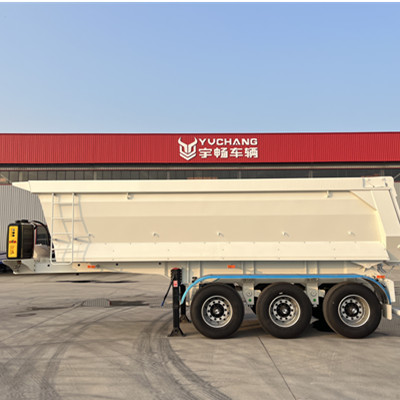
Many overseas buyers source trailers from China because they need competitive manufacturing, flexible customization, and export experience. However, a semi trailer is a large welded product with many practical details. Small misunderstandings in dimensions, loading layout, tool box position, painting color, tire configuration, light connection, or lashing points can create extra work after arrival. A clear inspection process reduces that risk.
Pre-shipment inspection helps the buyer confirm three basic questions. First, does the trailer match the commercial order and technical drawing? Second, is the visible workmanship acceptable for the application? Third, is the trailer ready for export transportation without obvious missing parts or preventable damage? These questions sound simple, but they cover many details that matter to fleet operators, dealers, construction companies, logistics companies, and equipment importers.
Inspection starts with the confirmed specification
A useful inspection begins before the production team starts cutting, welding, and assembling. The most important reference is the confirmed order specification. This may include model type, main dimensions, payload requirement, axle and suspension arrangement, tire size, kingpin position, landing gear, brake and electrical system configuration, steel structure, tank volume if applicable, ladder and walkway arrangement, spare tire carrier, color, logo, and shipping method.
For customized trailers, this early confirmation is especially important. Two customers may buy a product with the same general name, such as a flatbed semi trailer, but require different container locks, side wall height, floor plate, axle spacing, or loading platform details. A trailer used for construction machinery has different practical priorities from a trailer used for containers or bulk cargo. During inspection, the factory and the buyer need a common checklist based on the approved specification, not only a generic product name.
Factory production checkpoints before the final inspection
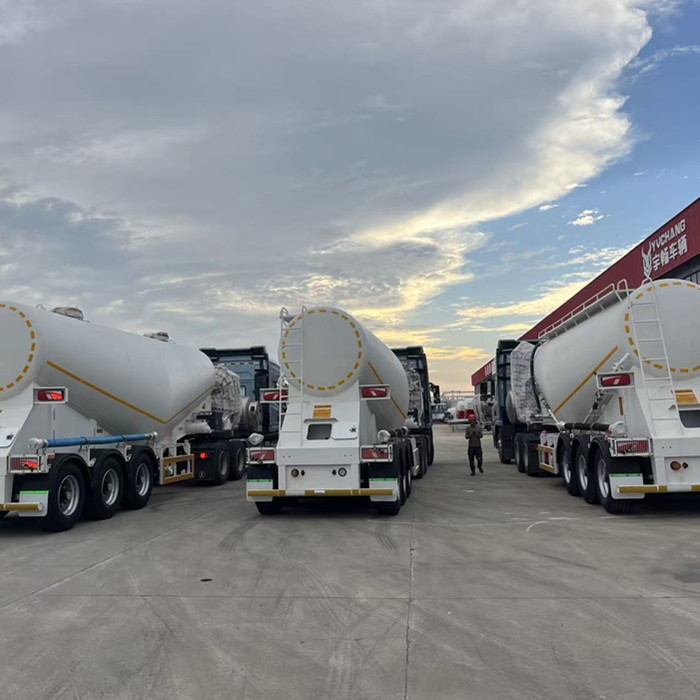
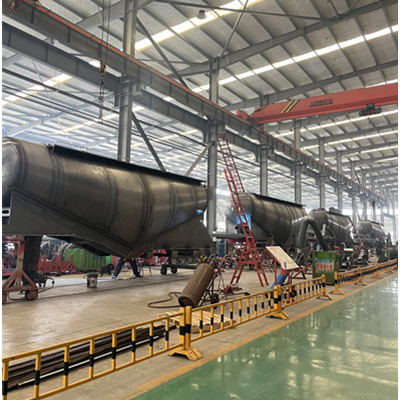
In a trailer factory, quality control is most effective when it is built into the production flow. Before the finished trailer reaches the final inspection area, the workshop normally checks several stages of work. Material preparation and component matching are reviewed according to the production plan. Main beams, cross members, brackets, supports, tank body parts, or other structural pieces are prepared for the required model. During welding, workers and supervisors pay attention to fit-up, alignment, weld position, and access for later assembly.
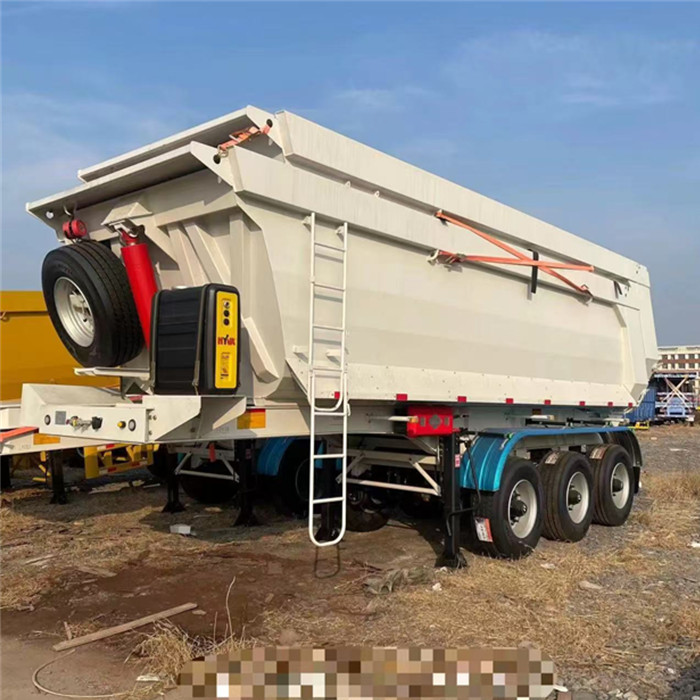
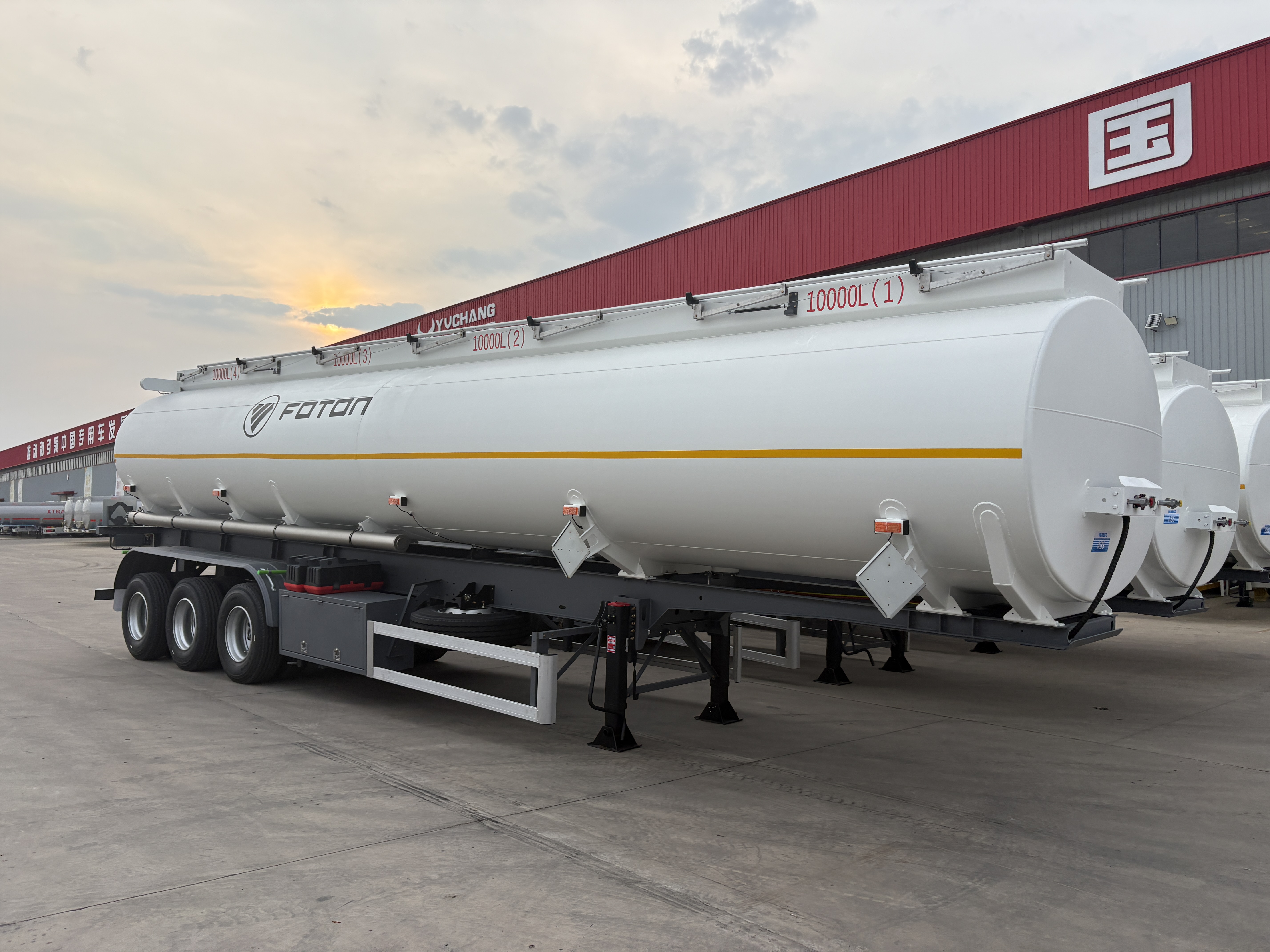
After the main structure is completed, the production team reviews the trailer frame or tank body before moving into assembly and finishing. This stage is important because it is easier to correct structural details before accessories, axles, suspension, air lines, electrical lines, paint, and decals are completed. For tank trailers, the inspection focus may include tank body workmanship, supports, manhole arrangement, ladder and walkway installation, pipeline layout, and valve position according to the confirmed design. For platform trailers, the focus may include beam straightness, floor installation, twist lock position, side wall or stake pocket arrangement, and tie-down points.
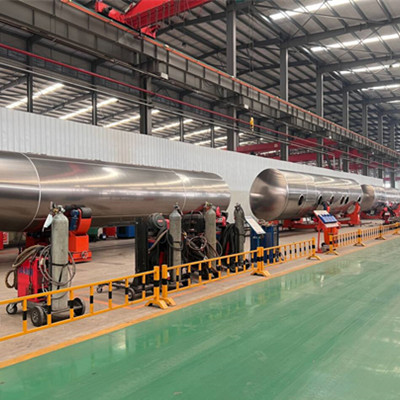
Welding and structural workmanship review
Welding quality is one of the main concerns for overseas trailer buyers. A pre-shipment inspection cannot replace production control during welding, but it can review visible workmanship and confirm that important welded areas are not ignored. Inspectors often look at main beam connections, suspension brackets, landing gear supports, cross member joints, tank supports, rear bumper structure, side protection parts, and accessory mounting points.
The inspection should focus on practical questions. Are the welds continuous where continuous welding is required by the design? Are brackets correctly positioned? Are there obvious cracks, missing welds, sharp burrs, or areas that require cleaning before painting? Are installed parts aligned well enough for use and maintenance? If the buyer has special working conditions, such as rough roads, frequent heavy equipment loading, or corrosive cargo environments, those points should be discussed before production so the factory can pay attention to the relevant structure.
Assembly inspection for running gear and accessories
After structural production, the trailer becomes a complete vehicle through assembly. This stage includes axles, suspension, landing gear, kingpin, brake system parts, electrical lines, lamps, tires, mudguards, tool boxes, spare tire carriers, ABS-related parts when included in the confirmed configuration, and customer-specific accessories. During pre-shipment inspection, the buyer can review whether the installed configuration matches the order.
For example, a customer may want to confirm the axle quantity, tire model shown on the tire sidewall, lamp layout, electrical plug type, toolbox position, landing gear installation, and reflective marking. For tank trailers, the inspection may also include pipeline routing, valve layout, discharge outlet arrangement, ladder and guardrail installation, and label positions requested by the customer. For lowbed trailers, the inspection may focus on ramp structure, working platform, suspension height, gooseneck details, and lashing points for machinery transport.
Surface finishing and appearance check
Appearance is not only about looking good in photos. Paint, surface cleaning, edge finishing, and accessory installation affect the buyer's first impression and can also influence maintenance after delivery. During final inspection, the factory checks whether the visible paint coverage, color, logo position when required, warning marks, and surface cleanliness are consistent with the buyer's instruction.
For export orders, the factory also considers shipping preparation. Long-distance delivery may involve road transport to port, port handling, sea freight, unloading, and local inland movement. The trailer should be prepared so that loose parts are fixed, small accessories are packed or recorded, and exposed areas receive reasonable protection according to the product type and shipping method. When the buyer requests photos or videos, these records are useful for confirming the trailer condition before loading.
Can customers visit the factory for inspection?
When the order schedule and travel plan allow, customers can discuss an in-person inspection with YOUCAN Trailer before shipment. A factory visit is useful when the buyer wants to review several trailers, confirm customized details, or discuss future orders with the production and sales team. The visit should be scheduled in advance so the trailer is ready, the relevant documents and order details are available, and the workshop can arrange safe access to the inspection area.
If the customer cannot visit the factory, the inspection can still be supported remotely. Common options include detailed photos, video calls, short workshop videos, and a buyer's checklist prepared before final review. Some buyers may also arrange an independent inspection company or a local representative to check the trailer. In that case, the factory needs the inspection scope and appointment time in advance, because large trailers cannot always be moved or positioned immediately without planning.
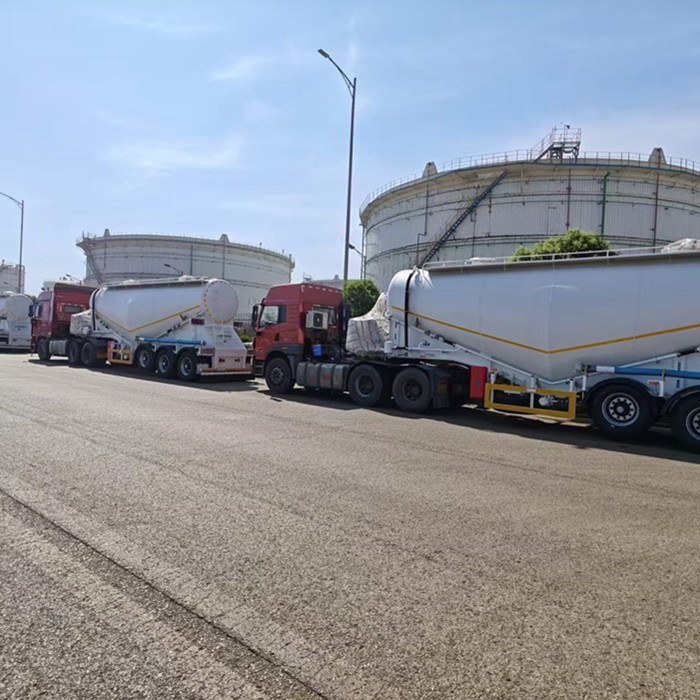
What should buyers prepare before inspection?
The most efficient inspection starts with a clear checklist. Buyers should prepare the final proforma invoice or purchase order, confirmed drawing or technical sheet, color and logo requirements, special accessory list, destination market requirements, and any photos or examples that explain the expected result. If the trailer will be used for a specific cargo, such as containers, construction machinery, cement, fuel, bulk materials, or abnormal equipment, the buyer should tell the factory which details are most important for operation.
It is also helpful to separate critical requirements from preferences. Critical requirements may include dimensions, axle configuration, brake and lighting configuration, loading structure, tank layout, and safety-related accessories included in the contract. Preferences may include toolbox position, decal layout, small bracket placement, or other non-structural details. When both sides understand priority, inspection communication becomes faster and more objective.
How YOUCAN Trailer handles inspection communication
For international orders, communication is part of quality control. YOUCAN Trailer's team can review the order specification with the buyer, confirm the inspection timing, arrange photos or videos when needed, and discuss correction items before shipment. If a detail does not match the confirmed order, it should be recorded clearly and handled before the trailer leaves the factory. If the buyer requests a change that was not included in the original specification, the factory can evaluate whether it can be adjusted before shipment or should be included in the next production plan.
The goal is not to make inspection complicated. The goal is to make the export delivery predictable. A well-managed pre-shipment inspection helps buyers receive trailers that match their confirmed requirements and helps the factory reduce avoidable after-sales communication. For dealers and fleet buyers, this process also creates a better basis for repeat orders, because every project improves the shared understanding of local working conditions and customer preferences.
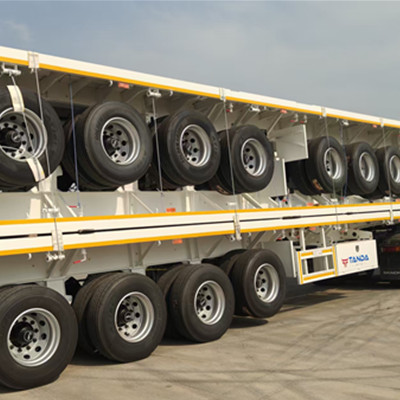
Conclusion
Customers can inspect semi trailers before shipment, and it is a practical step for overseas buyers who want confidence before export delivery. The key is to plan the inspection around the confirmed specification, include factory production checkpoints, review visible workmanship and assemblies, and communicate any questions before the trailer is loaded for shipment. For customized semi trailers, pre-shipment inspection is especially valuable because it confirms that the product matches the buyer's real operating needs.
If you are planning a semi trailer order, prepare your technical requirements early and discuss the inspection method with YOUCAN Trailer before production is completed. A clear checklist, suitable photos or video review, and timely factory communication can make the shipment process smoother and help your team receive trailers that are ready for work.