




How to Choose a Petrol Tanker Trailer for Your Fleet?
Selecting the right petrol tanker trailer is a critical investment that directly impacts your operational efficiency, safety compliance, and profitability. A well-specified tanker ensures maximum payload within legal limits, minimizes downtime, and protects the integrity of your valuable cargo. Making an informed decision prevents costly long-term issues and secures a higher return on investment.
To navigate this complex purchase, start with this quick checklist. It covers the essential variables you must define before engaging with a manufacturer.
- Capacity & Compartments: Determine the total volume needed (e.g., 45,000 liters) and how many separate compartments are required for different fuel types.
- Material Selection: Choose between lighter aluminum alloy for increased payload or robust carbon steel for lower upfront cost.
- Regulatory Compliance: Verify your region's specific regulations for transporting dangerous goods (e.g., ADR in Europe), including axle load limits and safety equipment mandates.
- Suspension & Axles: Decide between air suspension for smoother rides and cargo protection or mechanical suspension for rugged terrain.
Key Factors & Technical Parameters to Consider
A detailed technical specification is the foundation of a successful procurement. When evaluating a fuel tanker semi-trailer, focus on these core parameters to ensure it meets your operational demands.

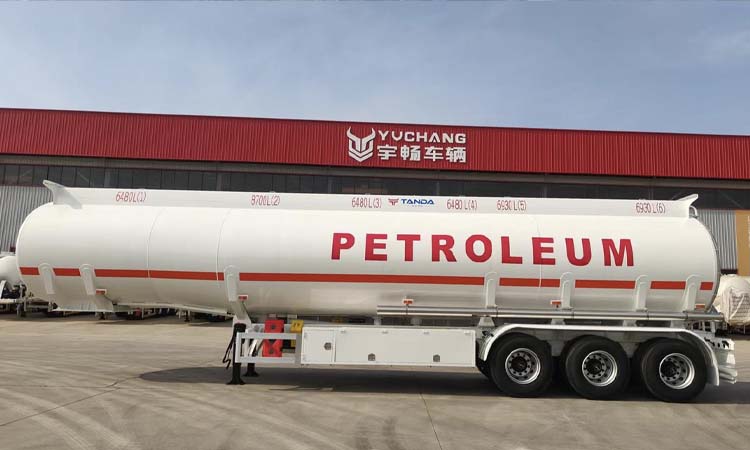
- Tank Capacity and Volume: Measured in liters or cubic meters (e.g., 30,000L to 60,000L). This must align with your prime mover's towing capacity and local road weight regulations. Over-specifying can lead to under-utilization and legal penalties.
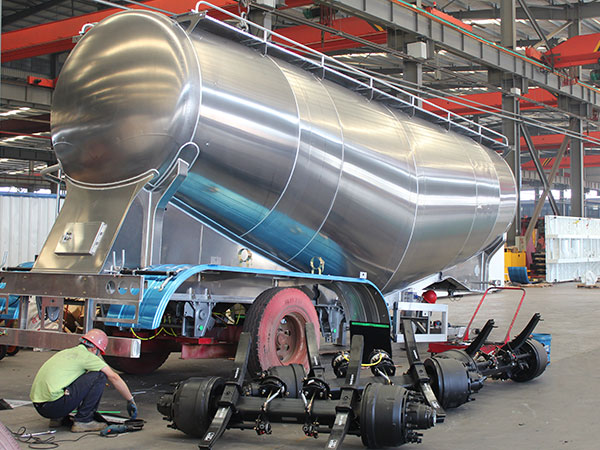
- Tank Material: The choice between aluminum alloy and carbon steel is crucial. Aluminum is lighter, corrosion-resistant, and allows for a larger payload, increasing revenue per trip. Carbon steel offers a lower initial purchase price and is highly durable, though it is heavier.
- Number of Compartments: Multi-compartment tanks (e.g., 2 to 8 compartments) allow for the transport of different fuel grades (e.g., diesel, unleaded 95, unleaded 98) in a single journey, increasing delivery flexibility.
- Suspension System: Air suspension is preferred for protecting the tank shell from road-induced stress and providing a stable ride, especially with sensitive cargo. Mechanical (leaf spring) suspension is a cost-effective and robust alternative suitable for harsh road conditions.
- Axle Configuration: The number of axles (typically 2, 3, or 4) and their load rating (e.g., 13-ton, 16-ton) are determined by the Gross Vehicle Weight (GVW) and local axle load limits. Renowned brands like BPW and FUWA are indicators of quality.
- Safety Systems: Non-negotiable features include an Anti-lock Braking System (ABS) or Electronic Braking System (EBS), emergency foot valves (bottom valves), vapor recovery systems, and overfill protection sensors. These are often mandated by law.
Types of Petrol Tanker Trailers: Which One Fits Your Needs?
While all serve the same primary function, fuel tankers can be categorized based on material and design, each offering distinct advantages for different business models.
| Trailer Type | Key Specs | Price Level | Best Used For |
|---|---|---|---|
| Aluminum Alloy Tanker | Lighter tare weight, high corrosion resistance, 40,000-50,000L capacity common. | Higher | Maximizing payload for long-haul transport, high-volume fuel distribution, and operations where fuel efficiency is a priority. |
| Carbon Steel Tanker | Heavier weight, extremely durable and impact-resistant, lower initial cost. | Lower | Operations in rugged environments, shorter routes where maximum payload is less critical, and budget-conscious fleet acquisitions. |
| Insulated Tanker | Features a layer of insulation (e.g., rock wool) to maintain cargo temperature. | Higher | Transporting bitumen, asphalt, or heavy fuel oil that requires elevated temperatures to remain fluid. This is a type of Specialized Liquid Tanker. |
Essential Features & Quality Standards
The difference between a reliable, long-lasting tanker and a problematic one lies in the details of its construction and the components used. High-quality manufacturers adhere to strict international standards.
Distinguishing Quality Features
- Welding Technology: Look for automated, uniform welding seams on the tank body. Poor welding is a major safety risk and a common point of failure.
- Manhole Covers: European-standard aluminum alloy manholes with built-in breathing valves and emergency exhaust provide better sealing and safety than basic covers.
- Discharge System: High-quality API standard discharge valves and piping systems ensure leak-free operation and faster loading/unloading times, improving turnaround efficiency.
- Paint and Finish: A multi-layer paint process, including sandblasting and anti-corrosion priming, protects the tank from the elements and extends its service life.
International Certifications
Ensure your supplier complies with key quality and safety certifications. ISO 9001 demonstrates a commitment to quality management systems. For tankers transporting dangerous goods, compliance with ADR regulations is mandatory in Europe and widely adopted as a benchmark for safety worldwide.
Total Cost of Ownership (TCO) & Budgeting Guide
The initial purchase price is only part of the story. A smart buyer evaluates the Total Cost of Ownership to understand the true long-term financial impact.

Consider these factors beyond the upfront cost:
- Upfront Cost: This includes the trailer itself, plus any customizations like pumps or metering systems.
- Operational Costs: A lighter Aluminum Fuel Tanker can carry more product per trip and may offer better fuel economy for the prime mover, directly impacting revenue and expenses.
- Maintenance & Spares: Factor in routine maintenance for tires, braking systems, and suspension. Access to reliable Tank Trailer Parts is crucial for minimizing downtime.
- Insurance & Compliance: Higher safety specifications can sometimes lead to lower insurance premiums. Regular tank integrity testing is a mandatory and recurring cost.
- Resale Value: Well-maintained tankers from reputable manufacturers, especially aluminum models, typically retain a higher resale value.
When presenting to management, frame the purchase as an investment. An aluminum tanker, despite its higher initial cost, might offer an ROI in under two years through increased payload capacity alone.
Top Common Buying Mistakes & How to Avoid Them
- Chasing the Lowest Price: Extremely low prices often signal compromises in material thickness, component quality (axles, valves), or safety features, leading to higher maintenance costs and significant safety risks.
- Ignoring Local Regulations: Failing to account for local laws on vehicle length, width, and axle weight limits can result in a trailer that is illegal to operate in your country. Always provide your supplier with your country's specific transport regulations.
- Under-Specifying Safety Features: Skimping on features like EBS, anti-spill sensors, or emergency valves to save money is a false economy. An incident can cost far more than the initial savings.
- Neglecting Supplier After-Sales Support: Before purchasing, confirm the manufacturer's warranty policy and their ability to provide technical support and spare parts promptly. A trailer out of service is a liability.
- One-Size-Fits-All Approach: Every transport operation is unique. Do not assume a standard model is right for you. Discuss your specific cargo, routes, and climate with the supplier to get a tailored solution.
Customization & OEM/ODM Options
A reliable manufacturer offers extensive customization to tailor the petrol tanker trailer to your exact operational and branding needs. Common OEM/ODM options include:
- Branding: Custom paint colors and application of your company's logo and livery.
- Equipment Integration: Factory installation of specific pumps, flow meters, hoses, and reel systems.
- Compartment Configuration: Adjusting the size and number of internal compartments to match your typical delivery volumes.
- Component Specification: Choosing your preferred brands for key components like axles (BPW, FUWA), landing gear (JOST), and tires (Michelin, Bridgestone).
Inspection, Packaging & Shipping
For international buyers, understanding the logistics process is key to a smooth transaction.
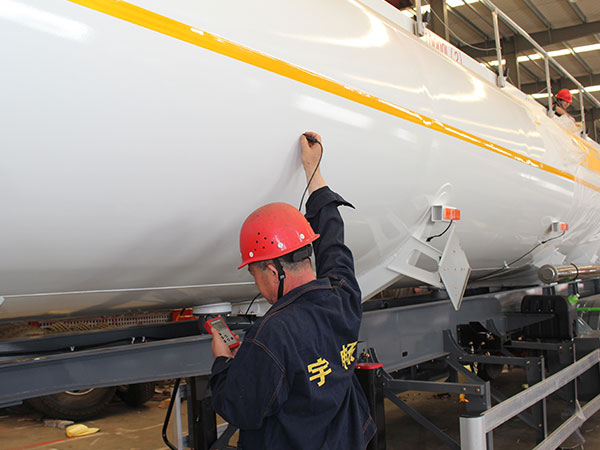
- Quality Inspection: Reputable suppliers conduct rigorous in-house quality control, including pressure testing and weld inspection. We welcome third-party inspections from agencies like SGS or Bureau Veritas before dispatch.
- Packaging and Shipping: Due to their size, fuel tankers are typically shipped via Bulk Carrier or Ro-Ro (Roll-on/Roll-off) vessels to ensure they arrive without damage. The entire unit is driven onto the ship and secured.
- Shipping Terms (Incoterms): Be clear on the terms. FOB (Free On Board) means the seller is responsible until the goods are loaded on the vessel. CIF (Cost, Insurance, and Freight) means the seller arranges and pays for shipping and insurance to your destination port.
Why Partner with Us as Your Manufacturer?
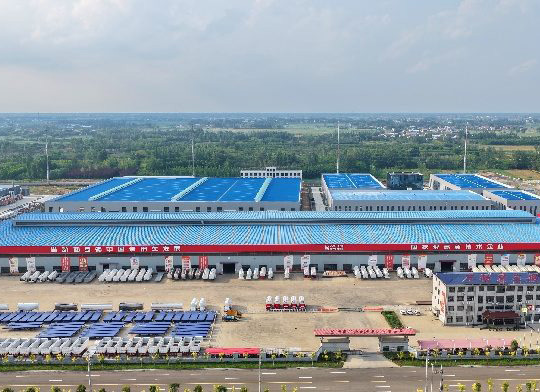
With years of experience in specialized vehicle manufacturing, we offer more than just a product; we provide a reliable, long-term transport solution. Our factory utilizes advanced automated welding and production lines to ensure consistent quality and structural integrity.
Every tanker we build undergoes stringent quality control checks, from raw material inspection to final water and air pressure testing, ensuring full compliance with ISO 9001 and ADR standards. Our engineering team works directly with you to design a trailer that perfectly matches your requirements, and our commitment extends beyond delivery with a comprehensive warranty and lifetime technical support.
Contact our team to discuss your specific fleet requirements and receive a detailed, no-obligation quotation.
Frequently Asked Questions (FAQ)
What is your Minimum Order Quantity (MOQ)?
Our MOQ for semi-trailers, including petrol tankers, is one (1) unit. We support businesses of all sizes, from single-unit owner-operators to large fleet procurement.
What is the production lead time?
The standard production lead time for a petrol tanker trailer is typically 30-45 days, depending on the complexity of the specifications and current production schedules. We will confirm the exact delivery timeline upon order confirmation.
What are your warranty terms?
We provide a 12-month warranty on the main components of the trailer, including the main beam and tank body, against manufacturing defects. Key parts from third-party suppliers (e.g., axles, landing gear) are covered by their original manufacturer's warranty.
What payment methods do you accept?
Our standard payment terms are T/T (Telegraphic Transfer), with a 30% deposit to initiate production and the 70% balance paid before shipment. For larger orders, we can also discuss payment by irrevocable Letter of Credit (L/C) at sight.
Do you provide after-sales service and spare parts?
Yes, we offer comprehensive after-sales support. We maintain a stock of common spare parts and can ship them globally via express courier to minimize your downtime. Our technical team is available to provide remote guidance and support.

Oil Tanker Trailer in Carbon Steel or Aluminum Compared
Compare a carbon steel and an aluminum oil tanker trailer on weight, cost, corrosion, and lifespan. Ask our engineers for selection advice or a quote.
Read More →
Petrol Tanker Trailer: An Application & Selection Guide
Explore the industrial applications of a petrol tanker trailer. This guide covers selection criteria, compatible materials, and customization for glob...
Read More →