





Insulation and lining trends are defining the modern specialized liquid tanker
The global logistics landscape is undergoing a significant transformation, driven by demands for greater efficiency, safety, and sustainability. Within this evolution, the market for the specialized liquid tanker is a critical barometer of industrial progress. These vehicles are no longer simple containers on wheels; they are sophisticated, highly-engineered assets designed to transport a vast range of sensitive, hazardous, and high-purity liquids. This guide provides a strategic analysis of the key insulation and lining trends that are shaping procurement decisions and operational standards across the industry.
| Key Market Driver | Emerging Tech Trend | Strategic Impact on Procurement |
|---|---|---|
| Stricter global regulations for transporting chemicals and food-grade products. | Advanced polymer and composite linings offering superior corrosion resistance. | Prioritizing tankers with certified, non-reactive linings to ensure cargo purity and compliance, reducing long-term liability. |
| Rising energy costs and focus on reducing carbon footprint during transit. | High-performance, lightweight insulation materials (e.g., polyurethane foam, aerogels). | Shifting focus from initial purchase price to Total Cost of Ownership (TCO), valuing thermal efficiency and reduced fuel consumption. |
| Demand for transporting a wider variety of specialized chemical compounds. | Modular tank designs and multi-layer lining systems for multi-cargo flexibility. | Investing in versatile tankers that can be adapted for different contracts, maximizing asset utilization and ROI. |
Current State of the Industry
The demand for specialized liquid transport solutions is robust, with consistent growth across key industrial hubs in North America, Europe, and Asia. In North America and Europe, the market is driven by stringent environmental and safety regulations, pushing fleet owners to upgrade to tankers with advanced safety features, superior insulation, and non-corrosive linings. The chemical and pharmaceutical sectors are primary drivers in these regions.
In Asia, particularly in China and India, rapid industrialization and expanding manufacturing capabilities are fueling demand. The food and beverage industry, along with the bulk transport of industrial chemicals, represents a significant portion of the market. This regional growth has spurred innovation in cost-effective manufacturing without compromising on international quality standards.
Key Trends Shaping the Industry
Four dominant trends are influencing the design, performance, and long-term value of modern liquid transport vehicles. Understanding these trends is crucial for any procurement director or supply chain manager.
Trend 1: Advanced Insulation Materials for Thermal Efficiency
Maintaining a stable temperature is critical for many liquid cargoes, from molten sulfur to temperature-sensitive food products. Traditional insulation materials are being replaced by advanced alternatives that offer better thermal performance (R-value) with less weight and thickness. Polyurethane spray foam (SPF) remains a popular choice for its seamless application and excellent insulating properties. However, cutting-edge materials like aerogel blankets are emerging for high-value applications, providing exceptional thermal resistance in a very thin profile, thereby maximizing cargo volume.
Trend 2: High-Performance Linings for Cargo Purity and Safety
The internal lining of a tanker is its most critical component for preventing corrosion and cargo contamination. The choice of lining depends entirely on the chemical composition of the liquid being transported.
- Stainless Steel: A benchmark for hygiene and corrosion resistance, essential for food-grade products and many chemicals.
- Rubber Linings: Highly effective for transporting strong acids like hydrochloric and phosphoric acid.
- Polymer and Composite Linings: Advances in materials like PTFE and other fluoropolymers offer broad chemical resistance, high-temperature stability, and non-stick surfaces, simplifying cleaning and reducing cross-contamination risks.
Trend 3: Smart Tanker Technology and IoT Integration
Digitalization is transforming fleet management. Modern tankers are increasingly equipped with IoT sensors to provide real-time data on temperature, pressure, and location. This technology enhances safety by enabling immediate alerts for any deviations from safe parameters. For logistics managers, it provides invaluable data for optimizing routes, monitoring driver behavior, and providing clients with verifiable proof of transport conditions, which is crucial for high-value cargo.
Trend 4: Sustainability Through Lightweighting
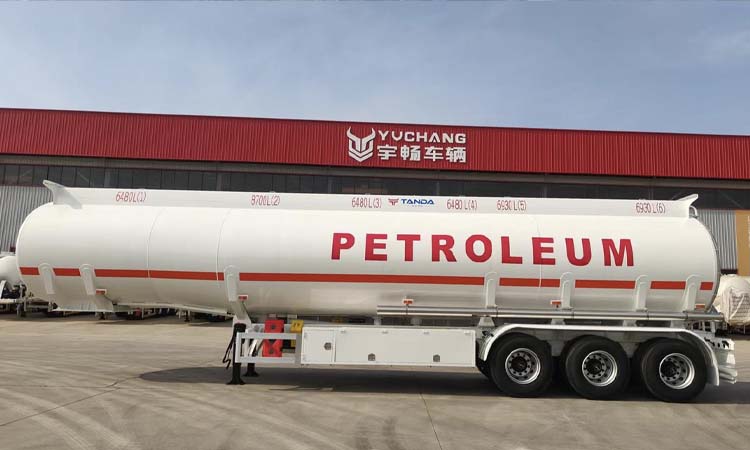
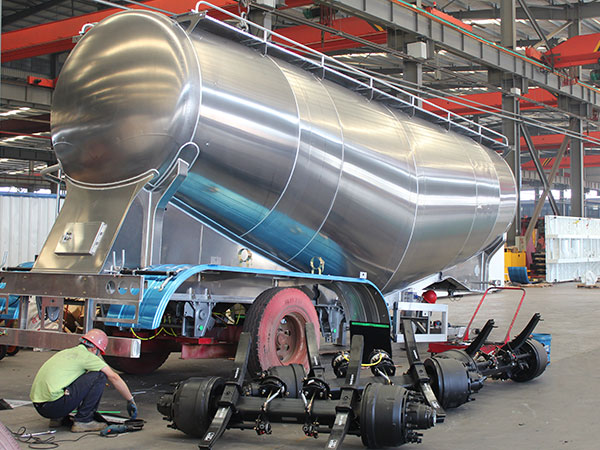
Fuel efficiency is directly tied to vehicle weight. Manufacturers are increasingly using high-strength steel and aluminum alloys to reduce the tare weight of tankers without compromising structural integrity. An aluminum fuel tanker, for example, offers a significant weight advantage over its steel counterpart, allowing for a larger payload or improved fuel economy. This focus on lightweighting not only reduces operational costs but also lowers the carbon footprint of transport operations.
Industry Challenges & Strategic Solutions
Buyers and operators face several pressing challenges, including volatile raw material costs (especially for steel and aluminum), the complexity of global compliance, and the need to prevent cargo cross-contamination. Forward-thinking manufacturers address these issues through advanced engineering.
For instance, automated welding techniques ensure consistent, high-integrity seams that are less prone to leaks or corrosion. The use of specialized multi-layer lining systems allows a single tanker to be safely used for different types of compatible chemicals, increasing fleet flexibility. Furthermore, sourcing components like certified tank trailer parts from reputable suppliers ensures longevity and easier maintenance.

B2B Procurement Advice & Future-Proofing
For procurement directors, selecting the right tanker goes beyond the initial price. A future-proof procurement strategy should focus on the Total Cost of Ownership (TCO). This includes evaluating the tanker's thermal efficiency, which translates to lower energy costs for heated or cooled cargo. It also means assessing the durability of the lining to minimize downtime for repairs and relining.
Opt for manufacturers who can provide detailed specifications on materials and demonstrate compliance with international standards (e.g., ADR for hazardous goods). Choosing a versatile design that can handle multiple cargo types can also provide a significant competitive advantage and a higher return on investment.
R&D & Customization Capabilities (OEM/ODM)
The term "specialized" implies that one size does not fit all. Leading manufacturers operate with robust R&D departments and offer extensive OEM/ODM customization. This allows buyers to specify the exact requirements for their cargo, whether it's a unique chemical requiring a specific composite lining or a food product needing a tank with multiple compartments and a clean-in-place (CIP) system. This engineering agility is key to solving unique logistics challenges, distinguishing a mere supplier from a true manufacturing partner.
Logistics & Sustainable Packaging Outlook
While the tanker itself is the transport vessel, its integration into the broader supply chain is vital. Efficient logistics involve ensuring the tanker design is compatible with intermodal transport systems, such as loading onto a container chassis or rail car. For international delivery of the tanker itself, manufacturers are adopting more sustainable practices. This includes using recyclable, biodegradable protective wraps and applying long-lasting anti-corrosion coatings to ensure the asset arrives in pristine condition, ready for immediate deployment.
Strategic Manufacturing Partnership
In a complex global market, partnering with a forward-thinking and certified manufacturer is a strategic imperative. Look for suppliers with internationally recognized certifications like ISO 9001 for quality management and CE marking for compliance with European standards. A strong partner demonstrates a commitment to R&D, offers scalable production capacity to meet fleet orders, and provides comprehensive global support. This holistic approach ensures you are not just buying a product, but investing in a long-term, reliable logistics solution.
To understand which tanker configuration is best for your operational needs, contact our engineering team to discuss your specific liquid transport requirements.
Industry FAQ Section
What are the primary growth drivers for the specialized liquid transport market?
The main drivers are the growth of the chemical and food & beverage industries, stricter safety and environmental regulations that necessitate fleet modernization, and the expansion of global trade routes requiring reliable bulk liquid transport.
How do new lining materials impact the operational lifespan of a tanker?
Advanced polymer and composite linings offer superior resistance to corrosion and chemical attack compared to older materials. This significantly extends the tanker's lifespan, reduces the frequency of costly maintenance and relining, and ensures cargo purity over many years of service.
What role does insulation play in reducing operational costs?
High-performance insulation maintains the cargo's temperature with minimal energy input. For heated products, this means less fuel consumed by heating systems. For cooled products, it reduces the load on refrigeration units. This thermal efficiency directly translates to lower fuel costs and a reduced carbon footprint on every journey.
How often should a specialized tanker be replaced or relined?
The replacement or relining cycle depends heavily on the type of cargo, frequency of use, and the quality of the original lining. With high-grade stainless steel or modern composite linings used for compatible products, a tanker can last over 15-20 years. However, aggressive chemicals may require lining inspection and potential replacement every 5-7 years.
Stainless Steel vs Aluminum for a Liquid Tank Trailer
Compare stainless steel and aluminum for a liquid tank trailer by cost, payload, corrosion resistance and cargo. Submit your cargo details for selecti...
Read More →
Specify a Chemical Tank Trailer for Corrosive Cargo
A complete buying guide to specifying the right chemical tank trailer for corrosive and hazardous materials. Learn about materials, specs, and TCO. Re...
Read More →