 WhatsApp
 sales@youcantrailer.com
 +8615203709888
How to Check Semi Trailer Quality Before Shipment in 2026
How to Check Semi Trailer Quality Before Shipment in 2026
Quick Answer
The best way to check semi trailer quality before shipment is to compare the finished trailer with the confirmed drawing, configuration list, purchase contract, and inspection photos from production. Do not rely only on a final appearance photo. Check structure, welding, paint, dimensions, axles, suspension, braking, electrical system, accessories, documents, and loading condition before the trailer leaves the factory.
For overseas buyers, a good pre-shipment inspection should answer three questions: does the trailer match the order, is it safe and complete enough to ship, and is there clear evidence if a problem appears later? The inspection result should be recorded with photos, videos, checklists, and clear notes instead of informal messages that are hard to verify.
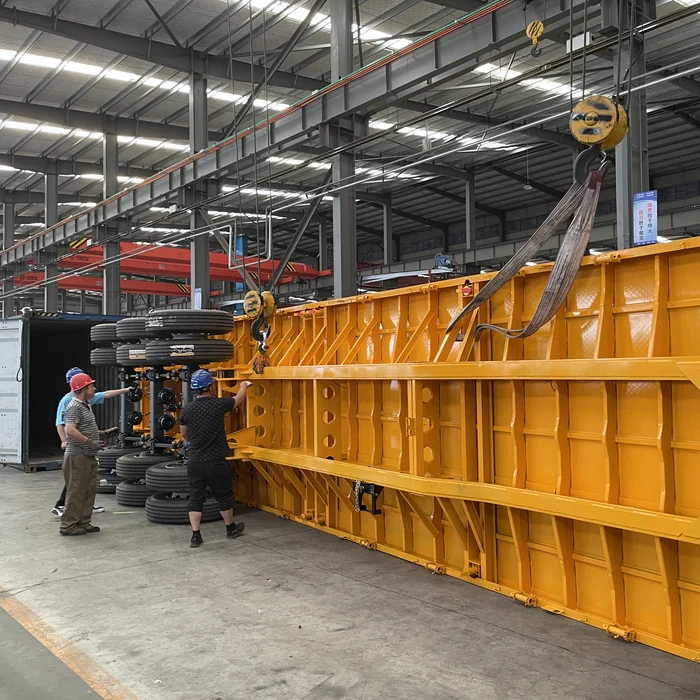
What Does Semi Trailer Quality Inspection Before Shipment Mean?
Semi trailer quality inspection before shipment is the final control process before the trailer is released for export, but it should not be treated as a quick photo check. A serious inspection connects the buyer's confirmed requirement with the finished product. The inspector should compare the trailer against the drawing, configuration list, production photos, order agreement, and destination-market requirements where applicable.
For a standard semi trailer, this may include visual appearance, chassis straightness, welding, painting, axles, suspension, landing gear, lights, wiring, brake lines, tire condition, accessories, nameplates, and loading preparation. For a customized trailer, the inspection must also confirm special dimensions, reinforcement positions, ramp logic, tank fittings, side wall structure, twist locks, tool boxes, spare parts, and any buyer-specific detail agreed before production.
The main purpose is not to find every small mark. The purpose is to prevent expensive export problems: wrong configuration, hidden welding defects, poor coating protection, missing accessories, electrical failure, document mismatch, shipment damage, or a trailer that does not match the buyer's real operating condition.
Why Pre-Shipment Quality Checks Matter for Overseas Buyers
Once a semi trailer leaves the factory, correcting quality problems becomes much harder. The trailer may already be on a truck, inside a container, at a port yard, on a vessel, or in the destination country. A small issue in the factory can become an expensive delay if it is discovered after shipping.
This is especially important when buying from China because international trailer projects involve distance, language, time zone, customs documents, and third-party logistics. A buyer may not be able to visit the factory before every shipment. Clear pre-shipment quality control gives the buyer a practical way to verify the order remotely.
Pre-shipment inspection also protects the supplier. When the inspection record is clear, both sides know what was checked, what was accepted, and what was corrected before shipment. Good evidence reduces disputes and helps the buyer understand the factory's quality control process.
Engineering Note: A final inspection without the confirmed specification only catches visible defects. It does not catch configuration mistakes. The drawing and configuration list are the inspection tools. Without them, the inspector is mostly judging appearance.
What Should You Check Before a Semi Trailer Is Shipped?
A complete trailer inspection should move from documents to structure, then to components, functions, accessories, and loading. The table below summarizes the main checkpoints an overseas buyer should request before approving shipment.
| Inspection Area | What to Check | Evidence to Request |
|---|---|---|
| Confirmed specification | Trailer model, drawing, dimensions, main configuration, optional items, and buyer requirements | Signed drawing, configuration list, order summary, and final comparison notes |
| Structure and welding | Main beam, cross members, reinforcement, weld appearance, and visible deformation | Production-stage photos, close-up weld photos, and final structural photos |
| Painting and corrosion protection | Surface preparation, primer coverage, topcoat appearance, edge coverage, scratches, and repair marks | Painting process photos, final appearance photos, and correction photos if repair was needed |
| Running gear and components | Axles, suspension, tires, rims, landing gear, braking system, lighting, wiring, and air line routing | Component photos, brand or model confirmation where agreed, and function test videos |
| Product-specific systems | Ramp operation, twist locks, tank fittings, discharge lines, hydraulic system, side walls, or cargo fixtures | Detail photos, operation videos, and product-specific checklist |
| Documents and loading | Invoice, packing list, shipping marks, nameplates if required, spare parts, loading method, and cargo protection | Document draft, spare parts photos, loading photos, and final release record |
How YOUCAN Checks Semi Trailer Quality Before Shipment
At YOUCAN Trailer, pre-shipment quality checking starts before the trailer is finished. The final inspection is only the last confirmation step. In many export projects, the most useful quality evidence is collected during production, because some important details become difficult to see after painting or assembly.
The inspection process normally follows a practical sequence: confirm the order documents, check production-stage structure, review welding and assembly, verify surface treatment and painting, inspect components and systems, review accessories and documents, then check loading and shipment preparation. This process supports different product types, including flatbed trailers, lowbed trailers, tank trailers, tipper trailers, container chassis, and bulk cement trailers.
1. Start With the Confirmed Drawing and Configuration List
Before checking the finished trailer, the inspector should collect the confirmed drawing, quotation configuration, purchase order, buyer notes, and any approved change record. If the buyer requested a special axle brand, suspension type, tire size, loading method, ramp design, twist lock layout, tool box, spare wheel carrier, or paint color, it should be visible in the final inspection checklist.
This step prevents a common problem: the trailer looks good, but it does not match the confirmed order. For example, a finished flatbed trailer may have a clean paint finish, but the buyer still needs to confirm the lashing point arrangement, twist lock position, side beam design, tool box, rear bumper, lighting layout, and spare parts before shipment.
2. Check Structure and Welding Before Painting Hides Details
Welding and structure should be checked during production and again before shipment. The buyer should request clear photos of the main beam, cross members, suspension bracket area, landing gear support, gooseneck area, ramp hinge area, tank support, and other high-stress positions depending on the trailer type.
After painting, many welds are still visible, but some details become harder to evaluate. Production-stage photos help the buyer see whether the structure was built according to the agreed design before primer and topcoat were applied.
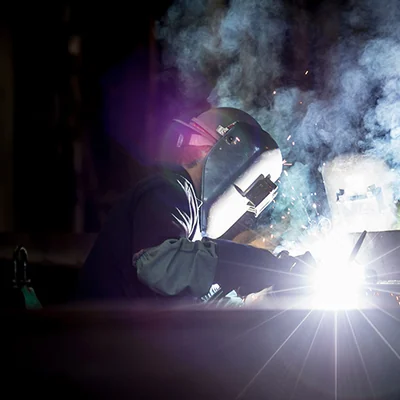
Engineering Note: Painting can make a trailer look complete, but it can also hide whether a structural area was easy to inspect. For export projects, production-stage welding photos are often more useful than a beautiful final paint photo.
3. Verify Dimensions, Alignment, and Visible Straightness
Dimensions should match the confirmed drawing. Buyers should ask the factory to check key dimensions that affect operation, loading, shipping, and registration. The exact items depend on the trailer type, but the principle is the same: confirm the critical dimensions before the trailer leaves the factory.
For flatbed trailers and container chassis, dimension checks may focus on platform length, width, twist lock layout, side beam position, and rear protection. For lowbed trailers, buyers may need to review deck height, ramp arrangement, gooseneck area, loading angle, and machinery loading space. For tank trailers, the buyer may need to confirm tank layout, pipe arrangement, manhole positions, support structure, and agreed accessories.
4. Inspect Painting, Surface Protection, and Repair Marks
Painting quality is not only about color. It affects corrosion protection, appearance, and long-term maintenance. The buyer should check surface smoothness, color consistency, primer coverage, topcoat coverage, edge protection, rust spots, visible scratches, paint runs, and any repaired area.
Buyers should pay special attention to edges, corners, weld areas, underbody positions, suspension brackets, ramp hinges, and areas close to tires or cargo contact points. These positions are easy to overlook in a general final photo, but they often face more wear during real operation.
5. Check Axles, Suspension, Tires, Brakes, Lights, and Wiring
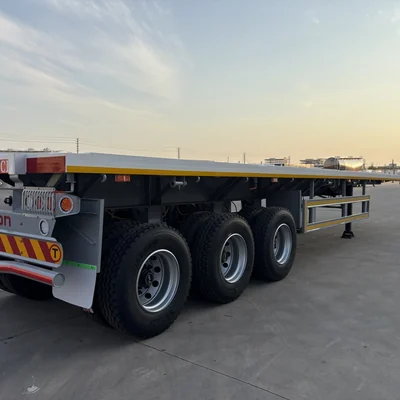
Running gear and safety-related components should be inspected carefully because they affect daily operation after delivery. Confirm that the installed axle, suspension, tire, rim, landing gear, braking system, electrical connector, lamps, valves, and air lines match the agreed configuration.
For remote buyers, photos are useful but not enough. Ask for short videos showing light operation, brake line and air line routing, landing gear operation, ramp movement where applicable, and any special system function. A clear video can reveal loose routing, missing fasteners, difficult movement, or incomplete installation better than a still photo.
6. Review Product-Specific Inspection Points
Different trailer types need different inspection focus. A general checklist is helpful, but it should not replace product-specific judgment. The table below shows examples of what buyers should focus on for common semi trailer categories.
| Trailer Type | Key Pre-Shipment Focus | Buyer Risk if Skipped |
|---|---|---|
| Flatbed trailer | Platform structure, side beams, twist locks, lashing points, rear protection, lights, and paint coverage | Cargo fixing problems, container loading mismatch, or weak export evidence |
| Lowbed trailer | Ramp structure, deck layout, gooseneck area, reinforcement, suspension position, and machinery loading space | Difficult loading, wrong loading angle, or insufficient support for the intended machinery |
| Bulk cement trailer | Tank appearance, piping layout, discharge system arrangement, manholes, valves, support structure, and accessories | Discharge problems, missing accessories, or maintenance inconvenience after delivery |
| Tipper trailer | Body structure, hydraulic system arrangement, hinge area, tailgate, underbody support, and safety locking points | Unstable operation, leakage risk, or missing safety confirmation |
| Container chassis | Twist lock layout, gooseneck structure, rear protection, axle area, lighting, and container compatibility | Container handling problems or mismatch with local transport practice |
7. Confirm Accessories, Spare Parts, Nameplates, and Documents
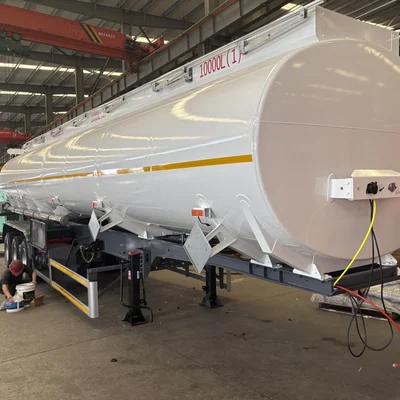
Many shipment problems are not caused by the main trailer body. They are caused by missing spare parts, unclear accessories, incorrect labels, document differences, or packing mistakes. Before shipment, the buyer should ask the supplier to photograph spare parts, tool boxes, spare tire carriers, ladders, hoses, fittings, shipping marks, and any accessories included in the order.
Documents should also be checked before the trailer reaches the port. Common export documents may include commercial invoice, packing list, bill of lading information, certificate of origin if required, and product information requested by the buyer's customs broker or registration team. Requirements differ by destination, so the buyer should confirm local import and registration needs before shipment.
8. Review Loading Photos Before Final Release
Loading inspection is part of quality control because damage can happen after the final workshop inspection. Buyers should request photos showing how the trailer is moved, lifted, protected, packed, and loaded for export. For container loading or special transport, the buyer should check whether key areas are protected from rubbing, impact, and weather exposure.
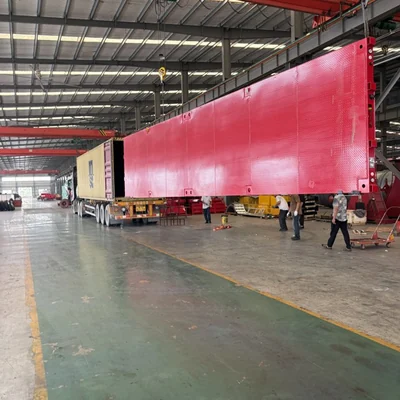
Engineering Note: Loading photos do not prove structural strength, but they do prove handling discipline. For export orders, damage often happens during moving, lifting, packing, or port transfer rather than during normal factory inspection.
Factory Inspection vs Third-Party Inspection: Which Should You Use?
There is no single inspection method that fits every order. The right choice depends on order value, buyer experience, product complexity, destination risk, and whether the buyer has worked with the supplier before.
| Inspection Method | Best Used For | Advantages | Limitations | Buyer Consideration |
|---|---|---|---|---|
| Factory self-inspection | Repeat orders, standard trailers, trusted supplier relationships | Fast, practical, and closely connected to production | Depends on factory discipline and reporting quality | Request structured photos, videos, and a checklist |
| Remote video inspection | Buyers who cannot visit but need direct visibility | Allows real-time questions and detail checking | May miss hidden areas if the call is not organized | Prepare a checklist before the call |
| Third-party inspection | First orders, high-value projects, complex custom trailers | Independent evidence and formal reporting | Inspector still needs the correct drawing and specification | Provide the inspector with the confirmed configuration |
| Buyer factory visit | Long-term cooperation, distributor evaluation, large fleet orders | Best for understanding production capability and communication | Requires travel time and scheduling | Visit during production if possible, not only after completion |
| Loading inspection | Container loading, RO-RO preparation, special packing, or long-distance inland transfer | Confirms handling, packing, and release condition | Does not replace structural and component checks | Use it as the final step, not the only inspection |
Common Buyer Mistakes During Pre-Shipment Inspection
Many buyers know they should inspect the trailer before shipment, but the inspection still fails because the process is too general. The most common mistake is asking, "Please send photos," without specifying what must be shown.
Another mistake is checking only the outside appearance. A clean paint surface and good camera angle can hide missing accessories, wrong component selection, weak routing, incomplete lighting, or an unclear loading plan. Buyers should ask for front, rear, side, top where possible, underbody, component details, accessory photos, nameplate photos where applicable, and loading photos.
A third mistake is approving shipment before document details are checked. If document information does not match the buyer's customs, registration, or financing requirements, the trailer may be physically ready but commercially blocked. The inspection checklist should include both product and export handoff items.
Industry Standards and Best Practices Buyers Should Know
Standards are useful because they help buyers ask better questions, but they should not be used as empty marketing language. ISO 9001 is relevant when discussing quality management because it focuses on controlled processes and records. ISO 3834 is relevant when discussing welding quality systems for metallic materials. ISO 12944 is useful when buyers discuss corrosion protection and paint systems for steel structures.
For destination-market requirements, buyers may also need to consider UNECE or ECE vehicle regulations where applicable, ADR requirements for dangerous goods transport where applicable, and SASO or SABER conformity requirements for Saudi Arabia when the import process requires them. These references do not mean every semi trailer order needs the same approval. They mean the buyer should confirm the applicable destination rules before shipment and avoid unsupported compliance claims.
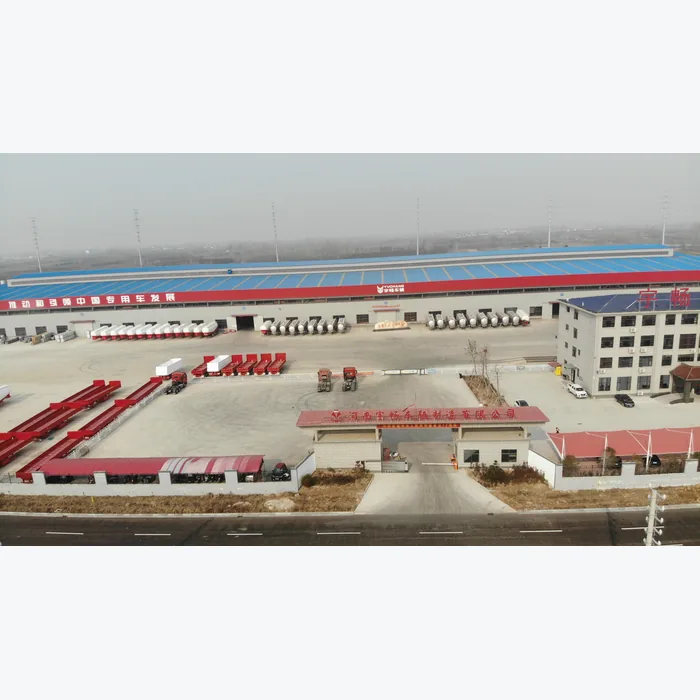
The practical question is not only "Does the supplier mention a standard?" The better question is "What inspection record proves that this trailer order was controlled according to the agreed requirement?" YOUCAN explains its broader inspection workflow on the quality control page, and buyers can also review the factory overview to understand production capability.
Pre-Shipment Inspection Checklist for Buyers
Confirm the final trailer against the signed drawing and configuration list.
Request production-stage photos for welding, structure, and assembly before painting.
Check final dimensions and visible alignment according to the approved drawing.
Inspect paint appearance, edge coverage, repair marks, scratches, and corrosion-prone areas.
Confirm axles, suspension, tires, rims, landing gear, lights, air lines, and brake components.
Request videos for lights, landing gear, ramps, hydraulic movement, or product-specific functions.
Check product-specific systems such as twist locks, tank fittings, ramps, hydraulic parts, or side walls.
Photograph accessories, spare parts, tool boxes, shipping marks, and nameplates if required.
Review commercial invoice, packing list, bill of lading information, and destination documents before shipment.
Approve shipment only after loading photos confirm proper handling and export protection.
Common Buyer Questions Before Approving Shipment
Can I inspect semi trailer quality remotely?
Yes, many buyers inspect remotely using photos, videos, video calls, factory checklists, and third-party inspection reports. Remote inspection works best when the buyer provides a clear checklist instead of asking only for general photos.
Should inspection happen before or after painting?
Both are useful. Welding and structure should be checked before painting when possible. Final appearance, paint finish, components, accessories, and loading should be checked after assembly is complete.
What if the factory sends only polished final photos?
Ask for closer photos and videos of the areas that matter: welds, underbody, suspension brackets, lights, air lines, tires, accessories, product-specific systems, and loading preparation. A reliable factory should understand why buyers need inspection evidence.
Do I need a third-party inspector?
For first orders, high-value trailers, customized products, or unfamiliar suppliers, a third-party inspection can be useful. However, the inspector must receive the correct drawing and configuration list, otherwise the report may check appearance without confirming the real order requirement.
Why YOUCAN Trailer?
YOUCAN Trailer, Henan Yuchang Vehicle Manufacturing Co., Ltd., was established in 1999 and supports international buyers with semi trailer manufacturing, customization, quality control, and export coordination. For buyers, the most useful value is not a slogan. It is the ability to discuss the intended application, confirm a practical specification, manufacture according to agreed requirements, and provide inspection evidence before shipment.
YOUCAN works with buyers who need flatbed trailers, lowbed trailers, tank trailers, tipper trailers, container chassis, bulk cement trailers, and customized semi trailers for different road conditions and cargo tasks. In export projects, the company can help buyers organize photos, videos, configuration confirmation, production-stage evidence, and shipment preparation so the buyer can make a more confident release decision.
Key Takeaways
Pre-shipment inspection should compare the finished trailer with the confirmed drawing and configuration list.
Production-stage photos are important because paint can hide structural and welding details.
Check both product quality and export handoff items such as accessories, spare parts, documents, and loading.
Use videos for lights, landing gear, ramps, hydraulic movement, and other functional checks.
Different trailer types need different inspection focus; do not use one generic checklist for every product.
Third-party inspection is useful for first orders or complex projects, but only if the inspector receives the correct specification.
Loading photos are the final evidence that the inspected trailer was handled correctly before export.
Conclusion
Checking semi trailer quality before shipment is a practical risk-control process. Buyers should not approve shipment based only on a finished product photo or a general promise that the trailer is ready. The inspection should confirm the drawing, structure, welding, paint, components, functions, accessories, documents, and loading condition.
If you are preparing to import semi trailers from China, share your trailer type, cargo, road condition, destination market, and inspection requirements with YOUCAN Trailer before production starts. A clear quality checklist at the beginning makes the pre-shipment approval process much easier at the end.
FAQ
What is the most important thing to check before semi trailer shipment?
The most important thing is whether the finished trailer matches the confirmed drawing and configuration list. Appearance matters, but specification mismatch usually creates bigger problems after delivery.
How many photos should I request before shipment?
There is no fixed number. Request enough photos to cover all sides, underbody areas, components, accessories, product-specific systems, documents where appropriate, and loading preparation. For complex trailers, short videos are often more useful than many similar photos.
Can final inspection find welding problems?
It can find some visible welding or structural problems, but production-stage inspection is better. Welds and reinforcement details are easier to review before primer, paint, and final assembly hide part of the structure.
Should I inspect documents before the trailer ships?
Yes. Document mistakes can delay customs clearance, registration, payment, or delivery. Check invoice, packing list, bill of lading information, certificate requirements, and buyer-specific document needs before shipment.
Is factory self-inspection enough?
Factory self-inspection may be enough for repeat standard orders from a trusted supplier. For first orders, customized trailers, high-value projects, or strict destination requirements, remote video inspection or third-party inspection may be safer.
What should I do if I find a problem before shipment?
Record the problem clearly, request correction photos or videos, and approve shipment only after the issue is solved. For serious specification differences, confirm the correction plan in writing before release.
References
ISO 9001 - Quality management systems
ISO 3834 - Quality requirements for fusion welding of metallic materials
ISO 12944 - Corrosion protection of steel structures by protective paint systems
UNECE / ECE vehicle regulations, where applicable in the destination market
ADR dangerous goods transport requirements, where applicable to specialized tanker operation
SASO / SABER conformity requirements for Saudi Arabia, where applicable to the buyer's import process