 WhatsApp
 sales@youcantrailer.com
 +8615203709888
How to Calculate the Total Cost of Importing Semi Trailers from China in 2026
How to Calculate the Total Cost of Importing Semi Trailers from China?
Quick Answer
The total cost of importing semi trailers from China is not only the trailer price. A buyer should calculate the supplier price under the chosen Incoterm, origin charges not included in that term, ocean freight, marine insurance, destination port charges, customs duty, VAT or GST, customs broker fees, inland delivery, inspection, spare parts, and any project-specific compliance or registration cost. The most reliable method is to build a landed cost sheet before placing the order, using the same trailer specification, same loading port, same destination port, same shipment method, and same currency basis for every supplier. For semi trailers, trailer dimensions, tare weight, axle configuration, accessories, and whether the unit can be shipped assembled or partly disassembled can change the final cost significantly.
Engineering Note: In many export projects, the lowest FOB trailer price does not produce the lowest landed cost. A design that is difficult to ship, unload, register, or maintain can become more expensive after the trailer arrives at the destination port.
What Does Total Import Cost Mean for a Semi Trailer Buyer?
Total import cost, often called landed cost, is the full amount a buyer pays before the semi trailer is ready to work in the destination country. It includes the purchase price, logistics cost, customs cost, taxes, local handling, and practical preparation after delivery. A quotation from a Chinese semi trailer supplier usually covers only part of this chain, depending on whether the price is EXW, FOB, CFR, CIF, or another agreed trade term.
For a small spare part, landed cost may be simple. For a semi trailer, the calculation is more sensitive because the product is large, heavy, and often project-specific. A flatbed trailer, a lowbed trailer, a cement tanker, and a fuel tanker may have similar commercial labels in a quotation, but their shipping volume, port handling, accessories, documentation, and destination compliance requirements can be very different.
Why Buyers Should Calculate Landed Cost Before Comparing Quotations
A semi trailer buyer may receive several quotations that look easy to compare: Supplier A is cheaper than Supplier B. The problem is that the price line may not include the same cost responsibility. One supplier may quote FOB Qingdao, another may quote CIF Dar es Salaam, and a third may quote EXW factory. These prices cannot be compared directly unless the buyer converts them into the same landed cost structure.
The landed cost calculation also protects the buyer from budget gaps after the order is confirmed. Port storage, customs broker fees, local road permits, import duty, VAT, bank charges, insurance, inspection, and spare parts are often outside the factory quotation. If these items are not budgeted early, the trailer may arrive at the port while the buyer is still trying to arrange money, documents, or inland transport.
The Cost Ledger Method: Separate the Trailer, Shipping, Customs, and Operation
A practical landed cost sheet should not put every number into one unclear column. Separate the calculation into four ledgers:
Trailer ledger: trailer price, optional equipment, spare tire, tool box, paint requirement, inspection requirement, and any special engineering change.
Shipping ledger: inland transport in China if not included, port charges, ocean freight, freight surcharge, shipping method, insurance, and shipment schedule risk.
Customs ledger: HS classification, customs value, duty, VAT or GST, customs broker charge, inspection at destination, port storage, and document handling.
Operation ledger: inland delivery from port, registration, local modification if required, first maintenance parts, driver training, and after-sales support reserve.
This structure makes hidden cost visible. It also helps buyers ask better questions before paying a deposit.
Total Cost Formula for Importing Semi Trailers from China
A simple formula for planning is:
Estimated landed cost = supplier price under selected Incoterm + origin charges not included + international freight + insurance + destination port and terminal charges + customs duty + VAT or GST + broker and document fees + inland delivery + inspection and preparation cost + spare parts and contingency reserve.
This formula is a planning tool, not customs advice. Duty and tax calculation depends on the destination country, HS classification, customs valuation method, and local law. Buyers should confirm the final tax basis with a licensed customs broker in the destination country.
| Cost item | What to confirm | Why it affects semi trailer import cost |
|---|---|---|
| Trailer price | Exact specification, options, component brands, drawings | A cheaper price may exclude important components or use a lighter configuration that does not fit the operating condition. |
| Incoterm | EXW, FOB, CFR, CIF, or other agreed term | The term decides which party pays origin handling, freight, insurance, and other logistics items. |
| Ocean freight | Port pair, shipping method, route, validity date | Semi trailers are large cargo; freight can change with size, shipping space, port congestion, and seasonal demand. |
| Customs duty and tax | HS code, customs value, duty rate, VAT or GST basis | Wrong classification or missing documents can delay clearance and change the actual payable amount. |
| Destination handling | Terminal charge, unloading, storage, broker, inland delivery | These costs are often outside the supplier quotation but must be paid before the trailer can enter operation. |
Step 1: Start With the Same Trailer Specification
Before calculating total cost, make sure every supplier is quoting the same trailer. The specification should include model type, dimensions, payload, tare weight when available, axle brand and capacity, suspension type, tire size, brake system, landing gear, king pin, paint system, accessories, and special destination requirements.
If the specification is not fixed, the landed cost calculation becomes unreliable. A buyer may compare a heavy-duty lowbed trailer from one supplier with a lighter design from another and assume the difference is only price. In reality, the two products may have different payload capacity, deck structure, tire quantity, shipping height, and maintenance cost.
Real Configuration Examples Used for Cost Planning
The examples below are taken from YOUCAN configuration documents used for export projects. They are not universal specifications for every order. They show why different trailer types need different cost planning.
| Trailer example | Verified configuration detail | Cost planning impact |
|---|---|---|
| YCH9400TPB 40ft 3 axle flatbed semi-trailer | 12,400 x 2,480 x 1,580 mm; 40,000 kg payload; 3 axles; 12R22.5 tires with spare tire | Good for many general cargo projects, but freight and local delivery should still be calculated by actual dimensions and loading method. |
| YCH9403TDP 3 axle lowbed semi-trailer | 12,050 x 2,600 x 3,400 mm; 9,500 kg tare weight; 50,000 kg payload; 8,000 mm working platform; reinforced mechanical suspension | Height, width, ramps, and heavy-duty frame can affect freight, port handling, and destination road movement. |
| YCH9402GXH 3 axle 28 m3 bulk cement tanker trailer | 9,750 x 2,550 x 3,720 mm; 28 m3 single compartment; 7,500 kg tare weight; BPW 12T axles; air suspension with front axle lift | Air compressor, diesel engine, discharge system, and tanker accessories should be included in both price and inspection planning. |
| YCH9400GYL 46,000L aluminum fuel tanker semi-trailer | 12,650 x 2,550 x 3,630 mm; 7,000 kg tare weight; 46,000L capacity; 6 compartments; aluminum 5182 tank body; air suspension with front axle lift | Compartment design, API valves, emergency valves, calibration, and local fuel transport rules can influence total project cost. |
Engineering Note: A trailer's dimensions may affect freight more than its purchase price suggests. Lowbed trailers, tank trailers, and special project trailers should be checked with actual shipping dimensions before the buyer accepts a quotation as "cheap".
Step 2: Identify the Correct Incoterm
The Incoterm is one of the most important cost control points. It does not describe product quality. It describes cost responsibility and risk transfer between buyer and seller. The same trailer can look much cheaper or more expensive depending on whether the quotation is EXW, FOB, CFR, or CIF.
EXW price
EXW means the buyer takes more responsibility from the factory side. It may look attractive because the supplier price is lower, but the buyer must arrange more origin-side work. For overseas buyers without a China logistics team, EXW can create coordination problems.
FOB price
FOB is commonly used when the buyer has a freight forwarder and wants control over ocean freight. It is useful for comparing suppliers because the seller normally handles export delivery to the loading port, while the buyer compares freight separately.
CFR and CIF prices
CFR includes ocean freight to the named destination port, while CIF also includes insurance according to the agreed term. These terms can be convenient for first-time importers, but the buyer should still ask for the freight validity date, destination port, shipping method, and what is excluded after arrival.
| Buyer situation | Usually suitable cost basis | What to verify | Main risk if ignored |
|---|---|---|---|
| Experienced importer with reliable forwarder | FOB | Loading port, trailer handover point, export documents | Comparing FOB from one supplier with CIF from another |
| First-time buyer without forwarder | CFR or CIF for planning | Freight validity, destination charges excluded, insurance scope | Assuming CIF includes all destination port and customs costs |
| Buyer with China office or agent | EXW or FOB | Factory pickup, export declaration responsibility, inland transport | Underestimating origin coordination and export handling |
| Government or tender project | Term required by tender document | Delivery place, insurance, inspection, document format | Submitting a quotation that does not match the tender cost basis |
Step 3: Calculate Ocean Freight by Trailer Type, Not Only by Quantity
Ocean freight for semi trailers is not calculated like ordinary boxed cargo. A forwarder needs the trailer's length, width, height, weight, and whether the trailer can be shipped assembled, stacked, nested, knocked down, or carried by a special method. The route and port also matter.
A 40ft flatbed trailer may be easier to plan than a high tank trailer or heavy lowbed trailer. A lowbed trailer may need special loading consideration because of ramps, width, and working height. A tanker may require extra protection for valves, manholes, pipelines, painting, and discharge accessories during shipment.
Engineering Note: Shipping method should be discussed before production is fully finalized. Small design choices such as detachable accessories, removable side brackets, protective packaging, or tool box position can reduce damage risk and make shipping preparation smoother.
Step 4: Confirm Insurance, Inspection, and Pre-shipment Evidence
Marine insurance is often a small line compared with the whole trailer order, but it should not be ignored. Buyers should also decide whether they need factory inspection, photo inspection, video inspection, or third-party inspection before shipment.
Inspection cost is not only a quality cost. It is also a cost control measure. If a dimensional issue, missing accessory, paint damage, or document mismatch is found after arrival, repair or replacement can be much more expensive than checking before shipment.
Step 5: Estimate Customs Duty, VAT, and Destination Charges
Customs cost depends on the destination country. The buyer should confirm the HS code, customs value basis, duty rate, VAT or GST rate, broker fee, port terminal charge, document charge, inspection requirement, and inland delivery cost. Some countries may also require product registration, local roadworthiness checks, special permits, or project-specific documentation.
The World Customs Organization Harmonized System is the international basis for commodity classification, but the applied duty rate and tax treatment are decided by the destination country. The WTO Customs Valuation Agreement is also important because it helps explain how customs value may be determined, but the practical calculation should still be confirmed with a local broker.
Step 6: Include Spare Parts, Maintenance, and After-sales Preparation
A landed cost sheet should include practical operating preparation, not only import clearance. For semi trailers, this may include spare tires, brake chambers, air valves, electrical parts, lamps, suspension parts, seals, tools, and maintenance consumables. The exact list depends on trailer type and local spare parts availability.
For example, a cement tanker may need attention to discharge hoses, valves, compressor maintenance items, diesel engine parts, and pipeline seals. A fuel tanker trailer may require local safety checks, calibration confirmation, and suitable replacement parts for valves and manhole accessories. A general cargo flatbed may have simpler spare parts needs, but tire, brake, suspension, and electrical compatibility still matter.
Decision Matrix: Which Cost Strategy Fits Your Import Project?
| Project condition | Recommended strategy | Advantages | Limitations | Buyer considerations |
|---|---|---|---|---|
| Small first order | Ask for FOB and CIF comparison | Shows the difference between product cost and freight-inclusive cost | CIF still excludes many destination costs | Use a local broker to add duty, VAT, and destination port charges. |
| Fleet repeat purchase | Build a standard landed cost template | Improves supplier comparison and budget control | Needs disciplined specification control | Freeze axle, suspension, tire, brake, and paint requirements before quotation. |
| Heavy equipment transport | Calculate freight and permits before finalizing lowbed design | Reduces surprise cost caused by width, height, ramps, and weight | May require more communication with forwarder and local transport company | Confirm unloading method and inland road movement after arrival. |
| Cement or fuel tanker project | Include accessory, inspection, and compliance lines | Protects against missing valves, hoses, calibration, or safety documentation | More documents and checks may be required | Do not compare tank trailers only by tank volume and price. |
| Government or infrastructure project | Use tender-based landed cost calculation | Matches procurement, delivery, and document requirements | Less flexible after tender submission | Confirm Incoterm, inspection requirement, warranty, and delivery deadline early. |
Common Buyer Mistakes When Calculating Semi Trailer Import Cost
Mistake 1: Comparing prices with different Incoterms
FOB, CIF, CFR, and EXW quotations should not be placed in one column without adjustment. Convert them into the same landed cost basis before choosing a supplier.
Mistake 2: Treating ocean freight as a fixed number
Freight can change with route, sailing schedule, available space, fuel surcharge, port congestion, and cargo dimensions. Ask how long the freight quote is valid.
Mistake 3: Forgetting destination port charges
Many buyers assume that CIF means the trailer is paid all the way to their yard. In most cases, destination port, customs, local tax, broker, and inland delivery remain buyer-side costs.
Mistake 4: Ignoring trailer dimensions and shipping preparation
Dimensions affect shipping cost, unloading plan, port handling, and inland movement. This is especially important for lowbed trailers, tank trailers, and customized trailers.
Mistake 5: Excluding spare parts and first maintenance items
A trailer that arrives without suitable spare parts may cost more during the first months of operation. Spare parts planning should be part of the total project budget.
Buyer Checklist: Information Needed for an Accurate Total Cost Estimate
Trailer type, model, main dimensions, tare weight, payload, and axle configuration.
Final specification sheet with component brands and optional equipment.
Quotation Incoterm, loading port, destination port, and currency.
Shipping method, freight validity date, estimated sailing schedule, and insurance arrangement.
HS code confirmation and destination customs duty, VAT, or GST basis from a local broker.
Destination port charges, broker fee, inspection fee, and local registration or permit cost.
Inland delivery distance from port to final working site.
Spare parts list, first maintenance plan, and after-sales support arrangement.
Pre-shipment inspection photos, loading photos, packing list, invoice, bill of lading, and certificate documents when required.
How YOUCAN Helps Buyers Control Import Cost Before Shipment
YOUCAN Trailer, operated by Henan Yuchang Vehicle Manufacturing Co., Ltd., has manufactured semi trailers since 1999. In export projects, cost control starts before the quotation is issued. The sales engineer needs to understand the buyer's cargo, operating country, route, loading method, tractor compatibility, expected payload, and import process.
Specification confirmation before quotation
YOUCAN reviews the trailer type and configuration before giving a final quotation. For example, a buyer considering a bulk cement trailer needs to confirm volume, tank material, air compressor, diesel engine, discharge port, suspension, axle, tire, and destination unloading conditions. A buyer considering a fuel tanker should confirm compartment design, valve system, local safety requirements, and documentation needs.
Export preparation before delivery
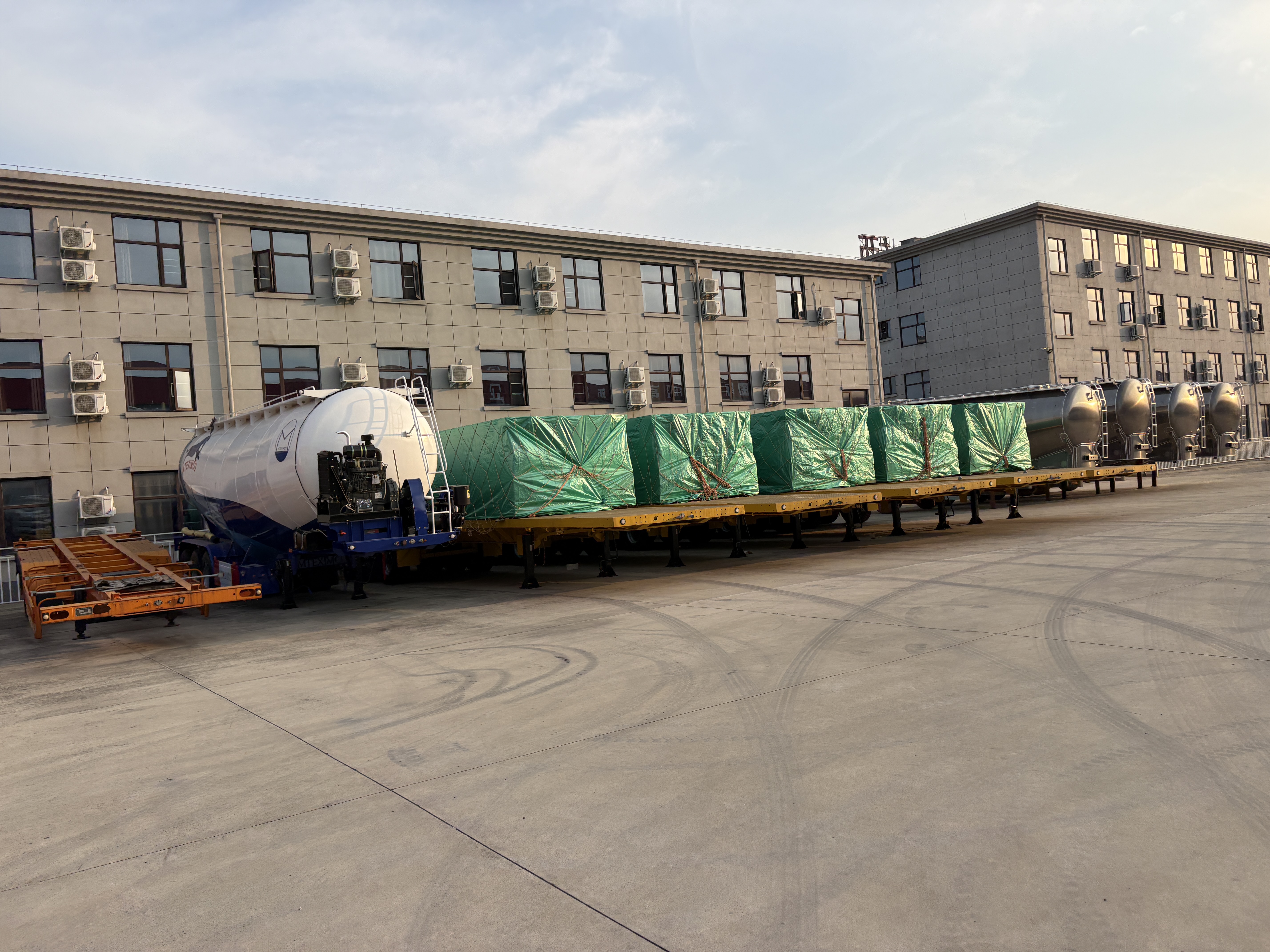
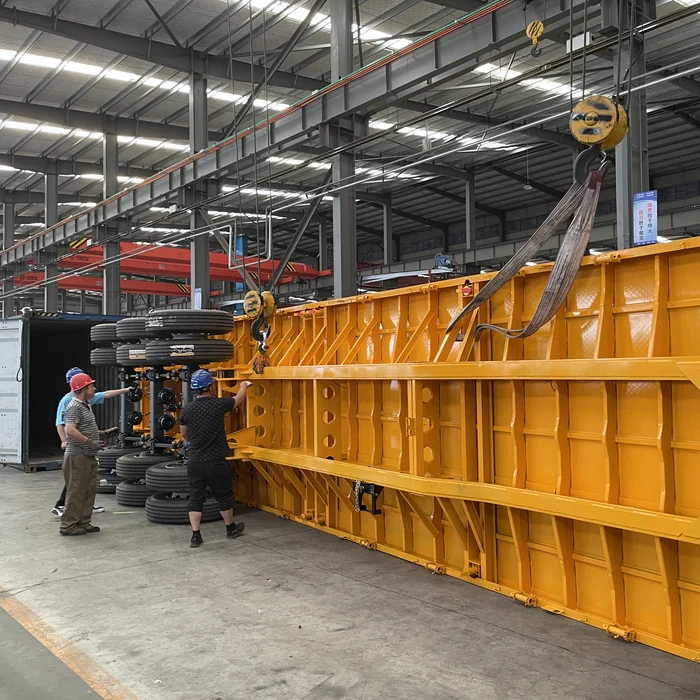
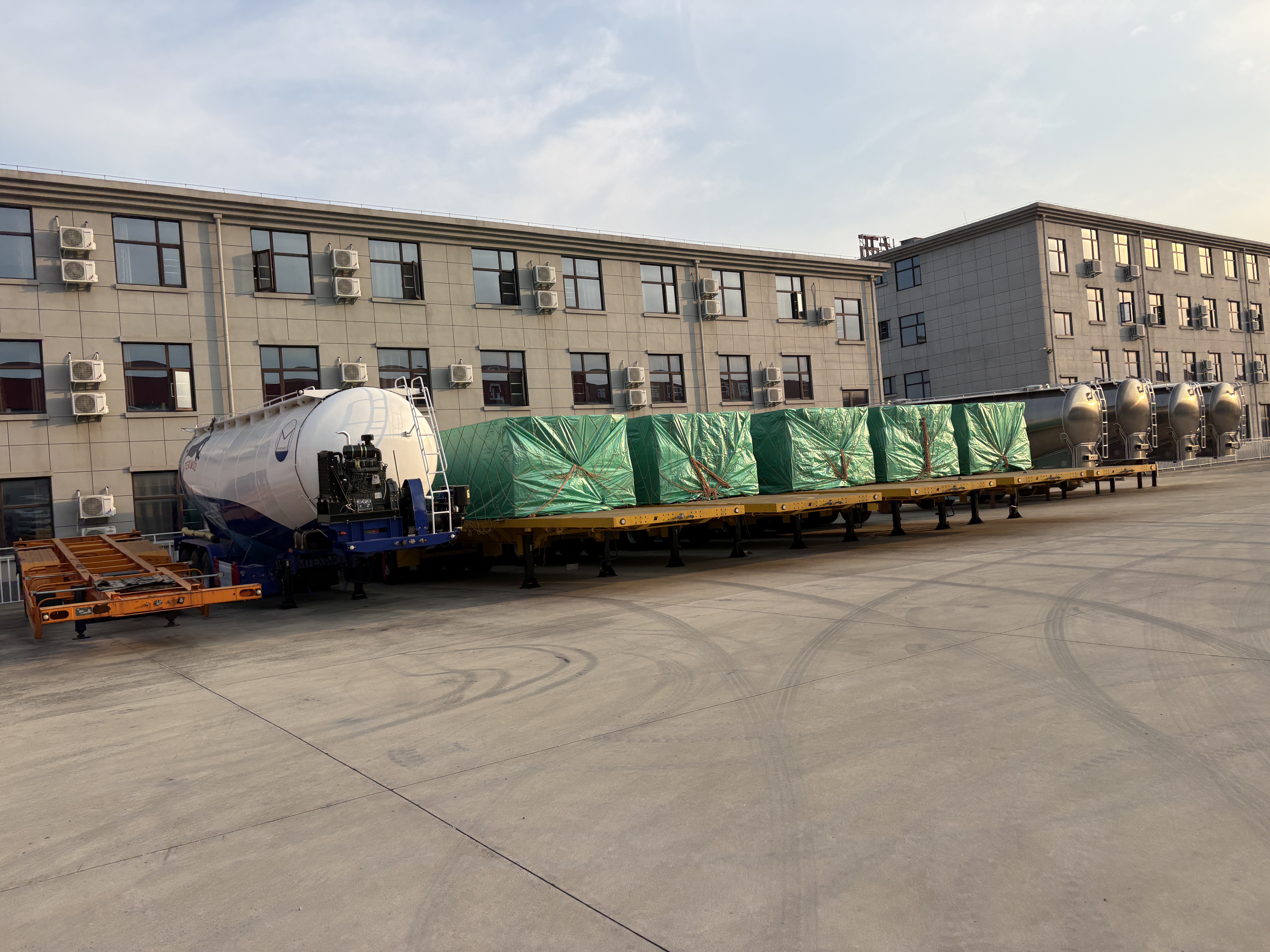
Before shipment, export preparation may include finished trailer inspection, accessory checking, paint and wax protection, document review, shipping coordination, and loading photos. These steps do not remove every import cost, but they reduce avoidable cost caused by missing details.
Cost communication with practical evidence
For overseas buyers, clear evidence is better than broad promises. Photos, configuration sheets, component confirmation, and inspection records help the buyer communicate with the forwarder, customs broker, financing team, and end user.

Industry Standards and Official References Buyers Should Understand
Several international organizations provide useful references for import cost planning. The ICC Incoterms 2020 rules help buyers and sellers understand trade term responsibilities. The World Customs Organization Harmonized System helps classify traded goods. The WTO Customs Valuation framework is relevant when customs authorities determine the value of imported goods. UNCTAD maritime transport publications help buyers understand that freight and shipping markets can change with global logistics conditions.
These references do not replace local customs advice. They help buyers ask better questions and avoid relying only on a supplier's trailer price.
Key Takeaways
Total import cost is the full landed cost before the trailer is ready to work, not only the factory price.
Always compare quotations under the same Incoterm, port, specification, currency, and validity date.
Trailer dimensions, weight, accessories, and shipment preparation can change ocean freight and destination handling cost.
Customs duty, VAT or GST, broker fees, and port charges should be confirmed by a local broker before ordering.
Lowbed trailers, tank trailers, and customized trailers need more careful cost planning than simple general cargo trailers.
Spare parts, inspection, and first maintenance items should be included in the project budget.
A clear landed cost sheet reduces purchasing risk and helps buyers compare Chinese semi trailer suppliers fairly.
Conclusion
Calculating the total cost of importing semi trailers from China requires more than adding ocean freight to a trailer quotation. A reliable calculation starts with a fixed specification, a clear Incoterm, verified shipping dimensions, destination customs advice, and a complete list of local charges. The buyer should also budget for inspection, spare parts, inland delivery, and operating preparation after arrival.
If you are planning to import flatbed trailers, lowbed trailers, tank trailers, or customized semi trailers, YOUCAN can help review the specification and provide the information needed for a practical landed cost discussion with your forwarder and customs broker.
FAQ
What is the total cost of importing a semi trailer from China?
It is the supplier price plus logistics, insurance, destination port charges, customs duty, VAT or GST, broker fees, inland delivery, inspection, spare parts, and any local preparation cost before operation.
Is CIF the same as total landed cost?
No. CIF normally includes cost, insurance, and freight to the named destination port, but it usually does not include destination port charges, customs duty, VAT, broker fees, or inland delivery.
Why do two semi trailer suppliers have very different prices?
The difference may come from specification, steel structure, axle and suspension brands, tires, paint system, accessories, inspection scope, Incoterm, and what logistics cost is included.
Should I ask for FOB or CIF when importing semi trailers?
FOB is useful if you have a reliable forwarder. CIF can help first-time buyers estimate freight-inclusive cost, but destination charges and taxes still need local confirmation.
Do trailer dimensions affect shipping cost?
Yes. Length, width, height, tare weight, loading method, and whether accessories can be removed or protected can affect ocean freight, port handling, and inland delivery cost.
Who can confirm import duty and VAT?
A licensed customs broker or local import agent in the destination country should confirm the HS code, customs value basis, duty rate, VAT or GST rate, and required documents.
What documents should I prepare for import cost calculation?
Prepare the quotation, Incoterm, commercial invoice, packing list, specification sheet, trailer drawings or dimensions, bill of lading details when available, insurance information, and any certificates required by the destination country.
How can I reduce unexpected import cost?
Use a landed cost sheet, freeze the specification before quotation, compare the same Incoterm, verify shipping dimensions, confirm local taxes early, and request pre-shipment inspection and loading evidence.