 WhatsApp
 sales@youcantrailer.com
 +8615203709888
How to Avoid Common Mistakes When Buying Semi Trailers from China in 2026
How to Avoid Common Mistakes When Buying Semi Trailers from China in 2026
Quick Answer
The best way to avoid mistakes when buying semi trailers from China is to define your real operating conditions before asking for a price, verify the factory behind the quotation, confirm the technical configuration in writing, inspect production quality before shipment, and calculate the total landed cost instead of only comparing FOB prices. Most costly purchasing problems start from unclear specifications, weak supplier verification, or skipped inspection steps.
For overseas buyers, a reliable order is built before the trailer enters production. A good quotation should explain the trailer application, loading condition, road environment, material choices, axle and suspension plan, painting requirements, spare parts support, delivery terms, and inspection method. If these items are vague, the lowest price often becomes the most expensive option after delivery.
What Are the Common Mistakes When Buying Semi Trailers from China?
Buying a semi trailer from China is not simply a product purchase. It is an engineering, manufacturing, inspection, export, and logistics process. The buyer is choosing not only a trailer type, but also a supplier's ability to translate operating conditions into a safe and practical specification.
Common mistakes include choosing a supplier only by price, copying a standard configuration without checking the local road condition, ignoring production photos, accepting unclear drawings, using incomplete contracts, and arranging inspection only after the trailer is already finished. These mistakes are common because many buyers search for a semi trailer supplier with an urgent project in mind, then compare quotations before the technical requirements are fully clear.
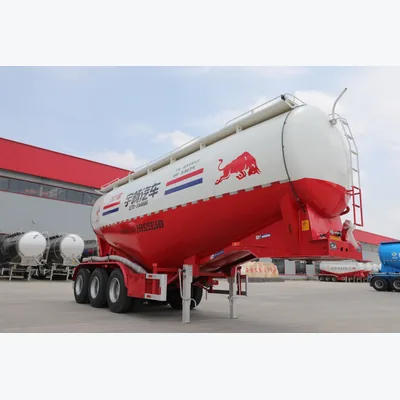
The risk is higher when the buyer needs a customized flatbed trailer, lowbed trailer, bulk cement trailer, fuel tanker, tipper trailer, sidewall trailer, or container chassis. Each product has different structural, loading, suspension, painting, and export documentation requirements. A mistake that looks small on paper can become a serious problem after the trailer arrives at the destination port.
Why These Mistakes Matter for International Buyers
The purchase price is only one part of the real cost of a semi trailer. Poor configuration, weak welding quality, wrong spare parts selection, poor surface treatment, late delivery, and missing documents can all increase the final cost. In many export projects, the buyer discovers the real problem only when the trailer enters daily operation.
For example, a trailer that looks acceptable in factory photos may still be unsuitable for rough mining roads, high-temperature desert routes, long-distance port transport, or cement plant operation. A lowbed trailer may need a different ramp structure or suspension choice depending on the machinery being loaded. A bulk cement trailer may require careful confirmation of discharge efficiency, tank structure, air piping layout, and local maintenance support. A flatbed trailer may look simple, but twist resistance, side beam design, twist locks, and lashing points can affect long-term performance.
Engineering Note: Many purchasing mistakes happen because the quotation describes the trailer type, but not the working environment. A "standard trailer" is not a standard solution if the road, cargo, climate, loading method, and spare parts supply are different from the supplier's usual market.
Common Buyer Mistakes and Better Decisions
The table below summarizes practical mistakes we often see in export trailer purchasing and the safer decision a buyer can make before production starts.
| Common Mistake | Possible Risk | Better Buying Decision |
|---|---|---|
| Comparing only the lowest FOB price | Hidden cost in configuration, spare parts, painting, packing, documents, and inland transport | Compare total landed cost, technical value, warranty scope, and inspection evidence |
| Using a vague trailer specification | Wrong axle, suspension, tire, steel, tank, ramp, or body structure may be supplied | Confirm drawings, configuration list, application, loading condition, and destination market |
| Ignoring factory verification | The trader or assembler may not control engineering, production, or quality inspection | Verify factory photos, videos, production capacity, export cases, and business documents |
| Skipping production-stage inspection | Defects may be hidden after painting or hard to correct before shipment | Request welding, assembly, painting, and pre-shipment inspection photos at key stages |
| Copying another market's configuration | Trailer may not match local road conditions, loading habits, regulations, or spare parts supply | Adapt the configuration for real cargo, route, maintenance capability, and legal requirements |
Mistake 1: Choosing a Supplier Only by Price
Price comparison is necessary, but it should not be the first filter. A very low price may be caused by lighter steel structure, simplified painting, lower-grade parts, unclear warranty, missing accessories, or a quotation that excludes necessary export work. The buyer may think two quotations describe the same trailer, when they actually describe two different products.
A more useful approach is to compare the quotation line by line. Check whether the supplier clearly states the trailer model, application, axle and suspension plan, tire and rim plan, braking system, landing gear, electrical system, painting process, spare parts, tool box, twist lock or lashing arrangement, hydraulic system if applicable, and shipping method. If one quotation is lower, ask which configuration items are different.
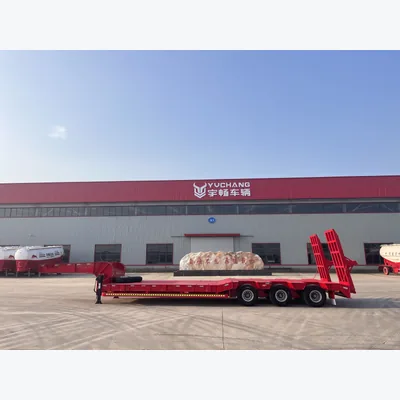
Buyers who need flatbed trailers should pay attention to main beam design, platform structure, twist lock layout, side beam strength, and loading method. Buyers who need lowbed trailers should compare the deck height, ramp structure, suspension plan, loading angle, and reinforcement design according to the machinery being transported. The cheapest quotation is not always wrong, but it must be technically explainable.
Mistake 2: Not Defining the Real Working Conditions
A semi trailer should be designed around actual use, not only around catalog photos. Before confirming the order, the buyer should describe the cargo type, normal loading weight, loading frequency, road condition, transport distance, climate, port or border requirements, and maintenance conditions. If the supplier does not ask these questions, the quotation may be too generic.
In many export projects, buyers say they need a "heavy duty" trailer. But heavy duty can mean different things: rough mining roads, overweight short-distance transport, frequent container loading, hot-climate cement delivery, construction machinery transport, or long-distance highway logistics. Each situation may require a different engineering decision.
Engineering Note: The right configuration is often decided by the weakest condition, not the average condition. One difficult mine road, steep loading ramp, corrosive coastal route, or overloaded return trip can create more stress than normal highway operation.
Mistake 3: Accepting Unclear Drawings and Configuration Lists
A clear configuration list protects both buyer and manufacturer. It should not only state the product name. It should describe the structure, main materials, components, surface treatment, optional accessories, and inspection requirements in a way that can be checked before shipment.
Do not rely only on photos from previous projects. Photos help buyers understand appearance, but they cannot replace engineering confirmation. For custom semi trailers, request a drawing or technical layout before production. Check the dimension logic, axle position, landing gear position, ramp design, tank layout, box body structure, lashing arrangement, and accessories. If you do not understand one item, ask the supplier to explain its purpose.
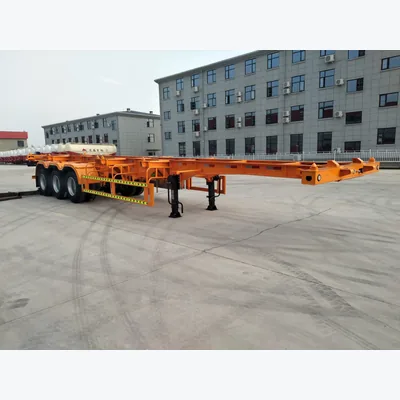
For example, a container chassis may look simple, but twist lock position, gooseneck structure, rear protection, lighting layout, and local container handling habits still matter. A buyer should not assume that all container chassis are interchangeable just because they carry the same container length.
Mistake 4: Verifying the Supplier Too Late
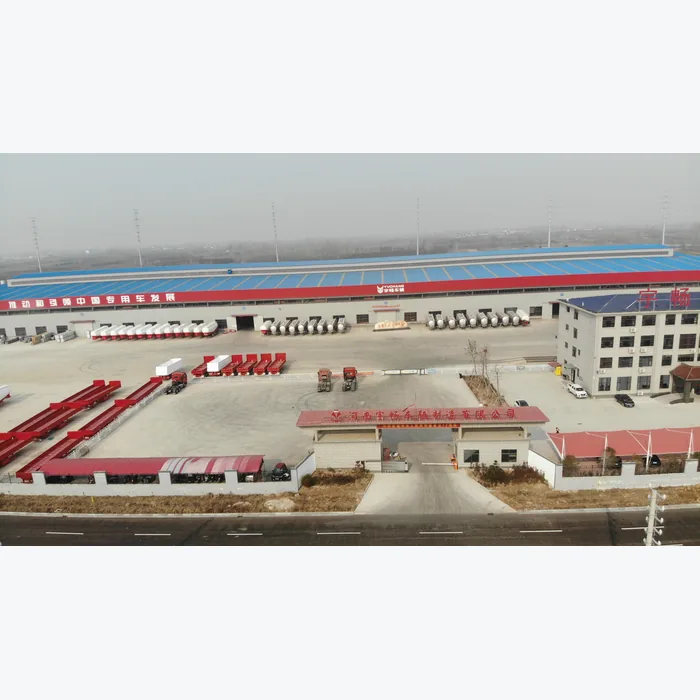
Supplier verification should happen before deposit payment, not after production problems appear. A serious buyer should confirm whether the company can provide factory information, business registration, export experience, production photos, testing records, and project references. If possible, request a video meeting from the factory area, production line, or finished trailer yard.
A trading company can still be useful if it is technically strong and transparent about the factory. The danger is not the business model itself. The danger is when the seller cannot explain engineering decisions, cannot control production, cannot provide inspection evidence, or cannot respond when a technical issue appears.
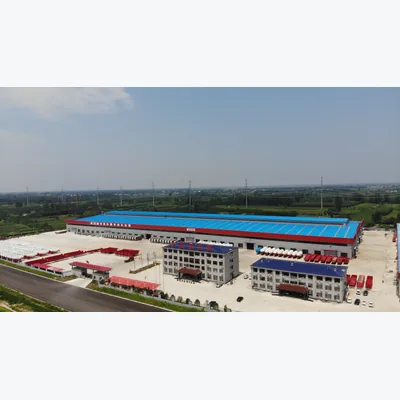
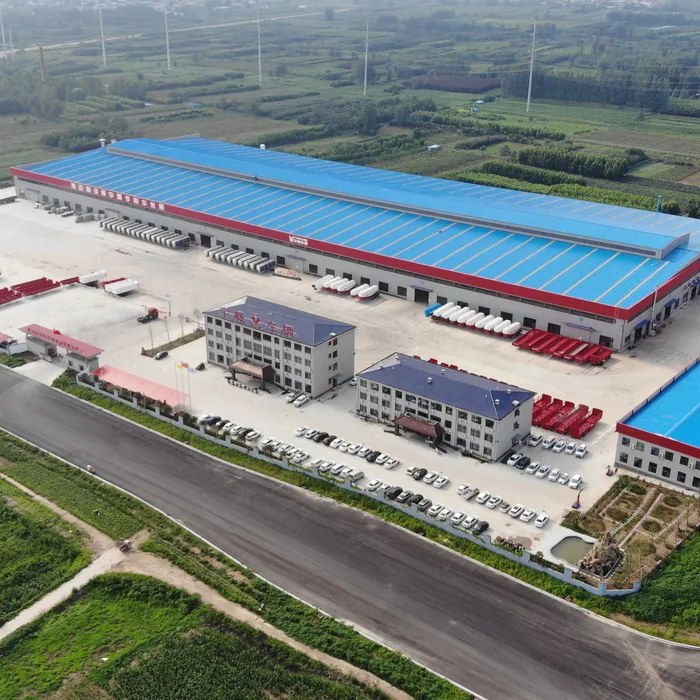
Before selecting a Chinese trailer factory, review its production capability, welding and assembly workflow, painting process, quality records, and export project experience. Pages such as factory overview and production process information can help buyers understand whether the supplier has a real manufacturing base behind the quotation.
Mistake 5: Inspecting Only After Painting
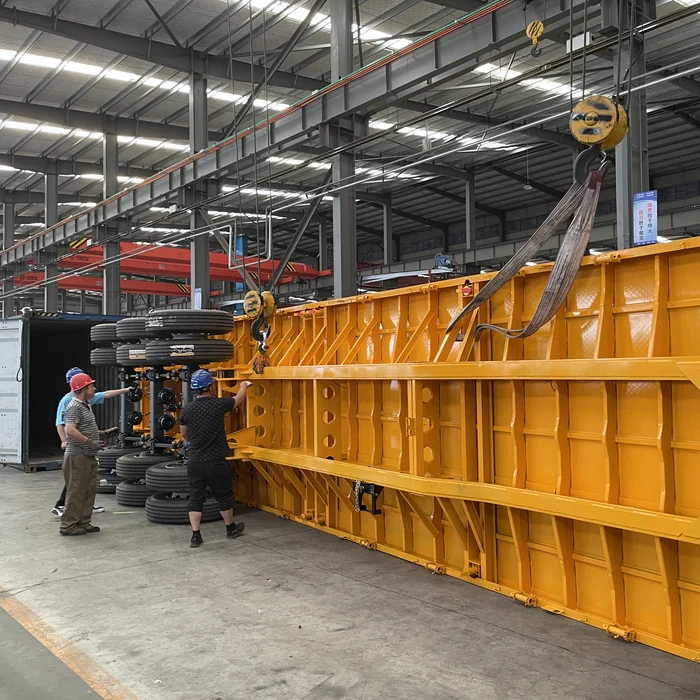
Final inspection is important, but it should not be the only quality control step. Some issues are easier to see before painting: welding appearance, beam assembly, reinforcement layout, tank seams, chassis straightness, and component installation. After primer and topcoat, many details are harder for overseas buyers to judge from photos.
A better inspection plan includes several check points: raw material and main beam preparation, welding and assembly, surface preparation, primer and paint, component installation, functional test, final appearance check, and loading before shipment. The buyer does not need to stand in the workshop every day, but should request photos or videos from key stages.
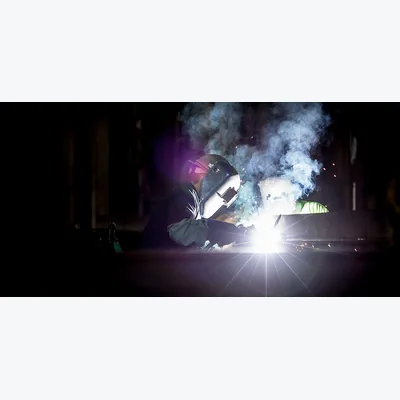
Engineering Note: Painting quality is not only about color. Surface preparation, primer coverage, coating thickness, drying time, and edge coverage affect corrosion resistance. A trailer used near the coast, in mining, or in fertilizer and cement environments needs more attention to anti-corrosion details.
Mistake 6: Ignoring Spare Parts and Maintenance Compatibility
Many buyers compare axle brands, tire brands, or suspension types, but overlook local spare parts availability. A component can be good in one market and inconvenient in another if maintenance teams cannot get parts quickly. This is especially important for fleet owners, mining operators, cement companies, and distributors who manage multiple trailers.
Before ordering, ask whether the axle, suspension, brake chamber, landing gear, valve, electrical connector, tire size, rim type, and wearing parts are common in your destination market. If the buyer already has existing trailers, it may be better to keep some parts consistent across the fleet. This reduces downtime and simplifies workshop inventory.
Mistake 7: Not Calculating Total Import Cost
A good buying decision should include the trailer price, inland transport in China, sea freight or land transport, insurance, port charges, customs duty, tax, inspection cost, local registration, possible modification, and spare parts. The lowest factory quotation may not result in the lowest delivered cost.
Buyers should also confirm packing, loading method, shipping dimensions, container or RO-RO suitability, disassembly plan if needed, and whether the supplier can provide the documents required for customs clearance. A trailer that saves a small amount during production but causes delays at the port may create a larger loss.
Decision Matrix: How to Make the Safer Buying Choice
| Buying Situation | Recommended Choice | Why It Helps | Buyer Consideration |
|---|---|---|---|
| First order from a new supplier | Choose a factory that can provide clear drawings, production photos, and staged inspection | Reduces risk before large repeat orders | Start with a controlled specification and inspect carefully |
| Rough-road or construction use | Prioritize structure, suspension suitability, welding quality, and spare parts support | Improves durability under harsh conditions | Do not use a pure highway configuration without adaptation |
| Cement, fuel, or tank trailer purchase | Confirm tank design, piping layout, discharge or loading system, and safety requirements | Prevents operational problems after delivery | Check local regulations and maintenance capability |
| Fleet or distributor purchase | Standardize key components where practical | Reduces spare parts complexity and downtime | Balance brand preference with local availability |
| Price-sensitive project | Reduce cost through suitable design, not hidden quality cuts | Keeps the trailer fit for purpose | Ask what changes if the supplier lowers the price |
Industry Standards and Best Practices Buyers Should Know
International trailer buyers should understand standards as risk-control tools. Standards do not replace supplier verification, but they help buyers ask better questions and avoid unsupported claims.
ISO 9001 is relevant when discussing quality management systems because it focuses on process control, records, and continual improvement. ISO 3834 is useful when discussing welding quality requirements for metallic materials. ISO 12944 is relevant when buyers care about corrosion protection and paint systems for steel structures. For destination markets, buyers may also need to consider local vehicle rules, customs requirements, and conformity systems such as UNECE/ECE regulations in markets that apply them or SASO/SABER requirements for Saudi Arabia when applicable.
The key point is simple: do not ask only, "Do you have certificates?" Ask how the supplier controls the process behind the certificate. A buyer should request inspection records, production photos, and quality control evidence that match the actual trailer order. YOUCAN explains more about its inspection workflow on the quality control page.
Pre-Order Checklist for Buying Semi Trailers from China
| Check Item | What to Confirm | Why It Matters |
|---|---|---|
| Application | Cargo, road condition, loading method, climate, route, and work intensity | Ensures the trailer is designed for the real job |
| Supplier | Factory capability, export experience, technical communication, and project evidence | Reduces risk from weak production control |
| Specification | Drawing, structure, components, painting, accessories, and spare parts | Prevents quotation misunderstandings |
| Inspection | Welding, assembly, painting, function test, final photos, and loading photos | Finds issues before shipment |
| Commercial Terms | Payment, delivery time, warranty, shipping method, documents, and after-sales support | Protects the buyer after production starts |
Common Buyer Questions Before Ordering
How can I know whether the quotation is complete?
A complete quotation should include product application, technical configuration, main components, optional items, delivery time, payment terms, warranty scope, shipping method, and required documents. If important items are missing, ask the supplier to revise the quotation before comparison.
Should I buy from a factory or a trading company?
The key is transparency and technical control. A factory should be able to explain engineering and production details directly. A trading company should clearly identify how it controls factory production, inspection, and after-sales communication. Avoid any supplier that cannot explain the technical configuration.
What should I inspect before shipment?
Check the trailer appearance, dimensions, welding, paint, chassis straightness, component installation, electrical system, braking system, accessories, nameplates if required, spare parts, and loading photos. For customized trailers, compare the finished unit with the confirmed drawing and configuration list.
How do I avoid wrong specifications?
Do not approve production from a product photo alone. Provide cargo and road information, request a drawing, confirm the configuration list, and ask the supplier to explain why each major design choice fits your application.
Why YOUCAN Trailer?
YOUCAN Trailer, Henan Yuchang Vehicle Manufacturing Co., Ltd., was established in 1999 and serves international B2B buyers with semi trailer manufacturing and export support. The most useful value for buyers is not a slogan. It is the ability to discuss real operating conditions, prepare a suitable configuration, manufacture according to confirmed requirements, and provide inspection evidence before shipment.
For buyers comparing suppliers from China, YOUCAN can support product selection across flatbed trailers, lowbed trailers, tank trailers, tipper trailers, general cargo semi trailers, bulk cement trailers, container chassis, and related trailer parts. The company also works with customized trailer projects where engineering communication, drawings, production records, and export experience are important.
Key Takeaways
Do not choose a semi trailer supplier only by the lowest FOB price.
Define cargo, road condition, loading method, climate, and maintenance capability before requesting a quotation.
Confirm the drawing and configuration list before deposit payment and production.
Verify the factory, export experience, production workflow, and quality control evidence.
Inspect welding, assembly, painting, final appearance, and loading before shipment.
Check local spare parts availability before selecting axles, suspension, tires, valves, and other components.
Calculate total landed cost instead of judging only the trailer unit price.
Use standards and certificates as supporting evidence, but always ask how the supplier controls the actual order.
Conclusion
Avoiding mistakes when buying semi trailers from China is mostly about preparation. The buyer should understand the working conditions, verify the supplier, confirm a technical configuration, inspect production quality, and control the commercial and export details before shipment. When these steps are done well, the trailer purchase becomes easier to manage and the risk of unexpected cost is much lower.
If you are planning to buy flatbed trailers, lowbed trailers, tank trailers, bulk cement trailers, tipper trailers, or customized semi trailers from China, you can discuss your cargo, road condition, and project requirements with YOUCAN Trailer before production. A clear technical discussion at the beginning is usually the best way to prevent expensive problems later.
FAQ
What is the biggest mistake when buying semi trailers from China?
The biggest mistake is comparing price before confirming the real specification. Two trailers with the same name can have different structure, components, painting quality, accessories, and after-sales support.
How can I verify a Chinese semi trailer manufacturer?
Request factory information, business documents, production photos, export cases, quality control records, and a video meeting if possible. A reliable manufacturer should be able to explain its production process and engineering decisions clearly.
Should I request a drawing before production?
Yes. For most semi trailer orders, especially customized trailers, a drawing or technical layout helps confirm dimensions, structure, axle position, accessories, and loading logic before production starts.
Is the lowest trailer price always risky?
Not always, but it must be explained. Ask what configuration, material, component, painting, warranty, or shipping item is different. If the supplier cannot explain the price difference, the risk is higher.
When should I inspect the trailer?
Inspection should happen during production and before shipment. Welding and assembly details are easier to check before painting, while final inspection confirms appearance, accessories, documents, and loading condition.
What documents should I confirm before shipment?
Common documents may include commercial invoice, packing list, bill of lading, certificate of origin, product information, and any destination-market documents required by the buyer's customs or registration process.
References
ISO 9001 - Quality management systems
ISO 3834 - Quality requirements for fusion welding of metallic materials
ISO 12944 - Corrosion protection of steel structures by protective paint systems
UNECE / ECE vehicle regulations, where applicable in the destination market
SASO / SABER conformity requirements for Saudi Arabia, where applicable to the buyer's import process