How to Choose the Right Flatbed Semi Trailer?
A Flatbed Semi Trailer is one of the most versatile pieces of equipment a fleet can own, but that versatility also makes the buying decision more complicated than it looks. Two trailers with similar dimensions and price tags can behave very differently after a year of daily operation. YOUCAN Trailer will guide you through the practical factors that separate a trailer that fits your workload from one that becomes a maintenance burden.
What Is a Flatbed Semi Trailer?
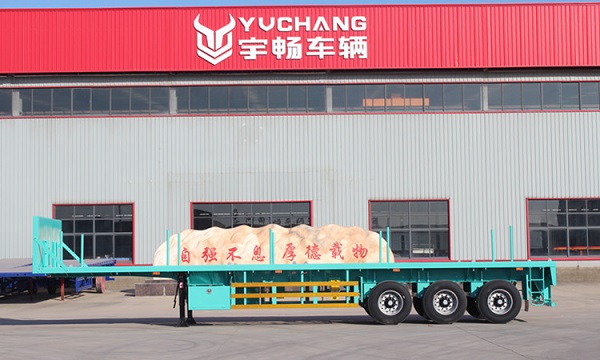
A flatbed semi trailer is a heavy-duty trailer with a flat, open deck and no enclosing walls or roof. The design allows cargo to be loaded from above with a crane, from the side with a forklift, or from the rear. Flatbed trailers handle steel coils, building materials, machinery, timber, and—when fitted with twist locks—standard shipping containers. The absence of a cargo box means the trailer relies on its frame and deck to support the load, and on chains, straps, or binders to secure it.
How Does a Flatbed Semi Trailer Work?
The trailer connects to a tractor through a kingpin and fifth wheel. Once at the loading point, cargo is placed on the deck and secured with restraints attached to lashing points along the frame. For container transport, twist locks at designated positions lock into the container's corner castings. Because there are no walls or roof, loading and unloading are unrestricted from any direction—but the cargo is fully exposed to weather, road debris, and theft, which makes securement discipline critical.

Key Factors to Consider Before Buying
Axle Configuration and Legal Load Limits
The number of axles affects both payload capacity and legal compliance. A 3-axle flatbed semi trailer is the most common configuration, typically handling 40 to 50 tons and covering most steel, equipment, and construction material hauls. For routine loads above 60 tons, a 4-axle configuration provides additional load margin and safety, while a 5-axle setup is a more rational investment for consistent heavy hauling.
However, total capacity is not the only number that matters. Check the per-axle weight limit at your destination. If local regulations cap axle loads at 12 tons, a 3-axle trailer legally carries only slightly more than 36 tons—regardless of what the trailer is rated to handle. Overload fines can erase the profit from multiple trips.
Suspension Choice: Air vs. Mechanical
Air suspension offers a smoother ride and better protection for sensitive or high-value cargo. The practical drawback is maintenance: repairing a leaking airbag or a stuck leveling valve requires specialized tools and trained technicians. In regions with limited repair resources, a failed airbag can keep a trailer out of service for days.
Mechanical leaf spring suspension is simpler, more durable, and easier to repair. Most workshops can replace a broken leaf without waiting for special parts. For heavy configurations and routes with uncertain service support, mechanical suspension is often the more practical choice.
Deck Material: Steel, Aluminum, or Combination
Steel decks are built for maximum durability and load-bearing capability. They resist bending under concentrated loads and suit heavy machinery, rough materials, and frequent loading with cranes or forklifts. The trade-off is weight: a steel trailer reduces available payload within gross weight limits.
Aluminum decks save weight—often 1,500 pounds or more compared to steel—which allows more cargo per trip or better fuel efficiency on long hauls. Aluminum also resists rust, though it is prone to corrosion and cracking in certain conditions. Under load, aluminum decks flex more than steel, which can complicate loading some cargo types.
Combination trailers use steel main beams for structural strength and aluminum crossmembers or flooring for weight savings. They balance durability and payload capacity for mixed freight operations.
Container Capability
If your operation occasionally moves containers alongside general freight, confirm that the trailer's twist lock positions are designed for the container sizes you handle. A Flatbed Trailer intended for both 20ft and 40ft containers needs twist locks at the correct positions for both—not just a deck that happens to be long enough. Improperly positioned locks can make a container impossible to secure or load safely. If your fleet is dedicated entirely to containers, you may be better off with a purpose-built container chassis instead.
Route and Length Considerations
Overall trailer length affects maneuverability and regulatory compliance. In regions with strict limits on total vehicle length, a 12.5-meter 3-axle flatbed meets many regulatory requirements while offering a tighter turning radius than a standard 13-meter unit—a meaningful advantage on routes with tight corners or narrow roads.
Frame and Weld Quality
The frame is not the place to save cost. Inspect the main beam design, reinforcement around the gooseneck and rear sections, and weld quality at stress concentration points. Flatbeds absorb repeated impact from cranes, forklifts, and imperfect loading practices. An underbuilt frame may deform gradually, creating maintenance problems that affect resale value and operating schedules.
Advantages of a Flatbed Semi Trailer
Cargo versatility: Handles steel, timber, machinery, building materials, and containers with the right fittings.
Unrestricted loading: Open sides and top allow crane, forklift, or rear loading without obstruction.
Revenue flexibility: Can earn on mixed freight rather than being limited to a single cargo type.
Simplified securement inspection: Open deck makes load restraints visible and easy to verify.
Container-capable: Twist locks can be added for standard container transport alongside general freight.

Application of Flatbed Semi Trailers
Construction and building materials. Steel beams, rebar, cement products, and prefabricated components load directly onto the deck and secure with chains or straps.
Heavy machinery and equipment. Excavators, generators, and industrial equipment are driven or lifted onto the flatbed and chained down for transport.
Steel and metal products. Coils, plates, pipes, and bundled sections require a flat, strong deck and reliable lashing points—both of which flatbed trailers provide.
Mixed freight with occasional containers. Fleets that move general cargo most of the week but need container capability for specific jobs can use a flatbed with properly positioned twist locks.
Main Types of Flatbed Semi Trailers
| Type | Best For | Key Consideration |
|---|---|---|
| Standard 3-Axle | Most general freight, steel, equipment | 40–50 ton capacity; most common and versatile configuration |
| 4-Axle / 5-Axle | Consistent heavy loads above 60 tons | Additional load margin and safety; higher acquisition cost |
| Interlink (Superlink) | 20ft + 40ft container combinations, mixed cargo | Tandem and balanced construction distributes axle loads; more complex maintenance |
| 12.5m 3-Axle | Routes with strict length limits | Meets regulatory limits; better maneuverability than 13m units |
| Steel Deck | Heavy machinery, rough loading | Maximum durability; higher tare weight reduces payload |
| Aluminum Deck | Long-haul, weight-sensitive cargo | Lighter tare weight; flexes more under load; higher initial cost |
| Combination Deck | Mixed freight requiring balance | Steel beams with aluminum components; balances strength and weight |
Key specifications to confirm before ordering:
Axle count and per-axle load rating: matched to legal limits at your operating locations
Suspension type: air for cargo protection, mechanical for simpler maintenance
Deck material: steel, aluminum, or combination based on cargo type and weight priorities
Twist lock positions: confirmed for the container sizes you actually handle
Overall length: checked against route and regulatory restrictions
Supplier of Flatbed Semi Trailers
Choosing a supplier who understands both trailer engineering and the practical realities of your operating region makes the specification process more reliable. YOUCAN Trailer has manufactured semi-trailers since 1999, with more than 28 years of production experience serving customers across the Middle East, Africa, South America, and Southeast Asia.
What sets YOUCAN apart:
Configuration matched to actual workload. YOUCAN's engineering team confirms axle count, suspension type, deck material, twist-lock arrangement, and overall dimensions against your cargo profile and route requirements before production begins—rather than offering a fixed catalogue specification.
Interlink and container-capable options. YOUCAN supplies interlink (superlink) models designed for 20ft and 40ft container combinations alongside general freight, with balanced construction that distributes axle loads evenly.
Manufacturing discipline. Frames are built with high-strength steel and assembled on automatic welding lines. After welding, structures are shot blasted and finished with epoxy primer and acrylic topcoat for corrosion resistance—important for flatbeds exposed to road salts and harsh loading environments.
Export experience. YOUCAN manages container packing, port loading, and export documentation for customers across Africa, the Middle East, and South America, coordinating delivery to your destination port for single units or fleet orders.
To discuss your Flatbed Semi Trailer requirements—cargo type, axle configuration, deck material, and destination port—contact the YOUCAN team to get a quote.
FAQ
Q1: How many axles do I need for a flatbed semi trailer?
For most general freight and steel hauling, a 3-axle configuration handling 40–50 tons is sufficient. If your routine loads consistently exceed 60 tons, a 4-axle or 5-axle trailer provides the load margin and safety you need rather than pushing a lighter trailer beyond its reliable operating range.
Q2: Should I choose air or mechanical suspension?
Choose air suspension if cargo protection and ride quality are priorities and you have access to trained technicians for repair. Choose mechanical leaf spring suspension if routes and operating regions have limited service resources, or if you prefer simpler, more durable maintenance.
Q3: Is aluminum better than steel for a flatbed deck?
Neither is universally better. Aluminum saves weight for more payload and fuel efficiency, but flexes more under load and costs more initially. Steel is heavier but more durable under concentrated loads and rough handling. Combination decks balance the two for mixed operations.
Q4: Can a flatbed semi trailer carry shipping containers?
Yes, when fitted with twist locks at the correct positions for the container sizes you handle. Confirm that the lock positions match both 20ft and 40ft containers if you need both—a deck that is long enough is not the same as a trailer properly configured for container securement.
Q5: Does YOUCAN build flatbed trailers for specific regional requirements?
Yes. YOUCAN's engineering team reviews axle load limits, length restrictions, and container configurations for your operating region before finalizing the specification. The company supplies standard and interlink flatbed models with customization for deck material, suspension, and twist-lock layout.
What Is a Flatbed Semi Trailer?
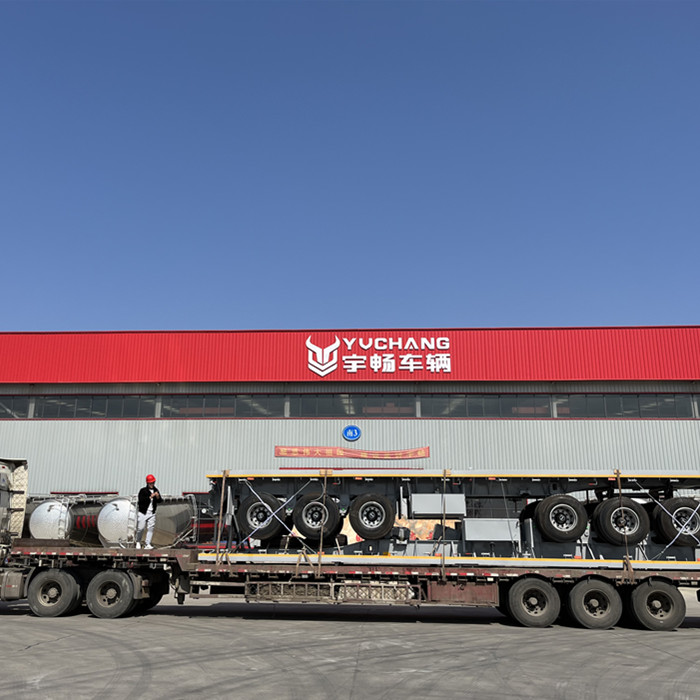
Flatbed semi trailers provide an open, level deck for cargo that is loaded from above, behind, or from the side. They are useful when cargo dimensions...
Read More →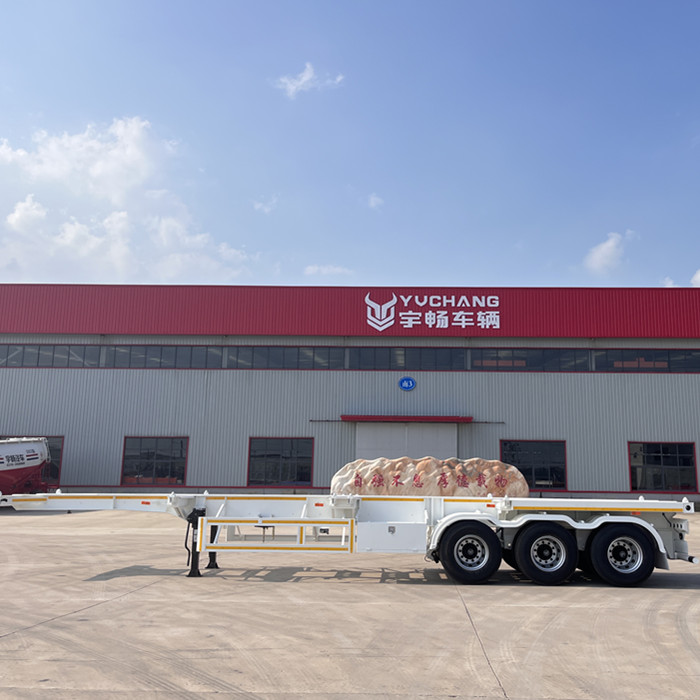
What Is the Difference Between a Flatbed Trailer and a Skeleton Trailer?
Compare the differences between a flatbed trailer and a skeleton trailer to choose the best equipment for your fleet.
Read More →