 WhatsApp
 sales@youcantrailer.com
 +8615203709888
Factory Inspection vs Third-Party Inspection: Which Is Better?
Factory Inspection vs Third-Party Inspection: Which Is Better?
Quick Answer
Factory inspection and third-party inspection solve different problems. Factory inspection is usually better for real-time production control, technical correction, drawing comparison, and communication with the engineering team. Third-party inspection is better when the buyer needs independent evidence, a formal report, or extra confidence before paying the balance or approving shipment.
For many overseas semi trailer buyers, the best choice is not factory inspection or third-party inspection alone. The safest approach is to use factory inspection throughout production and add third-party inspection for first orders, high-value trailers, customized designs, strict destination requirements, or unfamiliar suppliers. The inspection method should match the order risk, not only the buyer's budget.
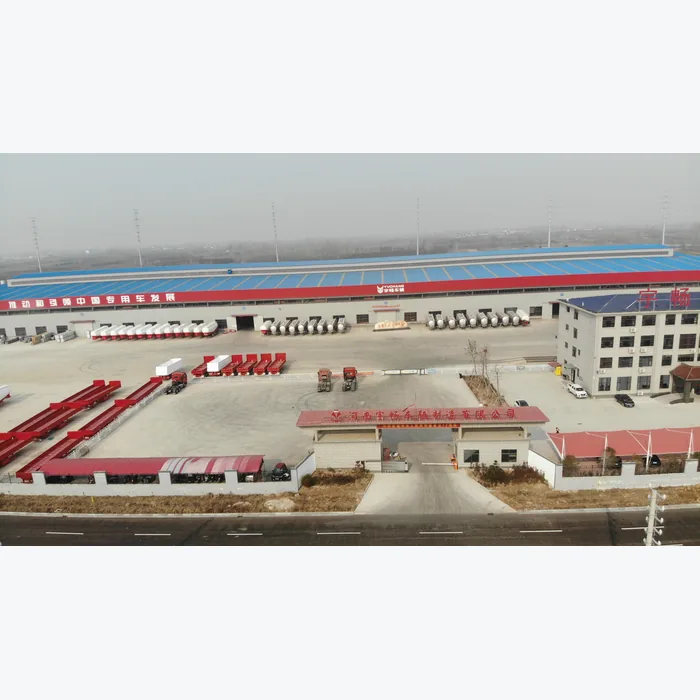
What Is Factory Inspection?
Factory inspection means the trailer manufacturer checks the order during production, after assembly, before shipment, and sometimes during loading. It is usually performed by the factory's quality control team, production manager, engineer, sales engineer, or export project coordinator.
For semi trailer orders, factory inspection should not be a simple final photo. It should compare the real trailer with the confirmed drawing, configuration list, purchase contract, approved changes, and product-specific requirements. A useful factory inspection can include photos, videos, test records, correction notes, loading photos, and clear explanations when the buyer asks questions.
The biggest strength of factory inspection is speed. If a problem is found while the trailer is still in the workshop, the production team can correct it quickly. This is especially important for welding details, brackets, paint repair, wiring route, accessory position, and product-specific items that may become harder to change after final assembly.
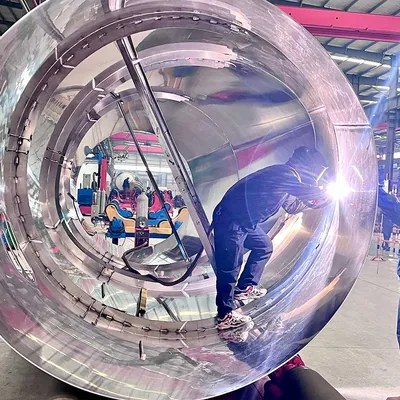
Engineering Note: Factory inspection is strongest when it happens before the problem becomes expensive. A missing bracket found before painting is a small correction. The same issue found after shipment can become a customs delay, workshop repair, or customer complaint.
What Is Third-Party Inspection?
Third-party inspection means an independent inspection company, buyer-appointed inspector, or professional quality service checks the trailer and gives the buyer a report. The inspector is not part of the trailer factory, so the buyer may feel the result is more neutral.
A third-party inspector may check appearance, dimensions, welding condition, paint condition, components, accessories, markings, packing, documents, and loading preparation. For export orders, the report may include photos, checklist results, defect comments, and acceptance recommendations.
However, third-party inspection is only useful when the inspector receives the right information. If the buyer sends only a purchase title, the inspector may check general appearance without knowing the real requirements. A serious third-party inspection needs the confirmed drawing, configuration list, order agreement, accepted tolerance or buyer checklist, and any special destination-market requirement.
Factory Inspection vs Third-Party Inspection: Main Differences
The right inspection method depends on what the buyer wants to verify. Factory inspection is close to the production process. Third-party inspection is more independent. Neither one is automatically better in every situation.
| Comparison Point | Factory Inspection | Third-Party Inspection | Buyer Recommendation |
|---|---|---|---|
| Independence | Performed by the manufacturer or factory team | Performed by an outside inspector or agency | Use third-party inspection when independent evidence is important |
| Production understanding | Usually strong because the factory knows the drawing, process, and changes | Depends on the inspector's trailer experience and documents provided | Use factory inspection for production-stage technical follow-up |
| Correction speed | Fast because the production team is on site | Slower because the report must be reviewed and correction arranged | Find problems early through factory inspection, then verify correction if needed |
| Report formality | Can be practical but less standardized unless the factory has a clear checklist | Usually more formal, with structured photos and comments | Request a written factory checklist or a third-party report for higher-risk orders |
| Cost and scheduling | Usually included in supplier communication | Extra cost and scheduling time | Plan third-party inspection before the trailer is ready, not at the last minute |
| Best use case | Repeat orders, production monitoring, technical correction, trusted suppliers | First orders, high-value projects, new suppliers, buyer financing or compliance needs | Combine both when order risk is high |
When Factory Inspection Is the Better Choice
Factory inspection is often the better choice when the buyer already trusts the manufacturer, the order is a repeat configuration, and the main goal is to control production quality before shipment. It is also useful when the trailer has many technical details that require direct communication with the production team.
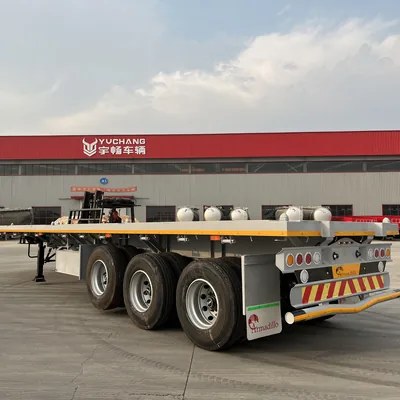
For example, if a buyer orders several flatbed trailers with a confirmed layout, the factory team can check platform structure, side beams, twist locks, lashing points, lights, paint, tool boxes, and spare parts during production. If the buyer asks for a small correction, the factory can usually respond faster than an outside inspector.
Factory inspection is also practical for production-stage evidence. Welding, reinforcement, surface preparation, and component installation are easier to document while the trailer is being built. A third-party inspector who arrives only at the final stage may not see some details that were visible earlier.
When Third-Party Inspection Is the Better Choice
Third-party inspection is usually better when the buyer needs neutral evidence before making a major decision. This may include a first order with a new factory, a high-value fleet order, a customized trailer, strict bank or government procurement procedures, or a destination market where registration and import requirements are sensitive.
Third-party inspection can also help when the buyer does not have enough technical experience to review factory photos alone. A professional inspector can organize findings into a structured report and identify visible risks that the buyer may miss.
But buyers should understand the limitation. A third-party inspector is not a magician. If the inspector does not receive the signed drawing, confirmed specification, accepted changes, and product-specific checklist, the report may become a general appearance check. That can create a false sense of security.
Engineering Note: The value of third-party inspection depends heavily on the checklist. A good inspector with poor documents may miss configuration problems. A basic inspector with a clear drawing and checklist may still catch many practical issues.
Decision Matrix: Which Inspection Method Should You Choose?
The table below gives a practical decision guide for overseas buyers. It is not a legal rule. It is a risk-based way to decide how much inspection is reasonable for your order.
| Order Situation | Recommended Inspection Method | Reason | Buyer Consideration |
|---|---|---|---|
| Repeat order from a trusted manufacturer | Factory inspection plus photo and video evidence | The factory already understands the specification and correction can be fast | Still compare the final trailer with the latest confirmed documents |
| First order with a new supplier | Factory inspection plus third-party final inspection | The buyer needs both production communication and independent evidence | Send the inspector the confirmed drawing and checklist before the visit |
| Customized trailer with many special details | Factory inspection during production plus optional third-party verification | Many custom details must be checked before final assembly | Do not wait until shipment day to check special requirements |
| High-value fleet or government procurement order | Factory inspection, buyer video review, and third-party inspection | Formal evidence and traceability may matter as much as product appearance | Agree on report format, photo scope, and acceptance process in advance |
| Simple spare parts or low-risk accessory shipment | Factory inspection with packing photos | Third-party inspection may cost more than the risk justifies | Request packing list photos and part labels before shipment |
| Destination market with strict import or registration requirements | Factory document review plus third-party or buyer-appointed inspection where needed | Product condition and paperwork must match local requirements | Confirm destination rules before production, not after the trailer is complete |
The Best Approach: Combine Inspection Stages Instead of Choosing Only One
Many inspection problems happen because buyers treat inspection as a final event. In real trailer export work, inspection is more effective when it is a staged process.
1. Before Production: Confirm the Inspection Basis
Before production starts, the buyer and supplier should confirm the drawing, configuration list, order summary, destination requirements, paint color, optional accessories, spare parts, and inspection checklist. This step is more important than many buyers realize. Without a clear basis, both factory inspection and third-party inspection become subjective.
2. During Production: Collect Factory Evidence
During production, the factory should record important steps such as material preparation, welding, assembly, surface treatment, painting, component installation, and special customization. This is where factory inspection has a strong advantage because the production team is already on site.
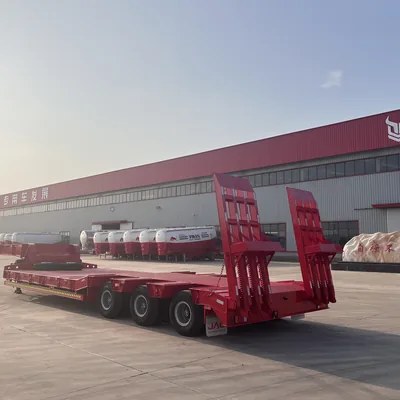
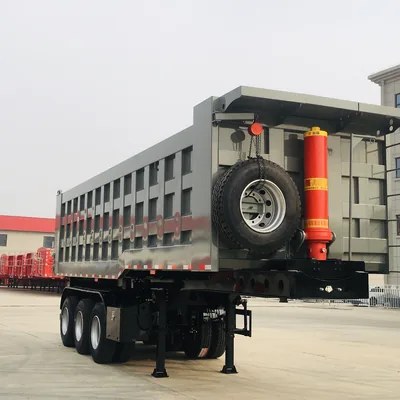
For complex products such as lowbed trailers, tank trailers, tipper trailers, and bulk cement trailers, production-stage photos can be more useful than final photos because some important areas are harder to inspect after assembly.
3. Before Shipment: Verify Completion and Handoff
Before shipment, the inspection should confirm final appearance, order matching, accessories, lights, brake and air-line routing, paint condition, labels, spare parts, document information, loading plan, and export handoff. This is the stage where third-party inspection can add independent evidence if the buyer needs it.
How YOUCAN Supports Factory and Third-Party Inspection
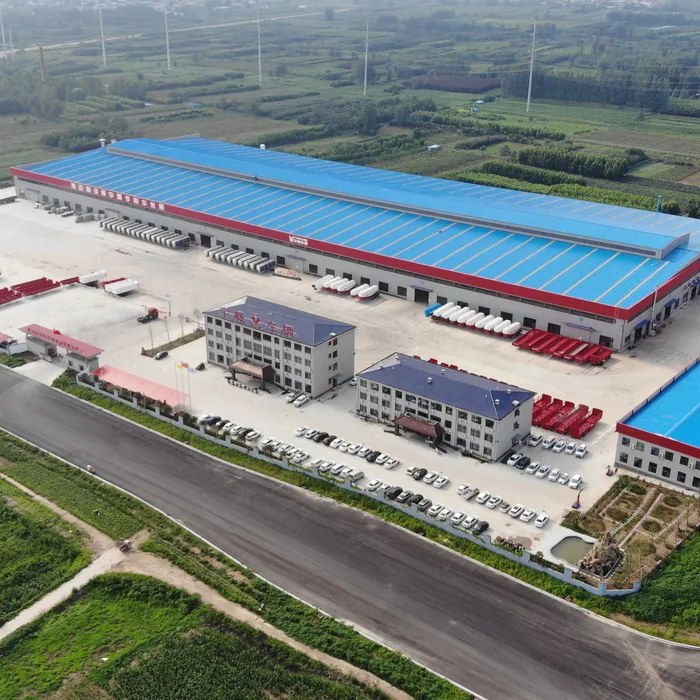
YOUCAN Trailer supports overseas buyers by preparing order documents, production evidence, finished-trailer photos, videos, and export handoff information for semi trailer projects. The goal is not to replace the buyer's judgment. The goal is to make the inspection process clear enough that the buyer can make a confident release decision.
In many export projects, YOUCAN's factory team can help buyers review the confirmed specification, collect production-stage evidence, organize final inspection photos, arrange video checks when needed, and cooperate with a buyer-appointed third-party inspector. The same inspection logic can support flatbed trailers, lowbed trailers, tanker trailers, tipper trailers, container chassis, and customized semi trailers.
Buyers who want to understand the manufacturer's capability can review the factory overview. Buyers who want more detail about process control can also review YOUCAN's quality control workflow.
Engineering Note: The factory and the third-party inspector should not work from different assumptions. If the supplier, buyer, and inspector use the same drawing and checklist, inspection becomes a verification process instead of an argument about personal opinion.
Common Buyer Mistakes When Arranging Inspection
The first mistake is hiring a third-party inspector too late. If the inspector arrives after the trailer is fully painted and ready to ship, some production details may no longer be easy to verify. Buyers should decide the inspection plan before production starts.
The second mistake is asking the factory or inspector to "check everything" without a clear checklist. Semi trailers have many possible details. The inspection should focus on the confirmed order, the trailer type, the buyer's application, and the highest-risk items.
The third mistake is assuming independence automatically means accuracy. Independence is valuable, but the inspector still needs semi trailer knowledge, correct documents, and enough time on site. A report with many photos is not always a useful report if it does not answer the buyer's real questions.
The fourth mistake is ignoring correction evidence. Finding a defect is only half the process. The buyer should request correction photos or videos and confirm whether the repaired item is acceptable before approving shipment.
Inspection Checklist for Overseas Semi Trailer Buyers
Confirm the final inspection basis: drawing, specification, purchase order, and approved changes.
Decide before production whether factory inspection alone is enough or third-party inspection is needed.
Request production-stage evidence for welding, structure, surface treatment, and special customization.
Prepare a product-specific checklist instead of using one generic checklist for every trailer type.
Give the third-party inspector the same documents that the factory uses.
Check both product quality and export handoff: accessories, spare parts, labels, documents, and loading photos.
Ask for correction evidence if any defect or mismatch is found.
Approve shipment only after the inspection result matches the agreed acceptance process.
Industry Standards and Best Practices
Inspection should be based on agreed order requirements first, then supported by relevant standards where they apply. ISO 9001 is useful when buyers discuss quality management systems and controlled records. ISO 3834 may be relevant when discussing welding quality management for metallic materials. ISO 12944 may be useful when buyers discuss corrosion protection and paint systems for steel structures.
For professional inspection services, buyers may also ask whether the inspection company follows recognized inspection-body procedures such as ISO/IEC 17020 or its own documented inspection method. This does not mean every semi trailer order needs a certified inspection body. It means the buyer should understand how the inspector controls independence, reporting, and inspection scope.
Destination requirements should be checked separately. Some markets may involve UNECE or ECE vehicle regulations, ADR requirements for dangerous goods transport, or SASO/SABER conformity procedures in Saudi Arabia where applicable. Buyers should confirm the applicable rules for their own market instead of accepting unsupported compliance claims.
Key Takeaways
Factory inspection is best for production control, technical correction, and fast communication with the manufacturer.
Third-party inspection is best when the buyer needs independent evidence or a formal report.
The safest method for first orders, high-value projects, and customized trailers is often a combination of both.
Both inspection methods need the same confirmed drawing, configuration list, and buyer checklist.
Production-stage evidence is important because some details become harder to inspect after paint and assembly.
A third-party report is only as useful as the inspector's trailer knowledge and the documents provided.
Inspection should include product quality, accessories, documents, and loading handoff.
Conclusion
Factory inspection and third-party inspection are not competitors. They are different tools for controlling purchase risk. Factory inspection helps buyers manage quality during production and correct problems quickly. Third-party inspection helps buyers obtain independent evidence before shipment or payment approval.
If you are buying semi trailers from China, choose the inspection method according to order risk, supplier relationship, trailer complexity, destination requirements, and your need for independent documentation. For many export projects, the best solution is a disciplined factory inspection process supported by third-party inspection when the risk justifies it.
YOUCAN Trailer can help buyers prepare a practical inspection plan before production starts, so factory evidence, buyer review, and third-party inspection can work together instead of creating confusion at the final shipment stage.
FAQ
Is third-party inspection always better than factory inspection?
No. Third-party inspection is more independent, but factory inspection is usually better for production-stage control and fast correction. The best choice depends on order risk and buyer requirements.
When should I use third-party inspection for a semi trailer order?
Use third-party inspection for first orders, high-value orders, customized trailers, unfamiliar suppliers, strict procurement procedures, or when you need independent evidence before paying the balance or approving shipment.
Can factory inspection be trusted?
Factory inspection can be very useful if the factory uses a clear checklist, provides production-stage evidence, and compares the trailer with the confirmed order documents. Buyers should request structured photos, videos, and correction records instead of only final appearance photos.
What documents should I give a third-party inspector?
Give the inspector the signed drawing, configuration list, purchase order, approved changes, buyer checklist, product-specific requirements, and any destination-market requirements that apply to the order.
Should inspection happen during production or only before shipment?
Important inspection should happen during production and before shipment. Welding, structure, and customization are easier to verify during production. Appearance, accessories, documents, and loading are usually checked before shipment.
Who pays for third-party inspection?
This depends on the purchase agreement. Many buyers pay for their own third-party inspection because they choose the inspection company. In some projects, the cost and responsibility are agreed during contract negotiation.
What should I do if factory inspection and third-party inspection disagree?
Compare both results against the confirmed drawing, configuration list, and written acceptance criteria. Ask for clear photos, videos, measurements where applicable, and correction evidence before making the shipment decision.
References
ISO 9001 - Quality management systems
ISO 3834 - Quality requirements for fusion welding of metallic materials
ISO 12944 - Corrosion protection of steel structures by protective paint systems
ISO/IEC 17020 - Requirements for bodies performing inspection
UNECE / ECE vehicle regulations, where applicable in the destination market
ADR dangerous goods transport requirements, where applicable to specialized tanker operation
SASO / SABER conformity procedures for Saudi Arabia, where applicable to the buyer's import process