How to Audit a Flatbed Trailer Manufacturer?
1. Introduction and Factory Overview
Choosing a flatbed trailer manufacturer is a long-term commitment. A trailer carries heavy cargo for years, so weak welds, undersized axles or poor paint affect your safety, uptime and resale value.
This guide gives importers, fleet owners and distributors a practical audit framework. It covers what to verify in a factory, what documents to request, and how to compare suppliers on facts rather than brochures.

Credentials to Verify Before Anything Else
- Business license and export record: confirm the legal entity, factory address and the markets it has shipped to.
- Management system certificates: ISO 9001 is the common baseline. Check the issuing body, scope and expiry date.
- Product approvals: requirements differ by market, such as CE, ECE, DOT, SABS or local vehicle registration rules.
- Production history: ask for similar models built in your target region, with photos and specifications.
A reliable supplier will share these documents without hesitation. Reluctance at this stage is itself useful information.
2. Product Portfolio: What a Capable Supplier Should Offer
A serious factory builds more than one standard model. Range depth shows engineering experience and the ability to adapt a design to your road regulations and cargo type.
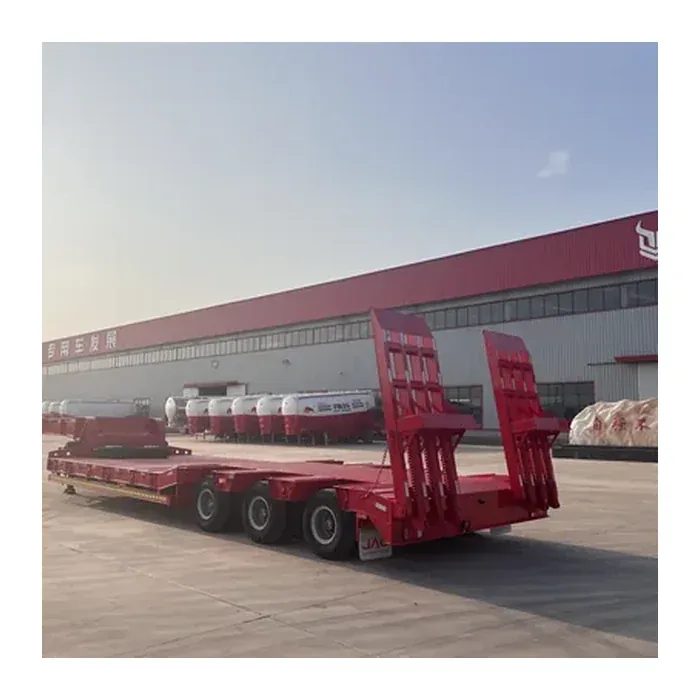
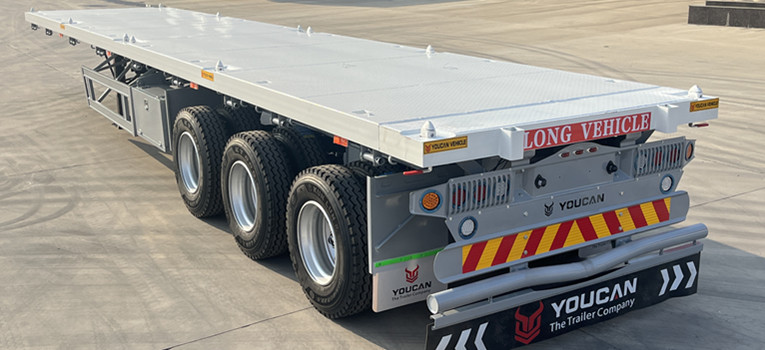
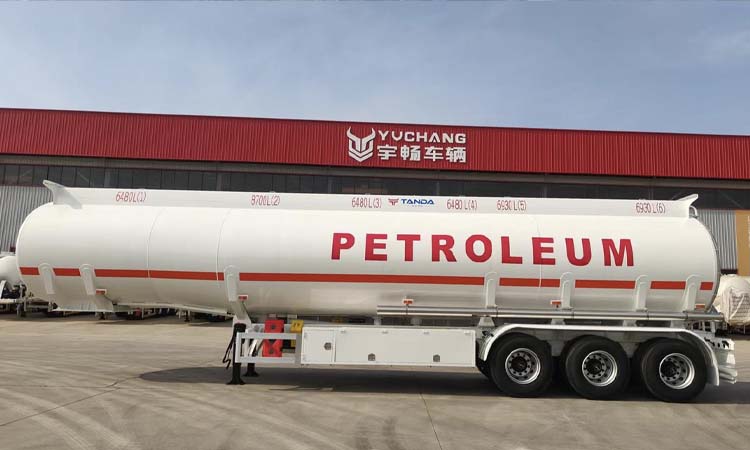
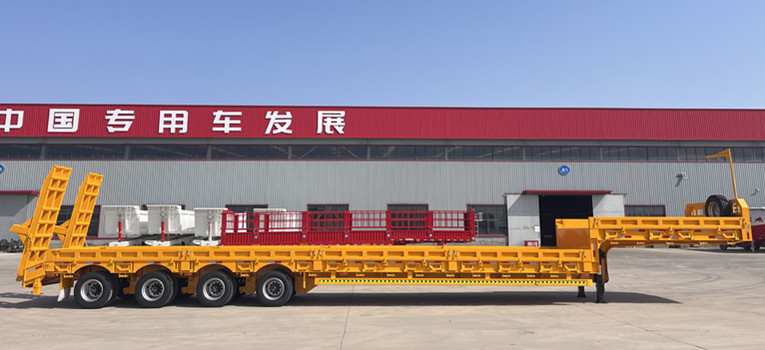
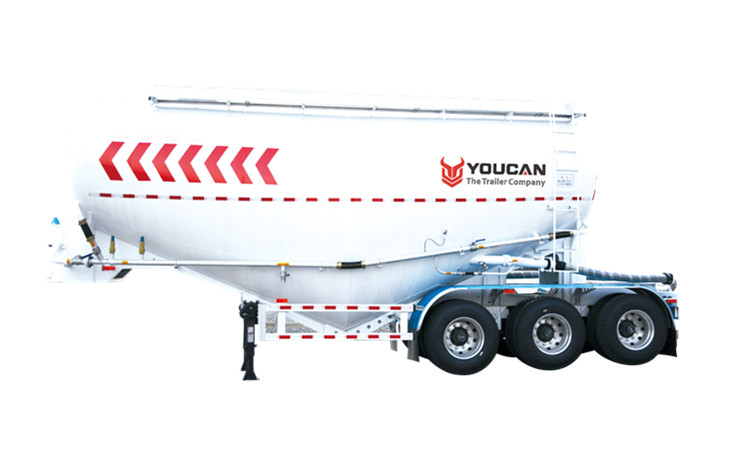
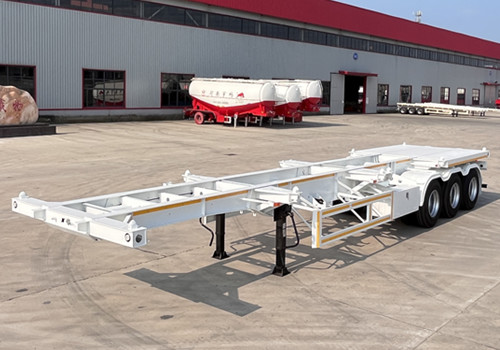
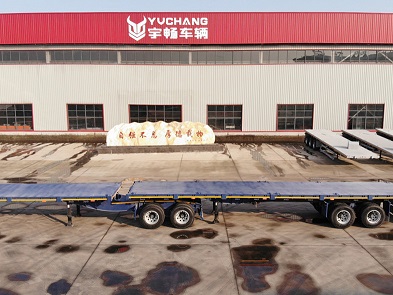
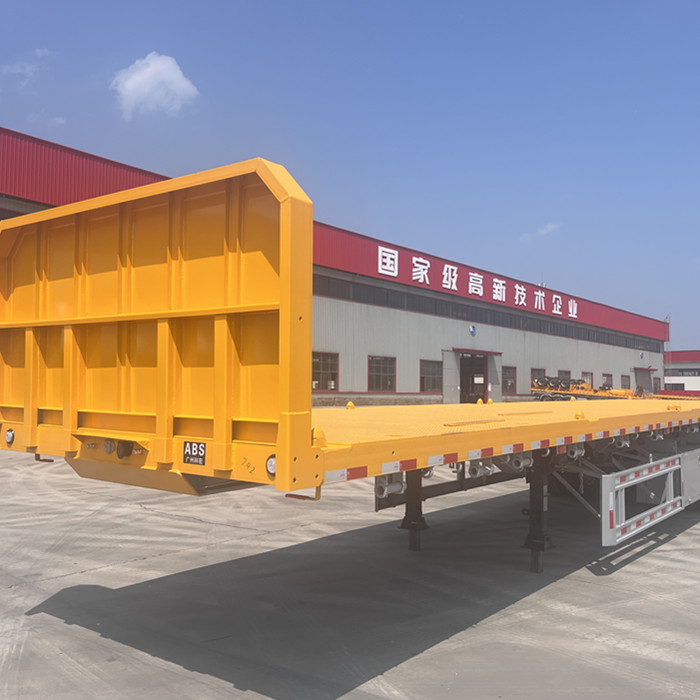
Typical offerings include standard Flatbed Trailers, the Interlink Flatbed Trailer for long combinations, Lowbed Trailers for heavy machinery, and a Container Chassis for port logistics.
| Series / Model | Key Technical Parameters (typical, confirmed per order) | Application Scenarios |
|---|---|---|
| Standard flatbed semi-trailer | 2 or 3 axles, high-tensile steel main beams, twist locks optional, 30-60 t payload range | General cargo, steel products, pipes, palletized freight |
| Interlink flatbed | Two-unit combination, extended deck length, air suspension, ABS braking | Long-haul bulk freight, high-volume corridor transport |
| Lowbed trailer | Low deck height, multi-axle configuration, optional ramps or detachable gooseneck | Excavators, construction machinery, oversized loads |
| Container chassis | Skeleton frame, 20 ft / 40 ft twist lock layout, lightweight design | Ports, container depots, intermodal transport |
Compare each supplier's specification sheet against your payload, axle-load limits and overall dimension rules. Values must match local regulations, not only the factory's standard drawings.
3. Manufacturing Capability and Facilities
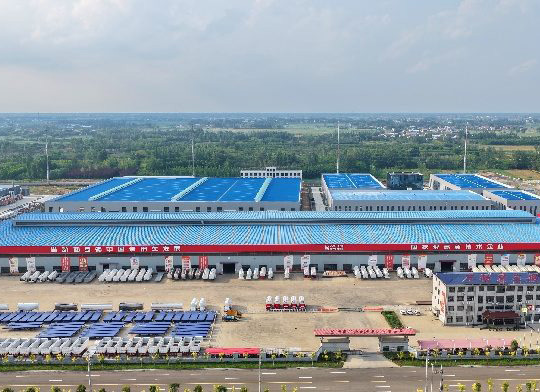
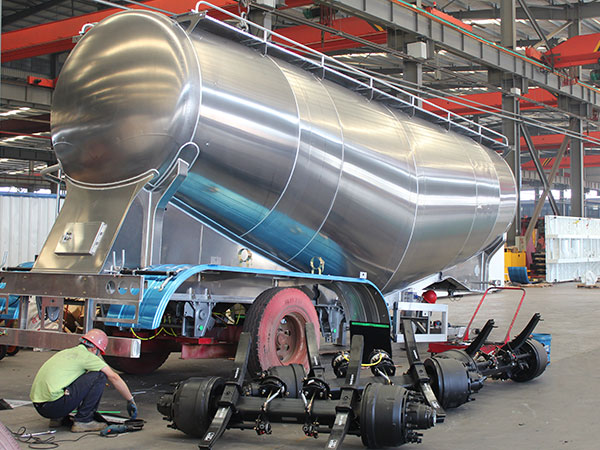
During an on-site or video audit, follow the material from steel plate to finished trailer. Production flow tells you more than a showroom does.
What to Look For on the Shop Floor
- Cutting and forming: CNC plasma or laser cutting, plate-rolling and press-brake equipment for consistent beam geometry.
- Welding: qualified welders, documented welding procedures, and jigs that hold the chassis straight during assembly.
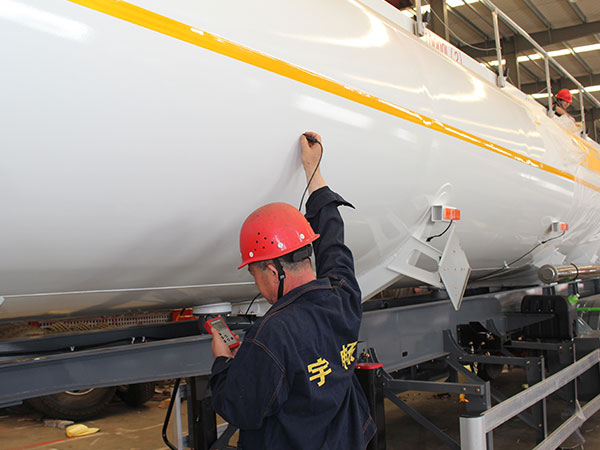
- Surface preparation: shot blasting, primer and topcoat booths, with measured coating thickness.
- Assembly: organized stations for axles, suspension, brake systems, lighting and landing gear.
- Testing area: brake testing, air-line leak tests and load checks before release.
Capacity and Lead Time Control
Ask for monthly output, current order backlog and the production schedule for your order. A factory that can show a clear plan is more likely to deliver on time.
Also ask how raw steel is sourced. Mill certificates for main-beam plate should be traceable to the heat or batch number.
4. Quality Control and International Certifications
Quality control should be a documented process, not a final glance before loading. Request the inspection plan and sample records from a recent order.
A Three-Stage QC Process
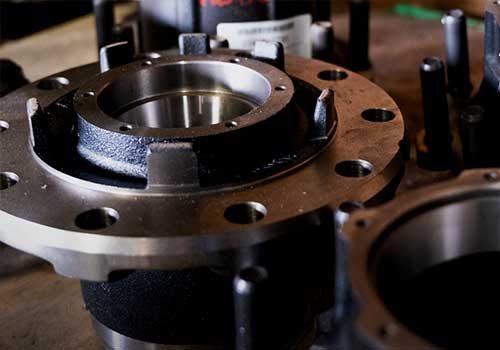
- Incoming material check: steel grade, thickness, axle and suspension components, tires, brake chambers and electrical parts are verified against purchase specifications.
- In-process inspection: dimensional checks after cutting, weld inspection after chassis assembly, and coating checks after painting.
- Pre-shipment testing: full function test of brakes, lights, landing gear and kingpin, plus a visual check of every unit.
Compliance Standards to Ask About
- ISO 9001 for quality management.
- CE or ECE requirements for European or related markets.
- DOT, SABS or other national standards depending on your destination.
- RoHS-related declarations for electrical components where required.
Third-party inspection is a sensible addition for first orders. SGS, BV or an inspector of your choice can review the units before shipment.
5. OEM/ODM Customization Capabilities
Customization is where many suppliers fail. Test it by sending a real requirement and observing how the engineering team responds.
- Custom engineering: axle count, deck length, kingpin position, beam profile and payload rating adapted to local rules.
- Branding: logo, color scheme and nameplate details for distributors and fleet owners.
- Accessories: twist locks, side boards, toolboxes, spare wheel carriers and ramps.
- Surface treatment: anti-corrosion coatings or galvanizing options for coastal or humid regions.
- Electrical adaptation: 24V systems, plug types and lighting layouts for your market.
A good team will return a drawing for approval before cutting steel. Spare parts supply matters too, so ask whether they stock Trailer Parts for after-sales service.
6. Export Packaging and Shipping Logistics
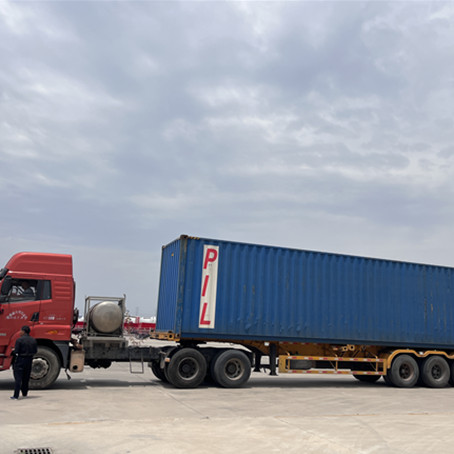
Trailers are shipped as complete units, semi-knocked-down kits or on flat racks, depending on size and cost. Ask how each method is handled.
Packaging and Protection
- Wheels, axles and loose accessories secured and bagged or crated.
- Moisture and corrosion protection on exposed machined parts.
- Lashing points and blocking to prevent movement in transit.
- Clear labeling and a packing list matching the invoice.
Trade Terms and Documentation
Confirm which terms the supplier supports, such as FOB, CFR, CIF or, in some cases, DDP. The seller should also prepare the commercial invoice, packing list, bill of lading and certificate of origin, plus any certificate your customs authority requires.
7. Global Industries Served and Case Highlights
Flatbed-based equipment serves construction, steel and metals, ports and container handling, agriculture, mining support, and general freight forwarding. Each sector stresses different design points, from deck strength to corrosion resistance.
Representative Scenario
A regional distributor was losing sales because imported trailers did not fit local axle-load limits and required rework after arrival. The audit found the earlier supplier had no engineering review step for destination regulations.
After switching to a factory that issued approval drawings and tested each unit before loading, the distributor reduced post-arrival modifications and shortened its delivery cycle to end customers. The lesson is simple: a process-driven factory prevents costly surprises.
8. Why Choose a Process-Driven Manufacturing Partner?
After the audit, shortlist suppliers that can show evidence in the areas below.
- Factory-direct pricing with transparent specifications, so quotations can be compared line by line.
- Flexible MOQ for trial orders and distributor programs.
- Fast response: clear answers to technical questions within one working day.
- Engineering support before, during and after production.
- Documented QC with photos, test records and inspection access.
Rank each supplier on a simple scorecard: compliance, capability, quality records, customization, logistics and communication. The best choice is usually the one that is easiest to verify.
9. Procurement FAQ
What is the typical MOQ?
Many factories accept a single unit for trial orders, while price improves with volume. Confirm MOQ per model, as customized designs may require a minimum quantity.
Can I get a sample or reference unit?
Complete trailers are rarely sent as samples. Ask instead for detailed drawings, material certificates, factory video inspection, or a pre-shipment inspection of your first unit.
What is the normal lead time?
Standard models commonly take several weeks, and customized designs take longer because drawings must be approved first. Always obtain a written production schedule with the quotation.
Which payment terms are available?
T/T with a deposit and balance before shipment is most common. L/C at sight may be accepted for larger orders. Agree on terms in the contract before production begins.
What warranty should I expect?
Warranty usually covers structural defects and workmanship for a defined period, while tires, axles and brake parts may follow component-maker terms. Get the warranty scope, claim procedure and spare parts support in writing.
If you are comparing suppliers, send us your target payload, destination country and drawings, and our engineers will reply with a selection suggestion and a factory-direct quote.
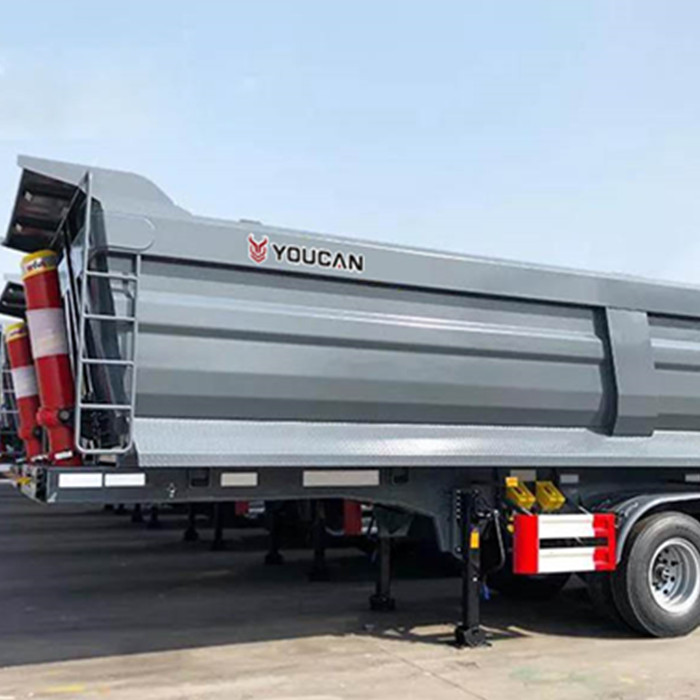
Commercial Semi Trailer Body Types and Export Uses
Compare commercial semi trailer body types, key features, customization and export shipping. Send your cargo details to request a quote or selection a...
Read More →
Source From a Flatbed Trailer Manufacturer Confidently
A comprehensive guide for B2B buyers on how to select the right flatbed trailer manufacturer. Learn key specs, quality standards, and how to avoid com...
Read More →