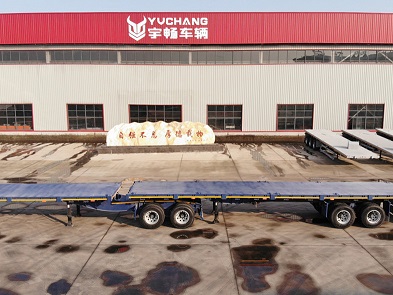
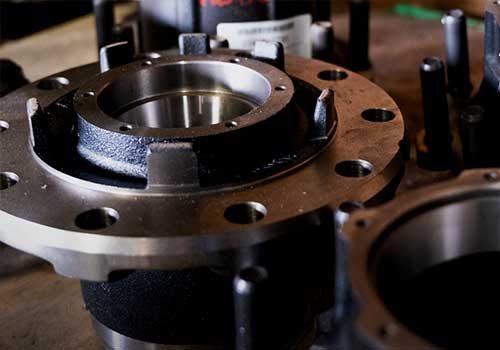
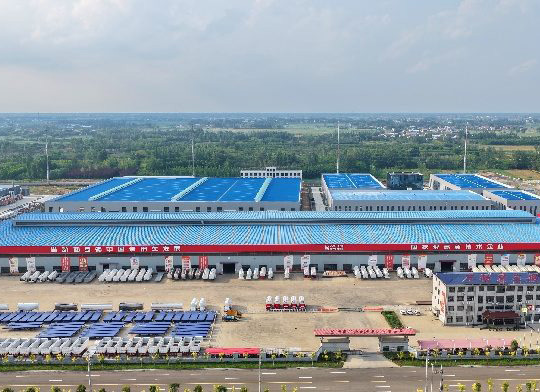
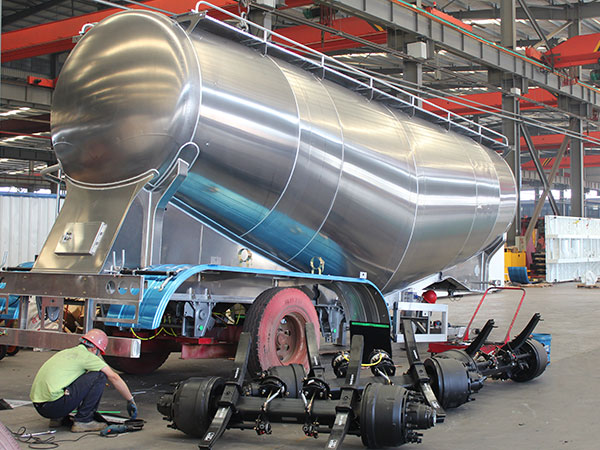
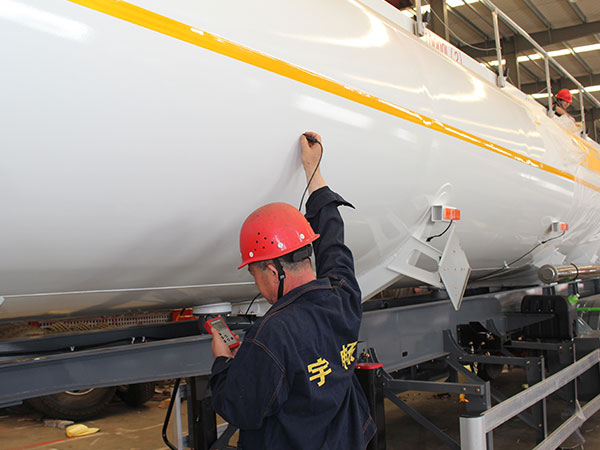
A flatbed trailer manufacturer's guide to global export and customization trends
Executive Summary & Market Snapshot
The global logistics and heavy haulage sector is undergoing a significant transformation, driven by evolving supply chain dynamics, technological advancements, and a growing demand for specialized transport solutions. For procurement directors and fleet managers, partnering with a forward-thinking flatbed trailer manufacturer is no longer just about acquiring assets; it is a strategic decision that impacts operational efficiency, total cost of ownership (TCO), and market competitiveness. This analysis provides a strategic overview of the key trends, challenges, and opportunities shaping the industry, offering actionable insights for future-proofing your logistics operations.
The market is shifting from standardized models toward highly customized, application-specific trailers that offer higher payloads, improved fuel efficiency, and longer operational lifespans. This shift demands manufacturers to possess advanced engineering capabilities and agile production processes.
| Key Market Driver | Emerging Tech Trend | Strategic Impact on Procurement |
|---|---|---|
| Growth in e-commerce and last-mile logistics networks. | Adoption of high-strength, low-alloy (HSLA) steel and aluminum alloys. | Focus shifts from initial purchase price to long-term TCO, prioritizing durability and payload capacity. |
| Infrastructure and construction project expansion in emerging markets. | Integration of telematics and IoT for fleet management and predictive maintenance. | Supplier evaluation must now include technology integration and data support capabilities. |
Current State of the Industry
Global demand for flatbed trailers remains robust, with distinct regional drivers. In North America, the resurgence of manufacturing and a strong construction sector fuel the need for durable, high-capacity trailers. European markets, governed by stringent emissions and safety regulations, are seeing a push towards lighter, more aerodynamic designs. Meanwhile, the Asia-Pacific region, led by rapid industrialization and infrastructure development, represents the fastest-growing market, demanding versatile and cost-effective transport solutions.
The primary industrial sectors driving adoption include:
- Construction: Transporting building materials, prefabricated components, and heavy machinery.
- Manufacturing: Moving raw materials, steel coils, and large-format finished goods.
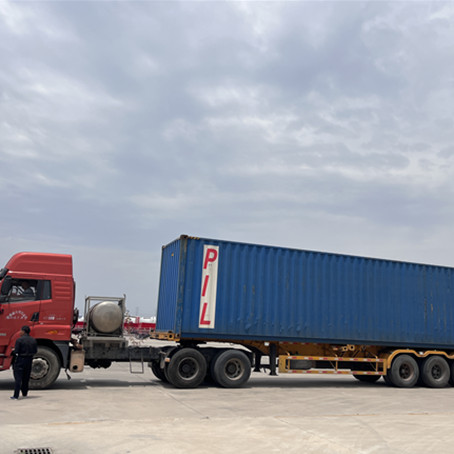
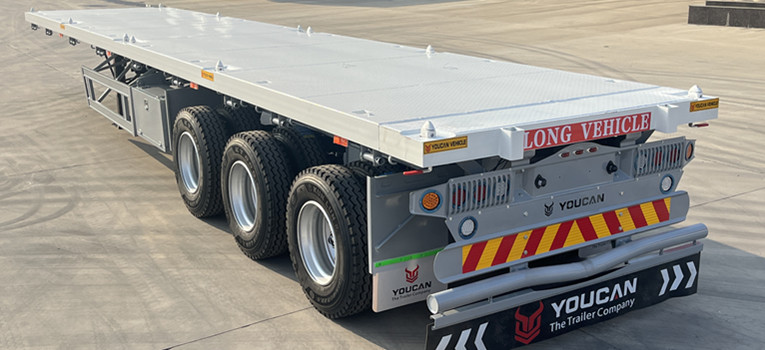
- Logistics & Freight: Handling containerized cargo, palletized goods, and general freight. Many operators utilize versatile platforms like Flatbed Trailers for their adaptability.
- Energy & Utilities: Transporting pipes, turbines, and project cargo for energy infrastructure projects.
Key Trends Shaping the Industry
Advanced Material Science
The single most impactful trend is the strategic use of advanced materials. Manufacturers are moving beyond traditional carbon steel to utilize high-strength, low-alloy (HSLA) steels and aluminum alloys. While these materials may have a higher initial cost, they offer a significant reduction in tare weight. A lower tare weight directly translates to a higher legal payload capacity, allowing operators to move more goods per trip and improving fuel efficiency for the tractor unit. This directly enhances revenue potential and reduces operational costs over the trailer's lifespan.
Demand for Application-Specific Customization
The "one-size-fits-all" approach is becoming obsolete. Sophisticated clients now require trailers tailored to their specific cargo. This includes features like integrated twist locks for containers, specialized stake pockets and rub rails for securing unique loads, coil wells for transporting steel coils, and multi-axle configurations (including steerable and lift axles) for navigating restrictive jurisdictions or handling exceptionally heavy loads. This level of customization is crucial for maximizing safety and efficiency. For instance, modular designs like the Interlink Flatbed Trailer offer enhanced flexibility for varying load requirements.
Integration of Telematics and Smart Technology
Modern trailers are becoming intelligent assets. The integration of IoT sensors and telematics systems provides fleet managers with real-time data on location, tire pressure, brake wear, and cargo status. This data is invaluable for predictive maintenance, which reduces downtime and prevents costly roadside failures. Furthermore, smart trailer technology can improve security, optimize route planning, and provide verifiable data for regulatory compliance and client reporting.
Sustainability and Regulatory Compliance
Environmental regulations are tightening globally. This influences trailer design through the need for improved aerodynamics (side skirts, aerodynamic mudflaps), low rolling resistance tires, and the use of sustainable and recyclable materials in construction. Manufacturers who can engineer trailers that help reduce the overall carbon footprint of a logistics operation provide a significant competitive advantage to their clients, especially those serving environmentally conscious corporations.
Industry Challenges & Strategic Solutions
Buyers and operators face several pressing challenges. Volatility in raw material prices, particularly for steel and aluminum, can drastically affect acquisition costs. Stricter safety and emissions standards (like Euro 6 or EPA regulations) require continuous investment in compliant equipment. Furthermore, a persistent shortage of skilled drivers puts a premium on equipment that is safe, efficient, and easy to operate.
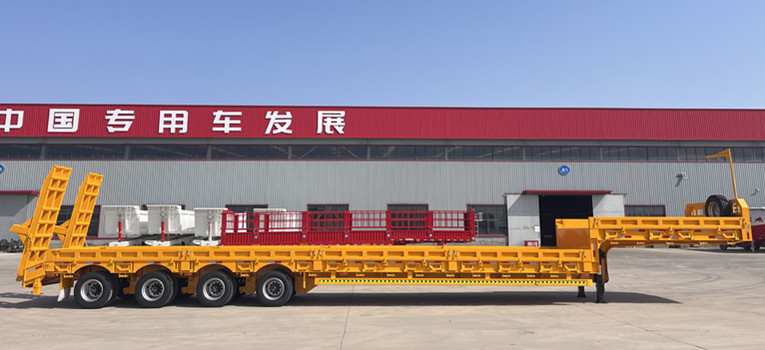
Advanced manufacturing techniques offer direct solutions. By leveraging finite element analysis (FEA) in the design phase, engineers can optimize structural integrity while minimizing material usage, partially offsetting raw material cost increases. Agile production lines that can quickly adapt to custom specifications allow for the integration of the latest safety features, such as advanced braking systems (ABS/EBS) and enhanced lighting, ensuring full compliance. For heavy or oversized equipment, specialized solutions like Lowbed Trailers are engineered to meet specific transport challenges safely and legally.
B2B Procurement Advice & Future-Proofing
For procurement directors, the evaluation criteria for a trailer supplier must evolve. Look beyond the initial sticker price and conduct a thorough Total Cost of Ownership (TCO) analysis. This should factor in expected lifespan, maintenance costs, payload potential, and resale value.
Future-proofing your fleet involves selecting adaptable designs. Opt for trailers with flexible load securement options and a chassis that can be retrofitted with future technologies. Partnering with a manufacturer that offers strong after-sales support, including access to spare Trailer Parts and technical advice, is critical for maximizing uptime and asset longevity.
R&D & Customization Capabilities (OEM/ODM)
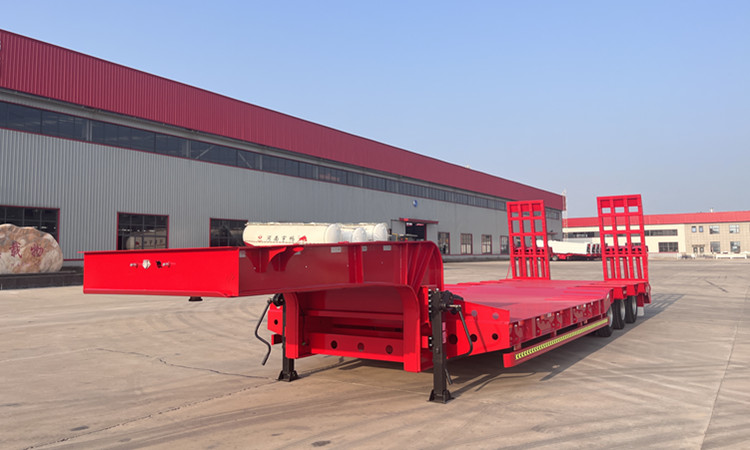
The ability of a manufacturer to offer deep customization (OEM/ODM) is a key differentiator. An in-house R&D and engineering team can work directly with a client to design a trailer from the ground up for a specific application. This could involve adjusting frame dimensions, integrating hydraulic systems, or selecting suspension and axle configurations suited for severe-duty or off-road conditions. This collaborative approach ensures the final product is a perfect fit for the client's operational needs, maximizing productivity and safety.
Logistics & Sustainable Packaging Outlook
For international buyers, freight optimization is paramount. Leading exporters offer solutions like Completely Knocked Down (CKD) or Semi-Knocked Down (SKD) shipping, where multiple trailer chassis can be stacked and packed into a single shipping container, dramatically reducing sea freight costs per unit. Modern export packaging involves robust anti-corrosion treatments to protect components during ocean transit, along with the use of recyclable and minimal dunnage to align with global sustainability goals.
Strategic Manufacturing Partnership & CTA
In today's complex market, your equipment supplier should be a strategic partner. A world-class manufacturer is defined not just by its products, but by its commitment to quality, innovation, and customer success. Look for partners with internationally recognized certifications (such as ISO 9001), a proven track record in global markets, and scalable production capacity to meet both small and large-volume orders. A strong engineering core combined with responsive global support ensures that your investment is protected for the long term.
To explore how our custom-engineered trailer solutions can meet your specific haulage requirements, contact our technical team for a consultation.
Industry FAQ Section
What is the primary driver for the growth in custom flatbed trailers?
The primary driver is the demand for operational efficiency and safety. Standard trailers often lead to compromises in loading, securing, and weight distribution. Custom trailers designed for specific cargo types (e.g., steel coils, long pipes, or palletized goods) maximize payload, reduce loading/unloading times, and enhance transport safety, leading to a higher return on investment.
How does material choice (steel vs. aluminum) impact trailer performance?
Material choice is a trade-off between cost, weight, and durability. High-strength steel offers excellent durability and a lower initial cost, making it ideal for heavy-duty and abrasive applications. Aluminum offers significant weight savings, which increases legal payload and can improve fuel economy, but it comes at a higher initial price and may be less resistant to point-load impacts.
What is the typical technology replacement cycle for a heavy-duty flatbed trailer?
While the physical chassis of a well-maintained trailer can last 10-15 years or more, the technology cycle is much shorter. Key components like braking systems, lighting, and telematics are often updated every 5-7 years to comply with new regulations and leverage efficiency gains. Procuring trailers with a modular design allows for easier upgrading of these systems without replacing the entire asset.
How will future emissions regulations affect trailer design?
Future regulations will intensify the focus on reducing the tractor-trailer combination's overall energy consumption. This will drive further innovation in aerodynamics (e.g., advanced side skirts, boat tails), reductions in rolling resistance through specialized tires and tire pressure monitoring systems (TPMS), and continued lightweighting efforts across all components to minimize the energy needed for propulsion.
Source From a Flatbed Trailer Manufacturer Confidently
A comprehensive guide for B2B buyers on how to select the right flatbed trailer manufacturer. Learn key specs, quality standards, and how to avoid com...
Read More →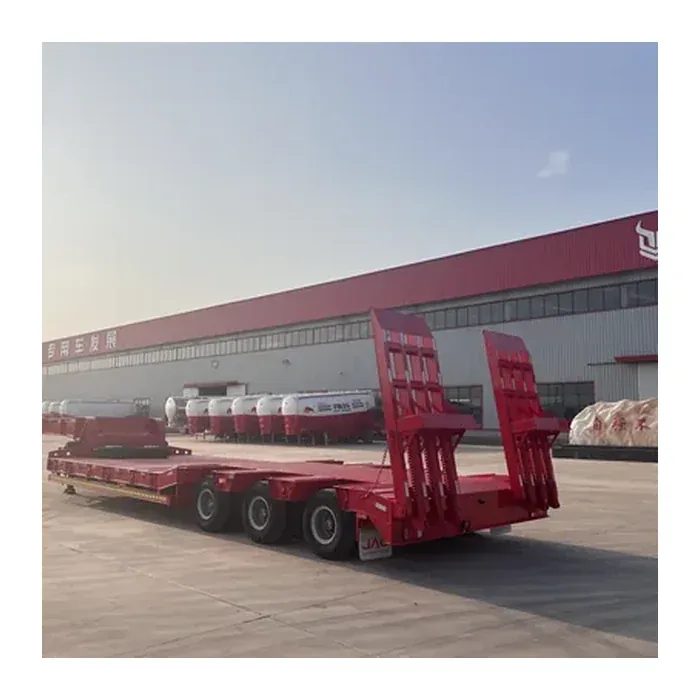
How to Choose a Skeleton Trailer for Container Haulage
A comprehensive guide for B2B buyers on how to choose the right skeleton trailer. Learn about key specs, types, costs, and common mistakes before you ...
Read More →