A strategic guide to partnering with a custom trailer manufacturer
Executive Summary & Market Snapshot
The global logistics and transport sectors are undergoing a profound transformation, driven by supply chain complexity, specialized cargo demands, and a push for operational efficiency. In this environment, off-the-shelf solutions are proving inadequate for many operators. The strategic value of engaging a custom trailer manufacturer has therefore never been higher. These specialist partners provide tailored engineering solutions that directly address unique payload, terrain, and regulatory challenges, moving beyond simple assembly to offer a distinct competitive advantage. This guide provides a market outlook for procurement leaders seeking to future-proof their fleet assets.
| Key Market Driver | Emerging Tech Trend | Strategic Impact on Procurement |
|---|---|---|
| Growth in niche logistics (e.g., renewable energy components, project cargo) | Lightweight, high-strength materials (aluminum alloys, composites) | Shift from initial price focus to Total Cost of Ownership (TCO) analysis |
| Stricter global emissions and safety regulations | IoT & Telematics integration for real-time diagnostics and tracking | Demand for modular designs that allow for future technology upgrades |
Current State of the Industry
The demand for custom-built trailers is robust across key global economic hubs. In North America, the expansion of e-commerce and last-mile delivery networks fuels the need for specialized urban logistics trailers. European markets are heavily influenced by stringent environmental regulations, driving innovation in aerodynamics and alternative materials.
Meanwhile, the Asia-Pacific region, led by massive infrastructure projects and expanding manufacturing output, requires heavy-duty and high-capacity trailers for construction, mining, and cross-border trade. Key industrial sectors driving this global adoption include:
- Logistics & Freight Forwarding: Requiring everything from standard container chassis to complex multi-axle configurations.
- Construction & Infrastructure: Demanding robust tippers, lowbeds for heavy machinery, and bulk material transporters.
- Energy & Mining: Needing specialized tankers for liquids and trailers capable of handling oversized components like wind turbine blades.
- Agriculture: Utilizing custom trailers for grain, livestock, and equipment transport.
Key Trends Shaping the Industry
Four major trends are currently defining the trajectory of trailer manufacturing and influencing procurement decisions for B2B buyers.
Material Innovation & Weight Reduction
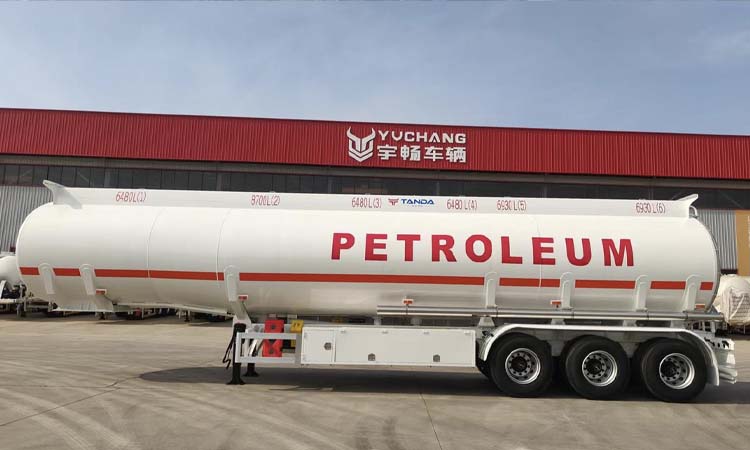
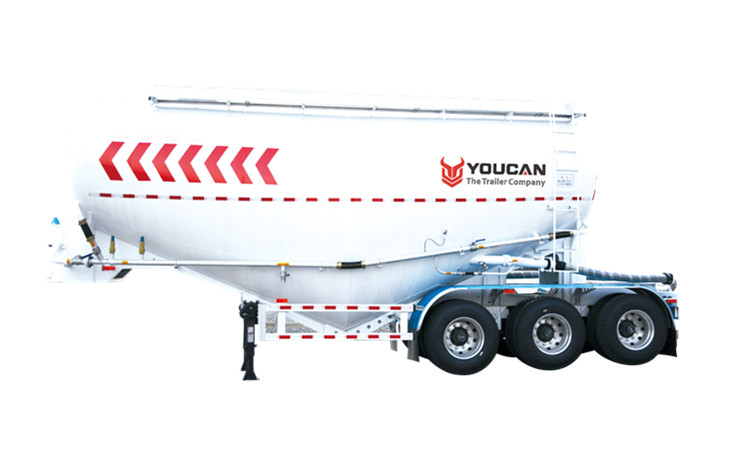
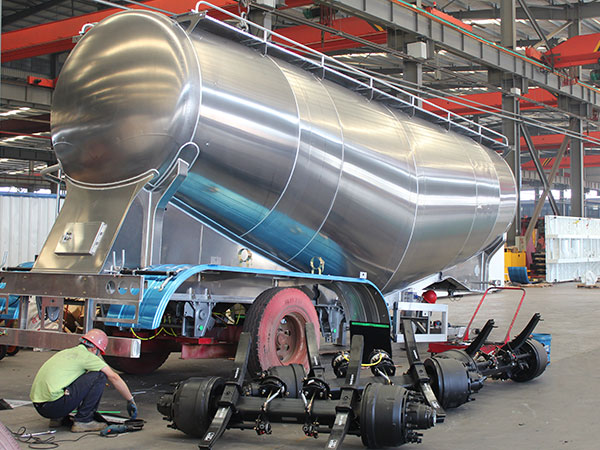
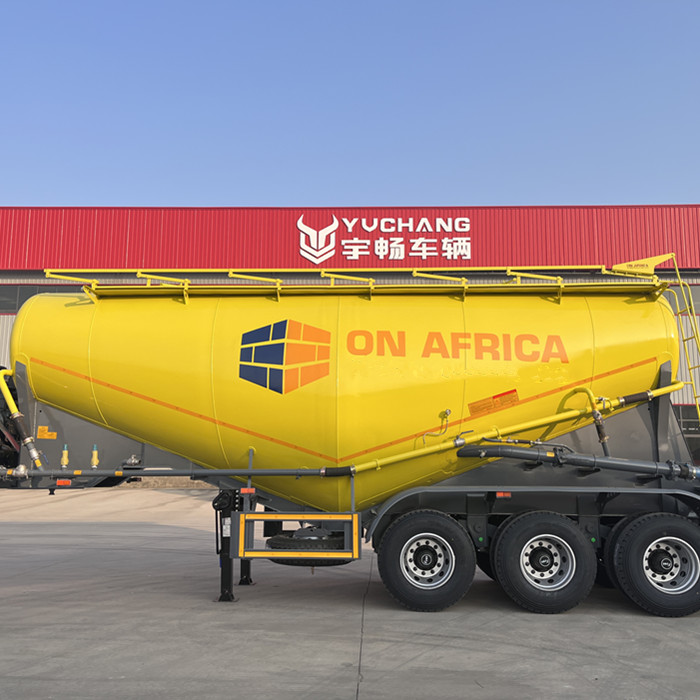
The "less is more" philosophy is paramount. The use of high-strength steels (like Hardox or Strenx) and advanced aluminum alloys allows for the construction of trailers that are significantly lighter without compromising structural integrity. This weight reduction translates directly into increased payload capacity and improved fuel efficiency for the prime mover, delivering a tangible return on investment over the trailer's lifespan. This is particularly evident in the design of modern aluminum tanker trailers.
Telematics and IoT Integration
The concept of a "smart trailer" is now a commercial reality. Integrating GPS, tire pressure monitoring systems (TPMS), brake wear sensors, and load diagnostics into a central telematics unit provides fleet managers with unprecedented visibility. This data enables proactive maintenance, route optimization, theft prevention, and ensures compliance with cargo temperature or weight regulations, ultimately reducing downtime and operational risks.
Demand for Application-Specific Customization
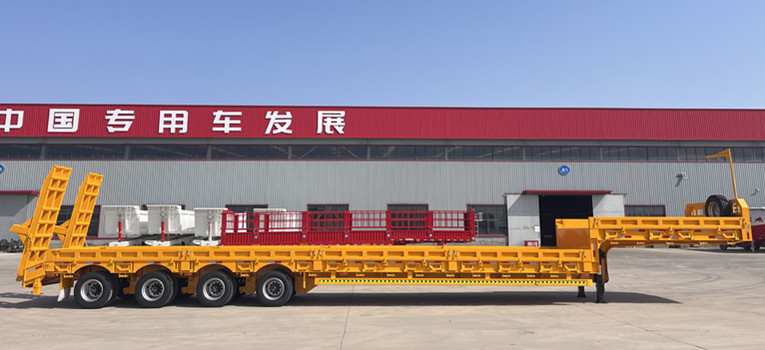
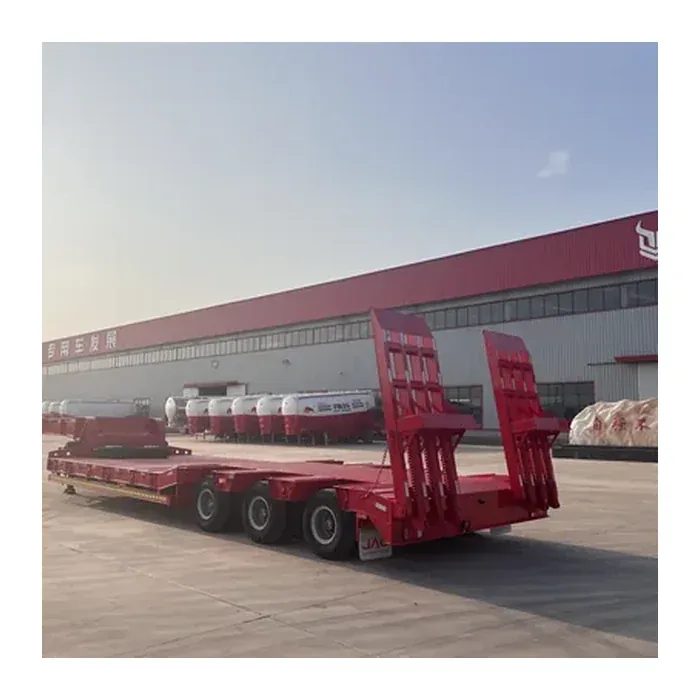
One-size-fits-all is no longer a viable strategy for competitive logistics firms. Buyers are increasingly seeking trailers engineered for a single, specific task. This includes specialized specialized lowbed trailers with unique ramp configurations, tankers with multi-compartment layouts for different chemicals, or extendable flatbeds for project cargo. This trend underscores the importance of a manufacturer's R&D and engineering capabilities.
Sustainability and Electrification Preparedness
While fully electric semi-trailers are still emerging, current designs are incorporating sustainable features. These include aerodynamic side skirts and boat tails to reduce drag, low-rolling-resistance tires, and energy-recuperating axle systems. Furthermore, forward-thinking manufacturers are designing chassis and electrical systems that can be easily integrated with the coming wave of electric trucks.
Industry Challenges & Strategic Solutions
Procurement managers and factory owners face a complex set of challenges. Volatile raw material prices, particularly for steel and aluminum, can drastically affect project budgets. Evolving international safety and emissions standards require constant adaptation and investment in compliant technologies.
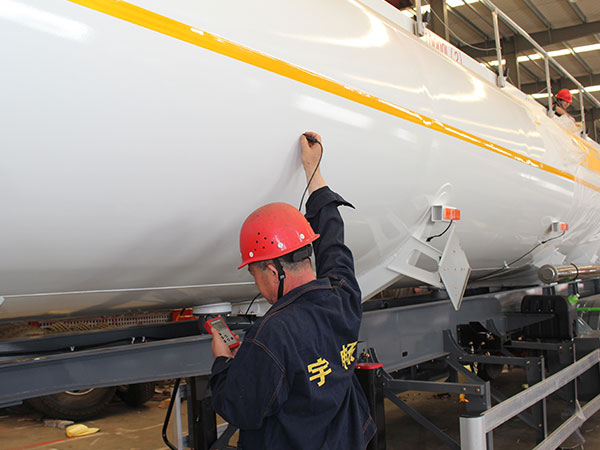
Advanced manufacturing offers direct solutions. Robotic welding ensures consistent, high-quality joins that exceed manual capabilities, enhancing durability. Modular design principles allow for the use of standardized core components across different trailer types, helping control costs and streamline production. Engaging a manufacturing partner who can provide detailed Finite Element Analysis (FEA) ensures the final design is optimized for strength and weight, mitigating risks before the first piece of metal is cut.
B2B Procurement Advice & Future-Proofing
For procurement directors, the key is to shift the evaluation criteria from initial purchase price to Total Cost of Ownership (TCO). A cheaper, standard trailer may incur higher costs through fuel consumption, increased maintenance, and lower resale value.
When selecting a manufacturing partner, scrutinize their engineering process. A future-proofed trailer is one that is not only built for today's needs but is also adaptable for tomorrow's. Ask about modularity—can the braking system be upgraded? Can telematics be retrofitted easily? A design that considers the entire lifecycle offers far greater strategic value.
R&D & Customization Capabilities (OEM/ODM)
True customization extends far beyond choosing a paint color. Leading OEM/ODM manufacturers operate as integrated engineering partners. The process begins with a deep consultation to understand the client's operational reality—the cargo, the routes, the climate, and the regulatory landscape.
This information is then translated into detailed 3D CAD models. Stress analysis and FEA are used to simulate real-world loads, identifying and reinforcing potential weak points. This digital prototyping process is faster, more accurate, and more cost-effective than physical trial and error. It allows for the creation of truly bespoke solutions, from unique chassis dimensions to integrated hydraulic systems, ensuring the final product performs flawlessly.
Logistics & Sustainable Packaging Outlook
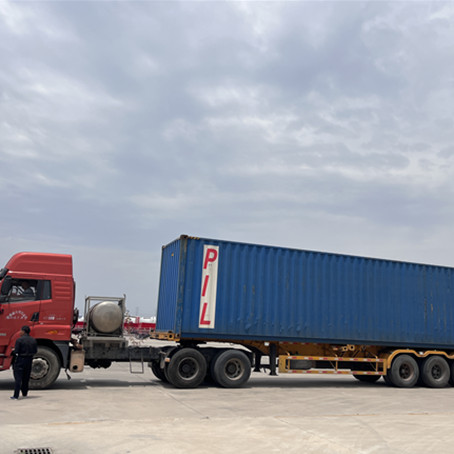
For international buyers, the logistics of shipping the trailer itself is a critical consideration. Experienced exporters optimize freight costs by offering Complete Knock-Down (CKD) or Semi-Knocked-Down (SKD) shipping options. This involves shipping the trailer in components to be assembled at the destination, allowing multiple units to fit into a single container.
Protection during transit is also vital. This includes using high-performance anti-corrosion waxes and coatings, especially for sea freight, and ensuring all components are securely braced and lashed to prevent damage. Modern packaging strategies also lean towards using recyclable or minimal materials where possible, aligning with corporate sustainability goals.
Strategic Manufacturing Partnership
Choosing a manufacturing partner is a long-term strategic decision. Look for a company with internationally recognized certifications, such as ISO 9001 for quality management, and CE marking for compliance with European standards. A strong partner demonstrates a commitment to R&D, scalable production capacity to handle large orders, and a global support network for parts and service. They are not just a supplier; they are an extension of your operational team, invested in your success.
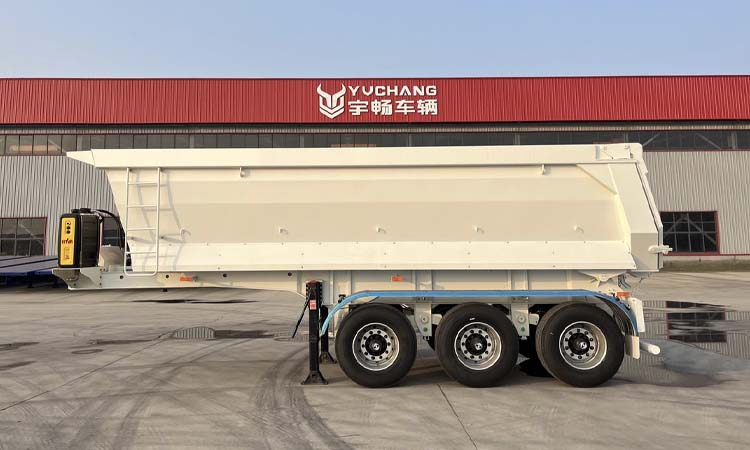
For complex projects involving heavy-duty tipper trailers or other specialized equipment, this partnership is essential for achieving optimal performance and ROI.
Submit your technical drawings to our engineering team for a detailed quote.
Industry FAQ Section
What are the main drivers of growth in the custom trailer market?
The primary growth drivers are the diversification of global supply chains, the rise of e-commerce requiring specialized logistics, large-scale infrastructure and energy projects needing project cargo solutions, and stricter regulations that make standardized, older equipment obsolete.
How often should a commercial trailer fleet be replaced?
The typical replacement cycle for a commercial trailer is between 7 and 12 years. However, this depends heavily on the application, mileage, maintenance quality, and the pace of technological change. The advent of smart features and more efficient materials is compelling some fleets to shorten this cycle to remain competitive.
How do new materials impact trailer prices and ROI?
Trailers built with advanced materials like aluminum or high-strength steel have a higher initial purchase price. However, they deliver a stronger Return on Investment (ROI) through lower operational costs—specifically, improved fuel economy and the ability to carry larger payloads, which can reduce the number of trips required.
What is the future outlook for trailer automation?
The future is increasingly automated. We are seeing a rapid adoption of advanced driver-assistance systems (ADAS) like automated braking and stability control. The next phase will involve greater sensor integration for self-diagnostics and predictive maintenance, paving the way for eventual integration into fully autonomous trucking convoys where the "smart trailer" is in constant communication with the truck and central command.
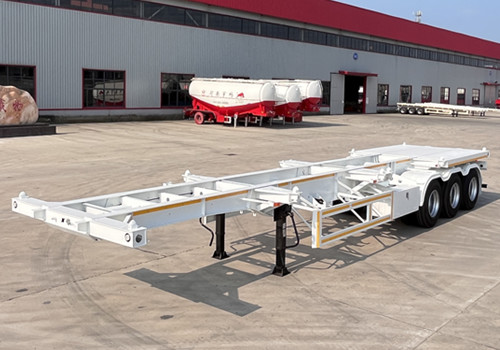
How to Choose a Skeleton Trailer for Container Haulage
A comprehensive guide for B2B buyers on how to choose the right skeleton trailer. Learn about key specs, types, costs, and common mistakes before you ...
Read More →