
How to Choose a Skeleton Trailer for Container Haulage
Selecting the right logistics equipment is a critical decision that directly impacts operational efficiency, safety, and profitability. A high-quality skeleton trailer, also known as a container chassis, is the backbone of intermodal transport, ensuring that shipping containers move seamlessly from ports to warehouses. Choosing the correct model minimizes downtime, reduces maintenance costs, and maximizes your return on investment. This guide provides the essential knowledge for procurement managers and fleet operators to make an informed purchasing decision.
Buyer's Quick Checklist
- Container Compatibility: Does it fit 20ft, 40ft, 45ft, or multiple container sizes?
- Payload Capacity: What is the maximum weight it can safely carry?
- Axle Configuration: How many axles are needed for your region's weight regulations?
- Frame Material & Construction: Is it built with high-strength steel for durability?
- Component Quality: Are the axles, suspension, and braking systems from reputable brands?
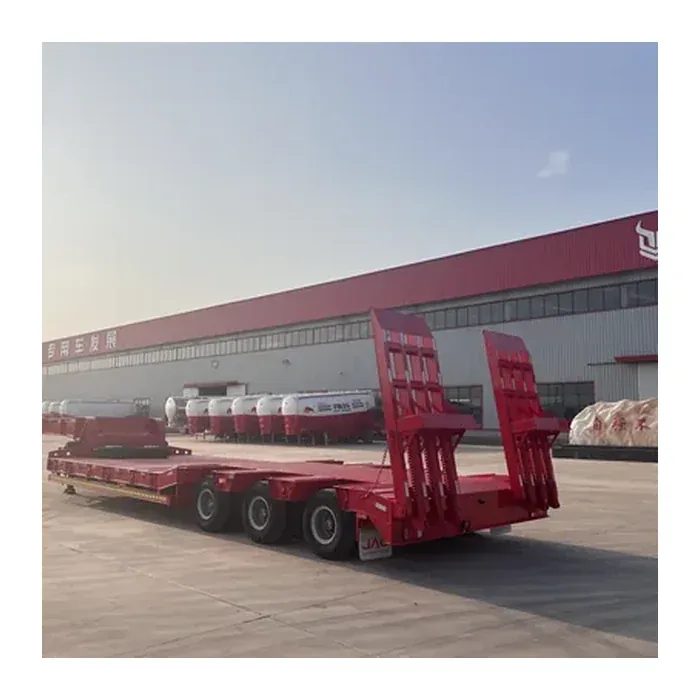
Key Factors & Technical Parameters to Consider
Evaluating the technical specifications is the most crucial step in the procurement process. These parameters determine the trailer's performance, lifespan, and suitability for your specific application.
- Payload Capacity: This is the maximum weight the chassis can legally and safely transport. It typically ranges from 30 to 60 tons. The capacity is directly linked to the number of axles and the main beam's structural integrity. Always choose a capacity that exceeds your average load to ensure a safety margin.
- Main Beam Construction: The chassis frame is the most critical structural component. Look for trailers constructed from high-strength steel, such as Q345B or T700. The main beams should be fabricated using automated submerged arc welding for consistent, strong, and durable joints that can withstand the stresses of heavy loads.
- Axle and Suspension System: Axles are a high-wear component. Reputable brands like BPW and FUWA are industry standards known for reliability. You must also choose between mechanical (leaf spring) suspension, which is robust and easy to maintain, and air suspension, which offers a smoother ride, protects sensitive cargo, and allows for adjustable height.
- Twist Locks: These mechanisms secure the container to the chassis. The number and position of twist locks determine the trailer's versatility. A standard 40ft model will have 4, 8, or 12 locks to accommodate one 40ft container, one 20ft container (centrally located), or two 20ft containers. Ensure the locks are made from high-tensile, forged steel for maximum security.
- Braking System: Safety is non-negotiable. Modern container chassis should be equipped with a reliable dual-circuit air brake system. An Anti-lock Braking System (ABS) or Electronic Braking System (EBS) from a trusted brand like WABCO is essential for preventing wheel lock-up during emergency braking, especially in adverse weather conditions.
- Tire and Wheel Specifications: Tires bear the entire load and are critical for safety and operational costs. Look for well-known tire brands with a high ply rating (e.g., 12.00R22.5 18PR) appropriate for your load and road conditions. Properly specified tires reduce the risk of blowouts and offer better fuel economy.
Types of Skeleton Trailers: Which One Fits Your Needs?
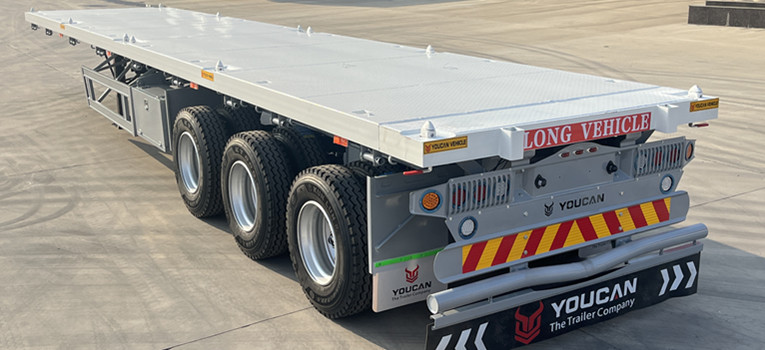
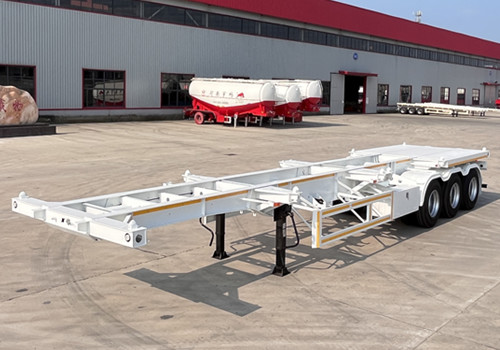
Container chassis come in various configurations, each designed for specific logistical tasks. While their core function is the same, their design differences have a major impact on efficiency. The minimalist design of a skeletal frame makes it lighter than traditional Flatbed Trailers, optimizing it purely for container transport.
| Trailer Type | Key Specifications | Price Level | Best Used For |
|---|---|---|---|
| 20ft Skeleton Trailer | 2 axles, approx. 7.5m length, 4 twist locks | $ | Port drayage, city logistics, dedicated 20ft container transport. |
| 40ft Gooseneck Skeleton Trailer | 3 axles, approx. 12.5m length, 8-12 twist locks, dropped front frame | $$ | Standard 40ft and high-cube container haulage, providing better stability. |
| 45ft Skeleton Trailer | 3 axles, approx. 13.7m length, extendable rear frame | $$$ | Transporting larger 45ft containers common in specific regions like Europe. |
| Interlink / Superlink Chassis | Two trailers (e.g., 20ft + 40ft) connected via a fifth wheel | $$$$ | High-volume, long-haul routes where regulations permit double configurations. |
Essential Features & Quality Standards
The difference between a reliable, long-lasting trailer and one that requires constant repairs often lies in the details of its construction and the quality of its components.
Distinguishing High-Quality Construction
- Welding Quality: Look for clean, consistent, and full-penetration welds. Automated welding processes are superior to manual welding for a trailer's main structural beams.
- Corrosion Protection: A thorough surface treatment process is vital, especially for operations in coastal or humid areas. A high-quality process involves complete shot blasting of the steel frame to remove all rust and scale, followed by a primer coat and at least two topcoats of high-quality polyurethane paint.
- Electrical System: All wiring should be sealed and protected within conduits to prevent water ingress and corrosion. LED lights are the modern standard, offering longer life and better visibility than traditional bulbs.
- Landing Gear: The landing gear supports the trailer when uncoupled. Heavy-duty, two-speed landing gear from brands like JOST provides stability and ease of operation.
International Quality Certifications
Reputable manufacturers adhere to international standards. Look for certifications like ISO 9001 for quality management systems, which ensures that the manufacturer has consistent and documented production processes. Compliance with CE standards may also be relevant depending on your market.
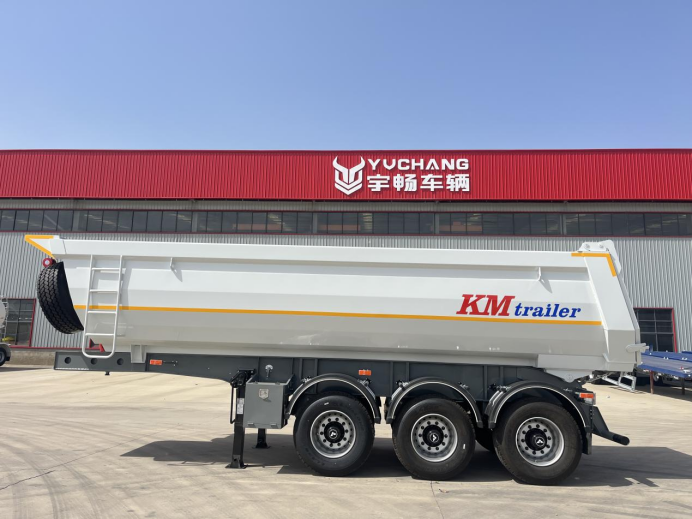
Total Cost of Ownership (TCO) & Budgeting Guide
The initial purchase price is only one part of the total cost. A smart buyer evaluates the Total Cost of Ownership (TCO) over the trailer's expected lifespan.
Upfront vs. Ongoing Costs
- Initial Purchase Price: This is the most visible cost, but a lower price often correlates with lower-quality steel, components, and paint, leading to higher costs later.
- Maintenance & Spare Parts: High-quality components (axles, suspension, brakes) require less frequent maintenance and replacement. A cheaper trailer may save you money today but cost more in downtime and repairs tomorrow. For a reliable supply chain, verify the availability of Trailer Parts from your supplier.
- Fuel Consumption: A well-designed, lighter-weight chassis made from high-strength steel can improve the fuel economy of your tractor unit.
- Resale Value: Trailers from well-regarded manufacturers that use premium components retain a higher resale value at the end of their service life.
When presenting a budget for approval, focus on the long-term ROI. A 10-15% higher initial investment in a superior trailer can result in a 30-50% reduction in maintenance costs and downtime over 5-7 years, delivering a significantly better return.
Top Common Buying Mistakes & How to Avoid Them
- Focusing Solely on the Lowest Price: The most common trap. A low price often indicates compromises in steel quality, component brands, welding techniques, or paint finish, leading to premature failure and higher TCO.
- Ignoring Local Regulations: Every country and region has specific laws regarding maximum vehicle length, width, height, and axle load limits. Failing to specify a trailer that complies with your local regulations can result in fines or the inability to register the vehicle.
- Mismatching the Suspension to the Application: Using a standard mechanical suspension for fragile cargo or on very poor roads can lead to product damage and driver fatigue. Conversely, an air suspension might be an unnecessary expense for rugged, off-road applications.
- Overlooking the Importance of After-Sales Support: A trailer is a long-term asset. Ensure your supplier can provide technical support and has a reliable system for supplying spare parts in the future.
- Under-Specifying for the Load: Consistently overloading a trailer that was not designed for the weight will lead to catastrophic frame failure, axle damage, and serious safety risks. Always choose a payload capacity with a reasonable buffer.
Customization & OEM/ODM Options
A one-size-fits-all approach rarely works in logistics. A good manufacturer can offer a range of customization options to tailor the trailer to your exact operational needs.
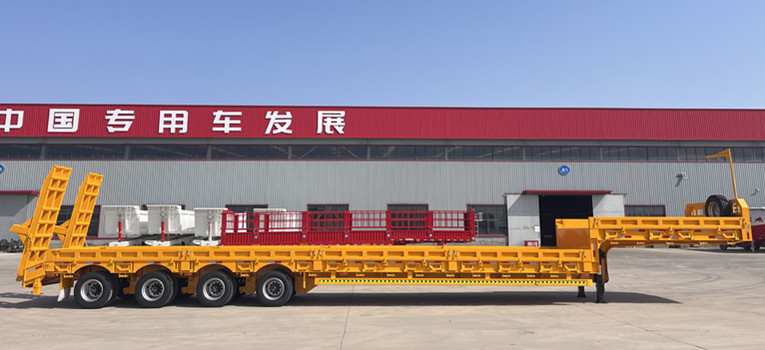
- Structural Modifications: This can include adjusting the number and position of twist locks, altering the gooseneck height, or reinforcing the frame for specific heavy-duty applications. The same engineering principles apply to other heavy haulage vehicles like Lowbed Trailers.
- Component Specification: You can often specify your preferred brands for key components like axles, suspension, braking systems, tires, and landing gear to maintain fleet commonality.
- Color and Branding: Trailers can be painted in your company's specific RAL color code and have your logo applied for a professional fleet appearance.
- Additional Accessories: Options like toolboxes, spare tire carriers, water tanks, and additional lighting can be added to improve functionality and driver convenience.
Inspection, Packaging & Shipping
For international buyers, understanding the final stages of the procurement process is essential for a smooth delivery.
Quality Inspection
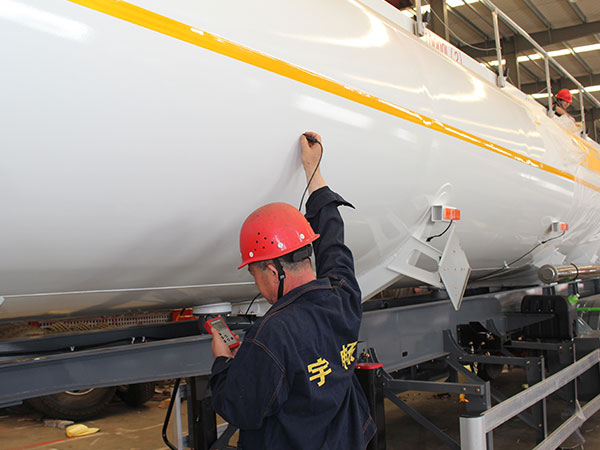
Before dispatch, the manufacturer should conduct a final, comprehensive quality inspection. This includes checking dimensions, weld quality, paint finish, brake system functionality, and electrical circuits. You should receive a detailed inspection report with photos or videos for your records.
Export Packaging and Shipping
Due to their size, skeleton trailers are typically shipped in one of two ways:
- By Bulk Carrier or Ro-Ro Ship: The fully assembled trailer is driven onto the vessel. This is straightforward but can expose the trailer to the elements.
- In Containers (CKD/SKD): To save on shipping costs, trailers can be disassembled (Completely Knocked Down or Semi Knocked Down) and packed into 40ft high-cube containers. This requires reassembly at the destination but offers better protection and significantly lower freight costs.
Clarify shipping terms (Incoterms) with your supplier. FOB (Free On Board) means the supplier is responsible until the goods are loaded on the vessel, while CIF (Cost, Insurance, and Freight) means they also arrange and pay for shipping and insurance to your destination port.
Why Partner with Us as Your Manufacturer?
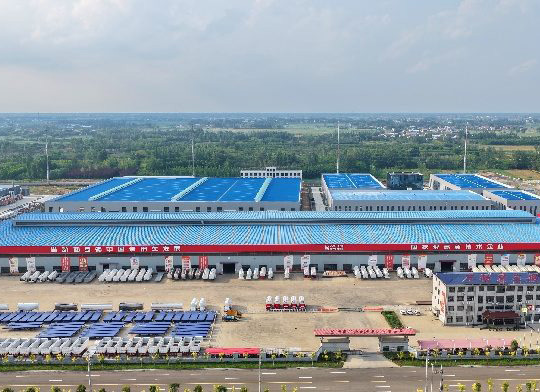
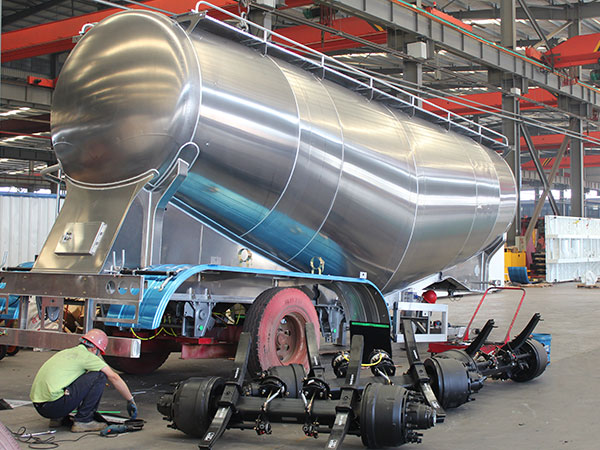
As a specialized manufacturer of semi-trailers, we offer a distinct advantage to international buyers. Our factory is equipped with advanced production lines, including automated cutting, submerged-arc welding robots, and a comprehensive sandblasting and painting facility. We use certified high-strength steel and source components exclusively from globally recognized brands to ensure every trailer we build meets the highest standards of durability and reliability.
Our engineering team works closely with clients to develop customized solutions that perfectly match their operational requirements. Every unit undergoes a rigorous multi-point quality control inspection before it leaves our facility. We stand behind our products with a comprehensive warranty and provide lifetime technical support to ensure your investment continues to perform for years to come.
For a detailed discussion about your specific container transport needs, please contact our team for selection advice.
Frequently Asked Questions (FAQ)
1. What is the minimum order quantity (MOQ) for a skeleton trailer?
Our minimum order quantity is typically one (1) unit. We support businesses of all sizes, from single-unit owner-operators to large fleet procurement projects.
2. What is the standard production lead time?
The standard lead time for a skeleton trailer is approximately 25-35 days from the confirmation of drawings and receipt of the deposit. Custom or large orders may require additional time.
3. What warranty do you offer on your trailers?
We provide a 12-month warranty covering the main frame and major components like axles and landing gear against manufacturing defects under normal use.
4. What are your accepted payment terms?
Our standard payment terms are 30% T/T (Telegraphic Transfer) as a deposit to begin production, with the 70% balance paid before shipment. We can also discuss Letter of Credit (L/C) for larger orders.
5. How do you provide after-sales service for international customers?
We provide comprehensive after-sales support through online technical guidance (email, video calls), detailed service manuals, and a reliable supply of original spare parts that can be shipped globally via express courier.
A Flatbed Trailer Manufacturer's Guide to Customization Trends
Get an expert analysis of the global market from a leading flatbed trailer manufacturer. Learn about material trends, customization, and procurement s...
Read More →
Custom Trailer Manufacturer: From Design to Delivery
Partner with an expert custom trailer manufacturer to get specialized solutions designed for your unique logistics needs. Explore industry trends and ...
Read More →