 WhatsApp
 sales@youcantrailer.com
 +8615203709888
What Should Be Included in a Semi Trailer Purchase Specification?
What Should Be Included in a Semi Trailer Purchase Specification?
Quick Answer
A semi trailer purchase specification should define the use case, the route, the load, the trailer type, the axle and suspension package, the materials, the accessories, and the acceptance criteria. If those items are not written down, the factory will fill the gaps with assumptions.

What Is a Purchase Specification?
A purchase specification is the document that turns a buyer's idea into a buildable order. It is more than a brochure request. It tells the supplier what the trailer must do, where it will operate, what cargo it will carry, and how the buyer will judge the finished unit.
In practical export work, the best specification is simple enough to read and complete enough to build from. It should let the supplier confirm the configuration without guessing, and it should give the buyer a clear comparison basis when several quotations arrive.
What Every Spec Should Cover
| Item | What to confirm | Why it matters |
|---|---|---|
| Use case | Cargo type, route, road quality, loading method, and destination market | This defines the whole design basis |
| Trailer definition | Trailer type, axle count, deck style, loading height, and legal limits | It prevents wrong model assumptions |
| Running gear | Axles, suspension, brakes, wheels, and tire pattern | It affects safety, service, and ride behavior |
| Structure | Main beam concept, frame style, side wall or deck layout, and reinforcement points | It controls strength and weight |
| Accessories | Tool box, spare tire carrier, lights, kingpin, landing gear, ramps, and locking devices | Missing accessories create rework |
| Finish | Paint system, color, logos, and anti-corrosion expectation | It affects appearance and durability |
| Inspection | Accepted documents, photos, test items, and correction steps | It defines the release standard |

Engineering Note: A good specification freezes the order basis before production starts. Once the basis is clear, quotation, drawing confirmation, and inspection all become easier.
How to Write the Spec in a Practical Order
Start with the operating scenario: cargo, route, climate, loading method, and whether the trailer will be used on highways, mine roads, ports, or mixed routes.
Then define the trailer class: flatbed, lowbed, tanker, tipper, skeleton, or a customized combination.
After that, lock the technical package: axle count, suspension type, brake preference, kingpin, landing gear, and tire configuration.
Add the structure and accessories next, including platform width, side guards, ramp, tool box, spare tire carrier, electrical details, and paint requirement.
End with acceptance criteria, photo requests, document list, and any special destination requirement.
Common Buyer Mistakes
Copying another buyer's spec without checking the road, cargo, or legal situation.
Using marketing words such as heavy duty or premium without technical detail.
Listing one part, such as axles, without defining the full configuration around it.
Leaving out acceptance criteria and then arguing about the result after production.
Forgetting to write the destination market requirement, which leads to paperwork or registration trouble later.
YOUCAN uses the purchase specification as the start of engineering control. If you want to compare platforms, you can review flatbed trailers, lowbed trailers, and bulk cement trailers, then align the final order with the confirmed use case.
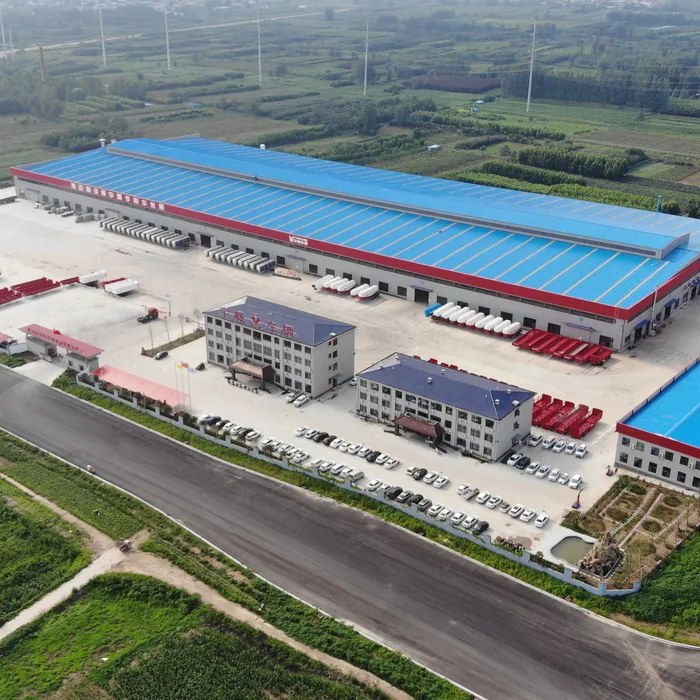
The same specification also helps the buyer work with quality control and factory overview teams because everyone is checking the same document instead of a loose email thread.
Engineering Note: The strongest spec is usually the shortest one that still answers every build-critical question. Clarity matters more than decoration.
Key Takeaways
Start with the route and cargo, not with a product name.
Include the full trailer package, not just the biggest visible part.
Write the acceptance criteria before production starts.
Use the spec to compare quotations on the same basis.
A clear spec reduces rework, delays, and hidden assumptions.
FAQ
Do I need brand names in the spec?
Only when a brand is important to service, registration, or a buyer-approved standard. In most projects, the technical requirement matters more than the brand name.
Is one page enough?
Sometimes yes for a simple repeat order, but a custom order usually needs a more detailed spec that covers the complete configuration and acceptance criteria.
What if I do not know the axle or suspension type?
Describe the route, cargo, budget, and service network. A good supplier can then recommend a configuration without guessing.
Should I include drawings?
Yes, if the project is custom or high value. A sketch or reference drawing makes the specification much clearer.
What is the most important part?
The use case and operating conditions. If those are wrong, every later technical choice tends to drift in the wrong direction.
Conclusion
A purchase specification is the buyer's control point. When it is clear, the quotation is cleaner, the production process is easier to manage, and the final trailer is more likely to match the job it must do.