




Choosing Compartments and Axles for a Fuel Tanker Trailer
1. What Is a Fuel Tanker Trailer?
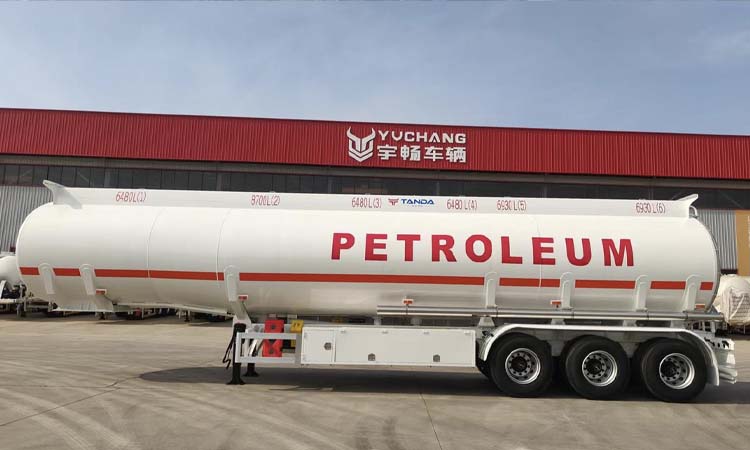
A fuel tanker trailer is a road transport unit designed to carry gasoline, diesel, kerosene, jet fuel and similar petroleum products in bulk. It consists of a pressure-tested tank body, a running gear with axles and suspension, and loading, unloading and safety systems.
For fuel distributors and logistics operators, it is the link between depots, terminals and filling stations. Two decisions shape its performance more than any other: how the tank is divided into compartments, and how many axles carry the load.

2. Types of Fuel Tanker Trailer
Buyers usually classify a fuel tanker trailer by tank material, compartment layout and axle configuration. Each variable affects payload, cost and the products you can carry.
By Tank Material
- Carbon steel: lower purchase price and easy to repair. It is heavier, so payload is lower.
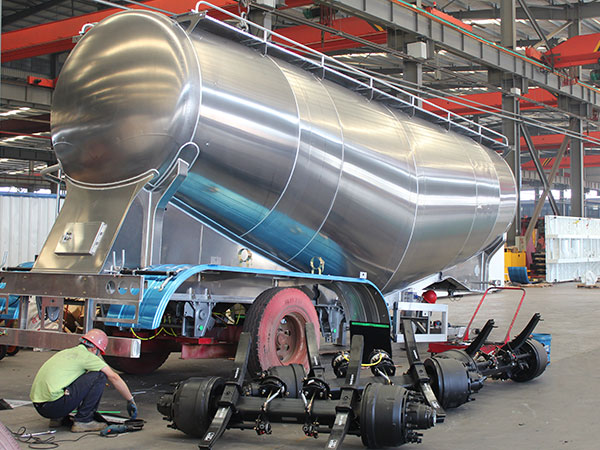
- Aluminum alloy: lighter and corrosion resistant, which allows more fuel per trip. See our Aluminum Fuel Tanker range for reference.
- Stainless steel: used where product purity or chemical resistance matters.
By Compartment and Axle Layout
| Configuration | Typical Capacity | Best For | Key Consideration |
|---|---|---|---|
| 2 axles, 2 compartments | 20,000-30,000 L | Urban delivery, light-duty roads | Lower tare weight, limited volume |
| 3 axles, 3-4 compartments | 35,000-45,000 L | Regional distribution, mixed fuel grades | Best balance of payload and flexibility |
| 3 axles, 5-7 compartments | 40,000-50,000 L | Service station routes with several products | More piping and valves to maintain |
| 4 axles (where permitted) | Above 50,000 L | Long-haul, high-volume depot transfer | Local axle-load and length rules apply |
Capacities vary by country regulation and tank design, so confirm legal limits before finalizing a specification.
3. Key Features of a Fuel Tanker Trailer
- Baffled, multi-compartment tank: baffles and dividers reduce liquid surge during braking. The result is better stability and less tire and suspension wear.
- High-strength axles and suspension: mechanical or air suspension on 13-tonne axles supports heavy loads and extends service life on rough roads.
- Bottom loading and vapor recovery options: faster filling, lower emissions and easier compliance at modern terminals.
- Emergency shut-off and rollover protection: internal valves and protected manhole assemblies lower spill risk and insurance exposure.
- Dual-circuit braking with ABS: shorter stopping distances and safer operation with full loads.
- Weight-optimized structure: lighter design lets operators carry more product within the legal gross weight.
4. Industry Applications of Fuel Tanker Trailers
Fuel haulage serves several sectors, and each tends to favor a different configuration:
- Petroleum distribution: multi-compartment tankers for gasoline, diesel and kerosene delivery to filling stations.
- Mining and construction: diesel supply to remote sites, where robust suspension and reliable axles matter most.
- Aviation: jet fuel transport to airport depots, with strict cleanliness and bonding requirements.
- Agriculture and power generation: bulk diesel delivery for farms, generators and fleet depots.
- Government and military logistics: strategic fuel reserves and field supply.
Operators who also handle other liquids can review our Specialized Liquid Tanker options.
5. Fuel Tanker Trailer for Sale
Our standard series covers the most requested market needs. Each can be adjusted to local regulations.
- Two-axle, 20,000-30,000 L: compact units for city and short-haul routes.
- Three-axle, 35,000-45,000 L: the most popular choice, in steel or aluminum, with 3 to 5 compartments.
- High-capacity multi-compartment units: 6 or more compartments for stations that receive several fuel grades per delivery.
You can browse the wider Tank Trailers catalog for related models. To receive a current price list or official catalog, send us your target capacity, destination country and fuel types.
6. Fuel Tanker Trailer Buying Guide
Purchasing Checklist
- Product and compatibility: list every fuel grade you will carry, including flash point and density.
- Legal limits: check maximum axle load, total length and gross weight in the operating country.
- Compartment plan: match compartment volumes to typical delivery drop sizes to avoid partial loads.
- Axle and suspension: choose the axle count and brand based on road quality and payload target.
- Budget and total cost: compare purchase price with fuel savings, tare weight and maintenance cost.
- Warranty and spares: confirm warranty terms and availability of Tank Trailer Parts.
Common Mistakes to Avoid
- Choosing too many compartments, which adds weight, valves and leak points.
- Selecting axles by price alone and ignoring real road conditions.
- Overlooking local certification, such as ADR or national pressure-vessel rules.
- Ignoring after-sales support and spare-part lead time.
7. Working Principle of a Fuel Tanker Trailer
The tank is a sealed vessel divided into separate compartments by bulkheads. Each compartment has its own manhole, outlet valve and, usually, its own vent, so different fuels never mix.
Product moves by gravity or pump. At the depot, fuel flows in from the top or through a bottom-loading coupler. At the delivery point, fuel is discharged through bottom outlets, a pump or a metering system.
The axles and suspension carry the weight and distribute it to the road. More axles spread the load further and allow a larger legal payload, but they also add cost and tare weight.
8. How Does a Fuel Tanker Trailer Work?
- Setup: park on level ground, apply brakes, connect the grounding cable and inspect valves and seals.
- Loading: connect the loading arm, open the correct compartment valve and fill to the marked level. Leave an allowance for thermal expansion.
- Transport: keep all valves closed and confirm the emergency shut-off is set. Drive with attention to braking distance and cornering.
- Unloading: connect the hose, open the required outlet and discharge by gravity or pump. Close and drain lines afterward.
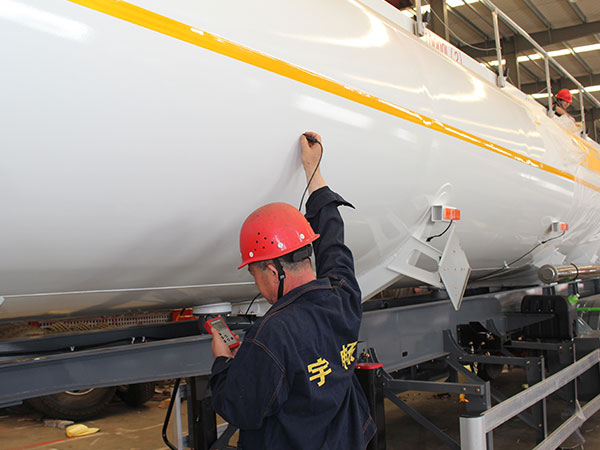
- Safety and maintenance: inspect gaskets, vents, brakes, tires and axle bearings on a regular schedule. Schedule periodic pressure and leak tests as required locally.

9. Fuel Tanker Trailer Customization Options (OEM/ODM)
Most buyers need some adjustment to fit local rules and route conditions. Available customization includes:
- Tank capacity and compartment layout: custom volumes, baffle spacing and number of compartments.
- Axle configuration: choice of axle brand, suspension type, kingpin position and wheelbase.
- Colors and branding: paint, logos and reflective markings to match your fleet.
- Discharge systems: bottom loading, vapor recovery, pumps, flow meters and hose reels.
- Electrical and lighting standards: plug types and voltage to suit the destination market.
We support both OEM and ODM projects, and minimum order quantities are flexible, from single units for trial orders to fleet programs.
10. Packaging and Shipping
Tank trailers are large, so shipping is planned early. Units can be shipped by RO-RO, flat rack, open top container or bulk vessel, depending on size and destination port.
- Protection: moisture-proof wrapping on exposed parts, and anti-collision padding on valves, lights and fittings.
- Loose parts: wheels, landing gear and accessories are packed in fumigation-free wooden cases when dismantled for container shipping.
- Documentation: commercial invoice, packing list, certificate of origin and bill of lading, plus any compliance documents your country requires.
- Lashing: chassis and tank secured to approved standards to prevent movement at sea.
Small spare parts, such as seals and valves, can usually be sent by air or express to keep your fleet running.
11. Why Choose Us as Your Fuel Tanker Trailer Manufacturer?
- Production experience: in-house welding, tank forming, testing and assembly under controlled quality procedures.
- Engineering support: our team can adapt compartment and axle layouts to your regulations and cargo.
- Quality documentation: inspection records and test reports for each unit, with certification support such as ISO and CE-related documentation as agreed per project.
- Clear lead times: production schedules confirmed at the quotation stage.
- After-sales service: technical support and a dependable supply of Trailer Parts.
12. Frequently Asked Questions about Fuel Tanker Trailers
How many compartments should a tanker have?
Choose one compartment per fuel grade you deliver, plus a margin for common drop sizes. Most regional operators use 3 to 5 compartments.
Is a three-axle trailer better than a two-axle trailer?
A three-axle unit carries more legal payload and spreads weight better. A two-axle unit costs less and suits light routes or restricted axle limits.
What is the typical lead time?
Standard configurations usually take several weeks to produce. Custom designs need more time for drawings and approval. Your quotation will state the confirmed schedule.
How long does a tanker last?
With regular inspection and correct maintenance, a well-built tanker can serve for many years. Aluminum tanks resist corrosion, while steel tanks need attentive coating care.
What warranty is provided?
Warranty terms cover manufacturing defects and are set in the sales contract. Wearing parts and components from third-party suppliers may follow their own terms.
What information do you need for a quote?
Please send your required capacity, fuel types, axle preference, destination country and any drawings or regulatory requirements.
To discuss compartment and axle options for your routes, contact us by email or WhatsApp, or submit the inquiry form on our website. We will reply with a suitable specification and quotation.
Maximize Quarry Output With a Heavy Duty Tipper
Discover the applications and specifications of a heavy duty tipper for mining, construction, and agriculture. Increase payload and efficiency. Reques...
Read More →
Reduce Drayage Delays With Container Chassis Trailers
Optimize port container transport with a durable container chassis trailer. Explore our guide on applications, specifications, and how to improve dray...
Read More →