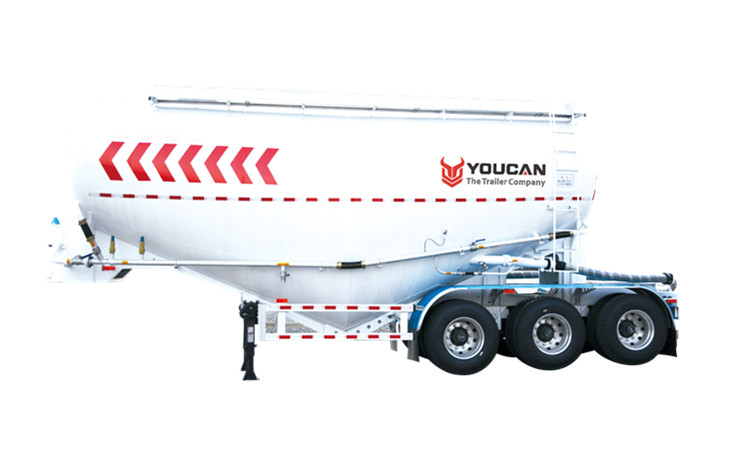
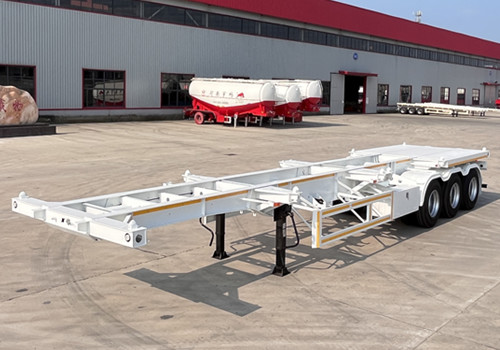
What Is a Cargo Semi Trailer Used For?
In the world of global logistics and freight transport, efficiency and reliability are paramount. A cargo semi trailer is a cornerstone of modern supply chains, designed to transport a vast array of goods over long distances when coupled to a tractor unit. Unlike a full trailer, it has no front axle, and a significant portion of its weight is supported by the towing vehicle. This design allows for immense carrying capacity, maneuverability, and versatility, making it an indispensable asset for businesses in manufacturing, retail, construction, and agriculture.
Understanding the capabilities and variations of these essential transport vehicles is crucial for procurement managers and fleet operators aiming to optimize their logistics operations. From raw materials to finished consumer products, the right trailer ensures that goods arrive safely, on time, and cost-effectively.
Types of Cargo Semi Trailers
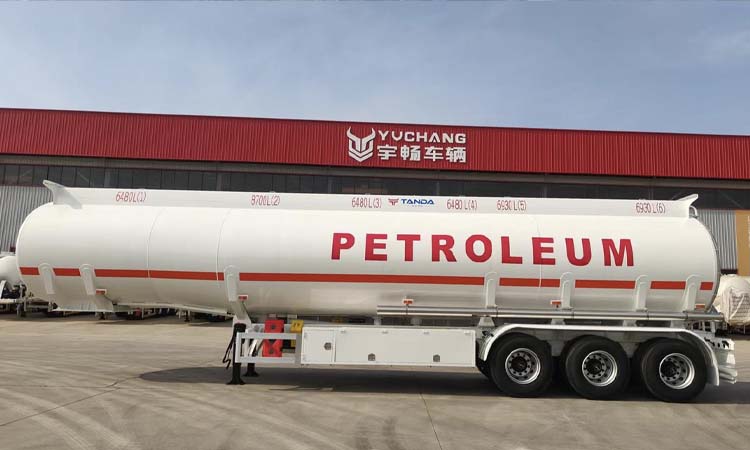
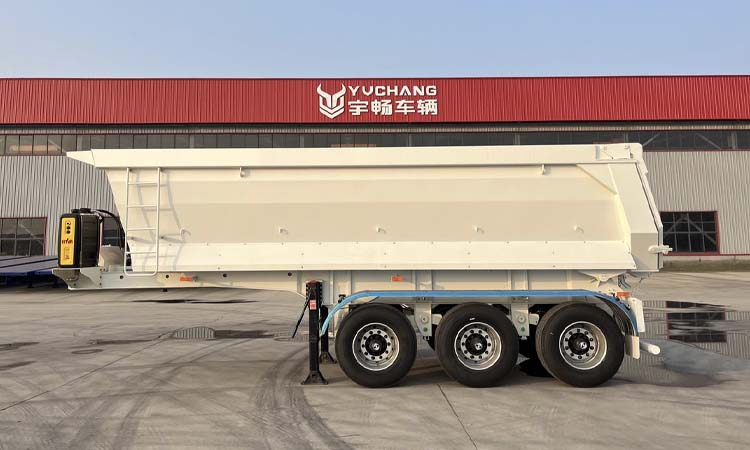
The term "cargo semi trailer" encompasses a wide range of designs, each tailored for specific types of freight and operational requirements. Choosing the correct type is the first step toward efficient and secure transportation.
- Dry Van / Enclosed Trailers: The most common type, these are fully enclosed boxes that protect cargo from the elements and theft. They are ideal for transporting palletized goods, electronics, apparel, and non-perishable food items.
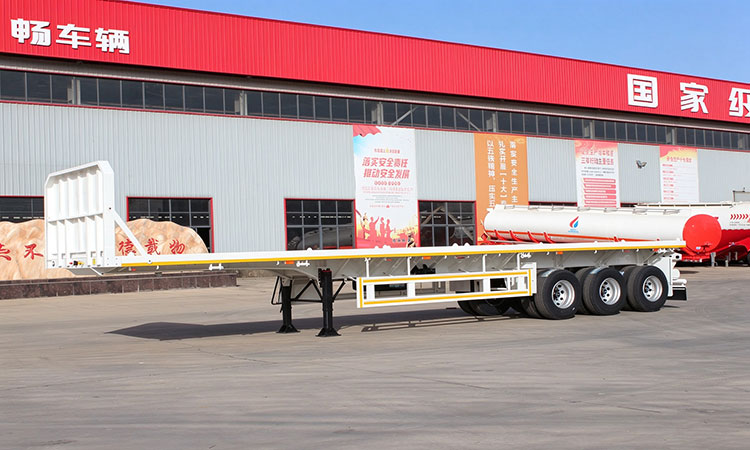
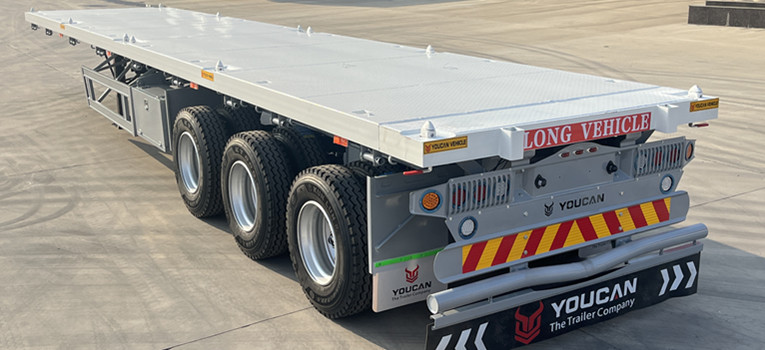
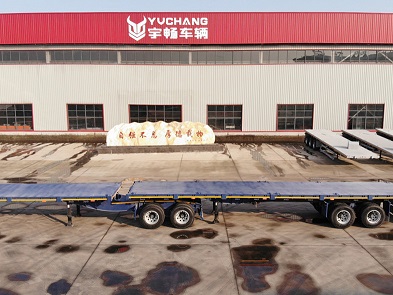
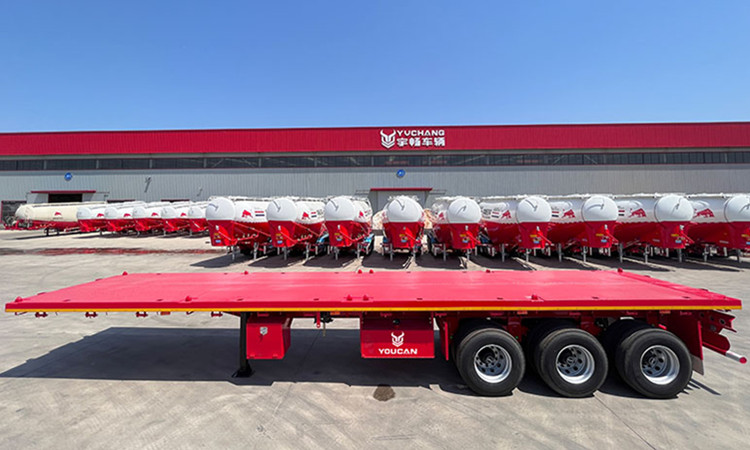
- Flatbed Trailers: Featuring an open deck with no sides or roof, Flatbed Trailers are perfect for hauling oversized or irregularly shaped loads like construction materials, heavy machinery, and industrial components.
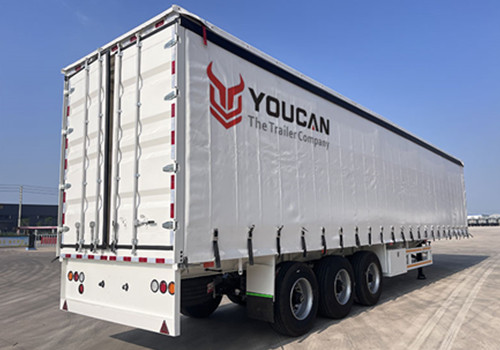
- Curtainsider (Tautliner) Trailers: A hybrid between a flatbed and a dry van, a Curtainsider has a rigid roof and rear doors but uses retractable curtains for sides. This allows for easy side-loading and unloading with forklifts while still offering protection from the weather.
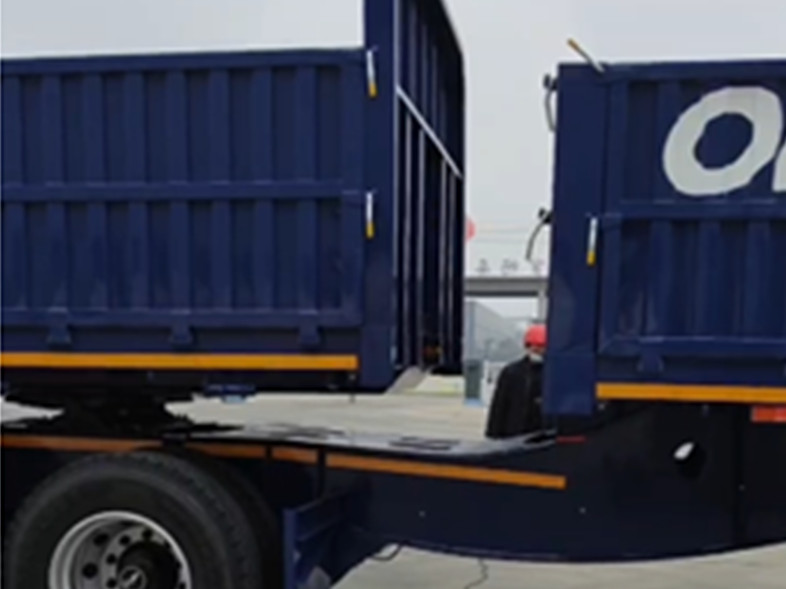
- Stake / Fence Trailers: Similar to flatbeds but equipped with removable posts (stakes) or fixed fences along the perimeter. These are commonly used for transporting logs, pipes, livestock, or bulk agricultural products that need containment but not full weather protection.
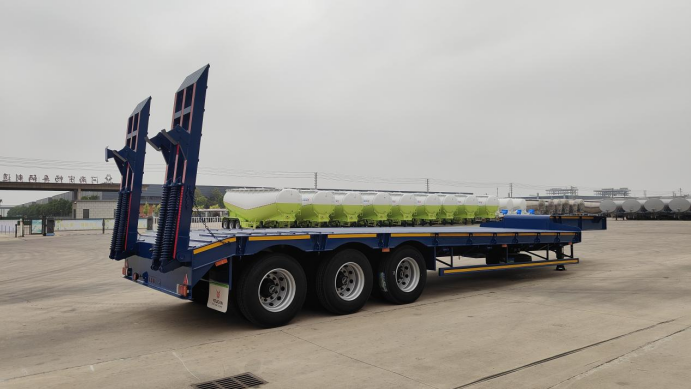
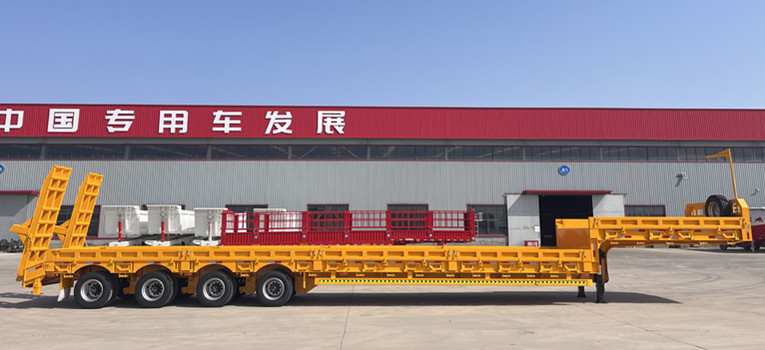
- Lowbed Trailers: Also known as lowboy trailers, these have a deck that is very close to the ground. Lowbed Trailers are specifically designed for hauling tall and heavy equipment like excavators, bulldozers, and large industrial machinery that would exceed standard height limits on other trailers.
Key Features of High-Quality Cargo Semi Trailers
When investing in a transport asset, specific engineering features translate directly into operational efficiency, lower total cost of ownership, and enhanced safety. Here are the key characteristics to look for:
- High-Tensile Steel Chassis: The use of advanced steel alloys like Q345B or T700 provides superior strength and durability while optimizing weight. This results in a higher payload capacity and a longer service life, even under demanding road conditions.
- Advanced Suspension Systems: Modern trailers are equipped with robust mechanical or air suspension systems. Air suspension, in particular, offers better shock absorption, protecting sensitive cargo from damage and providing a smoother ride, which can also reduce wear and tear on the trailer and tires.
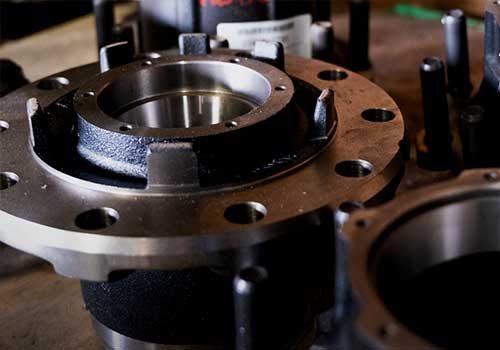
- Reliable Axle and Braking Systems: Reputable axle brands (like BPW or FUWA) and high-performance braking systems (such as WABCO ABS) are critical for safety and compliance. They ensure stable handling under heavy loads and reliable stopping power in all conditions.
- Durable Flooring and Structure: Whether it's a reinforced steel checker plate floor for heavy-duty use or a hardwood floor for general freight, the quality of the deck and side walls is crucial. A well-constructed body resists warping, impact damage, and corrosion, minimizing maintenance needs.
- Modular and Versatile Design: Features like twist locks for container mounting, multiple lashing points, and options for removable sideboards add significant operational flexibility, allowing a single trailer to serve multiple purposes.
Industry Applications
The versatility of general cargo semi trailers makes them vital across numerous sectors. Their design is optimized for a wide range of logistics challenges, from bulk material transport to last-mile distribution support.
- General Freight & Logistics: Transporting palletized goods for 3PL providers, distributors, and retail chains.
- Manufacturing: Moving raw materials, components, and finished products between factories, warehouses, and ports.
- Construction: Hauling building materials such as steel beams, cement bags, scaffolding, and prefabricated sections.
- Agriculture: Transporting bulk produce, animal feed, farming equipment, and bagged fertilizers.
- Retail & E-commerce: Supplying distribution centers and large retail outlets with consumer goods and stock.
Cargo Semi Trailers for Sale
We offer a diverse range of cargo semi trailers designed to meet international standards and diverse operational needs. Our product lines include standard-duty models for general freight and heavy-duty configurations for more demanding applications. Available in various lengths, axle configurations (2, 3, or 4 axles), and side wall heights, our trailers can be adapted to your specific requirements.
To help you find the perfect match for your fleet, we provide detailed technical specifications and performance data for each model. Explore our catalog to compare options for payload capacity, dimensions, and included features.
Buying Guide for Cargo Semi Trailers
Making the right procurement decision involves evaluating several key factors to ensure the trailer meets your long-term business needs. Use this checklist to guide your purchase.
Purchasing Checklist
- Payload Requirements: Determine the maximum and average weight of the cargo you will be hauling. Ensure the trailer's Gross Vehicle Weight Rating (GVWR) provides a safe margin.
- Dimensions and Volume: Consider the length, width, and height needed for your typical loads. For enclosed trailers, calculate the required cubic meter capacity.
- Axle and Suspension Type: Choose between two, three, or more axles based on weight distribution laws and payload. Decide between mechanical suspension for rugged simplicity or air suspension for cargo protection.
- Material and Build Quality: Inspect the quality of welds, the grade of steel used for the main beams, and the durability of the flooring and side panels.
- Regulatory Compliance: Confirm that the trailer's lighting, braking system (ABS/EBS), and dimensions comply with the regulations in your country of operation.
- Warranty and After-Sales Support: Inquire about the manufacturer's warranty policy on the chassis, axles, and other key components. Reliable access to Trailer Parts and technical support is crucial.
Common Mistakes to Avoid
Avoid specifying a trailer based solely on the lowest initial price. Under-specifying the load capacity or choosing inferior components can lead to premature failure, costly downtime, and safety hazards. Also, failing to consider the total cost of ownership—including maintenance, fuel efficiency, and resale value—can be a costly oversight.
Working Principle
The core principle of a semi trailer is load distribution. It is designed without a front axle, featuring a kingpin underneath its front end. This kingpin locks into a fifth-wheel coupling on the tractor unit. When connected, the front part of the trailer and its load are supported by the tractor's rear axles. The remaining weight is distributed over the trailer's own axles at the rear. This arrangement allows the combined vehicle to carry much heavier and longer loads than a rigid truck while improving stability and maneuverability, especially when turning.
How Does a Cargo Semi Trailer Work?
The operational workflow is straightforward but requires adherence to strict safety procedures.
- Coupling: The tractor unit reverses slowly until the fifth wheel aligns with and locks onto the trailer's kingpin. The driver then connects the air lines (for brakes) and electrical cables (for lights and signals).
- Pre-Trip Inspection: A thorough check of tires, brakes, lights, landing gear, and the coupling mechanism is performed to ensure everything is secure and functional.
- Loading: The landing gear supports the trailer during loading. Cargo is loaded according to a plan that ensures proper weight distribution over the axles to maintain stability and comply with legal limits.
- Securing Cargo: All goods are securely fastened using straps, chains, or load bars to prevent shifting during transit, which could be extremely dangerous.
- Transportation: The driver operates the combined vehicle, managing the increased length and weight, especially during turns, braking, and on inclines.
- Unloading & Uncoupling: Upon arrival, the cargo is unloaded. The driver then lowers the landing gear to support the trailer, disconnects the air and electrical lines, and unlocks the fifth wheel to drive the tractor away.
Customization Options (OEM/ODM)
We understand that standard models may not fit every unique logistics challenge. As an experienced manufacturer, we offer comprehensive OEM/ODM customization services to build a trailer that perfectly aligns with your operational needs. Our flexible manufacturing process supports various modifications:
- Custom Dimensions: Tailor the length, width, and side wall height to your specific cargo requirements.
- Axle Configuration: Choose the number and brand of axles, as well as options for liftable axles to save tire wear when running empty.
- Specific Materials: Select different flooring materials (steel, wood, aluminum) or higher-grade steel for the chassis for extreme-duty applications.
- Branding and Color: We can paint the trailer in your company's colors and apply your logo and branding for a professional fleet appearance.
- Specialized Fittings: Add custom features like additional lashing points, toolboxes, spare tire carriers, or specific electrical systems and plugs for international compliance.
We work with flexible Minimum Order Quantities (MOQ) and have a dedicated engineering team to assist with ODM projects from concept to production.
Packaging & Shipping
We ensure your semi trailers arrive in perfect condition, ready for deployment. Our logistics team is experienced in international shipping and handles all aspects of export packaging and transport.
- Shipping Methods: Trailers are typically shipped via bulk cargo vessel, Ro-Ro (Roll-on/Roll-off) ship, or in 40ft High Cube containers (requiring some disassembly, known as SKD or CKD). We recommend the most cost-effective and secure method based on your destination and order volume.
- Export Packaging: Before shipping, the main parts are waxed to protect against saltwater corrosion. Smaller parts are carefully packed in fumigation-free wooden cases. We ensure all components are securely fastened to prevent movement and damage during sea transit.
- Compliance & Documentation: We provide all necessary export documentation, including the Bill of Lading, Commercial Invoice, Packing List, and Certificate of Origin, ensuring a smooth customs clearance process at your destination port.
Why Choose Us as Your Cargo Semi Trailer Manufacturer?
Partnering with the right manufacturer is critical for acquiring reliable and long-lasting transport equipment. Our commitment to quality, innovation, and customer support sets us apart.
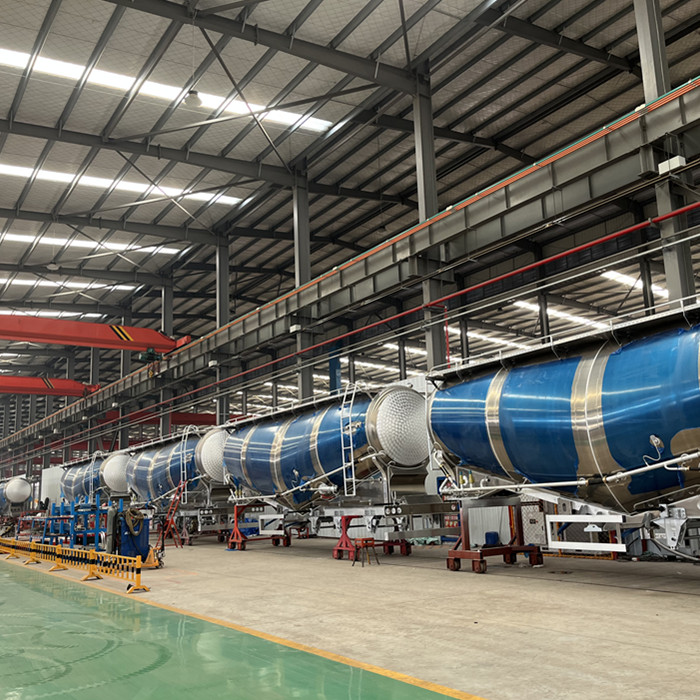
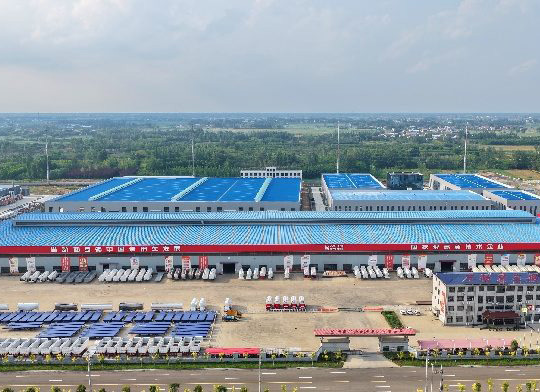
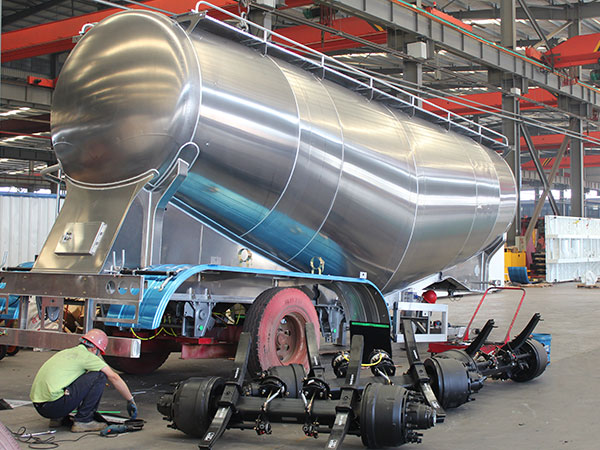
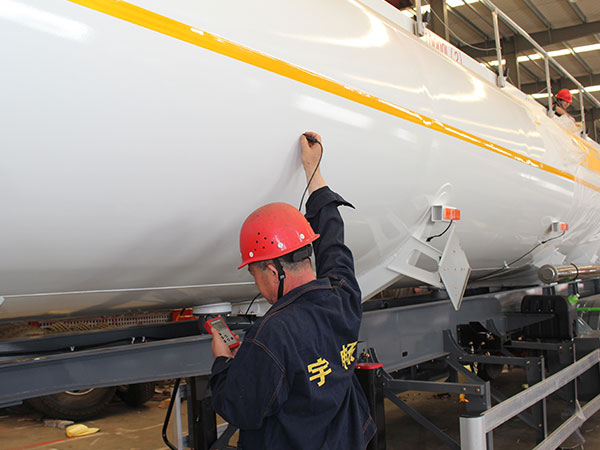
- Advanced Manufacturing Facility: Our factory is equipped with automated welding robots, CNC plasma cutters, and a large-scale shot blasting and painting line to ensure precision and a durable finish.
- International Certifications: We are an ISO 9001 certified company, and our products can be built to meet CE and other international standards as required.
- Experienced R&D Team: Our engineers continuously work on optimizing trailer design for better performance, higher payloads, and improved safety, incorporating feedback from clients worldwide.
- Fast Lead Times: An efficient production management system allows us to maintain competitive lead times without compromising on quality control.
- Global Reach: We have successfully exported trailers to numerous countries across Africa, Southeast Asia, South America, and the Middle East, with a deep understanding of different market requirements.
- 24/7 Technical Support: Our dedicated support team is available to assist with any technical questions, from pre-purchase consultations to after-sales service.
Frequently Asked Questions (FAQ) about Cargo Semi Trailers
What is the typical payload capacity of a 3-axle cargo semi trailer?
A standard 3-axle cargo semi trailer typically has a payload capacity ranging from 40 to 60 tons, depending on its structural design, materials, and local road regulations.
What is your standard lead time for an order?
For standard models, the production lead time is generally between 25 to 35 days after order confirmation. Custom-built trailers may require a slightly longer period, which will be specified in our official quotation.
What is the expected service life of your trailers?
With proper maintenance, our trailers, built with high-tensile steel and quality components, are designed for a service life of 10-15 years or more, even in rigorous operating environments.
What does the warranty cover?
We offer a comprehensive warranty that typically covers the main frame/chassis for one year against manufacturing defects. Key components like axles and suspension systems are covered by their original manufacturer's warranty.
Do you provide operator training?
While operating a semi trailer is standard for licensed truck drivers, we provide detailed operational manuals and can offer remote technical guidance on the specific features of our trailers, such as operating lift axles or custom locking mechanisms.
Can you ship the trailer to my country?
Yes, we have extensive experience in international logistics and can arrange shipping to major ports worldwide. We will handle the export process and provide you with all the necessary documents for import.
Feel free to contact our team to discuss your specific cargo hauling requirements.
Dry Bulk Trailer Specs for Export Fleet Buyers
Compare dry bulk trailer types, capacities, features, customization and export packing. Request a quote or selection advice for your fleet.
Read More →
Cargo Semi Trailer: Body Options for Export Loads
Explore our comprehensive guide on cargo semi trailer applications, specifications, and customization for global export. Find the right solution for y...
Read More →