Dry Bulk Trailer Specs for Export Fleet Buyers
Moving cement, fly ash, grain or mineral powder at scale demands equipment built for the material, not just the load. This guide gives procurement officers and fleet managers a clear technical and commercial view of how these vehicles are specified, built and shipped.
What Is a Dry Bulk Trailer?
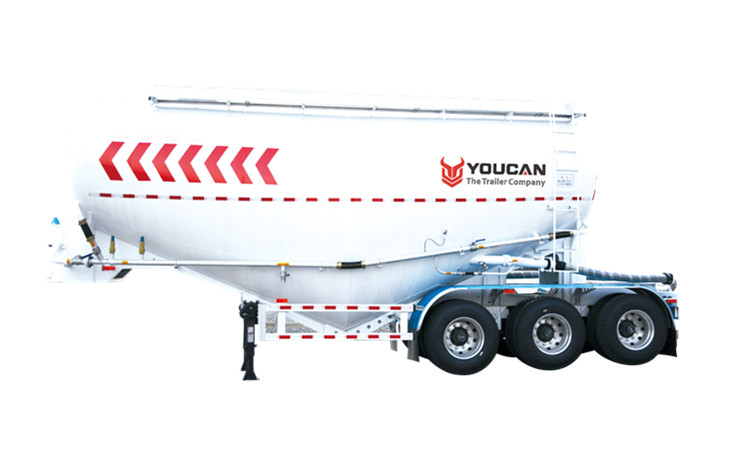
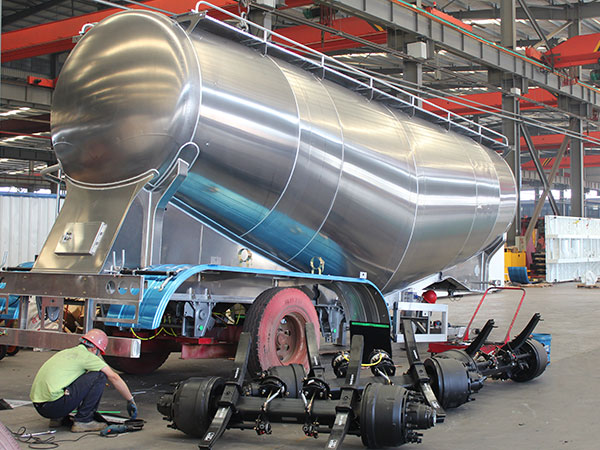
A dry bulk trailer is a semi-trailer designed to carry free-flowing, unpackaged solid materials such as powders, granules and grains. Most designs use a sealed pressure tank that loads from the top and discharges through compressed air.
Its industrial value is simple: it protects the cargo from moisture and contamination, cuts out bagging and pallet handling, and unloads quickly into silos. For construction, agriculture and mining supply chains, that means lower cost per ton moved.
Types of Dry Bulk Trailer
Buyers usually classify these trailers by discharge method and tank structure. The right choice depends on the material's flow behavior, the unloading site and local road regulations.
| Type | Discharge Method | Typical Materials | Key Advantage |
|---|---|---|---|
| V-type pneumatic tank | Compressed air through fluidized bed | Cement, fly ash, lime, mineral powder | Near-complete discharge, low residue |
| W-type pneumatic tank | Compressed air, dual discharge channels | Fine powders, large-volume loads | Higher volume with a lower center of gravity |
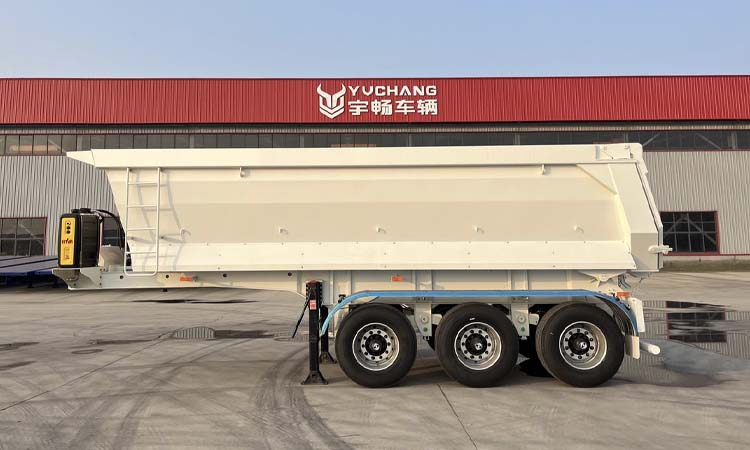
| Tipping bulk trailer | Hydraulic tilt, gravity discharge | Grain, granules, aggregates | No compressor needed, fast dumping |
| Aluminum alloy tank | Pneumatic | Cement, food-grade powder | Lower tare weight, higher payload |
Steel vs. Aluminum Construction
High-strength steel tanks are cost-effective and robust for heavy-duty routes. Aluminum reduces tare weight, which matters where axle load limits are strict. See our range of Aluminum Cement Trailers for lightweight options.
Key Features of Dry Bulk Trailer Designs
- Fluidization bed with air-permeable layer: aerates powder so it flows like liquid, giving fast, clean discharge and minimal residue.
- Pressure-rated tank (typically 0.2 to 0.25 MPa working pressure): safe operation and consistent unloading rates.
- Optimized tank geometry: lower center of gravity improves stability and braking on long hauls.
- Sealed manholes and valves: keep moisture out and protect product quality.
- High-strength chassis with quality axles and suspension: long service life and reduced downtime.
- Standardized fittings: simplified spare-part sourcing and lower maintenance cost.
Industry Applications of Dry Bulk Trailer Equipment
These trailers serve any sector that moves large volumes of dry material between plants, terminals and silos.
- Construction and cement: bulk cement transport to ready-mix plants and building sites.
- Power and steel: fly ash, slag powder and desulfurization lime transport.
- Agriculture: grain, feed and fertilizer granule delivery.
- Mining and minerals: mineral powder, barite and silica sand transport.
- Chemicals and food processing: soda ash, flour and sugar in dedicated, clean tanks.
Dry Bulk Trailer for Sale
Our standard programs cover a range of tank volumes and axle configurations. Typical ranges include:
- Volume: approximately 30 to 60 cubic meters, depending on material density and legal weight limits.
- Axles: 2, 3 or 4 axles, with 13-ton class axles commonly specified.
- Tank shape: V-type, W-type or tipping bulk body.
- Discharge: compressor-driven pneumatic, truck PTO blower or hydraulic tipping.
For specific cement-hauling layouts, review our Bulk Cement Trailers. For gravity-discharge loads, our Tipper Trailers are a practical alternative.
To receive the current price list or official catalog, send us your material, target volume and destination country.
Dry Bulk Trailer Buying Guide
Purchasing Checklist
- Material compatibility: confirm bulk density, particle size and moisture sensitivity. Density determines the right tank volume.
- Legal limits: check axle load, overall length and height rules in the destination market.
- Discharge power: decide between an onboard compressor, a truck-driven air source or gravity tipping.
- Tank material: choose steel or aluminum based on payload goals and budget.
- Components: verify axle, suspension, brake and valve brands, and make sure spare parts are easy to source.
- Warranty and support: confirm warranty terms, spare-part kits and technical guidance.
Common Purchasing Mistakes
- Choosing by tank volume alone and ignoring bulk density, which leads to overloaded axles or underused capacity.
- Ignoring the unloading site's pressure, hose length and silo height requirements.
- Selecting the lowest price without comparing steel grade, wall thickness and component brands.
- Skipping a spare-parts plan. A basic kit from Tank Trailer Parts reduces downtime abroad.
Working Principle Explained
The system works on pneumatic fluidization. Powder sits on an air-permeable layer inside the V-shaped or W-shaped bottom of the tank. When compressed air passes through this layer, the particles separate slightly and behave like a fluid.
Air pressure in the upper part of the tank then pushes the aerated material toward the discharge outlet and through the pipeline into the customer's silo. Tipping versions skip this process and rely on a hydraulic cylinder that raises the body so gravity empties the load.
How Does It Work Step by Step?
- Setup: park on level ground, apply the brakes, and connect the unloading hose to the silo inlet. Check all valves are closed.
- Loading: open the top manholes, fill from the loading spout, then close and lock the covers to seal the tank.
- Parameter input: start the air source and raise tank pressure to the rated range, usually below 0.25 MPa.
- Discharge: open the discharge valve gradually. Monitor the pressure gauge until the tank is empty and pressure drops.
- Safety and shutdown: vent the tank fully before opening any cover, and disconnect the hoses.
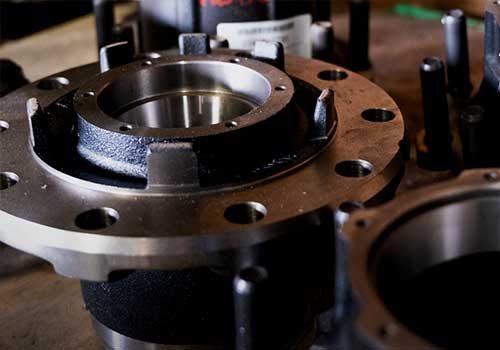
- Maintenance: inspect the safety valve, seals, fluidization layer and wheel hubs on a regular schedule. Lubricate axles and check tire condition.
OEM and ODM Customization Options
We adapt specifications to fleet standards and local regulations. Common options include:
- Custom tank volume, axle number and overall dimensions.
- Paint color, company logo and reflective marking.
- Choice of steel or aluminum tank, and an optional insulation or lining.
- Compressor, blower, hose and coupling specifications to match local silo connections.
- Lighting, plug and braking systems for the destination market, including left-hand or right-hand drive markets.
Our engineers can work from your drawings (ODM or OEM). Minimum order quantities are flexible, and trial orders are welcome for new importers.
Packaging and Shipping for Export
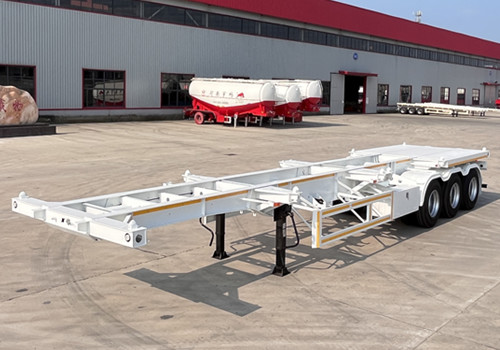
Large trailers are normally shipped by sea, either RoRo, on flat-rack containers, or in 40-foot high-cube containers when partially disassembled. Smaller components travel in protected packaging.
- Protection: moisture-proof wrapping on open parts, anti-collision foam on valves and gauges, and fumigation-free wooden cases for accessories.
- Securing: welded and strapped lashing points to prevent shifting during ocean transport.
- Documents: commercial invoice, packing list, bill of lading and certificate of origin. Additional conformity documents can be prepared for the destination.
- Spare parts: small items may travel by air or express for urgent needs. Browse Trailer Parts for common items.
Why Choose Us as Your Dry Bulk Trailer Manufacturer?
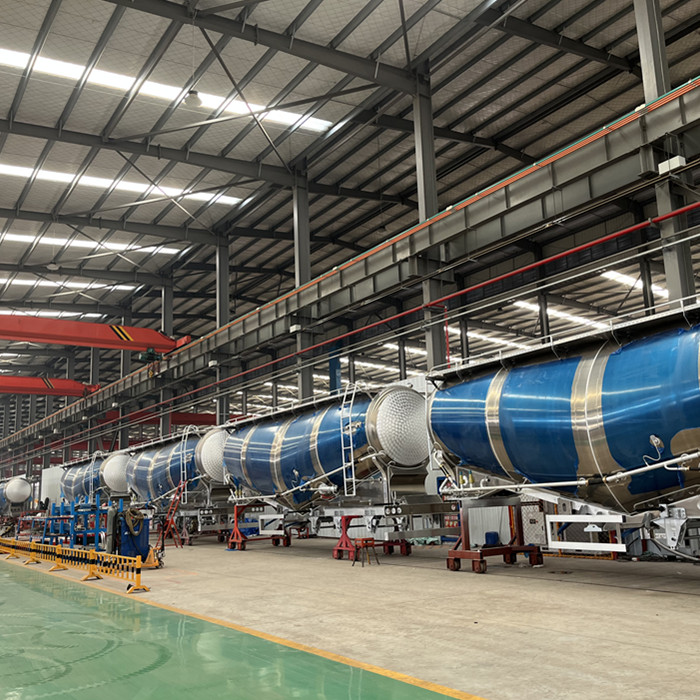
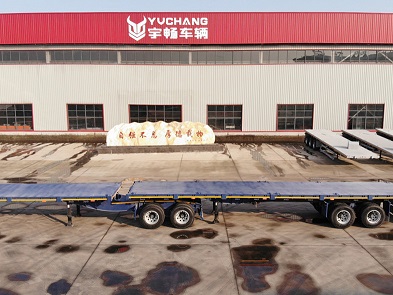
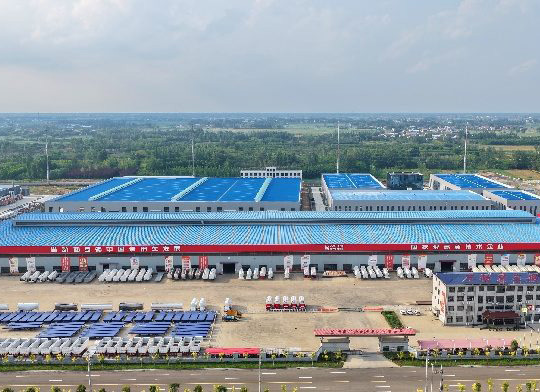
- Specialized production: our factory focuses on tank, tipping and flatbed semi-trailers, with controlled welding and pressure testing.
- Engineering support: our R&D team reviews your material, route and regulations before proposing a design.
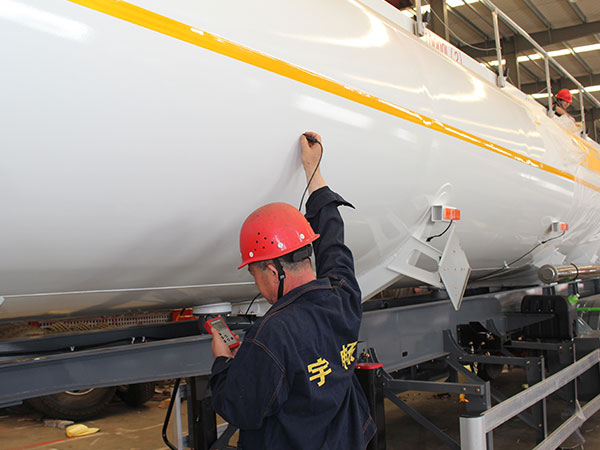
- Quality control: inspection at each stage, from steel plate cutting to final road and pressure testing.
- Delivery: clear production schedules and regular progress photos.
- After-sales service: remote technical assistance and fast spare-part dispatch.
- Export experience: we have supplied customers in multiple regions and understand their documentation needs.
Frequently Asked Questions About Dry Bulk Trailers
What is the price range?
Price depends on tank volume, material (steel or aluminum), axle count and components. Send your specification for an accurate quotation.
What is the typical lead time?
Standard models usually take roughly 25 to 45 days after deposit confirmation, depending on customization and order quantity.
How long does one last?
With proper maintenance, the tank structure can serve 10 years or more. Axles, tires, seals and valves are wear items to inspect regularly.
What warranty is offered?
Warranty terms are defined in the contract and typically cover structural and manufacturing defects. Wear parts are handled separately.
Do you provide operator training?
Yes. We supply operation and maintenance manuals, and can arrange video guidance for drivers and workshop staff.
Can it carry different materials?
Many tanks can handle several powders. Switching between food-grade and industrial materials requires dedicated cleaning or a separate tank to avoid contamination.
Ready to specify your next trailer? Send us your material, volume and destination through the inquiry form on our website, or contact us by email or WhatsApp for selection advice and a quotation.
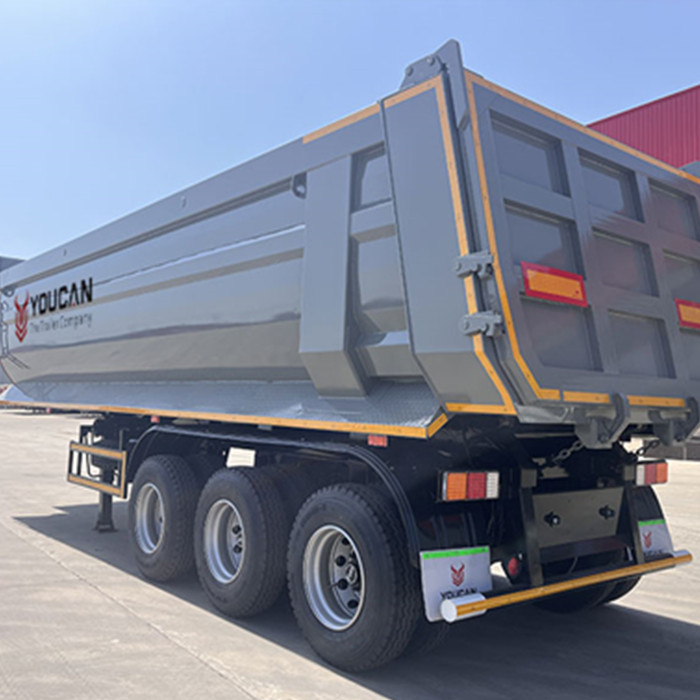
Cut Unloading Time With a Bulk Cement Trailer
See how a bulk cement trailer speeds up powder unloading across construction, mining, and energy projects. Request a quote or selection advice from ou...
Read More →
What Is a Cargo Semi Trailer Used For?
Discover the types, applications, and key features of a cargo semi trailer. Our guide helps you select the right transport solution for your logistics...
Read More →