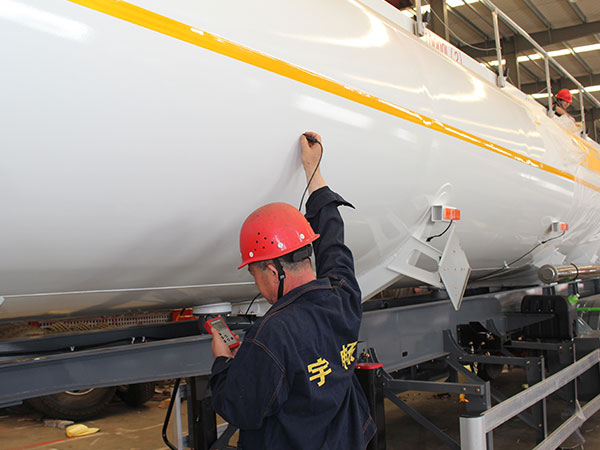
How to Choose a Stake Storage Trailer?
1. Introduction and Executive Summary
A well-specified stake storage trailer lets you move and hold bulky cargo such as lumber, steel bars, pipes, bagged goods and containerless freight without repeated handling. The right choice reduces loading time, protects cargo and lowers cost per ton-kilometer. The wrong one leads to overloaded axles, bent stakes and costly downtime.
Buyer's Quick Checklist
- Confirm the payload and gross vehicle weight allowed in your destination country.
- Match axle count, suspension and tire spec to your road conditions.
- Check deck length, stake height and stake spacing against your typical cargo.
- Verify steel grade, welding quality and corrosion protection.
- Request certification, test records and a clear warranty before ordering.
The sections below follow the sequence most procurement teams use: specifications, types, quality, total cost, risks, customization, shipping and supplier evaluation.
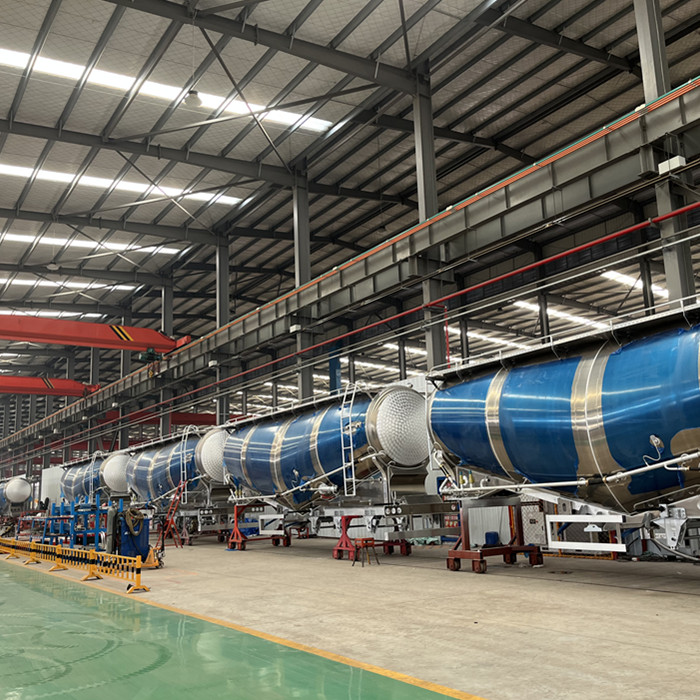
2. Key Factors and Technical Parameters to Consider
Before comparing quotations, define the operating profile. Cargo type, route and local regulations drive every specification below.
Core Specifications
- Load capacity: Specify both rated payload and gross combination weight. Allow a safety margin for dense cargo such as steel, but do not over-specify beyond legal axle limits.
- Axle configuration: Two-axle and three-axle layouts are common for semi-trailers. More axles spread load and improve legal payload, but add purchase and tire costs.
- Deck dimensions: Typical lengths suit 20 ft, 40 ft or longer cargo. Make sure the length and width comply with local road regulations.
- Stake design: Check stake height, spacing, pocket strength and whether stakes are removable, folding or fixed. Strong pockets prevent cargo shift.
- Frame material and thickness: High-tensile steel main beams give strength. Compare beam height, plate thickness and cross-member spacing instead of relying on weight alone.
- Suspension and braking: Mechanical or air suspension and the braking system (ABS/EBS where required) affect stability and safety, particularly on rough roads or in mountainous regions.
Operating Environment
Humid coastal ports, dusty mines and cold regions place different demands on paint systems, bearings and lighting. Tell the manufacturer about temperature range, road quality and expected annual mileage so components are selected accordingly.
3. Types of Stake Storage Trailer: Which One Fits Your Needs?
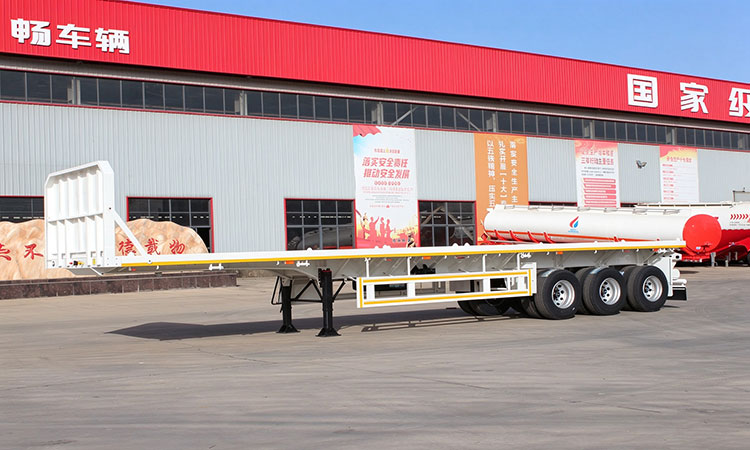
Most buyers choose between fixed-stake, removable-stake and combination designs. Your cargo mix and handling method decide which is most practical. For a standard model, see our Stake Semi Trailer range.
| Type | Key Specs | Price Level | Best Used For |
|---|---|---|---|
| Fixed-stake flat deck | Welded stakes, simple frame, 2-3 axles | Low | Repeated hauling of uniform cargo such as logs or pipes |
| Removable-stake trailer | Pocketed stakes, flexible deck, 2-3 axles | Low to medium | Mixed freight and operations needing a clear deck |
| Fence-sided stake trailer | Rail or mesh fence panels, higher sides | Medium | Bagged goods, bulky light cargo and livestock feed |
| Heavy-duty reinforced stake trailer | Thicker beams, stronger pockets, 3+ axles | Medium to high | Steel products, machinery parts and long-distance heavy loads |
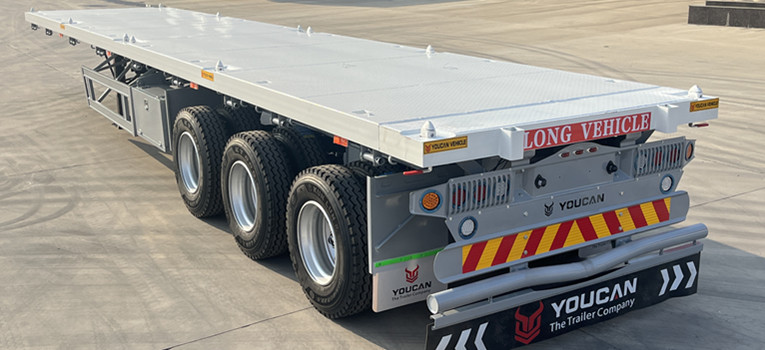
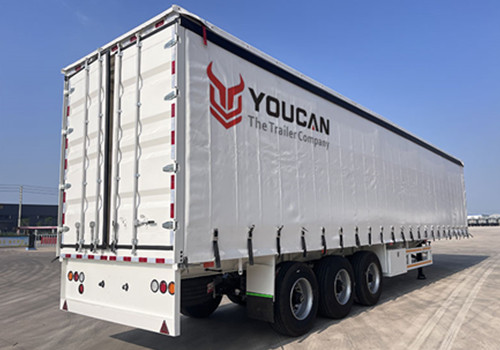
If you need high sides for lighter loads, a Fence Semi Trailer is worth comparing. For loads that need weather protection, consider a Curtainsider. For open loads without stakes, Flatbed Trailers are the simpler option.
4. Essential Features and Quality Standards
Price differences between suppliers often come from parts you cannot see in a photo. Inspect these areas first.
Features That Separate Quality from Low-Tier Products
- Welding quality: Continuous, uniform welds on main beams and stake pockets, with no undercut or porosity.
- Surface treatment: Shot blasting, primer and topcoat give far better corrosion resistance than direct spray painting.
- Axles and bearings: Recognized axle brands, correct bearing grade and proper hub sealing extend service life.
- Landing gear and kingpin: Check rated capacity and the kingpin standard (such as 2-inch or 3.5-inch) for compatibility with your tractors.
- Electrical system: Sealed connectors, 24V systems and compliant lighting reduce roadside failures.
Certifications and Standards
Ask which approvals apply to your market. Common references include ISO 9001 quality management, CE conformity where relevant, and destination-specific vehicle type approvals. Request material certificates for steel and test records for axles and brakes.
5. Total Cost of Ownership and Budgeting Guide
The invoice price is only one part of what a trailer costs over its working life.
Upfront vs. Ongoing Costs
- Upfront: Trailer price, optional equipment, freight, insurance, import duties and registration.
- Operating: Tires, brake wear, lubrication, inspections and fuel consumption affected by tare weight.
- Maintenance: Spare parts availability matters. Standardized Trailer Parts reduce downtime and sourcing risk.
- Residual value: Well-built trailers with documented maintenance retain resale value.
Justifying the Purchase
To present the investment to management, calculate payload gain per trip, reduced loading time and lower repair frequency. A slightly higher purchase price often pays back quickly if it prevents even a few days of unplanned downtime each year.
6. Top Common Buying Mistakes and How to Avoid Them
- Chasing the lowest price. Thin beams and weak stake pockets lead to early fatigue cracks. Compare drawings and steel specifications, not only the price.
- Over-specifying. Paying for extra axles or capacity you cannot legally use adds cost without benefit.
- Ignoring local regulations. Dimension, axle load and lighting rules vary by country. Confirm them before production begins.
- Overlooking tractor compatibility. Kingpin size, coupling height and electrical connectors must match your tractor units.
- Neglecting supplier support. Confirm warranty terms, parts supply and technical assistance in writing before placing the order.
7. Customization and OEM/ODM Options
Standard models rarely fit every operation. A capable manufacturer can adapt the design to your cargo and market.
- Structural changes: Deck length, stake height, stake spacing, headboard design and reinforced pockets.
- Components: Choice of axle brand, suspension type, tire size, landing gear and brake system.
- Electrical adaptation: Lighting and connector standards to match your region.
- Branding: Custom paint color, logos and identification plates.
- Accessories: Toolboxes, spare wheel carriers, twist locks, lashing rings and side rails.
Send drawings or a cargo description and the engineering team can propose a suitable configuration.
8. Inspection, Packaging and Shipping
Pre-Shipment Inspection
Before dispatch, inspect dimensions, weld quality, paint thickness, brake function, lights and tire pressure. Buyers may arrange a third-party inspection or request a photo and video report.
Export Packaging and Loading
Trailers can be shipped by RO-RO, flat rack, open top or in containers when partially disassembled. Loose parts should be packed in fumigation-free wooden crates or sturdy cartons with moisture-proof wrapping. Exposed machined surfaces should be protected against rust, and the trailer secured with proper lashing.
Shipping Terms
- FOB: The seller delivers to the port of loading and the buyer arranges ocean freight and insurance.
- CIF: The seller covers freight and insurance to the destination port.
- DDP: The seller manages delivery including import clearance, subject to destination rules.
9. Why Partner with Us as Your Manufacturer?
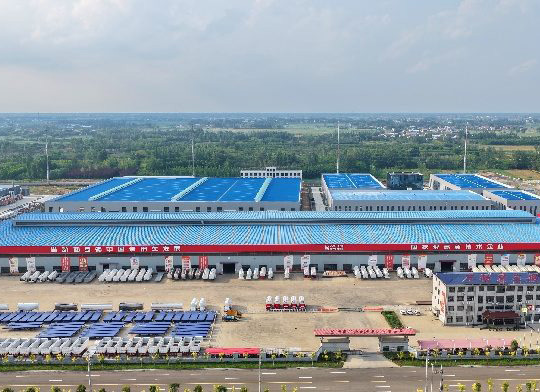
As a trailer manufacturer serving export markets, we focus on structural strength, consistent quality control and clear communication. Our product range extends beyond stake models, including flatbed, tipper and tank trailers, so fleet buyers can source from one supplier.
- Factory capability: In-house cutting, welding, assembly and painting under controlled processes.
- Quality control: Inspection at material intake, welding, assembly and final testing.
- Delivery: Planned production schedules with regular progress updates.
- Warranty and support: Defined warranty coverage, parts supply and technical guidance after delivery.
10. Frequently Asked Questions (FAQ)
What is the minimum order quantity?
Many buyers start with a single unit for evaluation. Volume orders usually qualify for better pricing and more flexible customization.
What is the typical lead time?
Standard configurations generally need several weeks for production, while customized designs take longer. Confirm the schedule when you approve the specification.
What warranty is provided?
Warranty terms cover structural and workmanship defects for a defined period, with purchased components such as axles and tires following their own manufacturer terms. Request the written warranty before ordering.
What payment terms are accepted?
Common options are T/T with a deposit and balance before shipment, or an irrevocable L/C at sight. Terms depend on order size and the buyer relationship.
What after-sales service is available?
Support includes technical advice, operation and maintenance guidance, and spare parts supply. Replacement items can be shipped internationally when needed.
Tell us your cargo type, payload, destination country and tractor details, and we will provide selection advice and a quotation for your stake storage trailer.
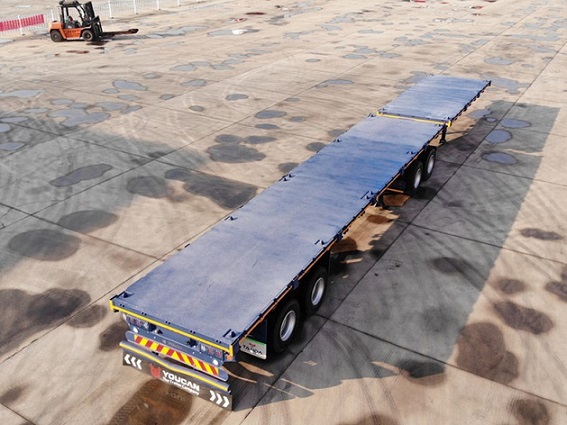
Cargo Semi Trailer: Body Options for Export Loads
Explore our comprehensive guide on cargo semi trailer applications, specifications, and customization for global export. Find the right solution for y...
Read More →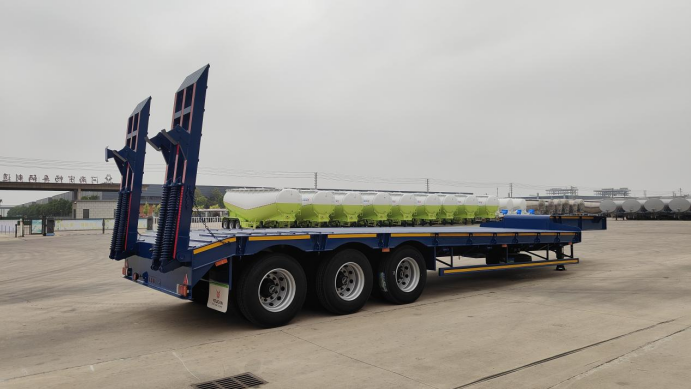
Interlink Fence Trailer Tandem vs Tri-Axle Guide
Compare tandem and tri-axle interlink fence trailer designs for payload, stability, cost, and fleet use. Request selection advice.
Read More →