Cargo Semi Trailer: Body Options for Export Loads
In the complex world of global logistics and heavy industry, the right equipment is paramount for efficiency, safety, and profitability. The cargo semi trailer stands as a cornerstone of modern supply chains, offering a versatile and high-capacity solution for transporting a vast array of goods across continents. From raw materials feeding manufacturing plants to finished products heading to market, these trailers are the workhorses that connect global commerce. Understanding their capabilities, applications, and customization options is crucial for procurement managers and fleet operators aiming to optimize their transport operations.
| Target Industry | Primary Load / Component | Key Benefit / Value Delivered |
|---|---|---|
| Logistics & General Freight | Palletized Goods, Consumer Products | High-volume capacity, weather protection |
| Construction & Infrastructure | Steel Beams, Precast Concrete, Pipes | Exceptional payload, robust construction |
| Agriculture | Harvested Crops, Bulk Feed, Equipment | Versatility for seasonal needs, load containment |
| Manufacturing | Raw Materials, Heavy Machinery | Customizable dimensions for specialized loads |
Core Functional Capabilities & Compatible Cargo
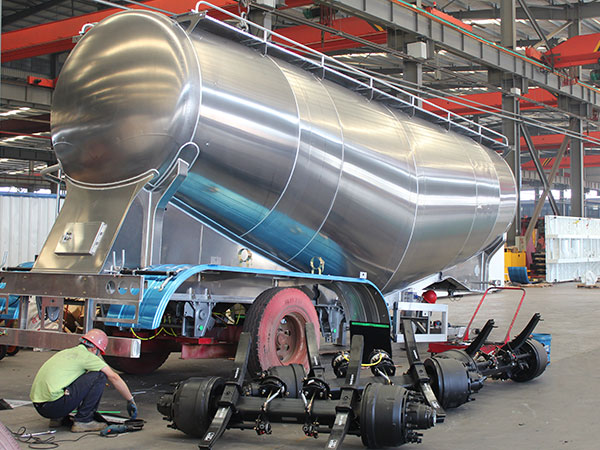
The fundamental design of a general cargo semi trailer is centered on a robust chassis, a reliable suspension system, and a versatile loading platform. The core function is to bear significant weight over long distances while ensuring stability and compliance with road regulations. Key engineering aspects include:
- Chassis Construction: Typically built from high-strength steel (like Q345B) I-beams, the main frame is engineered to handle dynamic loads and resist torsion and bending forces.
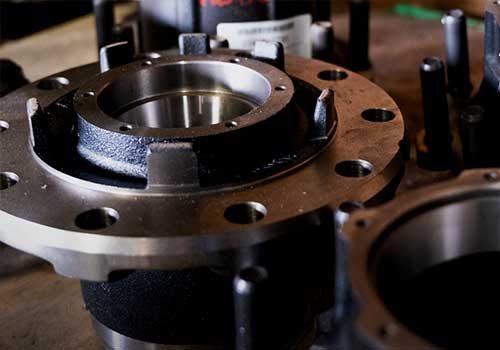
- Axle & Suspension Systems: Options range from standard mechanical spring suspensions for rugged terrain to advanced air-ride suspensions that provide a smoother ride, protecting sensitive cargo and allowing for adjustable deck height. Axle configurations (tandem, tridem) are selected based on payload requirements and regional weight limits.
- Braking Systems: Modern trailers are equipped with reliable air brake systems, often with ABS (Anti-lock Braking System) or EBS (Electronic Braking System) for enhanced safety and shorter stopping distances.
These trailers are designed to transport a wide variety of cargo types, including:
- Palletized and crated goods
- Building materials such as lumber, rebar, and piping
- Large, irregularly shaped machinery and industrial components
- Bagged agricultural products like grains and fertilizers
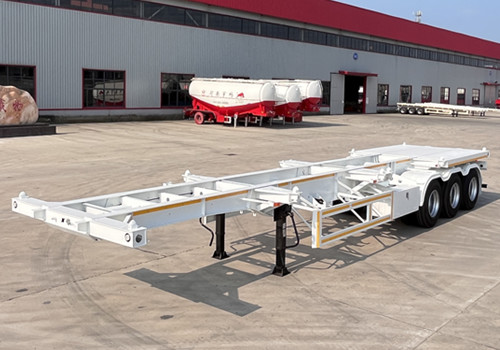
- Intermodal containers (on specially equipped flatbeds)
Industry-by-Industry Breakdown
Different industries leverage cargo trailers for specific operational advantages. The adaptability of the design allows for tailored solutions across various sectors.
Logistics & General Freight
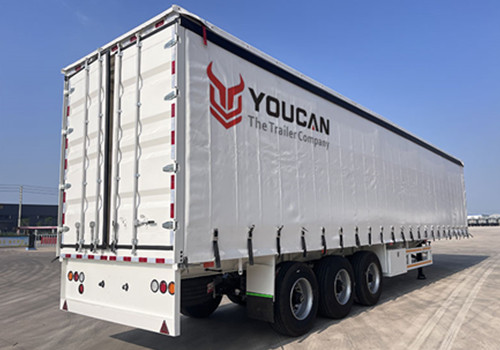
This is the most common application, involving the movement of finished goods from distribution centers to retail outlets. A Curtainsider variant offers the protection of a dry van with the easy side-loading access of a flatbed, significantly reducing loading and unloading times for palletized freight.
Operational Advantages: High cubic capacity maximizes shipment volume, while enclosed or curtain-sided bodies protect goods from weather and theft, ensuring product integrity upon arrival.
Construction & Building Materials
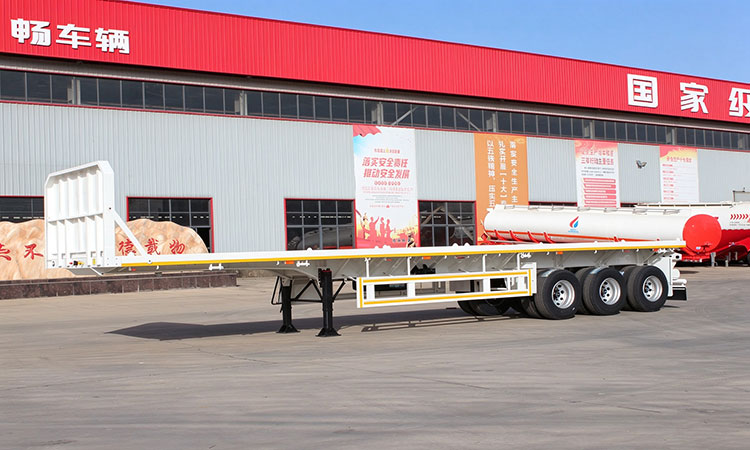
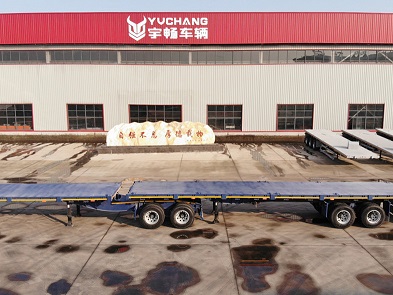
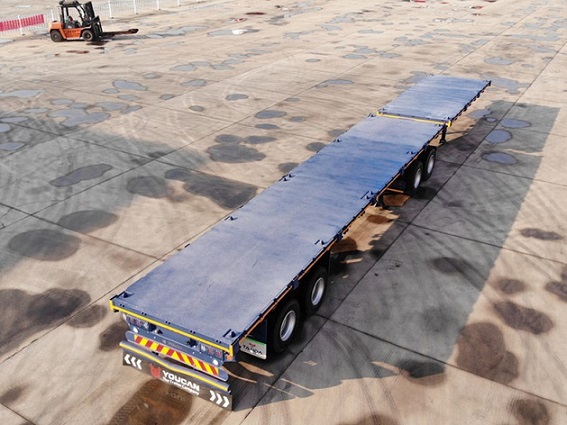
Construction sites rely on the timely delivery of heavy and oversized materials. Flatbed Trailers are essential for this, providing an open platform for hauling everything from structural steel to precast concrete panels.
Operational Advantages: Their robust, reinforced platforms can handle concentrated loads. The open design allows for easy loading and unloading by cranes from any angle, a critical feature on constrained job sites.
Agriculture
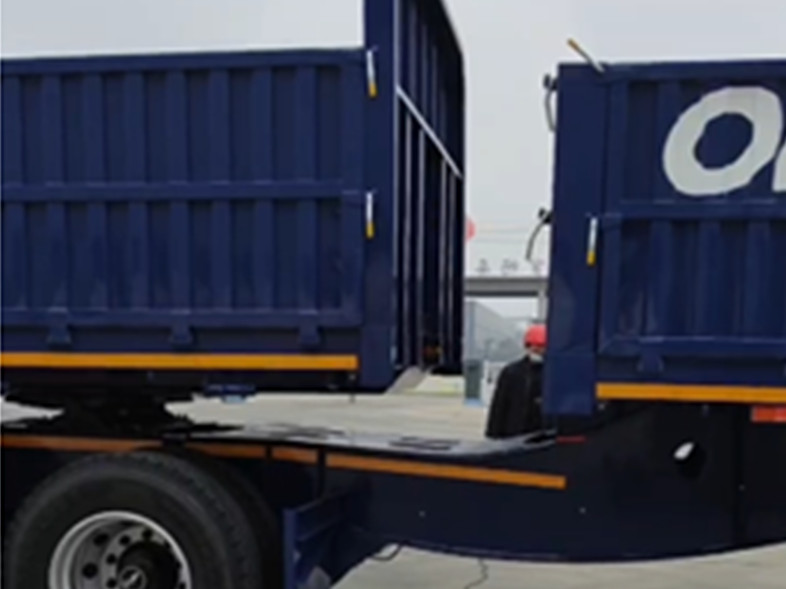
In the agricultural sector, trailers are used to transport everything from harvested crops to farm equipment. A Stake Semi Trailer provides a versatile solution, using removable posts (stakes) along the perimeter to contain loads like hay bales, bagged seeds, or crates of produce.
Operational Advantages: The ability to remove the stakes converts the trailer into a standard flatbed, offering dual-purpose functionality that is highly valuable during different seasons of the agricultural cycle.
Manufacturing & Industrial Goods
Factories require a steady flow of raw materials and an efficient way to ship out finished heavy equipment. Cargo trailers can be customized with specific load-securing points, floor reinforcements, and dimensions to safely transport high-value industrial machinery or raw material coils.
Operational Advantages: Tailored specifications ensure that sensitive and heavy equipment is transported securely, minimizing the risk of damage during transit. The high payload capacity is ideal for moving dense materials like steel or aluminum.
Real-World B2B Case Study Scenario
- Problem: A regional steel distributor was struggling with inefficient logistics, using multiple smaller trucks to deliver mixed loads of steel beams, plates, and rebar to various construction projects. This resulted in high fuel costs, driver shortages, and delivery delays. li>Technical Challenge: The firm needed a single transport solution capable of handling diverse load types and sizes while maximizing payload per trip to reduce overall costs.
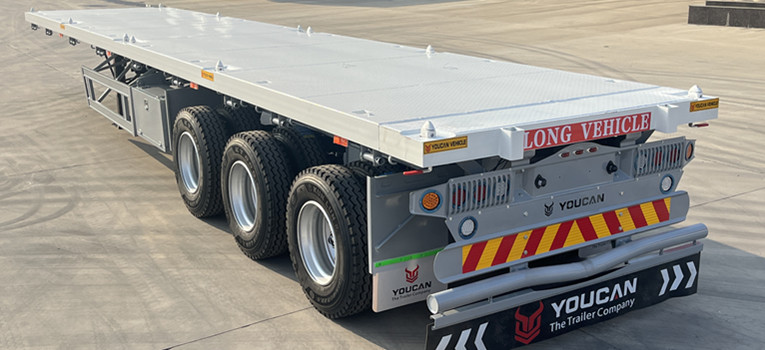
- Solution: The company invested in a fleet of 13-meter tri-axle flatbed cargo semi trailers. These were specified with reinforced flooring, multiple integrated lashing rings, and removable stake pockets to securely accommodate different forms of steel cargo on the same journey.
- Measurable Result: The transition to high-capacity semi-trailers enabled shipment consolidation, reducing the total number of required trips by 35%. This led to a 25% reduction in annual fuel expenditure and a significant improvement in on-time delivery performance, strengthening their reputation with key clients.
Application-Based Selection & Specification Matrix
Choosing the correct trailer specifications is critical for operational success. This matrix provides guidance for technical buyers.
| Application / Load Type | Recommended Trailer Type | Key Specification to Consider | Primary Benefit |
|---|---|---|---|
| General Palletized Goods | Dry Van or Curtainsider | Internal height, floor load rating, air suspension | Maximum cargo volume, weather protection, easy access |
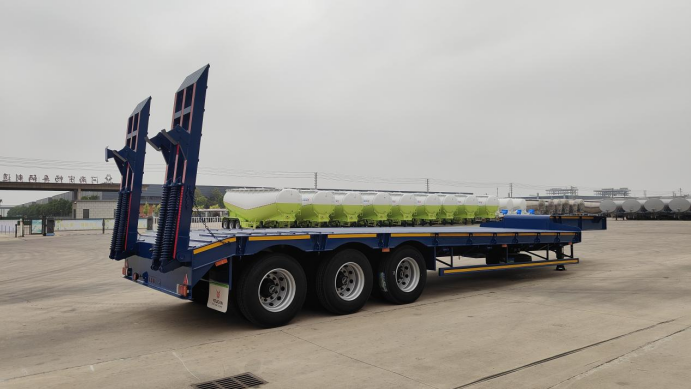
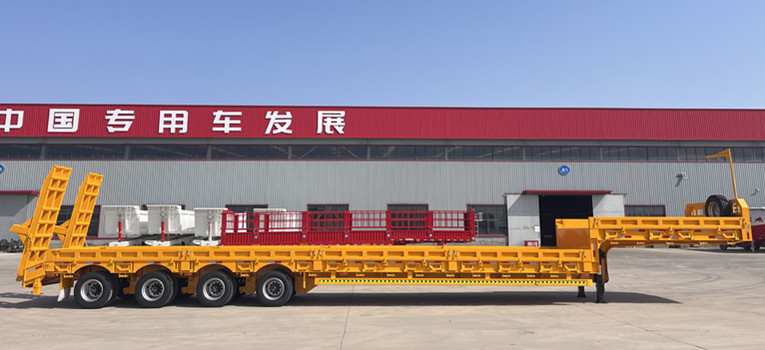
| Heavy/Oversized Machinery | Flatbed or Lowbed Trailers | Chassis strength, number of axles, deck height | High payload capacity, no height restrictions for cargo |
| Construction Materials (Pipes, Rebar) | Flatbed or Stake Trailer | Deck length, side stakes, number of tie-down points | Secure containment of long items, loading flexibility |
| ISO Shipping Containers | Skeletal Container Chassis | Twist lock positions (20ft, 40ft, 45ft), frame weight | Fast, secure, and standardized container transport |
Customization & OEM/ODM Capabilities for Niche Applications
Standard models may not fit every unique requirement. We offer extensive OEM/ODM customization to engineer a cargo semi trailer perfectly suited to your application. Custom options include:
- Dimensional Adjustments: Custom lengths, widths, and deck heights to accommodate special loads or comply with regional regulations.
- Axle & Suspension: Selection of axle brands (e.g., BPW, FUWA), lift axles for saving fuel on empty returns, and mechanical or air suspension systems.
- Flooring Materials: Options include standard steel checker plate, durable hardwood, or a combination for specific wear resistance needs.
- Load Securing Features: Additional twist locks for containers, custom-placed D-rings, chain boxes, and integrated winch systems.
- Electrical & Lighting: Full LED lighting systems and wiring configured to meet destination country standards (e.g., SAE, ECE).
- Finishing: Custom paint colors and application of company logos and branding before shipment.
Export Packaging, Logistics & Global Shipping Guidance
Ensuring your trailer arrives in perfect condition is a priority. We employ proven methods for international shipping.
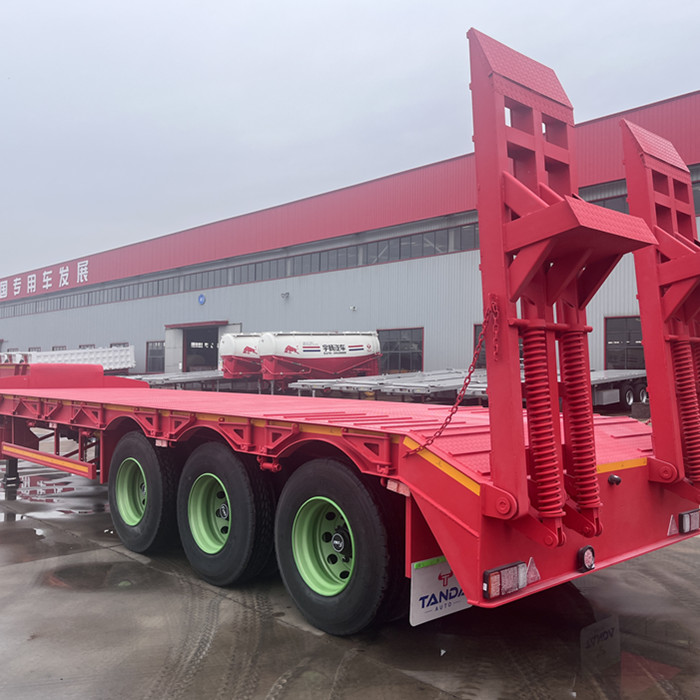
Trailers are typically shipped via bulk cargo vessel or Roll-on/Roll-off (Ro-Ro) ships to minimize costs. For containerized shipping, some models can be disassembled. To save on ocean freight, a common practice is stacking 2 or 3 trailer chassis together. Before shipment, all surfaces are thoroughly cleaned, and a layer of wax is applied to protect against saltwater corrosion during the sea voyage.
We are flexible with shipping terms, offering FOB (Free on Board), CIF (Cost, Insurance, and Freight), and DDP (Delivered Duty Paid) options to suit your procurement process.
Quality Assurance, Compliance & International Standards
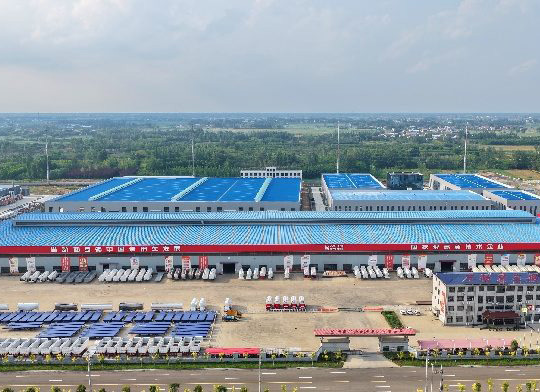
Our manufacturing processes adhere to stringent quality control standards to guarantee product reliability and long service life. All production is managed under an ISO 9001:2015 certified quality management system.
Key pre-dispatch testing procedures include:
- Welding Inspection: Critical welds on the main chassis beams are inspected for full penetration and integrity.
- Dimensional Checks: Verification of all key measurements against the approved engineering drawings.
- System Functionality Test: Testing of the braking, electrical, and lighting systems to ensure full functionality.
- Load Simulation: Static load testing to confirm the trailer's rated payload capacity and structural integrity.
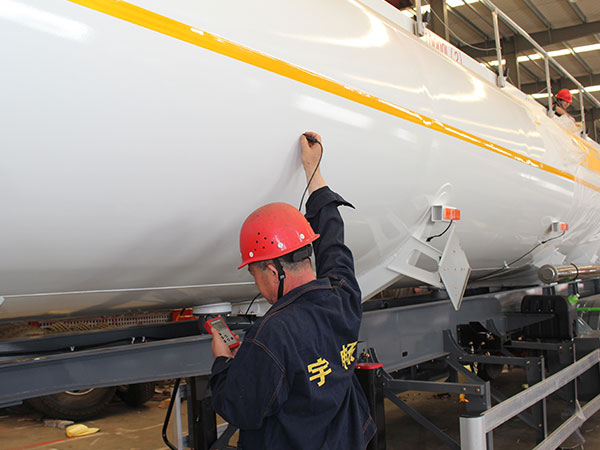
- Paint & Coating Inspection: Measurement of paint thickness to ensure adequate corrosion protection.
Frequently Asked Questions (FAQ)
What is the typical production lead time for a custom trailer order?
Standard orders are typically completed within 30-45 days. Lead times for highly customized units may vary depending on engineering complexity and component availability.
What axle and suspension brands do you offer?
We offer a wide range of options to meet different performance and budget requirements, including internationally recognized brands like BPW and FUWA, as well as other high-quality, certified manufacturers.
Can the trailer be built to comply with my country's specific regulations?
Yes. We have extensive experience exporting globally and can engineer our trailers to meet the specific dimensional, weight, braking, and lighting regulations of your country or region.
What warranty do you provide on your cargo semi trailers?
We provide a comprehensive warranty, typically 12 months, covering the main frame and major structural components against manufacturing defects. Specific warranty details are provided with each quotation.
To receive a detailed specification sheet or to discuss your unique transport challenges, please contact our engineering team for a formal quote.
What Is a Cargo Semi Trailer Used For?
Discover the types, applications, and key features of a cargo semi trailer. Our guide helps you select the right transport solution for your logistics...
Read More →
How to Choose a Stake Storage Trailer?
Learn how to choose a stake storage trailer: specs, types, TCO, customization, shipping and FAQs. Send your requirements for selection advice or a quo...
Read More →