Choosing an Interlink Fence Trailer with Tandem or Tri-Axle Running Gear
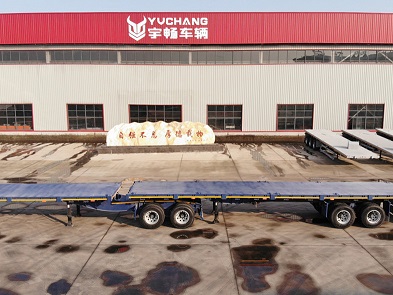
An interlink fence trailer is commonly specified with either tandem or tri-axle running gear, and the correct choice depends on legal payload limits, road conditions, loading frequency, cargo density, and tractor configuration. Tandem axle models prioritize lower tare weight, lower acquisition cost, and simpler maintenance. Tri-axle models distribute loads over more wheels, improve stability under heavier or taller freight, and provide greater flexibility where axle-load regulations are strict.
For international procurement teams, the decision should not be based on axle count alone. The chassis design, suspension type, tire specification, kingpin load, brake system, and destination-country regulations all influence the final operating value of the trailer.
1. Executive Summary and Quick Comparison Table
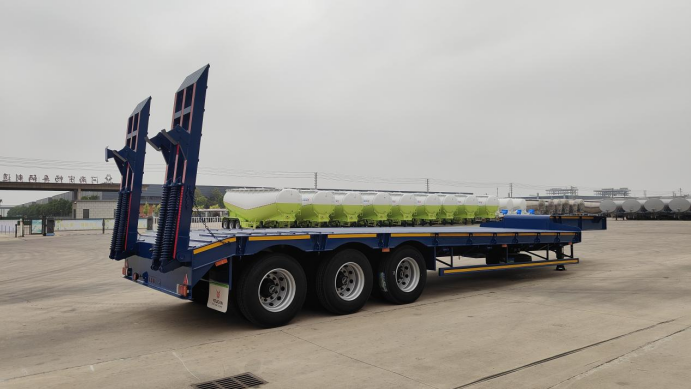
Tandem axle fence trailers are generally suited to regional or medium-payload operations where fleet operators value low dead weight, efficient tire replacement, and a lower initial investment. Tri-axle versions are better suited to high-volume hauling, long-distance freight, uneven routes, and operations requiring improved axle-load distribution.
| Comparison Factor | Tandem Axle Fence Trailer | Tri-Axle Fence Trailer |
|---|---|---|
| Key Specifications | Typically two axles, lower tare weight, fewer tires and brake components | Typically three axles, higher gross vehicle weight potential, additional suspension and braking capacity |
| Working Mechanism | Load is distributed across two axle assemblies and the tractor fifth wheel | Load is distributed across three axle assemblies and the tractor fifth wheel for lower individual axle loading |
| Speed and Stability | Good maneuverability and efficient handling at standard legal payloads | Higher stability potential for heavy, tall, or long loads when correctly loaded |
| Cost Level | Lower purchase cost and lower component count | Higher purchase cost due to extra axle, tires, brakes, suspension, and chassis reinforcement |
| Maintenance | Fewer wear parts, simpler inspection, lower tire and brake replacement expense | More tires and brake components, but potentially lower stress per axle under heavy loads |
| Ideal Application | General cargo, agricultural products, palletized loads, moderate-distance transport | Heavy bulk freight, steel products, timber, bagged cargo, long-haul and demanding road conditions |
Buyers comparing a fence-body configuration with other freight platforms may also review Interlink Trailers to evaluate different body and load-securing arrangements.
2. Understanding Tandem Axle Fence Trailers
Overview and operating principle
A tandem axle fence trailer uses two axle assemblies under the rear chassis. Its suspension, axles, tires, and brake system carry the rear share of cargo weight, while the kingpin transfers part of the load to the tractor unit. The design offers a practical balance between payload capability, maneuverability, and operating economy.
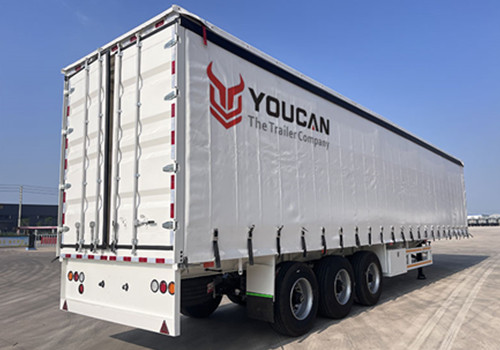
It is commonly selected for cargo that benefits from side containment and easy access, including bagged materials, agricultural goods, packaged industrial products, construction supplies, and general freight. A fence body can also support tarpaulin coverage where weather protection is required.
Key advantages
- Lower tare weight: Fewer axle-related components can increase the available payload within applicable gross-weight limits.
- Lower capital cost: Two axles, fewer wheels, and fewer brake assemblies reduce the initial equipment investment.
- Simpler maintenance: Daily inspections and replacement of tires, bearings, brake chambers, and suspension parts are generally more straightforward.
- Improved maneuverability: A shorter axle group can be beneficial in loading yards, urban routes, and constrained warehouse sites.
- Efficient for standard freight: Suitable for operators whose cargo weights remain consistently within tandem legal limits.
Potential limitations
- Lower legal gross vehicle weight potential in jurisdictions that calculate limits by axle count and axle spacing.
- Higher load concentration per axle when carrying dense cargo near the upper payload limit.
- May be less suitable for poor roads, overloaded freight, or operations with frequent high-center-of-gravity loads.
- Tire and suspension loading can increase if cargo is not distributed correctly along the deck.
3. Understanding Tri-Axle Fence Trailers
Overview and operating principle
A tri-axle fence trailer uses three axle assemblies, usually arranged as a closely spaced rear axle group. The additional axle increases the number of tires in contact with the road and helps spread cargo weight across a greater supporting area. Depending on local regulations, this can permit a higher gross combination weight or improve compliance with axle-load restrictions.
This configuration is often used for dense, heavy, or high-volume loads. It is especially relevant in markets where road authorities enforce axle-load limits through weighbridges or roadside inspections.
Key advantages
- Enhanced load distribution: Weight is shared across three axles, reducing loading per axle when the vehicle is correctly specified.
- Higher heavy-haul potential: Can support higher approved payloads where legislation, tractor rating, and chassis design allow.
- Improved stability: A longer axle group can improve stability for tall or unevenly distributed freight.
- Better suitability for difficult routes: Useful for longer intercity routes, variable pavement quality, and demanding cargo cycles.
- Operational flexibility: Provides capacity reserve for businesses handling mixed cargo weights.
Potential limitations
- Higher upfront cost due to the additional axle, wheels, tires, brakes, suspension parts, and frame reinforcement.
- Higher maintenance budget because more components require inspection and periodic replacement.
- Greater rolling resistance and tire scrub during tight turns, particularly with fixed axle configurations.
- Higher tare weight can reduce net payload where legal gross vehicle weight limits are unchanged.
4. Core Differences Between Tandem and Tri-Axle Configurations
Performance and output quality
For trailers, output quality is measured through payload utilization, stability, cargo protection, road handling, and service availability rather than production speed. A tandem design can deliver excellent utilization for standard loads because its lighter chassis may preserve more payload allowance. However, a tri-axle arrangement generally provides a greater safety margin for dense loads and uneven road surfaces.
Correct loading remains essential. Heavy cargo should be positioned to maintain suitable kingpin load while avoiding excessive pressure on the rear axle group. The fence structure should be matched to cargo height, lashing points, side-access requirements, and tarpaulin use.
Versatility and industry suitability
Tandem axle models are widely used in distribution, agriculture, consumer goods, packaged materials, and general cargo transport. They are practical where loading docks, turning areas, and route restrictions favor more compact running gear.
Tri-axle units are often preferred for steel, timber, bagged cement, quarry products, building materials, machinery accessories, and high-density cargo. Buyers transporting specialized freight may compare the body concept with an Interlink Flatbed Trailer where unrestricted side loading or oversized cargo access is more important than fence containment.
Cost analysis including acquisition, maintenance, and fuel
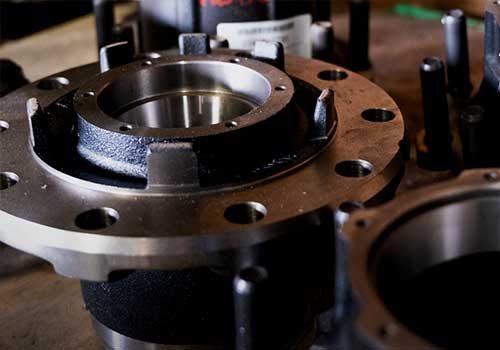
A tandem unit normally has the lower acquisition cost because it uses fewer axle assemblies, hubs, tires, brake drums or discs, air chambers, and suspension elements. It also requires fewer spare components in inventory. For fleets carrying moderate loads, this lower complexity can produce favorable lifecycle economics.
A tri-axle configuration costs more initially and requires a larger tire, brake, and suspension maintenance budget. Nevertheless, it may offer a better commercial return when it legally carries more saleable cargo per trip, reduces overload risk, or allows the operator to serve heavy-freight contracts without deploying additional vehicles.
Fuel consumption should be assessed in real operating conditions. The extra axle and tires can increase rolling resistance, but a tri-axle trailer may improve revenue per trip if it enables higher legal payloads. Procurement teams should compare cost per tonne-kilometer, not only fuel use per vehicle trip.
Lifespan and daily maintenance requirements
Both designs can achieve long service life when manufactured with appropriate steel grade, welding control, corrosion protection, and axle capacity. Lifespan depends heavily on loading discipline, road quality, preventive maintenance, and whether the trailer is operated within its rated gross weight.
Daily checks should include tire pressure, wheel fasteners, air leaks, brake response, lighting, suspension condition, coupling security, reflective markings, fence-panel locking, and cargo lashing points. Tri-axle equipment requires the same inspection process but across more running-gear components.
5. Decision Matrix for Selecting Tandem or Tri-Axle Running Gear
Choose a tandem axle model if
- Your regular loads are moderate in weight and do not require maximum gross vehicle capacity.
- Your operation prioritizes lower purchase cost, lower tare weight, and simple maintenance.
- Routes include frequent turns, compact distribution centers, or urban delivery locations.
- Local axle-load rules allow your target payload with two axles.
- Your fleet requires a cost-effective solution for general cargo and regional transport.
Choose a tri-axle model if
- You frequently haul dense or heavy cargo and must manage strict axle-load limits.
- Your commercial model benefits from higher legal payload potential per trip.
- Routes involve long distances, variable road quality, or demanding operational conditions.
- You require increased stability for tall, bulky, or high-center-of-gravity loads.
- Your tractor, permit conditions, and local regulations support a larger gross combination weight.
A reliable comparison should also confirm axle spacing, suspension rating, tire load index, fifth-wheel capacity, and local maximum dimensions. These details can materially change the preferred specification.
6. Customization Options for OEM and ODM Supply
An export-oriented interlink fence trailer can be configured for regional regulations, cargo characteristics, and fleet standards. Customization should begin with the required payload, route profile, prime mover specification, and destination-country approval requirements.
- Chassis dimensions: Deck length, overall width, wheelbase, rear overhang, and coupling height.
- Fence body: Fixed or removable side panels, fence height, pillar spacing, rear gate configuration, and tarp supports.
- Running gear: Tandem or tri-axle layout, mechanical or air suspension, lift axle options where permitted, and selected axle brands.
- Braking system: Air brake arrangement, ABS or EBS compatibility, brake chamber specification, and emergency connection standards.
- Electrical system: LED lamps, connector type, voltage standard, side markers, reverse lamps, and regional lighting compliance.
- Surface protection: Shot blasting, zinc-rich primer, polyurethane topcoat, color selection, decals, and fleet branding.
- Cargo security: Lashing rings, stake pockets, toolboxes, spare-wheel carriers, tarpaulins, and anti-theft fittings.
For mixed fleets, standardized components across fence trailers and Flatbed Trailers can simplify spare-parts planning and technician training.
7. Packaging and Shipping Guidance
Export delivery planning should protect the chassis, running gear, and electrical connections from moisture, abrasion, vibration, and corrosion. Large trailers are commonly transported by bulk vessel, roll-on/roll-off shipment, flat rack, or other project-cargo methods according to dimensions and destination port capability.
Export-standard preparation can include the following measures:
- Fumigation-free wooden cases for loose accessories, toolboxes, and spare parts.
- Anti-vibration padding around vulnerable accessories, lamps, connectors, and detachable components.
- Rust-proof wrapping or protective film for exposed machined surfaces and spare assemblies.
- Secure lashing to vessel or container structures using verified tie-down positions.
- Protective covering for brake connections, electrical sockets, and air-system fittings.
- Photographic loading records, packing lists, chassis identification details, and spare-parts documentation.
Before shipment, buyers should confirm port handling limits, discharge equipment, inland transport permits, and whether wheels, landing gear, or accessories must be partially removed for transport clearance.
8. Why Source from Us as Your Manufacturing Partner
A manufacturing partner should provide more than a standard drawing. The best procurement outcome comes from a technical review that matches chassis strength, axle selection, suspension, braking, and fence-body construction to the actual cargo and route conditions.
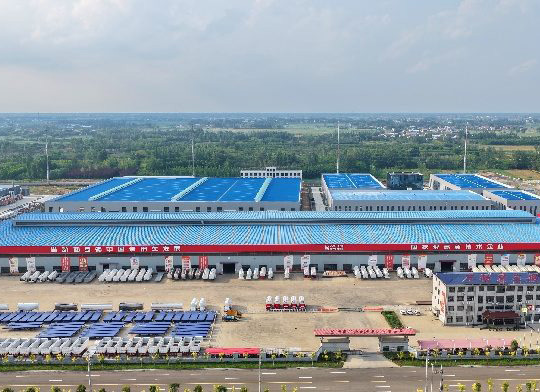
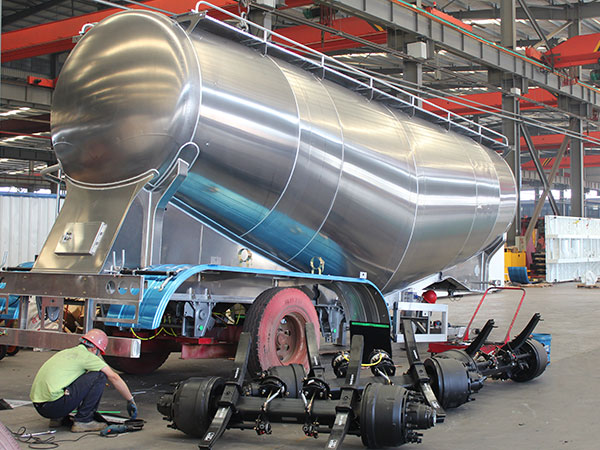
Our manufacturing approach focuses on configurable trailer structures, multi-stage production control, and export-oriented documentation. Buyers can request drawings, component lists, paint-system details, axle load calculations, and pre-shipment inspection records for project evaluation.
For regulated projects, certification requirements should be confirmed before production. ISO quality-system documentation, CE-related requirements where applicable, welding records, material traceability, and destination-specific compliance documents should be defined in the purchase specification rather than assumed after manufacture.
Global technical support is most effective when it includes clear assembly information, maintenance schedules, spare-parts identification, and responsive engineering communication. For fleets operating specialized equipment, compatible Trailer Parts planning can reduce downtime after delivery.
9. Frequently Asked Questions
Which configuration offers the higher payload capacity?
A tri-axle trailer usually provides higher payload potential because it distributes weight across three axles. However, the actual legal payload depends on local gross vehicle weight laws, axle spacing, tractor capacity, and the trailer tare weight.
Can a tandem axle fence trailer be upgraded to tri-axle later?
Converting a tandem chassis to a tri-axle design is usually not a simple upgrade. It may require major frame modification, suspension redesign, brake-system changes, electrical changes, and reapproval. It is generally more economical to specify the correct axle arrangement before production.
Which option has the faster return on investment?
A tandem model can provide faster return on investment for moderate payload operations because of its lower purchase and maintenance costs. A tri-axle model may generate a better return when higher legal payloads, reduced overload exposure, and fewer trips improve revenue per tonne-kilometer.
Does a tri-axle trailer require more maintenance?
Yes. It has more tires, hubs, brakes, bearings, suspension components, and associated inspection points. However, when properly loaded, the extra axle can reduce stress per axle and improve operational durability in heavy-duty service.
What information should be provided before requesting a technical quotation?
Provide target payload, cargo type and density, required body dimensions, destination country, tractor fifth-wheel height, preferred suspension, route conditions, annual mileage, and any mandatory certification or lighting requirements.
Request a technical quotation with your target payload, route conditions, and destination regulations.
How to Choose a Stake Storage Trailer?
Learn how to choose a stake storage trailer: specs, types, TCO, customization, shipping and FAQs. Send your requirements for selection advice or a quo...
Read More →