 WhatsApp
 sales@youcantrailer.com
 +8615203709888
How to Compare Semi Trailer Suppliers from China in 2026
How to Compare Semi Trailer Suppliers from China?
Quick Answer
To compare semi trailer suppliers from China, do not compare prices until every supplier is quoting the same trailer specification, component brands, delivery term, inspection requirement, warranty scope, and export service. A fair comparison should review factory capability, engineering response, steel and frame design, axle and suspension configuration, tire quantity, braking system, painting process, quality control evidence, production lead time, shipment preparation, payment terms, and after-sales support. The best supplier is not always the cheapest one. It is the supplier that can prove it can build the required trailer consistently, document the process, and support the buyer after delivery.
Engineering Note: In many export projects, the price difference between two suppliers is not caused by profit margin alone. It often comes from hidden specification differences such as beam thickness, tire quantity, paint system, spare tire inclusion, ABS brand, or whether shipment protection is included.
What Does It Mean to Compare Semi Trailer Suppliers from China?
Comparing semi trailer suppliers from China means evaluating more than several prices on a spreadsheet. A semi trailer is an engineered transport product. Its real value depends on frame structure, steel grade, welding quality, axle and suspension selection, tire rating, braking layout, painting process, inspection discipline, export documents, loading protection, and long-term parts support.
For international buyers, the comparison is often difficult because suppliers may use different quotation styles. One supplier may quote a complete 40ft flatbed trailer with branded axles, spare tire, tool box, twist locks, LED lights, and polyurethane top coat. Another supplier may quote the same product name but exclude some accessories or use lighter components. On the surface, both offers may say "3 axle flatbed semi trailer." In practice, they may not be the same trailer.
A useful comparison therefore starts by making the quotation conditions equal. Buyers should compare supplier type, production evidence, drawings, technical explanation, component list, quality control records, export experience, delivery time, contract clarity, and after-sales response. Price still matters, but price should be judged after the technical and commercial scope is clear.
Engineering Note: A trailer model name is not a technical specification. Two trailers with the same name can have different main beam section sizes, cross member spacing, floor thickness, suspension geometry, brake layout, and paint preparation.
Why Supplier Comparison Matters Before You Choose a Trailer Partner
Many purchasing problems begin when buyers compare only the final price. A lower quotation may look attractive during negotiation, but the real cost may appear later through frame cracks, rapid tire wear, weak paint, missing accessories, poor loading protection, customs delays, or slow spare parts support. In trailer purchasing, "cheaper" can mean efficient production, but it can also mean that important items have been removed quietly.
The risk is higher when buyers source from another country. A fleet owner in Tanzania, Ghana, Saudi Arabia, Chile, Peru, the UAE, or Central Asia may not see the trailer before production. The buyer has to rely on written specifications, photos, videos, drawings, inspection records, and the supplier's export discipline. If the comparison process is loose, the buyer may choose a supplier who is good at quotation but weak at manufacturing control.
Good comparison also improves negotiation. When every supplier receives the same requirement, the buyer can ask sharper questions: Why is this main beam lighter? Is the ABS included? Does the tire quantity include a spare? Which suspension is quoted? Is the paint only one coat or primer plus top coat? Are shipment photos and inspection records included before final balance? These questions turn price negotiation into technical confirmation.
The Fair Comparison Rule: Same Specification, Same Terms, Same Evidence
Before comparing suppliers, create one baseline requirement and send it to each supplier. The baseline does not need to be complicated, but it should be specific enough to stop hidden differences. For a trailer project, the baseline should include trailer type, quantity, payload, working condition, destination country, main dimensions, axle number, suspension type, tire size, brake system, accessories, paint requirement, delivery term, shipment method, inspection expectation, and document needs.
Then ask every supplier to respond using the same structure. If one supplier cannot confirm the required items, mark it clearly in your comparison. A missing answer is also useful information. It may show that the supplier has not understood the application, has limited engineering support, or is quoting from a generic template.
The third part is evidence. A supplier should support the quotation with drawings, component details, similar production photos, inspection steps, and export experience where appropriate. A supplier who gives only a low price and several catalog pictures has not provided enough information for a serious B2B purchase.
How Does YOUCAN Recommend Comparing Chinese Trailer Suppliers?
YOUCAN Trailer recommends comparing suppliers in layers. Start with the business and factory background, then compare the technical proposal, then check production and quality evidence, and finally review commercial terms. This sequence helps buyers avoid choosing a supplier too early based only on the first quotation.
Compare supplier type and production control
The first layer is supplier identity. Is the company a direct manufacturer, a trading company, a sales office, or a small workshop? A trading company is not automatically bad, but buyers should know who controls production, inspection, warranty, and spare parts. If the company does not own the factory, ask how it manages production quality and after-sales responsibility.
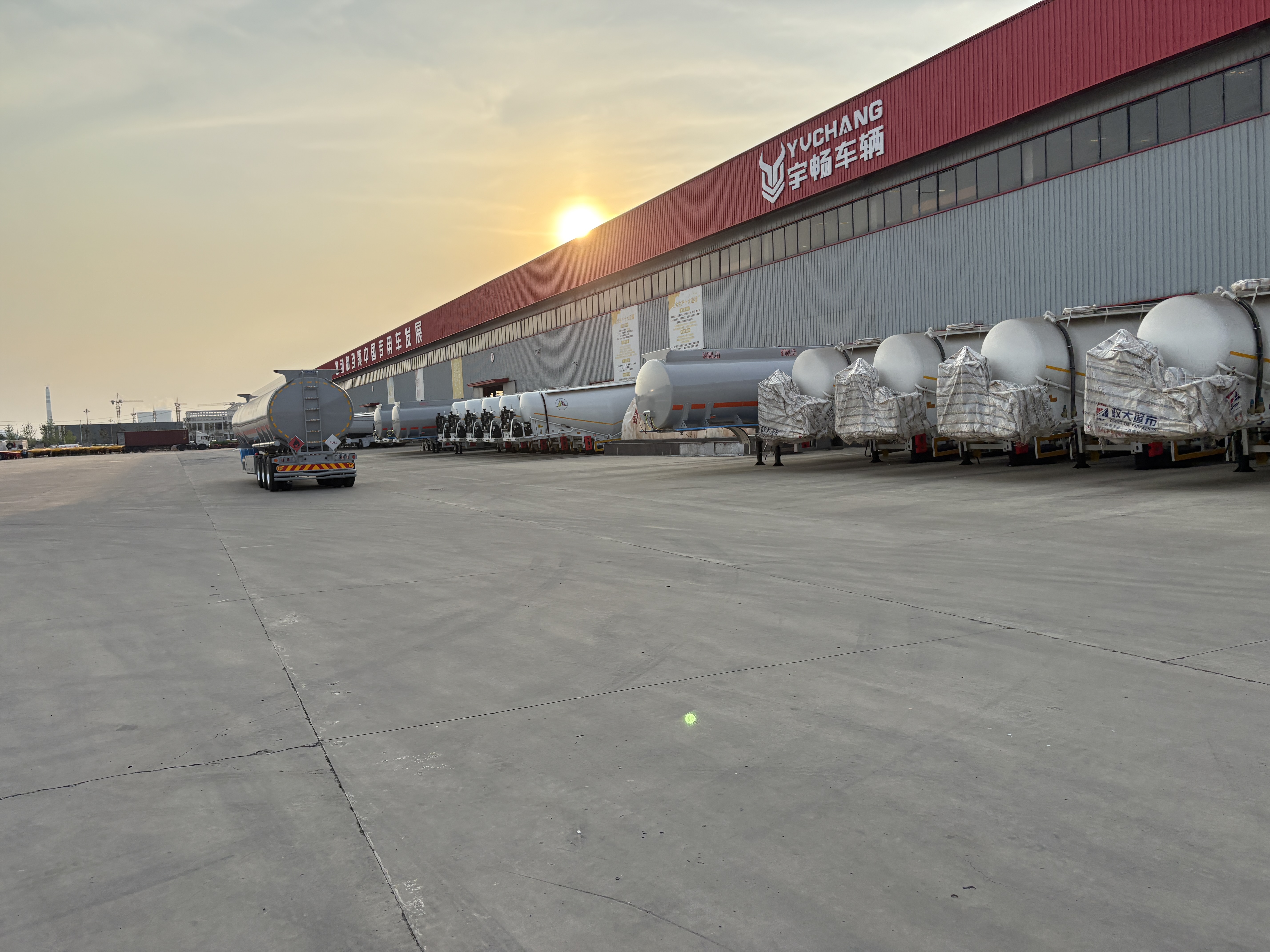
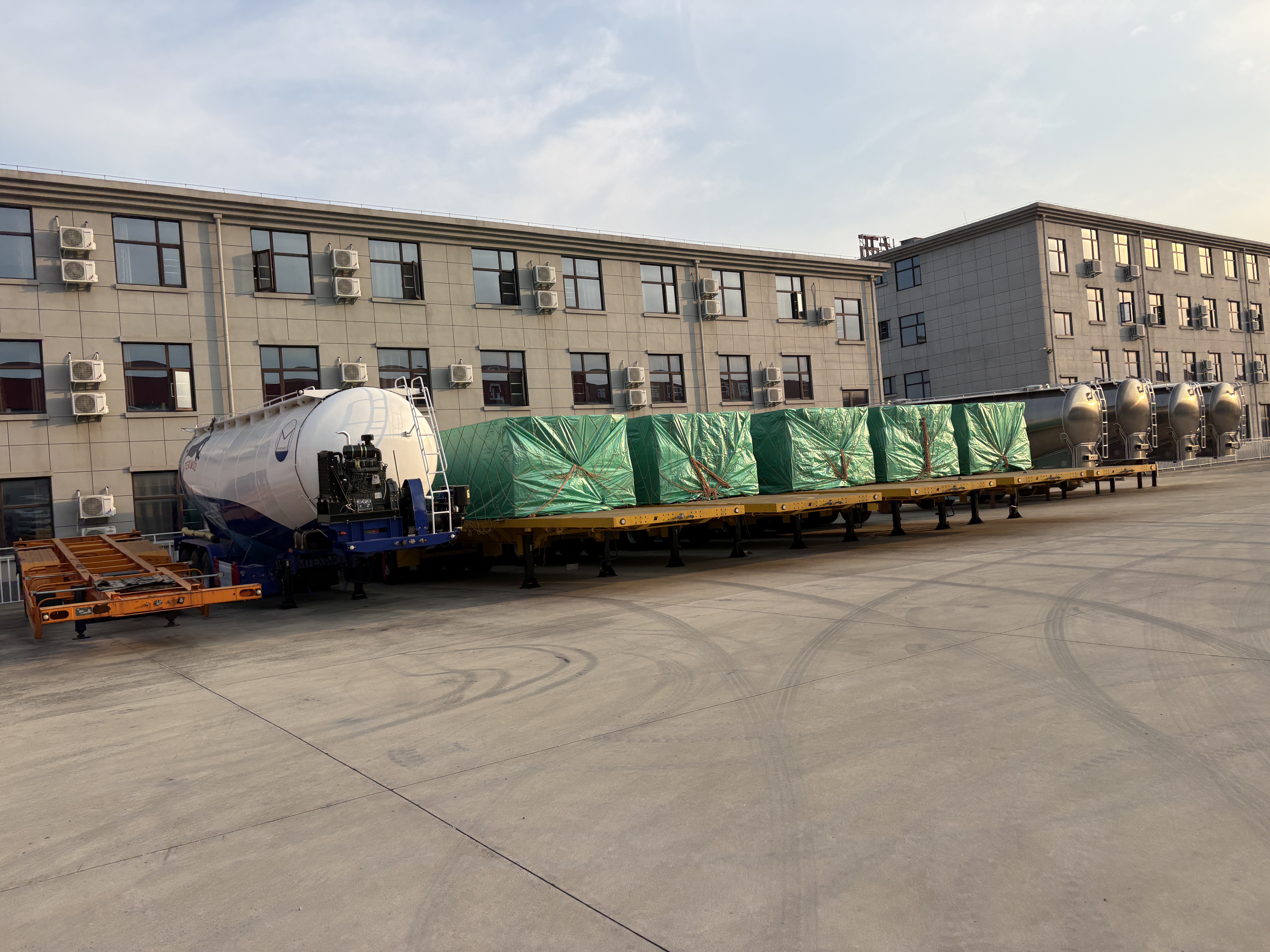
A direct manufacturer should be able to show the factory gate, production workshops, equipment, semi-finished frames, finished trailer yard, and quality control workflow. Buyers can request a live video call or a factory visit for larger orders. This check should stay practical. The goal is not to collect impressive pictures. The goal is to understand whether the supplier can actually build the trailer you need.
Engineering Note: A direct factory is valuable only when it also controls export communication and quality documentation. In cross-border orders, the team that confirms drawings, inspection evidence, and shipping documents can be as important as the workshop itself.
Compare the quality of the engineering response
A strong supplier asks questions before quoting. They should want to know cargo type, payload, road condition, loading method, destination country, tractor model, legal requirements if known, and previous trailer problems. If a supplier gives a price immediately without asking about application, the buyer should be careful.
Engineering response is especially important for lowbed trailers, tank trailers, cement bulkers, heavy-duty flatbeds, and custom designs. A supplier should explain tradeoffs, not only say "yes." For example, increasing frame strength may improve durability but also increases self-weight. Choosing air suspension may improve ride quality, while mechanical suspension may be easier to maintain in remote areas. A supplier who can explain these tradeoffs is easier to trust.
Compare steel, structure, and chassis design
Frame design is one of the most important differences between suppliers. Buyers should compare main beam material, flange thickness, web thickness, cross member spacing, side beam structure, floor plate thickness, reinforcement points, and welding method. Generic words such as "heavy duty" or "strong chassis" are not enough.
If a trailer will run on rough roads, carry concentrated loads, or work in construction and mining areas, structure comparison matters more than small price differences. A weak frame may save money at purchase but create downtime and repair cost later. Ask suppliers to explain why the selected beam structure matches the payload and road condition.
Engineering Note: A heavier trailer is not automatically better. A good chassis balances beam strength, cross member layout, payload efficiency, and local legal limits. Excessive self-weight can reduce legal payload, while insufficient structure can shorten service life.
Compare components line by line
Axles, suspension, tires, rims, landing gear, king pin, brake chambers, ABS, valves, lights, tool boxes, spare tire carriers, container locks, and other accessories should be compared line by line. If one supplier includes branded axles and another quotes an unidentified axle, the two prices should not be treated as equal.
For markets where spare parts availability is important, component selection should also consider maintenance. Buyers in Africa, South America, Central Asia, and the Middle East often prefer configurations that local workshops can service. The best component is not always the most expensive brand. It is the component that matches the work, the maintenance environment, and the buyer's parts supply plan.
Engineering Note: Many buyers compare axle brands but overlook the compatibility between axle, suspension, brake chamber, tire size, and local spare parts. A premium component can still create downtime if the local service network cannot support it.
Compare quality control evidence, not only quality claims
Every supplier says quality is important. The difference is whether they can show how quality is controlled. Ask for evidence of material checking, cutting accuracy, frame assembly, welding inspection, surface preparation, painting, axle alignment, brake testing, lighting checks, final inspection, and shipment preparation.
Evidence can include production photos, inspection checklists, dimension records, component photos, paint appearance checks, loading photos, and videos of key stages. For first orders or large quantities, buyers may request customer inspection or third-party inspection before final payment. Suppliers who are comfortable with inspection usually have a more mature process.
Compare painting and corrosion protection
Paint is often underestimated during supplier comparison. A low quotation may use a simpler paint process, weaker surface preparation, or thinner coating. This may not be obvious when the trailer is new, but it can matter in humid ports, coastal areas, rainy markets, mining routes, and construction sites.
Ask each supplier how the surface is prepared, which primer is used, whether polyurethane top coat is included, and how the final surface is checked. If the trailer will operate near the sea or in high-humidity conditions, discuss corrosion protection before production. Paint repairs after delivery are usually more expensive than doing the process correctly at the factory.
Compare export experience and shipping preparation
A supplier may be able to manufacture a trailer but still be weak at export preparation. International buyers should compare how the supplier handles loading, lashing, packaging protection, documents, shipping coordination, and destination-specific requirements. Shipment photos are useful because they show how the trailer leaves the factory and how accessories are protected.
Common documents may include commercial invoice, packing list, bill of lading, certificate of origin, product specification, and other papers requested by the buyer or local importer. For Saudi Arabia, buyers may need to discuss SASO/SABER-related procedures with their importer. For certain tank trailers, local hazardous-goods rules may need to be checked before the order is confirmed.
Engineering Note: Some trailer damage claims begin during loading, not manufacturing. Contact-point protection, correct lashing, removal or protection of loose accessories, and clear loading photos should be part of supplier comparison.
Compare commercial terms with the same Incoterm
FOB, CIF, CFR, and EXW prices are not the same thing. A supplier quoting EXW may appear cheaper because the buyer still needs to pay inland transport, export handling, customs declaration support, and shipping. Another supplier quoting CIF may include ocean freight to a named destination port. Buyers should compare prices under the same Incoterm and ask what is included.
Payment terms, production lead time, inspection timing, warranty scope, document responsibility, and after-sales support should also be written clearly. A quotation with unclear commercial terms can become expensive if a problem appears during shipment or after delivery.
Engineering Note: EXW can be a valid trade term, but it transfers more logistics responsibility to the buyer. Comparing EXW from one supplier with CIF from another supplier creates a false price gap unless inland delivery, export handling, and ocean freight are normalized.
Decision Matrix: Which Supplier Profile Fits Your Project?
Different buying situations require different supplier strengths. The matrix below helps buyers choose the supplier profile that fits the project instead of assuming one type of supplier is always best.
| Buying Situation | Recommended Supplier Profile | Why It Fits | Buyer Considerations |
|---|---|---|---|
| Standard model, repeat order, clear specification | Direct manufacturer with stable production workflow | Better consistency, easier repeat production, clearer quality responsibility | Confirm that the repeated specification has not changed between orders. |
| Customized trailer or demanding road condition | Manufacturer with engineering support and drawing confirmation | Custom dimensions, reinforcement, suspension, and loading details need technical review | Request drawings, design explanation, and inspection checkpoints before production. |
| First order with high purchasing risk | Export-oriented factory that accepts customer or third-party inspection | Inspection evidence reduces uncertainty before final balance payment | Define inspection scope and acceptance criteria in writing. |
| Fleet procurement across several markets | Manufacturer with stable component sourcing and spare parts support | Standardized axles, tires, suspension, and brake parts reduce maintenance complexity | Compare local spare parts availability, not only component brand reputation. |
| Urgent delivery for a known model | Factory with short lead time or suitable semi-finished production capacity | Faster delivery may be possible if the design is already familiar | Make sure speed does not remove inspection, paint curing, or shipment protection. |
Supplier Comparison Summary Table
The following summary table gives buyers a practical way to score suppliers. The exact weight can be adjusted for each project, but the method helps prevent price from becoming the only decision factor.
| Comparison Area | Suggested Weight | What to Check | Strong Evidence |
|---|---|---|---|
| Specification match | 25% | Dimensions, payload, steel, axles, suspension, tires, accessories | Detailed specification sheet and drawing confirmation |
| Manufacturing capability | 20% | Factory reality, equipment, product experience, similar projects | Live factory video, workshop photos, production cases |
| Quality control | 20% | Welding, painting, assembly, inspection, final checks | Inspection records, production photos, customer or third-party inspection support |
| Export and delivery support | 15% | Shipping method, loading protection, export documents, destination experience | Loading photos, document list, similar export records |
| Commercial clarity | 10% | Incoterm, payment terms, delivery time, warranty, included accessories | Clear contract or proforma invoice |
| Communication and support | 10% | Response speed, technical explanation, after-sales process | Written answers, spare parts support, maintenance guidance |
A supplier with a slightly higher price may still be the better choice if the specification is complete, the factory evidence is strong, and the export support is reliable. A lower price should be investigated when important items are missing or unclear.
40ft 3 Axle Flatbed Trailer: A Practical Quote Comparison Example
A 40ft 3 axle flatbed semi trailer is a useful example because it is common for container and general cargo transport in many African and South American markets. When comparing suppliers, the buyer should first create a baseline specification and then ask each supplier to quote against that same baseline.
| Baseline Item | Example Requirement | What Can Differ Between Suppliers |
|---|---|---|
| Type and model | 40ft 3 axle flatbed semi trailer, model YCH9400TPB | Some suppliers may quote a similar name but with different dimensions or structure. |
| Dimensions | 12,400 mm x 2,480 mm x 1,580 mm | Length, width, deck height, and tractor compatibility may change. |
| Payload and wheelbase | 40,000 kg payload, 7,480 mm wheelbase | Payload claims should match axle configuration, frame design, and local rules. |
| Main beam | Submerged arc welded beam, 12/8/14 mm plate configuration | Beam thickness and steel grade may be reduced to lower price. |
| Side beam and floor | 16# channel steel side beam, 2.5 mm anti-skid floor plate | Floor plate thickness and side beam design may differ. |
| Axles and suspension | FUWA 13T axles x 3, mechanical or air suspension option, 90 x 16 mm leaf springs with 8 pieces | Axle brand, suspension type, spring size, and spare parts availability may not be equal. |
| Tires and rims | 12R22.5 tires, 13 pieces including one spare; 9.0V-22.5 rims, 13 pieces | Some quotations may exclude the spare tire or use different tire brands. |
| King pin and landing gear | 2 inch or 3.5 inch king pin according to tractor, 28T landing gear | King pin size must match the tractor; landing gear brand and capacity may vary. |
| Brake and electrical system | Air brake system, ABS option, 24V LED lights | ABS brand, brake chamber configuration, and lighting quality may differ. |
| Accessories and painting | 12 twist locks, steel tool box, two spare tire carriers, rear light protective cover, primer plus polyurethane top coat | Accessories and paint process are common places where low quotations remove cost. |
This example shows why a buyer should not ask only, "How much is a 40ft flatbed trailer?" The better request is: "Please quote this exact specification and clearly mark any difference." Once every supplier quotes the same baseline, the buyer can compare price more fairly.
Common Buyer Mistakes
Based on export communication with overseas buyers, the most common mistakes are usually practical rather than technical. They happen when the buyer compares incomplete information and assumes the missing details are included.
Mistake 1: Comparing different Incoterms as if they are the same price. EXW, FOB, CFR, and CIF have different cost responsibilities. Always normalize the trade term before judging which supplier is cheaper.
Mistake 2: Treating the product name as the specification. A "40ft flatbed trailer" can have different main beam dimensions, floor plate thickness, tire quantity, axle brand, and accessories. Compare the details, not only the name.
Mistake 3: Ignoring spare parts and local maintenance. A component that looks better on paper may not be practical if local workshops cannot repair it or source parts quickly.
Mistake 4: Accepting catalog photos instead of order-specific evidence. Ask for production photos, component photos, inspection steps, and shipment preparation that match the trailer you are ordering.
Mistake 5: Approving a quotation before checking exclusions. Low quotations often hide missing spare tires, tool boxes, twist locks, ABS, paint upgrades, inspection support, or export document services.
Industry Standards and Best Practices
Standards should be used as comparison tools, not as empty sales language. ISO 9001:2015 is relevant when buyers want to understand whether a factory manages production through documented quality processes. It does not replace product inspection, but it helps frame questions about process control and responsibility.
ISO 3834-2:2021 is useful when discussing welding quality requirements for metallic materials. Semi trailer buyers can use it to ask about welding procedures, personnel control, inspection, and documentation. For paint and corrosion discussions, ISO 12944 can help buyers think about coating durability in different environments, especially coastal or high-humidity markets.
For braking systems, UN Regulation No. 13 may be relevant in markets that recognize UNECE heavy vehicle braking rules. For export terms, Incoterms 2020 should be used correctly when comparing FOB, CFR, CIF, or EXW offers. For Saudi-related imports, SASO/SABER procedures may need to be discussed with the local importer depending on the product and regulatory situation.
The best practice is to ask which standards apply to your specific trailer, destination country, and cargo. Do not accept unsupported certification claims. Ask suppliers to connect each standard or procedure to a real buyer concern such as braking safety, welding reliability, corrosion protection, import conformity, or delivery cost.
Common Buyer Concerns When Comparing Suppliers
Why are two quotations for the same trailer so different?
Usually the quotations are not truly the same. Differences may come from steel thickness, axle brand, tire quantity, suspension type, paint process, accessories, inspection support, export documents, or Incoterm. Ask each supplier to mark what is included and excluded.
Should I choose a factory or a trading company?
A direct factory gives buyers clearer production control, technical communication, and after-sales responsibility. A trading company may still be useful in some cases, but the buyer should know who manufactures the trailer and who handles warranty support.
How many suppliers should I compare?
For a serious order, three to five suppliers are usually enough. Comparing too many quotations can create confusion if the specifications are not standardized. Quality of comparison matters more than quantity of suppliers.
What should I do if one supplier is much cheaper?
Ask for a line-by-line specification comparison. Check beam size, steel grade, axle brand, tire quantity, suspension, paint, accessories, inspection, shipping support, and warranty. A low price may be valid, but it must be explained.
How can I compare after-sales support?
Ask how the supplier provides spare parts, drawings, maintenance guidance, warranty discussion, and technical answers after delivery. Buyers with fleets should also ask whether the supplier can support repeat orders with consistent specifications.
Why YOUCAN Trailer?
YOUCAN Trailer, Henan Yuchang Vehicle Manufacturing Co., Ltd., has manufactured semi trailers since 1999. For international buyers, that experience helps during supplier comparison because YOUCAN can discuss the project from cargo application, trailer structure, component selection, production process, inspection, export preparation, and after-sales support.
YOUCAN works with buyers on different trailer types, including flatbed trailers, lowbed trailers, bulk cement trailers, tank trailers, and customized transport solutions. The goal is not only to provide a price but to help buyers understand what is included in the specification and why it matters for their market.
When buyers compare suppliers, YOUCAN encourages clear specifications, drawings when needed, component confirmation, production photos, inspection support, and shipment preparation evidence. This makes comparison more transparent and helps buyers choose based on long-term operating value, not only the lowest number on the quotation.
Key Takeaways
Compare Chinese semi trailer suppliers only after every quotation uses the same specification, Incoterm, inspection requirement, and accessory list.
A lower price often comes from hidden differences in steel structure, component brands, tire quantity, paint process, or shipment preparation.
Factory capability should be supported by real production evidence, drawings, inspection records, and export experience, not only catalog photos.
For African and South American projects, local spare parts availability and maintenance practicality can be as important as the original component brand.
Use a decision matrix when the project involves custom design, rough roads, fleet standardization, urgent delivery, or first-time supplier risk.
For 40ft flatbed trailers, compare main beam size, floor thickness, FUWA or equivalent axle configuration, tire quantity, twist locks, accessories, and paint system line by line.
Request shipment photos and loading protection details before final balance payment, especially for ocean shipping projects.
Conclusion
Comparing semi trailer suppliers from China requires a structured method. Buyers should first define the same specification, then compare supplier capability, engineering response, frame design, components, quality evidence, export support, commercial terms, and after-sales responsibility. Price should be considered only after the scope is clear.
If you are planning to buy semi trailers in 2026, prepare a baseline specification before asking for quotations. A reliable supplier should be able to explain what is included, what can be customized, how quality is controlled, and how the trailer will be shipped. YOUCAN Trailer can review your project requirements and help you compare trailer configurations for your cargo, road condition, and destination market.
FAQ
What is the best way to compare semi trailer suppliers from China?
Use the same trailer specification, component list, delivery term, inspection requirement, and warranty scope for every supplier. Then compare evidence, not only price.
What should be included in a supplier comparison sheet?
Include trailer type, dimensions, payload, steel structure, axle brand, suspension, tires, brakes, accessories, paint, delivery time, Incoterm, warranty, inspection support, and export documents.
Is the cheapest Chinese trailer supplier always risky?
Not always. Some factories are efficient, but a very low quotation should be checked carefully. Confirm whether important components, accessories, paint quality, and export services are included.
How do I compare flatbed trailer quotations fairly?
Compare the same length, payload, main beam size, floor thickness, axle brand, tire quantity, suspension type, twist locks, tool box, spare tire carrier, paint process, and shipment terms.
Should I request drawings before choosing a supplier?
Yes, especially for customized trailers or larger orders. Drawings help confirm dimensions, axle positions, loading height, accessories, and any special design requirements before production.
What evidence should a reliable trailer supplier provide?
A reliable supplier should provide specification sheets, drawings when needed, production photos, component details, quality inspection steps, shipment photos, and clear export document support.
How can I compare suppliers for African or South American markets?
Focus on road condition, payload, maintainable components, tire availability, suspension choice, corrosion protection, spare parts support, and practical export experience in similar markets.
References
ISO 9001:2015: Quality management systems - Requirements.
ISO 3834-2:2021: Quality requirements for fusion welding of metallic materials - Part 2: Comprehensive quality requirements.
ISO 12944: Paints and varnishes - Corrosion protection of steel structures by protective paint systems.
UN Regulation No. 13: Uniform provisions concerning braking for vehicles of categories M, N and O where applicable.
Incoterms 2020: International Chamber of Commerce rules for interpreting common trade terms.
SASO/SABER: Saudi product conformity and import-related conformity procedures where applicable.