Global Market Trends in the Heavy Duty Flatbed Industry
Executive Summary & Market Snapshot
The global logistics and transport sector is undergoing a significant transformation, driven by infrastructure investment, evolving supply chains, and a demand for higher efficiency. At the core of this evolution is the heavy duty flatbed trailer, a critical asset for hauling oversized, heavy, or unconventional cargo. This market is shifting from a commodity-driven space to one defined by technological integration, material science, and regulatory foresight. Procurement leaders who understand these dynamics can secure long-term value and operational superiority for their fleets.
This analysis provides a strategic outlook on the key forces shaping the industry, offering actionable insights for international B2B buyers looking to optimize their capital expenditures and future-proof their logistics capabilities.
| Key Market Driver | Emerging Tech Trend | Strategic Impact on Procurement |
|---|---|---|
| Global infrastructure and construction boom | High-Strength Low-Alloy (HSLA) Steel | Focus on higher payload-to-tare-weight ratios for improved ROI |
| Complex global supply chain diversification | IoT & Telematics Integration | Shift towards data-driven maintenance and asset tracking |
| Stricter emissions and safety standards | Advanced Air-Ride Suspension Systems | Prioritizing cargo safety, regulatory compliance, and versatility |
Current State of the Industry
Global demand for robust transport solutions is at a high, with key manufacturing hubs in Asia, Europe, and North America scaling production to meet this need. In Asia, rapid industrialization and massive infrastructure projects are primary drivers. European markets are heavily influenced by stringent environmental regulations and a focus on intermodal transport, while North America sees sustained demand from the construction, oil & gas, and long-haul freight sectors.
The primary industries fueling adoption include:
- Construction: Transporting steel beams, pre-cast concrete, and heavy machinery.
- Manufacturing: Moving large components, industrial equipment, and raw materials.
- Energy: Hauling pipe, turbines, and project cargo for oil, gas, and renewable projects.
- Logistics: General freight, containerized goods, and specialized project logistics.
Key Trends Shaping the Industry
Four dominant trends are redefining the performance and value proposition of modern flatbed trailers.
Material Science and Weight Optimization
The push for greater fuel efficiency and higher payloads has accelerated the adoption of High-Strength Low-Alloy (HSLA) steels. These advanced materials offer a superior strength-to-weight ratio compared to traditional carbon steel, allowing manufacturers to engineer lighter yet stronger frames. For a procurement director, this translates directly to a lower tare weight and an increased legal payload capacity, maximizing revenue per trip.
Advanced Suspension and Axle Configurations
While traditional spring suspensions remain a cost-effective choice, air-ride trailer suspension options are becoming the standard for versatility and cargo protection. They provide a smoother ride, reduce vibration-related damage to sensitive cargo, and offer adjustable deck heights for easier loading. This trend is coupled with a demand for diverse axle setups, including the popular tri axle flatbed trailer configuration, which distributes weight more effectively to meet varying regional road regulations and maximize gross vehicle weight ratings (GVWR).
Telematics and IoT Integration
The "smart trailer" is no longer a concept but a reality. Integrating GPS tracking, tire pressure monitoring systems (TPMS), and automated braking diagnostics provides fleet managers with real-time data. This technology enhances safety, enables predictive maintenance to reduce downtime, and improves asset utilization and security—key factors in calculating the Total Cost of Ownership (TCO).
Regulatory Compliance and Safety Enhancements
Governments worldwide are tightening safety regulations. This includes mandates for advanced braking systems (ABS/EBS), enhanced side and rear underride protection, and more rigorous lighting and conspicuity standards. For international buyers, ensuring a manufacturer's adherence to both origin and destination country standards is a critical aspect of export trailer compliance to avoid costly delays and legal issues.
Industry Challenges & Strategic Solutions
Buyers and manufacturers face a complex landscape. Volatility in raw material prices, particularly steel, directly impacts production costs. Furthermore, navigating the patchwork of international transport regulations requires deep expertise. A shortage of skilled labor, especially certified welders, can also affect production quality and lead times.
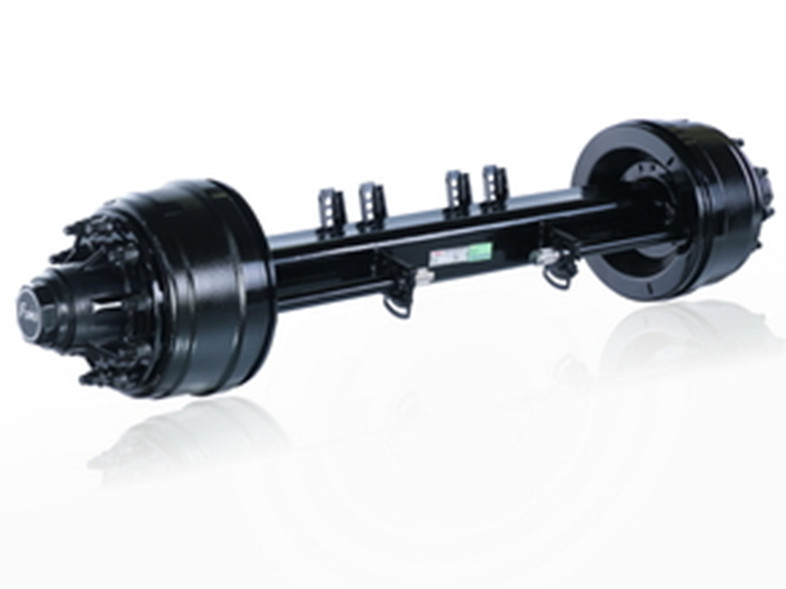
Advanced manufacturers mitigate these challenges through strategic solutions. Automated robotic welding ensures consistent, high-quality seams, while Finite Element Analysis (FEA) software allows engineers to digitally model and stress-test designs before production, optimizing material use without compromising structural integrity. A robust supply chain for certified Trailer Parts also ensures reliability and serviceability.
B2B Procurement Advice & Future-Proofing
For procurement directors, the focus must shift from initial purchase price to long-term value. When sourcing new equipment, consider the Total Cost of Ownership (TCO), which includes fuel efficiency, maintenance, durability, and resale value. Future-proof your investment by specifying adaptable features:
- High-Tensile Steel Frame: Ensures a longer service life and better resistance to fatigue.
- Versatile Load Securing Options: Multiple stake pockets, winches, and D-rings to accommodate diverse cargo.
- Modular Design: Allows for easier repairs and potential upgrades over the trailer's lifespan.
- Correct Axle Specification: Carefully consider the heavy duty flatbed axle capacity needed for your typical loads to ensure both safety and legal compliance.
Investing in a well-engineered platform from a reputable manufacturer, like our range of Flatbed Trailers, ensures your fleet remains competitive and compliant for years to come.
R&D & Customization Capabilities (OEM/ODM)
A one-size-fits-all approach is no longer sufficient in today's specialized logistics market. Leading manufacturers offer robust OEM/ODM customization services. This allows buyers to co-engineer trailers tailored to specific applications, such as an Interlink Flatbed Trailer for high-volume routes or a unit with a specific length, width, or axle spacing to comply with unique regional permits. Customization can also include specialized floor materials, integrated toolboxes, or specific paint and corrosion-protection coatings for harsh operating environments.
Logistics & Sustainable Packaging Outlook
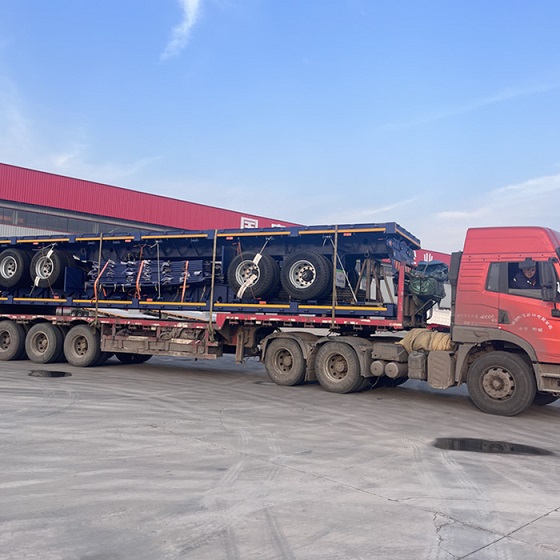
For international shipments, efficient logistics are paramount. Many buyers now opt for Completely Knocked Down (CKD) or Semi Knocked Down (SKD) shipping. This method allows multiple trailer chassis to be stacked and packed into a single shipping container, significantly reducing freight costs per unit. Advanced export packaging involves robust anti-corrosion treatments, such as waxing or specialized coatings, to protect components during long sea voyages, ensuring the equipment arrives in pristine condition.
Strategic Manufacturing Partnership & CTA
In a dynamic global market, your manufacturing partner is as critical as the product itself. Aligning with an ISO and CE-certified manufacturer ensures adherence to the highest international quality and safety standards. A partner with scalable production capacity, a dedicated R&D team, and a proven track record in global logistics provides not just a product, but a strategic advantage. We are equipped to handle complex engineering requirements and deliver solutions that enhance your operational efficiency.
Submit your technical requirements to receive a detailed quote from our engineering team.
Industry FAQ Section
What is the primary driver for growth in the flatbed trailer market?
The primary growth driver is the expansion of global infrastructure, construction, and manufacturing activities. As countries invest in new roads, bridges, and energy projects, the need to transport heavy and oversized materials like steel, concrete, and machinery grows, directly fueling demand for versatile and robust flatbed trailers.
How do I calculate the payload capacity of a flatbed?
To how to calculate flatbed payload, you subtract the trailer's empty weight (Curb Weight or Tare Weight) from its Gross Vehicle Weight Rating (GVWR). The formula is: Payload Capacity = GVWR - Curb Weight. The GVWR is the maximum total weight determined by the manufacturer, considering the frame, axles, suspension, and tires. Always ensure your load does not exceed this capacity or individual axle ratings.
What are the benefits of air-ride suspension over spring suspension?
Air-ride suspension offers several key advantages over traditional leaf spring systems. It provides superior cargo protection by absorbing more road shock, reduces wear and tear on the trailer and tractor, allows for deck height adjustment for docking, and offers a smoother ride for the driver. While the initial cost is higher, the benefits in cargo safety and versatility often provide a strong return on investment.
What is the typical replacement cycle for a heavy-duty trailer?
The typical replacement cycle for a well-maintained heavy-duty trailer is between 10 to 15 years. This can vary significantly based on factors like annual mileage, operating conditions (e.g., road quality, climate), the type of cargo hauled, and the quality of the preventive maintenance program. Technological advancements and changing regulations can also accelerate the need for replacement.
A Heavy Duty Flatbed Is Essential for Equipment Transport
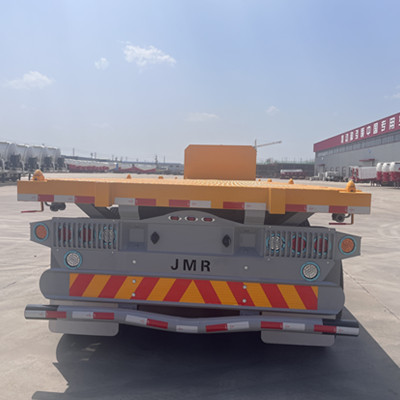
Discover how a heavy duty flatbed can solve your complex logistics challenges. This guide covers applications in construction, energy, and manufacturi...
Read More →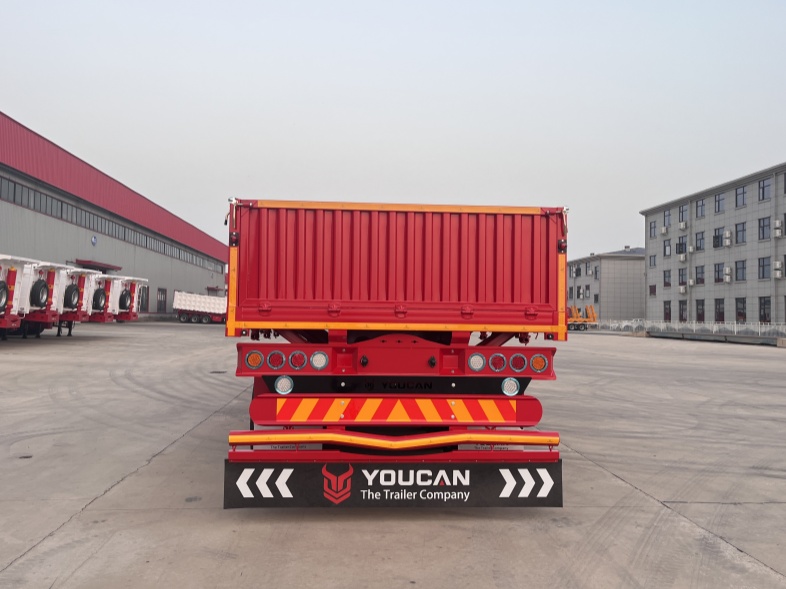
Reduce Empty Miles With a 20ft Container Chassis
Optimize your logistics with a durable 20ft container chassis designed for port drayage and intermodal transport. Improve utilization and reduce costs...
Read More →