A Steel vs Aluminum Deck Comparison for Your Flatbed Semi Trailer
Selecting the right decking material for a flatbed semi trailer is a critical decision that directly impacts payload capacity, operational costs, maintenance schedules, and overall return on investment. The two dominant materials in the industry, steel and aluminum, each offer a distinct set of advantages and disadvantages. While steel is prized for its raw strength and lower initial cost, aluminum provides significant weight savings and superior corrosion resistance. This comprehensive guide provides an objective, engineering-focused comparison to help procurement managers and fleet operators make an informed choice based on their specific application and long-term business goals.
Executive Summary & Quick Comparison Table
For busy fleet managers, the choice between a steel and an aluminum deck hinges on a primary trade-off: durability and upfront cost versus lightweight efficiency and long-term value. A steel deck offers exceptional point-load resistance, making it ideal for hauling concentrated, heavy, or abrasive cargo like machinery and construction materials. Its main drawbacks are its heavy weight, which reduces legal payload, and its susceptibility to rust. Conversely, an aluminum deck significantly lowers the trailer's tare weight, allowing for more freight per trip and improving fuel economy. It is naturally corrosion-resistant, which reduces maintenance and enhances resale value, but it comes at a higher initial purchase price and is more susceptible to cosmetic damage.
| Feature | Steel Deck | Aluminum Deck |
|---|---|---|
| Key Specs | Higher tare weight, high tensile strength, excellent impact resistance. | Lower tare weight, high strength-to-weight ratio, excellent corrosion resistance. |
| Working Mechanism | Provides a rigid, durable platform capable of withstanding extreme point loads and abrasion. | Provides a lightweight, flexible platform that maximizes legal payload capacity. |
| Durability/Toughness | Extremely high. Resists gouging, denting, and concentrated loads very well. | Moderate. Prone to surface scratching and denting from sharp or heavy impacts. |
| Cost Level | Lower initial purchase price. Higher long-term costs due to maintenance (rust) and lower fuel efficiency. | Higher initial purchase price. Lower total cost of ownership (TCO) due to weight savings and higher resale value. |
| Maintenance | Requires regular inspection and treatment (painting, sandblasting) to prevent and repair rust. | Minimal maintenance required. Naturally resistant to rust and corrosion. Repairs can be more specialized. |
| Ideal Application | Hauling heavy machinery, steel coils, construction materials, and abrasive loads. | General freight, palletized goods, bagged products, and any application where maximizing payload is critical. |
Understanding Steel Decks: Overview, Pros & Cons
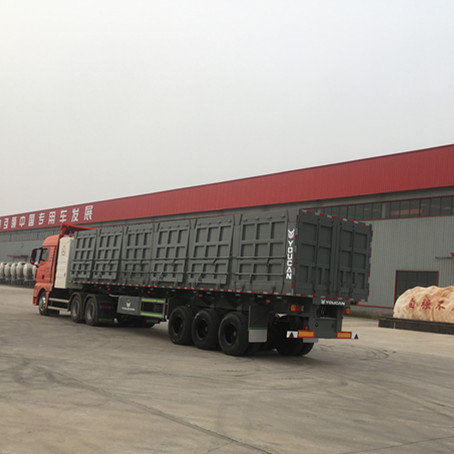
A steel deck on a flatbed semi trailer is the traditional standard for heavy-duty applications. Typically constructed from high-strength steel plates welded to the trailer's cross members, this design prioritizes ultimate durability and structural integrity. Steel's inherent properties make it the go-to choice for the most demanding hauling tasks.
Pros of Steel Decks
- Exceptional Durability: Steel is highly resistant to impact, abrasion, and concentrated point loads from heavy equipment or steel coils. It is less likely to gouge or puncture.
- Lower Upfront Cost: The raw material and fabrication costs for steel are significantly lower than for aluminum, resulting in a more budget-friendly initial investment.
- Ease of Repair: Damage to a steel deck, such as cracks or bends, can be easily and inexpensively repaired by most welding shops anywhere in the world.
- High Rigidity: Steel provides a very stiff and stable platform, which can be beneficial when securing certain types of uneven or heavy loads.
Cons of Steel Decks
- Heavy Weight: The primary disadvantage is its weight. The higher tare weight of a steel-decked trailer directly reduces the maximum legal payload you can carry.
- Susceptibility to Corrosion: Steel will rust if its protective coating is compromised. It requires regular maintenance, including painting and rust treatment, especially in regions with road salt or high humidity.
- Higher Fuel Consumption: The heavier weight of the trailer contributes to lower fuel efficiency for the tractor over the life of the equipment.
Understanding Aluminum Decks: Overview, Pros & Cons
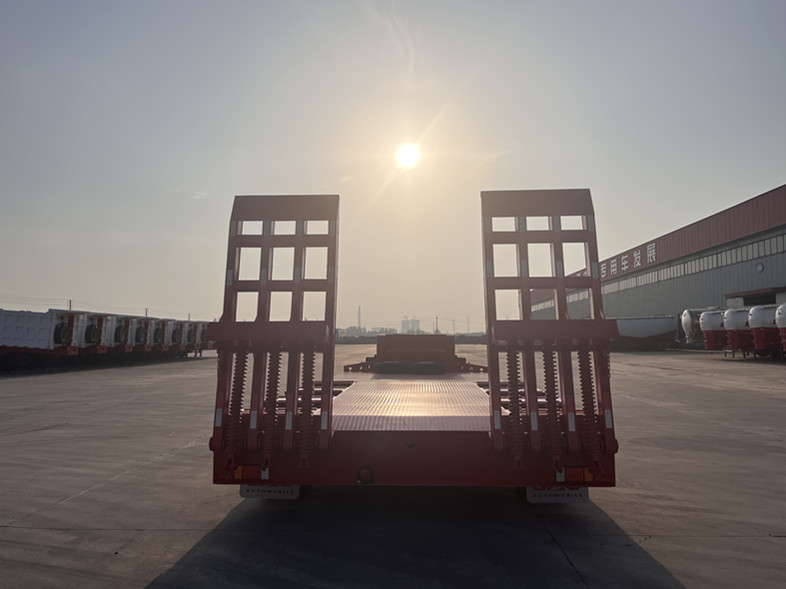
An aluminum deck is the modern choice for operators focused on efficiency and maximizing payload. These decks are constructed from extruded aluminum planks that interlock to form a strong, lightweight, and continuous surface. The focus of this design is to reduce tare weight without compromising necessary structural strength for general freight.
Pros of Aluminum Decks
- Significant Weight Savings: An aluminum deck can save several hundred kilograms compared to a steel equivalent. This weight is directly converted into increased payload capacity, leading to higher revenue per trip.
- Excellent Corrosion Resistance: Aluminum naturally forms a protective oxide layer, making it highly resistant to rust and corrosion. This is a major advantage in wet climates or areas where de-icing salts are used.
- Higher Resale Value: Due to their longevity, low maintenance needs, and desirable lightweight properties, trailers with aluminum decks typically command a higher resale value.
- Lower Lifetime Costs: The combination of increased payload, improved fuel economy, and reduced maintenance can result in a lower total cost of ownership (TCO) despite the higher initial price.
Cons of Aluminum Decks
- Higher Initial Cost: The material and specialized welding processes make aluminum-decked trailers more expensive to purchase upfront.
- Lower Impact Resistance: While strong, aluminum is a softer metal than steel. It is more prone to denting, scratching, and gouging from sharp, heavy objects.
- Specialized Repairs: Repairing cracks or significant damage to an aluminum deck requires specialized equipment and certified welders, which can be more costly and harder to find.
Core Differences: Steel vs. Aluminum Decks (Head-to-Head Analysis)
Performance & Payload Capacity
The most significant performance difference is in payload. A lighter aluminum deck allows a fleet to haul more product while remaining within legal weight limits. For an operator billing by weight, this translates directly to increased revenue. A steel deck, while reducing payload, provides superior performance when handling brutal loads. A tracked excavator being driven onto the deck or a dropped steel beam is far less likely to damage a steel surface than an aluminum one. This makes steel the better choice for rugged, unpredictable loading environments, similar to those requiring robust Lowbed Trailers.
Versatility & Industry Suitability
Both materials are versatile, but their suitability varies by industry. Steel decks excel in construction, scrap metal, and heavy machinery transport. Their toughness is a functional necessity. Aluminum decks are the preferred choice for General Cargo Semi Trailers, long-haul freight, food and beverage transport, and any operation where cargo is typically palletized or crated. The clean, non-rusting surface of aluminum is also an advantage when hauling sensitive goods.
Cost Analysis (Upfront vs. Total Cost of Ownership)
The financial analysis is a classic battle of CapEx (Capital Expenditure) versus OpEx (Operational Expenditure). Steel wins on upfront CapEx, requiring less initial capital. However, its TCO can be higher over a 10-year lifespan due to rust-related maintenance, lower fuel efficiency, and reduced payload revenue. Aluminum has a higher CapEx but often delivers a superior TCO through fuel savings, increased earning potential, and a significantly higher residual value when the asset is sold. Businesses with sufficient capital often find aluminum provides a faster ROI.
Lifespan & Daily Maintenance Requirements
With proper care, both decks can last for decades. The nature of that care differs. Steel requires a proactive maintenance schedule of inspecting for paint chips and scratches and addressing them immediately to prevent rust from taking hold. Periodic sandblasting and repainting may be necessary. Aluminum maintenance is much simpler, typically limited to routine cleaning. It will not rust, but it's important to inspect welds for stress fractures, as with any trailer. For complex trailer systems like Interlink Trailers, minimizing maintenance on components like the deck can be a significant operational advantage.
Decision Matrix: How to Choose Between Steel and Aluminum?
Use these clear guidelines to determine the best material for your operational needs.
Choose a Steel Deck if...
- Your primary cargo includes heavy machinery, steel coils, stone blocks, or other concentrated, abrasive loads.
- Your initial purchase budget is the most critical deciding factor.
- The trailer will operate in extremely rugged environments where impacts and gouges are frequent.
- You have in-house maintenance capabilities to manage rust prevention and repair.
Choose an Aluminum Deck if...
- Maximizing legal payload capacity is your top priority to increase revenue per haul.
- You operate in regions with heavy road salt usage, high humidity, or coastal sea air.
- Long-term total cost of ownership and high resale value are key financial metrics for your business.
- Your typical cargo is palletized, crated, or otherwise evenly distributed and non-abrasive.
Customization Options (OEM/ODM Capabilities)
Regardless of your choice between steel and aluminum, a quality manufacturing partner can provide extensive customization. We offer a range of OEM/ODM options for your flatbed platform, including different deck thicknesses, customized lengths and widths, and various arrangements of stake pockets, winches, and tie-down points. We can also integrate features like Apitong or other hardwood nailer strips into both steel and aluminum decks to provide better grip and durability for specific cargo types. All electrical systems can be configured to meet your region's voltage and connector standards.
Packaging & Shipping Guidance
For international export, our flatbed trailers are prepared meticulously to ensure they arrive in perfect condition. Trailers are typically stacked (2 or 3 units high) to optimize container space and reduce shipping costs. All sensitive components are protected with anti-vibration padding and waterproof wrapping. Steel surfaces are coated with a rust-proof wax layer for ocean transit. We ensure all wooden supports used in shipping are fumigation-free and comply with all international customs regulations, providing a seamless delivery process to your port of destination.
Why Source from Us as Your Manufacturing Partner?
As a leading manufacturer with extensive experience in global exports, we understand the demands of international logistics. Our production facilities are ISO 9001 certified, and our products meet CE standards, ensuring consistent quality and reliability. With multiple production lines, we can handle high-volume orders while still offering the flexibility for extensive customization. Our engineering team has deep expertise in material science and structural design, allowing us to build trailers that are optimized for performance, longevity, and a strong return on investment.
Contact our engineering team to discuss your specific hauling requirements and receive a detailed quote.
Frequently Asked Questions (FAQ)
Which deck material offers a better resale value?
Aluminum decks consistently offer a higher resale value. Their resistance to corrosion means they remain in better cosmetic and structural condition over time. The demand for lightweight, efficient trailers also keeps their value strong in the used market.
How much more payload can I expect with an aluminum deck?
The exact weight savings can vary based on trailer length and specific design, but it is common for a 48-foot flatbed with an aluminum deck to offer 400-600 kg (approx. 900-1300 lbs) more payload capacity than an identical trailer with a steel deck.
Is it possible to get a combination deck?
Yes, combination or "combo" trailers are a popular option. These typically feature a steel frame and main beams for strength, paired with an aluminum deck to save weight. This offers a good balance between durability, weight, and cost.
Is an aluminum deck harder to repair than steel?
Yes, repairing significant damage like a long crack or a puncture in an aluminum deck is more difficult. It requires specialized TIG or MIG welding equipment and a technician certified to work with aluminum, which can be more expensive and less common than standard steel welders.
Which deck is better for operating in snowy climates with road salt?
An aluminum deck is vastly superior for operating in environments where road salt is used. Salt is extremely corrosive to steel, and it will aggressively attack any chip or scratch in the paint. Aluminum's natural corrosion resistance makes it virtually immune to salt-related degradation, drastically reducing long-term maintenance costs.
Curtainsider Semi Trailer Standard vs Mega Body
Compare standard and mega curtainsider semi trailer bodies for height, capacity, cost, and freight use. Request a specification quote.
Read More →
A Heavy Duty Flatbed Is Essential for Equipment Transport
Discover how a heavy duty flatbed can solve your complex logistics challenges. This guide covers applications in construction, energy, and manufacturi...
Read More →