A Buyer's Guide to the 20ft Container Chassis
In the world of global logistics and intermodal freight, efficiency and reliability are paramount. The 20ft container chassis is a cornerstone of this system, providing the essential link between sea, rail, and road transport. This specialized semi-trailer is engineered specifically to carry a single 20-foot ISO container, offering a lightweight, robust, and cost-effective solution for drayage and last-mile delivery. Understanding its features, types, and applications is crucial for optimizing fleet performance and ensuring operational safety.
This comprehensive guide covers everything procurement managers and logistics operators need to know, from fundamental design principles to customization options for specialized hauling requirements.
What is a 20ft Container Chassis?
A 20ft container chassis, often called a skeletal trailer or "skelly," is a purpose-built trailer frame designed to securely transport a standard 20-foot intermodal shipping container. Its primary function is to act as the wheeled undercarriage for the container, allowing it to be moved by a tractor unit. Unlike Flatbed Trailers, which have a solid deck, a skeletal chassis consists only of a steel frame, landing gear, axles, and suspension, making it significantly lighter and more economical for dedicated container transport.

Types of 20ft Container Chassis
While the core function is standardized, several design variations exist to meet different operational needs and weight regulations. The primary distinctions are based on axle configuration and frame design.
- 2 Axle Container Chassis: This is the most common configuration, designed for standard payloads. A 2 axle container chassis offers an excellent balance of load capacity, maneuverability, and operational cost. It is ideal for most urban and highway drayage operations.
- 3 Axle Container Chassis: For transporting heavier 20-foot containers, a 3-axle model provides increased load capacity and better weight distribution, helping to comply with stricter road weight regulations in certain regions.
- Straight Frame Chassis: This is the simplest design, with a straight, level frame from the kingpin to the rear. It is durable, easy to maintain, and highly effective for standard container transport.
- Gooseneck Chassis: This design features a dropped section at the front, which lowers the container's center of gravity. This enhances stability during transit, particularly when cornering or traveling at higher speeds.
Key Features and Business Benefits
Modern skeletal trailers are engineered for performance and longevity. Understanding their key features helps translate technical specifications into tangible business advantages.
- High-Tensile Steel Construction: The use of high-strength steel (like Q345B) ensures a high payload capacity while keeping the tare weight low. Benefit: Maximizes legal payload, improves fuel efficiency, and ensures a long service life with minimal structural fatigue.
- Standardized Twist Locks: Equipped with high-quality, retractable 20ft container chassis twist locks, the chassis provides a secure and standardized method for locking the container corners to the frame. Benefit: Guarantees cargo safety during transit and enables rapid loading and unloading, reducing turnaround times at ports and depots.
- Robust Suspension Systems: Options include heavy-duty mechanical spring suspension or advanced air suspension. Benefit: Mechanical suspension offers durability and low maintenance for rugged conditions, while air suspension provides a smoother ride, protecting sensitive cargo and reducing wear on the trailer.
- Quality Axles and Braking: Featuring renowned axle brands (e.g., BPW, FUWA) with reliable ABS or EBS braking systems. Benefit: Ensures superior braking performance, enhances driver safety, and minimizes downtime with readily available spare Trailer Parts.
Industry Applications
The versatility of the 20-foot chassis makes it indispensable across numerous industries. Its primary role is in the intermodal supply chain, facilitating movement for:
- Port and Terminal Operations: The most common application is drayage—moving containers from ships to storage yards or onto trains and trucks.
- Manufacturing and Warehousing: Transporting raw materials, components, and finished goods between factories, distribution centers, and warehouses.
- Construction: Delivering building materials, tools, and equipment securely stored within a 20-foot container to job sites.
- Bulk Goods Transport: When fitted with a 20-foot tank container or bulk liner container, it is used for hauling liquids, grains, and powders. This complements other specialized haulers like Bulk Cement Trailers.
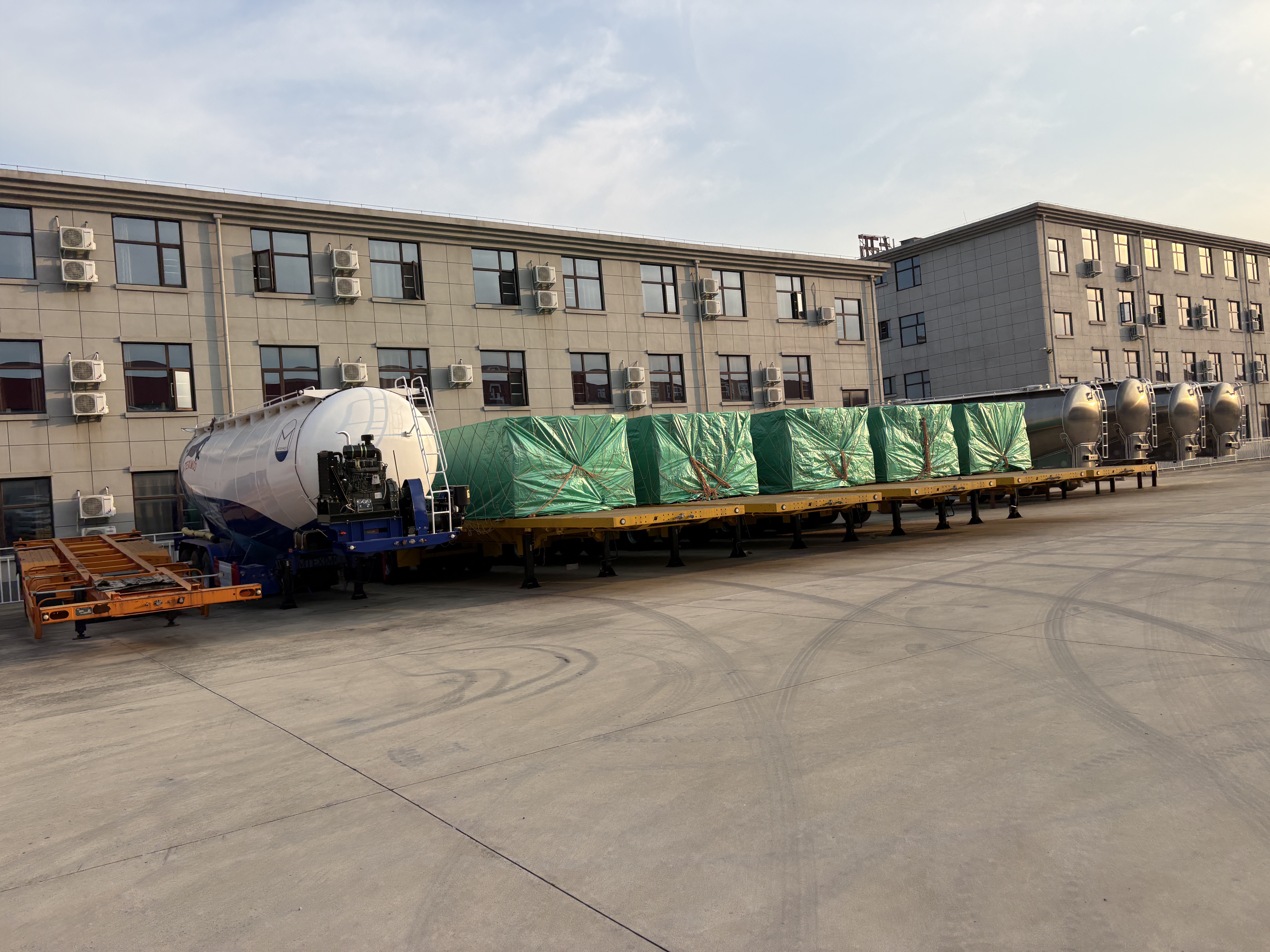
A Practical Buying Guide
Selecting the right trailer involves more than just price. Consider these factors to ensure your investment meets your operational demands:
- Define Your Payload: Determine the maximum weight you will be hauling to choose the correct axle configuration (2 or 3 axles).
- Assess Operating Environment: Will the chassis operate on smooth highways or rough, uneven terrain? This will dictate the best suspension type (air vs. mechanical).
- Check Regulatory Compliance: Ensure the chassis specifications—including lighting, braking systems, and dimensions—comply with the regulations in your country of operation.
- Evaluate Component Quality: Scrutinize the brands of key components like axles, landing gear, tires, and the kingpin. Reputable brands ensure reliability and easier access to spare parts.
- Review Warranty and Support: A strong manufacturer's warranty and accessible after-sales technical support are critical for long-term operational success.
Common Purchasing Mistakes to Avoid
Avoid specifying a chassis based solely on the lowest initial cost. Under-specifying axles or suspension to save money can lead to premature failure, costly downtime, and safety hazards. Similarly, neglecting to confirm local compliance can result in fines or an inability to register the equipment.
Working Principle and Operation
The working principle of a 20ft container chassis is straightforward yet effective. It functions as a rigid, load-bearing bridge between the tractor and the container.
How It Works: Step-by-Step
- Coupling: The tractor unit reverses and connects to the chassis via the kingpin, which locks into the tractor's fifth wheel.
- Loading: The chassis is positioned beneath a container, which is then lowered by a crane or reach stacker. The corner castings of the container align with the twist locks on the chassis.
- Securing: The operator manually engages the four twist locks by rotating their handles, securely fastening the container to the frame.
- Transport: The landing gear is raised, and the tractor-trailer combination is ready for transport. The chassis frame distributes the container's weight evenly across the axles and the tractor's fifth wheel.
- Unloading: The process is reversed at the destination. The twist locks are disengaged, allowing the container to be lifted off the frame.
Customization Options (OEM/ODM)
We understand that standard models may not fit every unique requirement. We offer a full range of OEM/ODM customization services to build a chassis tailored to your fleet.
- Axle & Suspension Brands: Choose from leading international brands like BPW, FUWA, or others based on your preference and budget.
- Tire Specifications: Select specific tire brands, sizes, and ply ratings suitable for your load and road conditions.
- Paint and Branding: We can apply any RAL color code and add your company logo and branding for a professional fleet appearance.
- Lighting Systems: Upgrade to full LED lighting systems for improved visibility, longer life, and lower power consumption.
- Special Fittings: Additions like toolboxes, spare tire carriers, or specific electrical plug types can be incorporated into the design.
Packaging and International Shipping
To ensure your equipment arrives in perfect condition, we adhere to strict export packaging and shipping protocols. Chassis are typically shipped in one of two ways:
- Containerized Shipping: Multiple chassis can be stacked and disassembled to fit inside 40ft high-cube containers, reducing sea freight costs.
- Ro-Ro (Roll-on/Roll-off) or Bulk Carrier: Fully assembled chassis can be driven onto a Ro-Ro vessel or loaded onto a bulk carrier.
All units are thoroughly cleaned and coated with wax before shipment to protect against saltwater corrosion during transit. We handle all export documentation to ensure smooth customs clearance worldwide.
Why Choose Us as Your Manufacturer?
Partnering with a reliable manufacturer is key to building a durable and efficient fleet. We offer several key advantages:
- Advanced Manufacturing Facility: Our factory utilizes automated welding, plasma cutting, and advanced paint booths to ensure consistent quality and structural integrity.
- International Certifications: We hold ISO, CE, and other relevant certifications, demonstrating our commitment to global quality standards. -Experienced R&D Team: Our engineers can work with you to design and build custom solutions for any specialized transport challenge.
- Fast Lead Times: Efficient production planning allows us to offer competitive delivery schedules for both standard and custom orders.
- Global Support: We provide 24/7 technical support and have a proven track record of exporting high-quality trailers to clients across Asia, Africa, South America, and the Middle East.
Frequently Asked Questions (FAQ)
What is the typical payload capacity of a 2 axle 20ft container chassis?
A standard 2-axle model typically has a payload capacity of 25 to 30 tons, depending on the specific design and component specifications. The gross vehicle weight must comply with local regulations.
What is the average lead time for an order?
For standard models, the production lead time is typically 20-30 days. Custom orders may require additional time for engineering and procurement of special components.
What is the lifespan of your container chassis?
With proper maintenance, our chassis, built with high-tensile steel and quality components, are designed for a service life of over 10-15 years, even in demanding operating conditions.
What is your warranty policy?
We offer a comprehensive warranty, typically covering the main frame for one year and key components according to the original part manufacturer's policy.
Do you provide operator training?
While the operation is straightforward, we provide detailed operational manuals and can offer remote technical guidance to ensure your team uses the equipment safely and efficiently.
For detailed specifications or to discuss your unique fleet requirements, please send us your inquiry.

Reduce Empty Miles With a 20ft Container Chassis
Optimize your logistics with a durable 20ft container chassis designed for port drayage and intermodal transport. Improve utilization and reduce costs...
Read More →
A Buyer's Guide to the 20ft Container Chassis
Discover the essential guide to selecting a 20ft container chassis. Learn about types, key features, dimensions, and customization options. Request a ...
Read More →