 WhatsApp
 sales@youcantrailer.com
 +8615203709888
Why Is Shot Blasting Essential Before Trailer Painting?
Why Is Shot Blasting Essential Before Trailer Painting?
Quick Answer
Shot blasting is essential before trailer painting because it removes rust, mill scale, old contamination, and fabrication residue while creating a controlled surface profile for coating adhesion. A paint system can look good at delivery and still fail early if the steel is dirty, too smooth, too rough, damp, or contaminated with dust and oil. Shot blasting is therefore a surface-engineering step, not a cosmetic upgrade.
What Shot Blasting Changes on the Steel Surface
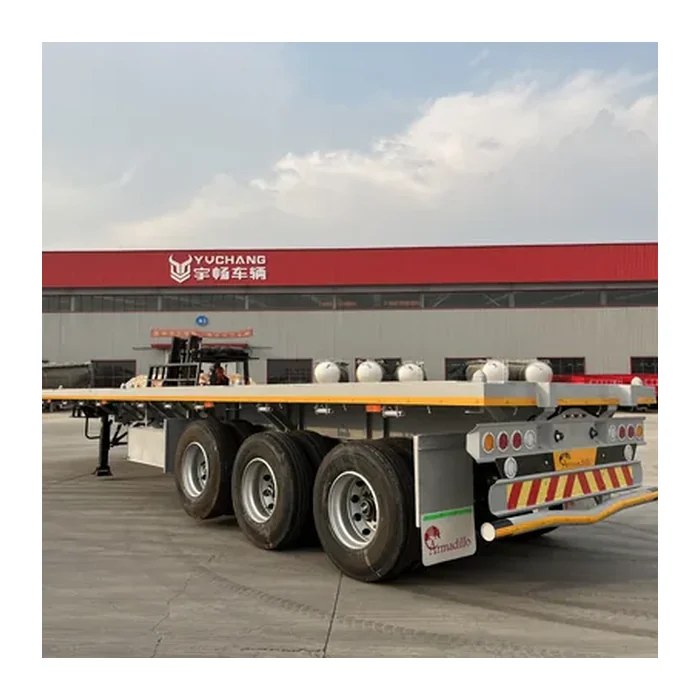
During fabrication, steel can collect scale, rust, oil, welding residue, and handling contamination. A coating applied over those conditions has a weak foundation. Abrasive blasting cleans the surface and creates microscopic anchor points that allow primer to grip the steel. The required result depends on the coating system and the service environment.
| Surface condition | Painting risk | Control question |
|---|---|---|
| Mill scale or rust remains | Coating can lift when contamination separates | What preparation grade is required? |
| Oil or grease remains | Poor wetting and adhesion | How is degreasing controlled before blasting? |
| Surface too smooth | Insufficient mechanical key | Is the blast profile suitable for the coating? |
| Surface too rough | High paint consumption and sharp peaks | How is profile measured or checked? |
| Dust remains | Weak adhesion and visible defects | How is dust removal verified? |
| Prepared steel becomes damp | Flash rust and adhesion loss | How quickly is primer applied after blasting? |
How the Process Should Be Controlled
1. Inspect the Fabricated Surface
Before blasting, weld spatter, sharp edges, heavy burrs, and visible oil should be addressed. Abrasive blasting is not a substitute for fabrication cleanup. If the surface contains defects that should have been corrected during welding or grinding, blasting may hide them temporarily rather than solve them.
2. Choose the Preparation Basis
ISO 8501-1 is widely used to describe visual surface cleanliness grades. The correct grade depends on the coating system, steel condition, and service environment. The buyer should ask for the specified preparation level instead of accepting the vague phrase fully blasted.
3. Control Abrasive and Equipment Conditions
Abrasive cleanliness, air quality, nozzle condition, pressure, distance, and operator movement affect the result. Contaminated abrasive or unstable equipment can transfer dirt back to the steel or create an uneven profile.
4. Remove Dust and Protect the Surface
After blasting, dust is removed and the surface is protected from moisture, fingerprints, and dirty handling. Primer timing matters because a prepared surface can change quickly in humid or salty conditions.
5. Confirm the Result Before Coating
The inspection should consider visual cleanliness, profile where specified, dust, flash rust, and the interval before coating. The exact measurement method should match the coating plan rather than being selected after a problem appears.

Why Surface Preparation Matters More at Edges and Welds
Large flat panels are easy to spray, but corners, weld toes, brackets, underside areas, and sharp edges often receive less preparation or thinner coating. These locations also experience stress, water retention, and handling damage. Stripe coats or edge treatment may be needed before the main coats, depending on the agreed paint system.
Engineering Note: Paint failure is often blamed on the topcoat, but the root cause can be surface condition, moisture, contamination, or insufficient attention to edges before the first coat.
Buyer Checklist Before Accepting a Blasted and Painted Trailer
Confirm the surface-preparation standard or cleanliness basis in the specification.
Ask how oil, grease, weld spatter, and dust are removed before coating.
Check whether the primer was applied within the planned window after blasting.
Inspect welds, corners, undersides, brackets, and hidden areas rather than only the large side panels.
Request coating records or photos where the project risk justifies them.
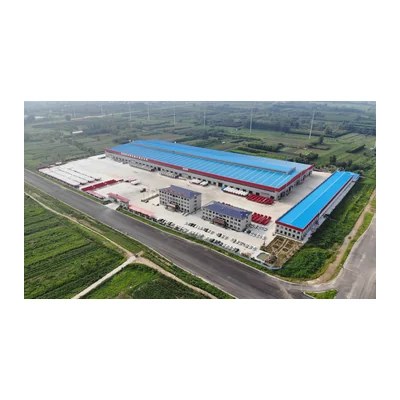
Buyers can use the supplier's quality control and factory overview information to understand how surface preparation fits the wider process. Product type matters too: a lowbed trailer exposed to road spray can have different corrosion priorities from a dry-bulk body.
Common Buyer Mistakes
Treating shot blasting as an optional appearance step.
Specifying a paint brand without specifying surface preparation.
Checking only color and gloss while ignoring edges, welds, and underside areas.
Allowing a long delay between blasting and priming in humid conditions.
Assuming a thick topcoat can compensate for poor cleaning or adhesion.
Key Takeaways
Shot blasting removes contamination and creates a suitable anchor profile.
The preparation grade should match the coating system and service environment.
Fabrication cleanup, dust control, and primer timing are part of the result.
Edges, welds, corners, and undersides deserve focused inspection.
A paint warranty is difficult to evaluate without a clear preparation basis.
FAQ
Is shot blasting the same as painting?
No. Shot blasting prepares and profiles the steel; painting applies the protective coating system.
Can a trailer be painted without shot blasting?
Some systems may use another approved preparation method, but the buyer should confirm that the method provides the required cleanliness and adhesion basis.
What standard is used for surface preparation?
ISO 8501-1 is a common visual reference, while profile, dust, and coating thickness may need additional methods.
Why does paint peel around welds?
Possible causes include spatter, contamination, poor edge preparation, moisture, insufficient coating, or movement and impact in service.
Does a thicker paint film always last longer?
No. Excessive thickness can create its own defects. The coating system should be applied within its specified range.
Conclusion
Shot blasting earns its place before trailer painting because coatings perform only as well as the surface beneath them. Buyers should specify the preparation basis, ask how the surface is protected between steps, and inspect the difficult areas where corrosion protection is most often lost.
References
ISO 8501-1 preparation of steel substrates before application of paints and related products
ISO 8503 surface roughness characteristics of blast-cleaned steel substrates
ISO 12944 corrosion protection of steel structures by protective paint systems