 WhatsApp
 sales@youcantrailer.com
 +8615203709888
End Dump vs Side Dump Trailer: What's the Difference?
End Dump vs Side Dump Trailer: What's the Difference?
Quick Answer
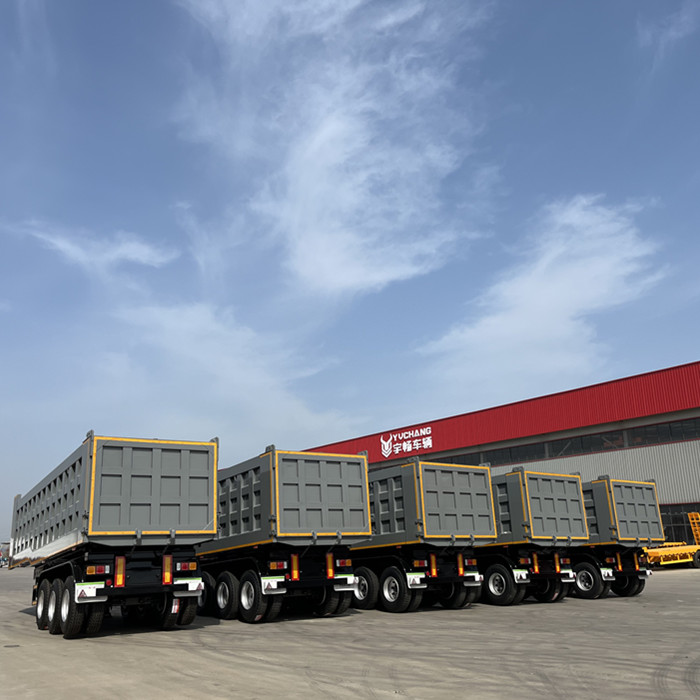
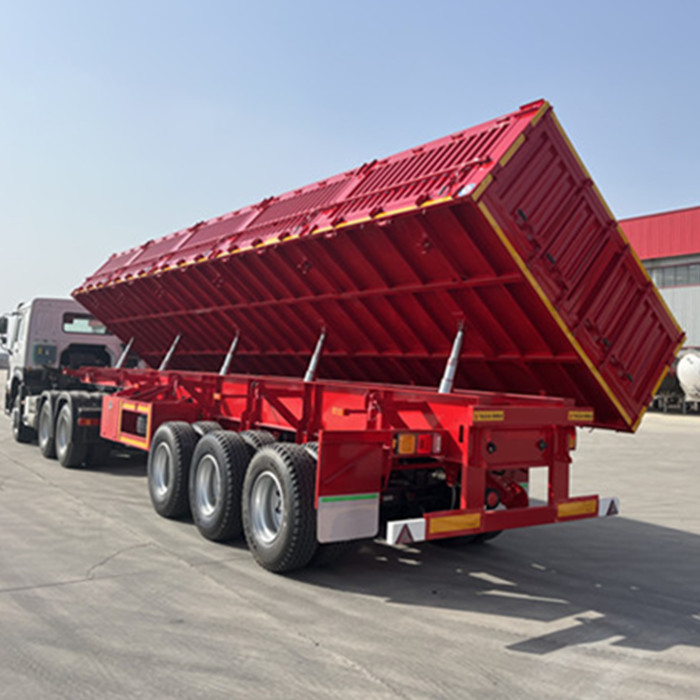
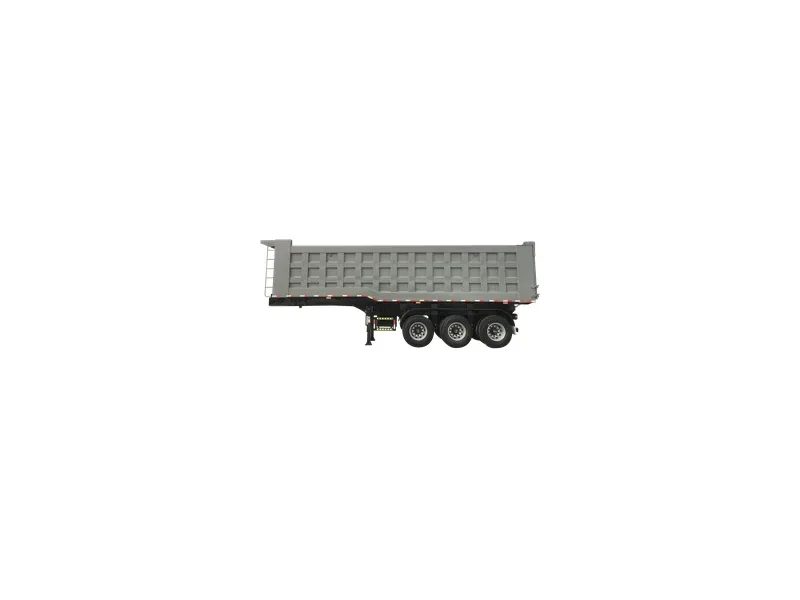
An end dump trailer discharges cargo over the rear, while a side dump trailer discharges to the side. End dumping can suit a clear rear unloading area and a familiar loading cycle; side dumping can help where rear space is limited or where spreading along the side is useful. The right choice depends on site geometry, material behavior, rollover and stability controls, hydraulic arrangement, discharge direction, and traffic management. Neither design is universally better for every worksite.
What the Product Is Designed to Do
A semi trailer should be understood as a connected transport system rather than a list of isolated parts. The product category describes the primary job, but the final suitability depends on the cargo interface, load path, running gear, operating environment, and acceptance basis.
Why the Choice Matters to Buyers
The wrong configuration can create loading delays, unstable cargo, excessive tire or brake wear, cleaning problems, route restrictions, or difficult maintenance. These risks are often created at the interface between components, where a small change in deck height, restraint position, valve arrangement, axle location, or clearance can affect the whole operating cycle.
Decision Factors Buyers Often Miss
| Decision factor | What to check | Why it changes the result |
|---|---|---|
| Cargo or container interface | Dimensions, contact points, restraints, locks, or discharge route | The trailer must transfer load without forcing improvised supports. |
| Loading and unloading | Top, side, rear, ramp, lifting, terminal, or pneumatic access | A technically suitable trailer can still fail the daily workflow. |
| Route and legal envelope | Height, width, axle distribution, braking, lighting, and local rules | Operating limits are determined by the destination and route. |
| Maintenance capability | Parts access, inspection points, cleaning, adjustment, and service skills | A lower-maintenance design may outperform a more complex one in the field. |
How the Working System Should Be Reviewed
1. Define the material and operating cycle
Record what is loaded, how it behaves, how often the trailer cycles, where it is loaded and discharged, and what contamination or cleaning risks exist. Material behavior is often more important than a brochure category.
2. Follow the load path
Trace the load from the body or vessel through the frame, suspension, axles, brakes, and tires. For unloading equipment, also trace the force and flow path through hinges, valves, piping, ramps, or hydraulic components.
3. Review failure and recovery conditions
Ask what happens when the material is wet, the machine cannot drive, the discharge line blocks, the site is uneven, or a component needs service. A useful specification includes recovery steps, not only normal operation.
4. Verify the acceptance evidence
Agree which dimensions, functions, leak checks, movement checks, or operating demonstrations will be recorded before shipment. The evidence should match the actual risk.
Engineering Notes
Engineering Note 1: The most useful specification describes how the trailer will be loaded, secured, operated, inspected, and recovered when conditions are not ideal.
Engineering Note 2: A component can be technically strong and still be unsuitable if its interfaces create poor access, unexpected load concentration, or difficult service work.
Engineering Note 3: Acceptance evidence should be selected from the likely failure modes. Measuring a non-critical feature while ignoring a functional clearance gives false confidence.
Common Buyer Mistakes
Choosing from a headline capacity or length without defining the real load interface.
Comparing component brands without checking compatibility and installation.
Ignoring loading, unloading, cleaning, or recovery conditions.
Assuming a factory check proves compliance in every destination market.
Changing the configuration after approval without reviewing load distribution and clearances.
What Buyers Should Ask the Manufacturer
Which approved drawing or configuration is the quotation based on?
Which dimensions, functions, and interfaces are critical for my operation?
How will the trailer be inspected before shipment, and what records are available?
Which parts require destination-specific confirmation?
What changes would require engineering review after order approval?
Why YOUCAN Trailer
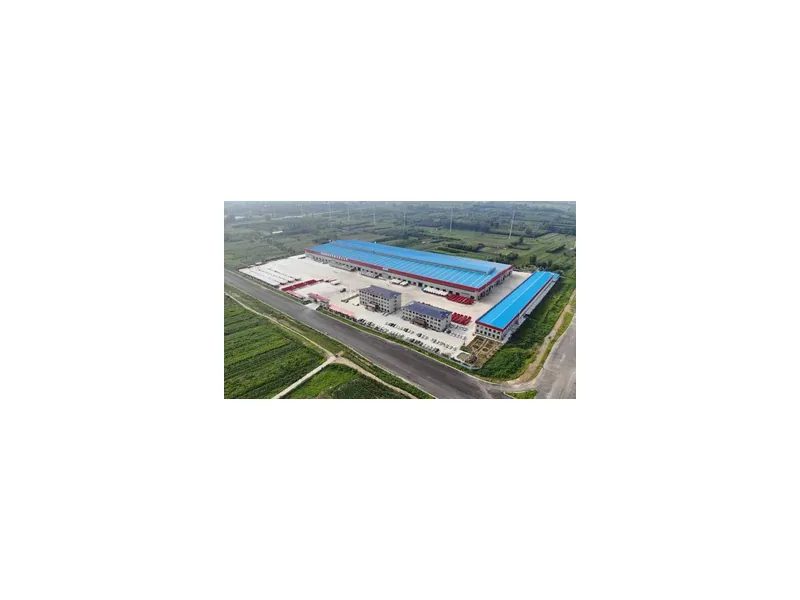
YOUCAN Trailer, the semi-trailer business of Henan Yuchang Vehicle Manufacturing Co., Ltd., has operated since 1999. For an international buyer, the practical value of a manufacturer relationship is the ability to connect product selection with engineering clarification, configuration review, production control, inspection, and export handover. The buyer should still approve the exact specification and acceptance basis for each project.
Related YOUCAN resources: dump tipping trailers; quality control; factory overview.
Key Takeaways
Define the cargo, material, container, or equipment interface first.
Evaluate structure, running gear, brakes, and restraints as one system.
Match the design to the route, loading method, and local rules.
Ask for measured and functional evidence that reflects the real operating risk.
Review the approved drawing before production and record any changes.
Choose serviceability and total operating fit, not only the lowest initial price.
Conclusion
The right trailer is the one whose product function, load path, operating cycle, maintenance plan, and destination requirements fit together. Define those conditions before comparing quotations, then keep the approved configuration and inspection evidence aligned through production and shipment. Contact YOUCAN with the cargo, route, tractor, loading method, and target market so the technical discussion can start from a usable brief.
FAQ
What should I confirm before buying a end dump vs side dump trailer?
Confirm the intended cargo or operating material, loading method, route, legal requirements, maintenance capability, and the evidence the supplier will provide before release.
Are trailer specifications universal across countries?
No. Dimensions, axle limits, braking, lighting, hazardous-goods rules, and registration requirements vary by destination and vehicle category.
Is the largest available trailer always the best choice?
No. The correct choice balances usable capacity, load distribution, maneuverability, route limits, operating frequency, and serviceability.
What should be checked during factory inspection?
Check configuration identity, critical dimensions, welds and structure, running gear, brakes, electrical functions, finish, accessories, and the documents required for handover.
Can YOUCAN customize the configuration?
Customization should be based on the cargo, route, tractor, local requirements, and an approved technical specification. The buyer should review the drawing before production.
Which documents should an overseas buyer request?
Request the approved specification or drawing, inspection records relevant to the order, packing or shipping information, and any destination-specific documents agreed in the contract.
References
ISO 9001 quality management systems
UNECE vehicle and component requirements where applicable to the destination market
Local road, axle, dimension, lighting, braking, or hazardous-goods rules confirmed for the buyer's registration path