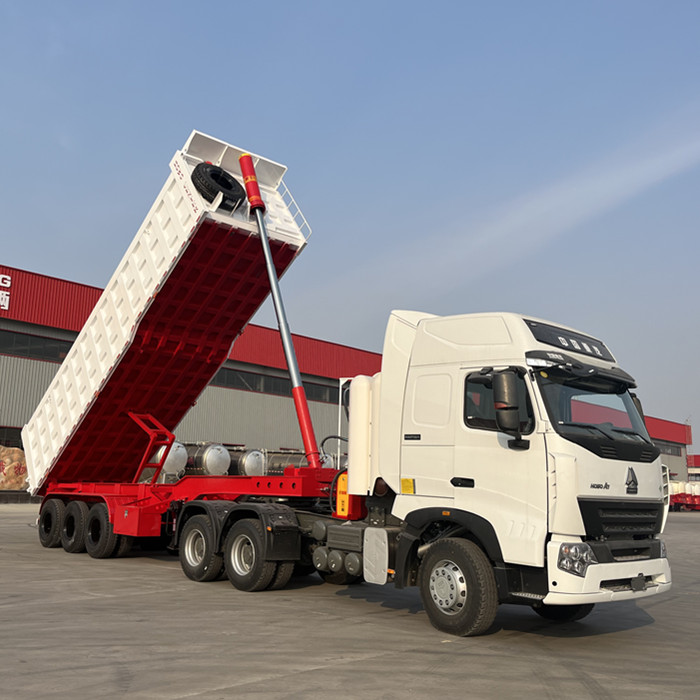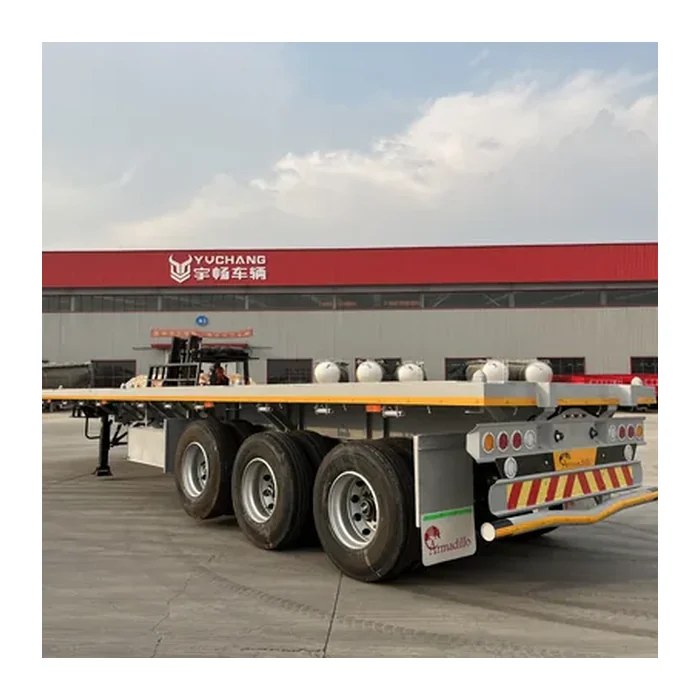
 WhatsApp
 sales@youcantrailer.com
 +8615203709888
How Does YOUCAN Control Trailer Painting Quality?
How Does YOUCAN Control Trailer Painting Quality?
Quick Answer
YOUCAN can control trailer painting quality by controlling the steel surface, the preparation condition, the coating system, application environment, film thickness, curing, handling, and final inspection. A consistent color is useful but insufficient. Buyers should also examine adhesion risk, coverage at edges and welds, dry-film thickness, repair areas, and whether the selected system matches the trailer's climate and operating exposure.
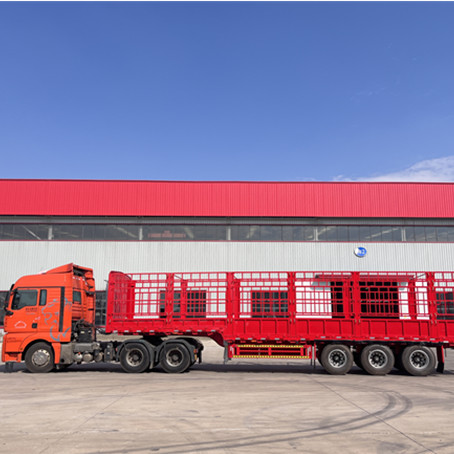
What Trailer Painting Quality Includes
A trailer coating has several jobs: slow corrosion, protect fabricated surfaces, improve identification and appearance, and support the service life expected by the buyer. These jobs depend on the whole system. Primer, intermediate coat, topcoat, surface profile, film thickness, and curing cannot be evaluated as unrelated items.
| Quality point | What to control | Typical buyer evidence |
|---|---|---|
| Surface preparation | Cleanliness, profile, dust, flash rust | Preparation basis and inspection records |
| Coating selection | System, compatibility, and service environment | Product data and approved paint specification |
| Application | Mixing, pot life, spray technique, and access | Process records or production photos |
| Film thickness | Dry-film thickness by area and system | Measured results where required |
| Edges and welds | Stripe coat, coverage, and continuity | Close-up inspection |
| Curing and handling | Time, temperature, and protection from damage | Release timing and final check |
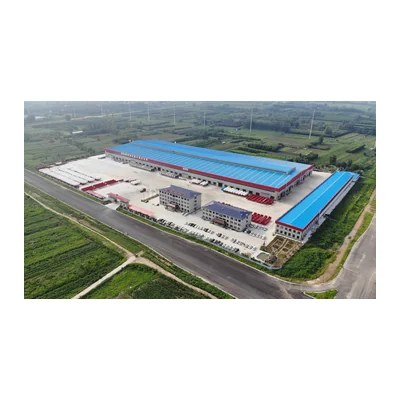
How Painting Quality Is Controlled
Start With Exposure
The correct paint system depends on climate, salt, humidity, road spray, chemical exposure, abrasion, and expected maintenance. An export trailer operating in a coastal environment may need different protection priorities from a trailer working in a dry inland region. The specification should identify the service basis instead of using premium as the only description.
Prepare the Steel Consistently
Surface preparation removes contamination and creates the condition needed for adhesion. It includes fabrication cleanup, degreasing, abrasive preparation or another approved method, dust removal, and protection before priming.
Apply Coats as a System
The painter needs correct mixing, application window, overlap, access, and recoat timing. Hidden areas, undersides, corners, brackets, and welds are common weak points because they are harder to reach and inspect.
Verify Film Thickness and Coverage
Dry-film thickness should be checked against the coating specification where the project requires measured acceptance. A thick reading on an easy flat panel does not prove that the edges, inside corners, or underside areas have adequate coverage.
Protect the Finish Through Handover
Fresh paint can be damaged by lifting, lashing, stacking parts, drilling, or careless movement. Touch-up should follow a controlled method and be recorded when the finish is part of the acceptance criteria.
A Practical Paint Quality Review
| Review area | Questions to ask |
|---|---|
| Specification | What exposure and service life was the system chosen for? |
| Preparation | What cleanliness and surface profile are required? |
| Environment | How are humidity, temperature, dust, and dew point controlled? |
| Application | How are difficult areas and recoat intervals managed? |
| Measurement | Where is film thickness checked, and how are low readings corrected? |
| Repair | How are scratches, weld repairs, and transport damage touched up? |
Engineering Note: A paint system can fail locally even when its average thickness looks acceptable. Edge coverage and the condition of the steel underneath often explain the first corrosion point.
For buyers comparing trailer types, flatbed trailers and lowbed trailers expose different areas to road contamination, while a bulk body may require attention to access and equipment supports. Use the supplier's quality control information as a starting point and confirm the actual order basis.
Common Buyer Mistakes
Choosing a paint color or brand without defining preparation and coating thickness.
Checking the large side panels but not the underside, welds, edges, and brackets.
Assuming a high gloss finish proves corrosion protection.
Ignoring curing and handling damage before shipment.
Requesting touch-up without asking whether the repair is compatible with the original system.
Key Takeaways
Painting quality is a system from steel preparation through handover.
The service environment should guide coating selection.
Edges, welds, corners, and undersides need deliberate inspection.
Film thickness should be checked by area, not inferred from appearance.
Transport and touch-up can change the final condition after painting.
FAQ
What paint system is best for a semi trailer?
The answer depends on climate, salt, humidity, abrasion, chemicals, maintenance, and the buyer's service-life expectation.
How is trailer paint thickness verified?
A suitable dry-film thickness instrument can be used according to the coating specification, with readings taken across representative areas and difficult details.
Why does paint peel even when the color looks good?
Common causes include contamination, poor preparation, moisture, incompatible coats, incorrect recoat timing, or impact damage.
Should all trailer surfaces have the same thickness?
Not necessarily. The coating system and area exposure may define different requirements, but the agreed specification should be clear.
Can a painted trailer be repaired after delivery?
Yes, but the repair should use a compatible preparation and coating method and should address the cause of damage.
Conclusion
YOUCAN's painting quality should be judged by the control chain behind the finish: surface preparation, coating compatibility, application, coverage, measurement, curing, and handover protection. That is the information a buyer needs when appearance and long-term corrosion resistance both matter.
References
ISO 12944 corrosion protection of steel structures by protective paint systems
ISO 8501-1 preparation of steel substrates before application of paints and related products
ISO 19840 measurement of and acceptance criteria for dry film thickness on rough surfaces