How to Choose an ISO Container Trailer for Port Haulage?
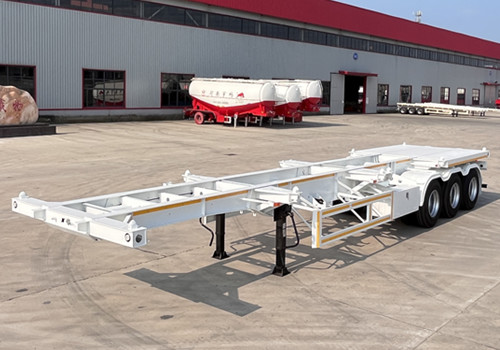
Selecting the right equipment is a critical decision that directly impacts operational efficiency, safety, and profitability in the fast-paced world of port logistics and freight forwarding. An investment in a high-quality iso container trailer, often called a skeletal trailer or container chassis, ensures reliable performance, minimizes downtime, and maximizes your return on investment. Making an uninformed choice can lead to costly maintenance, regulatory fines, and logistical bottlenecks.
This guide provides a practical framework for procurement managers and logistics directors to navigate the complexities of sourcing these essential assets. Before diving deep, here is a buyer's quick checklist:
- Verify Load & Size Compatibility: Does the trailer's payload capacity and twist lock configuration match your standard container types (20ft, 40ft, 45ft, 2x20ft)?
- Assess Structural Integrity: Is the main frame built from high-tensile steel (e.g., Q345B) with quality welding?
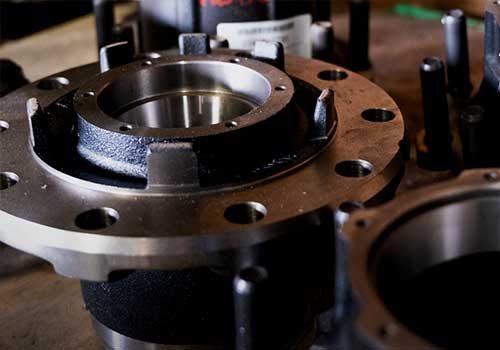
- Check Component Brands: Are key components like axles (FUWA, BPW), landing gear (JOST), and braking systems (WABCO) from reputable manufacturers?
- Evaluate Total Cost of Ownership (TCO): Look beyond the initial price to consider maintenance, fuel efficiency, and lifespan.
Key Factors & Technical Parameters to Consider
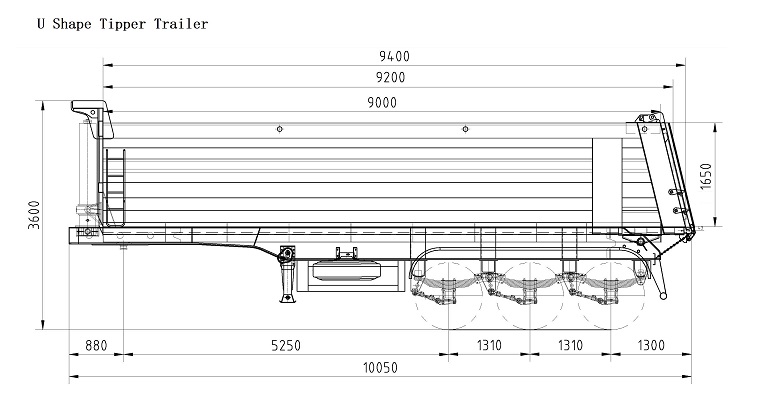
Evaluating the technical specifications is the most crucial step in the procurement process. These parameters determine the trailer's performance, durability, and suitability for your specific operational environment.
- Payload Capacity and Tare Weight: The Gross Vehicle Weight (GVW) must comply with local road regulations. A lower tare (unladen) weight allows for a higher legal payload, increasing revenue per trip. Look for designs that optimize strength-to-weight ratios using high-tensile steel.
- Axle Configuration and Suspension: The number of axles (typically 2, 3, or 4) dictates the load-bearing capacity. Air suspension provides a smoother ride, protecting sensitive cargo and reducing road wear, while mechanical/spring suspension is more robust and lower-maintenance for harsh conditions.
- Frame Material and Construction: The main beams are the backbone. Insist on high-strength steel like Q345B or T700, manufactured using automated submerged arc welding for consistent, deep-penetrating welds. This ensures resistance to twisting and bending under heavy loads.
- Twist Lock System: The quantity and placement of twist locks determine versatility. A standard chassis should have locks to secure one 40ft container, one 20ft container (centrally located), or two 20ft containers. Ensure the locks are high-quality, retractable, and easy to operate.
- Braking System: Safety is non-negotiable. A dual-circuit air brake system with an Anti-lock Braking System (ABS) or Electronic Braking System (EBS) from a reputable brand like WABCO is the industry standard. This ensures stable braking performance, especially in emergency situations.
- Tires and Rims: Port environments are demanding. Specify durable, high-load-rated tires (e.g., 12R22.5) from trusted brands. Steel rims are standard, with aluminum as a lighter-weight option to increase payload.
Types of Container Trailers: Which One Fits Your Needs?
While the skeletal chassis is the most common, several variations exist to serve different logistical needs. Understanding these differences ensures you select the most efficient tool for your operations.
| Trailer Type | Key Specs | Price Level | Best Used For |
|---|---|---|---|
| Skeletal (Chassis) Trailer | Lightweight frame, fixed length (20ft, 40ft, 45ft), 8-12 twist locks. | $$ | Dedicated, high-volume transport of standard ISO containers from port to depot. The workhorse of container haulage. |
| Extendable (Telescopic) Chassis | Adjustable frame to accommodate various container sizes (e.g., 20ft, 40ft, 45ft) with one unit. | $$$$ | Fleets requiring maximum versatility to handle unpredictable container sizes without needing multiple trailer types. |
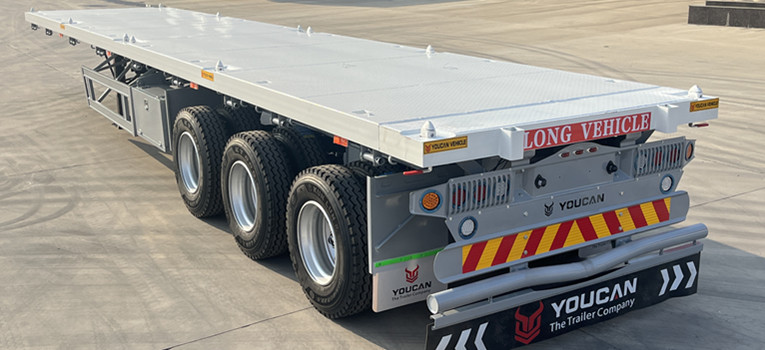
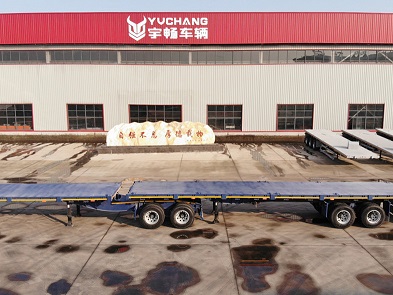
| Flatbed Trailers with Twist Locks | Full platform deck, heavier than a skeletal chassis, includes twist locks. | $$$ | Multi-purpose operations that involve hauling both containers and general break-bulk cargo, like lumber or steel. |
| Gooseneck / Step-Deck Chassis | Features a dropped front section to lower the overall height. | $$$ | Transporting high-cube containers while staying within legal height limits, especially in regions with low bridges. |
Essential Features & Quality Standards
The difference between a reliable trailer and a maintenance liability often lies in the details of its components and adherence to international standards.
Critical Components
- Kingpin: A 2-inch or 3.5-inch bolted or welded JOST-type kingpin is standard. A bolted version allows for easier replacement.
- Landing Gear: Heavy-duty, two-speed manual landing gear (e.g., JOST) with a static capacity of around 80 tons is essential for stability when decoupled.
- Electrical System: A 24V system with sealed wiring, waterproof connectors, and LED lights (tail, brake, turn signals) is crucial for reliability and compliance with road safety standards (e.g., ADR).
- Surface Treatment: A high-quality finish protects your investment. Look for a process that includes complete chassis sandblasting (to SA 2.5 standard), followed by a zinc-rich epoxy primer and a durable polyurethane topcoat.
Quality Certifications
A reputable manufacturer will operate under globally recognized quality management systems. Look for certifications like ISO 9001, which demonstrates a commitment to consistent quality control. Adherence to CE standards is also a strong indicator of product safety and conformity for certain markets.
Total Cost of Ownership (TCO) & Budgeting Guide
The initial purchase price is only one part of the equation. A strategic buyer considers the Total Cost of Ownership over the trailer's lifespan, which can be 10-15 years or more.
Breaking Down the Costs
- Upfront Cost: The purchase price of the equipment, influenced by specifications and component choices.
- Operational Costs: Fuel consumption is directly affected by the trailer's tare weight and tire rolling resistance.
- Maintenance Costs: Includes scheduled servicing of brakes, suspension, and tires. Higher quality components, like those found in our trailer parts catalog, often have longer service intervals and lower replacement costs.
- Downtime Costs: The most significant hidden cost. A cheap trailer that fails unexpectedly results in lost revenue, delivery penalties, and damage to your reputation.
When presenting a purchase justification, focus on the ROI. A slightly more expensive trailer built with superior steel and brand-name components can offer a lower TCO through better fuel economy, reduced maintenance, and significantly higher uptime, paying for itself over time.
Top Common Buying Mistakes & How to Avoid Them
- Chasing the Lowest Price: The most common trap. Extremely low prices often indicate compromises on steel grade, welding quality, or component brands, leading to premature structural failure and high repair bills.
- Ignoring Tare Weight: A heavy trailer reduces your legal payload capacity on every single trip, directly impacting revenue and profitability over its entire service life.
- Mismatched Specifications: Ordering a trailer without confirming a match for local regulations (e.g., axle weight limits, overall length) or operational needs (e.g., wrong twist lock positions) can render it unusable.
- Overlooking After-Sales Support: A supplier who disappears after the sale can be a major problem when you need warranty support or urgent spare parts. Vet your supplier's service commitment.
- Neglecting Surface Protection: Poor paint and surface preparation will lead to rapid corrosion, especially in coastal or humid environments, compromising the trailer's structural integrity.
Customization & OEM/ODM Options
Your operational needs may be unique. A capable manufacturer can offer extensive customization (OEM/ODM) to build a trailer that perfectly fits your requirements. Common customizations include:
- Structural Modifications: Adjusting the length, width, or number of cross-members for special applications.
- Component Specification: Choosing specific brands for axles, suspension, braking systems, and tires to match your existing fleet for parts commonality.
- Twist Lock Configuration: Adding extra or specialized locks for non-standard cargo.
- Paint and Branding: Applying your company's specific color scheme (RAL code) and logos for a professional fleet appearance.
- Electrical System Adaptation: Modifying wiring and plugs to match the standards of your prime movers.
Inspection, Packaging & Shipping
For international buyers, understanding the logistics process is vital. We ensure every trailer is prepared for a long journey and arrives in perfect condition.
Inspection
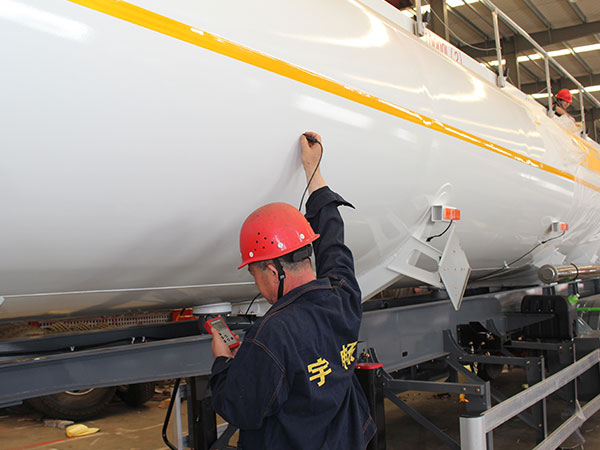
We welcome third-party pre-shipment inspections (e.g., SGS, BV) at our facility. Before dispatch, our internal QC team conducts a final check on welding, dimensions, painting, and all functional components.
Packaging & Shipping
Container chassis are typically shipped via one of three methods:
- By Bulk Carrier or Ro-Ro Ship: The trailer is driven directly onto the vessel. This is the most common and cost-effective method.
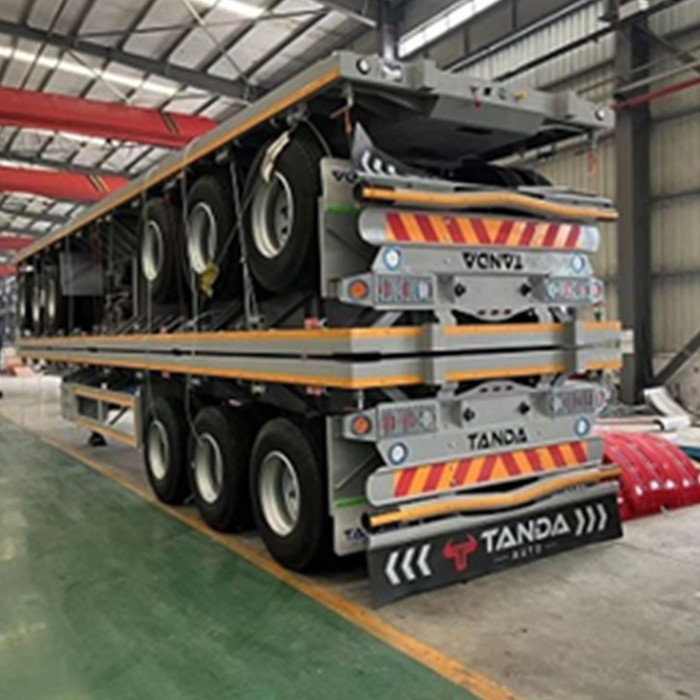
- By Container: To save on shipping costs, two or three chassis can be stacked and loaded into a single 40ft high-cube container. Some disassembly (e.g., wheels) is required, with re-assembly at the destination.
Why Partner with Us as Your Manufacturer?
Choosing the right manufacturing partner is as important as choosing the right specifications. With years of experience in exporting heavy-duty trailers globally, we offer more than just a product; we provide a reliable logistics solution.
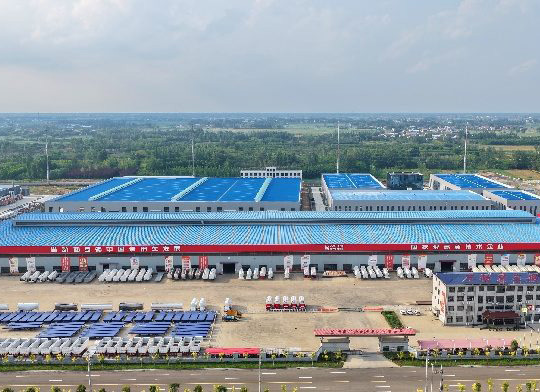
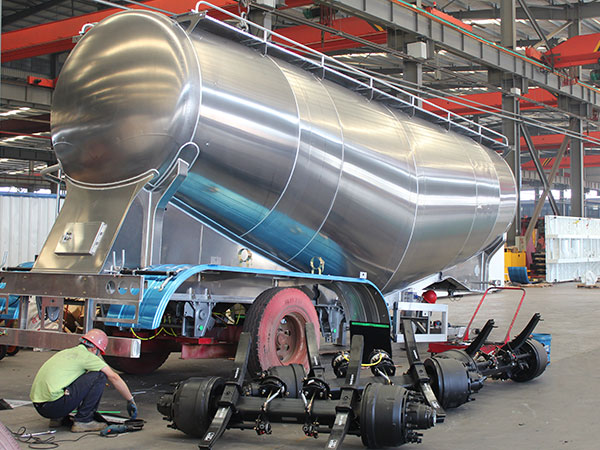
Our factory utilizes advanced production lines, including robotic welding and automated sandblasting, to ensure every container chassis meets the highest standards of structural integrity. Our strict quality control process inspects every stage, from raw material verification to final assembly. We stand behind our work with a comprehensive warranty and provide lifetime technical support to ensure your fleet remains operational and profitable.
For detailed specifications or to discuss your custom trailer requirements, please submit your inquiry for a formal quotation.
Frequently Asked Questions (FAQ)
1. What is your Minimum Order Quantity (MOQ)?
Our MOQ is typically one (1) unit. We support businesses of all sizes, from owner-operators to large fleet managers.
2. What is the standard lead time for production?
The standard production lead time for a container trailer is approximately 25-30 working days after confirmation of drawings and receipt of deposit.
3. What are your warranty terms?
We offer a 12-month warranty on the main frame against manufacturing defects. Key components are covered by their respective original manufacturer's warranties.
4. What payment terms do you accept?
We typically accept T/T (Telegraphic Transfer) with a 30% deposit and the 70% balance paid before shipment. We can also discuss L/C (Letter of Credit) for larger orders.
5. Do you provide after-sales service and spare parts?
Yes, we provide comprehensive after-sales support. We offer lifetime technical guidance and can ship spare parts globally via express courier to minimize your downtime.
How to Choose a Semi Trailer in Zambia
A comprehensive guide for B2B buyers on choosing the right semi trailer in Zambia. Learn about technical specs, types, TCO, and common mistakes. Get a...
Read More →
Improve Intermodal Uptime With an ISO Container Trailer
Discover how a robust ISO container trailer boosts efficiency in logistics, manufacturing, and construction. Review our guide on specs, applications, ...
Read More →