How to Choose a Semi Trailer in Zambia
Selecting the right heavy-duty transport equipment is a critical investment for any business involved in logistics, mining, agriculture, or construction. The operational efficiency, safety, and profitability of your fleet depend heavily on choosing a semi trailer in Zambia that is perfectly matched to the cargo, terrain, and regulatory environment. A well-chosen trailer enhances productivity and delivers a strong return on investment, while a poor choice can lead to costly downtime, maintenance issues, and safety hazards.
This guide provides a systematic approach for procurement managers and business owners to navigate the purchasing process. To get started, here is a buyer's quick checklist for your evaluation:
- Application Analysis: Clearly define the primary type of cargo you will be hauling (e.g., containers, bulk minerals, liquids, heavy equipment).
- Payload & Axle Configuration: Match the trailer's load capacity and axle count to your typical freight weight and local road regulations.
- Chassis & Suspension: Prioritize high-strength steel frames and robust suspension (mechanical or air) suited for Zambia's diverse road conditions.
- Supplier Vetting: Verify the manufacturer's experience, quality certifications (like ISO 9001), and after-sales support capabilities.
Key Factors & Technical Parameters to Consider
When evaluating a semi trailer for the Zambian market, moving beyond the sticker price to assess technical specifications is essential for long-term performance and durability. Focus on these critical parameters:
- Load Capacity (Payload): This is the maximum weight the trailer is designed to carry. It can range from 30 tons for standard cargo to over 100 tons for specialized heavy haulage. Always select a capacity that provides a safety margin for your heaviest expected loads.
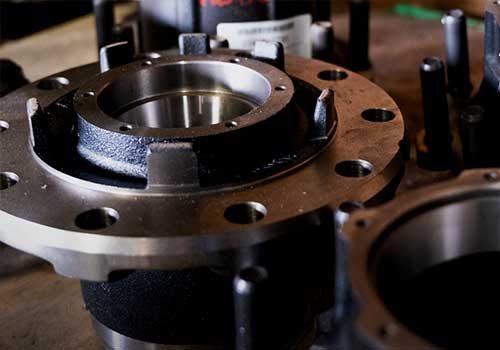
- Axle & Suspension System: The number of axles (typically 2, 3, or 4) dictates weight distribution and legal compliance. For Zambia's varied road network, a heavy-duty mechanical suspension is often preferred for its durability and ease of maintenance. Air suspension offers a smoother ride for fragile cargo but can be more complex to service in remote areas. Renowned axle brands like BPW or FUWA are industry benchmarks for reliability.
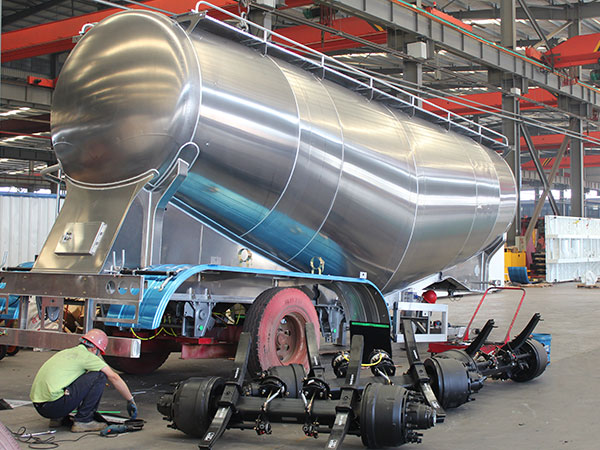
- Chassis Material and Construction: The main beams of the chassis should be fabricated from high-strength steel, such as Q345B or T700, to withstand high stress and prevent deformation. Look for evidence of advanced welding techniques like submerged arc welding, which ensures deep, consistent, and strong joints.
- Braking System: A reliable braking system is non-negotiable for safety. Modern trailers should be equipped with an Anti-lock Braking System (ABS), ideally from a reputable manufacturer like WABCO. This prevents wheel lock-up during emergency braking, maintaining vehicle control.
- Tire Specification: Tires must be rated for heavy loads and durable enough for long-distance hauls on potentially rough surfaces. Common specifications include 12.00R22.5 or 315/80R22.5, with a preference for brands known for their resilience in African conditions.
- Kingpin and Landing Gear: The kingpin connects the trailer to the prime mover. Ensure it is a standard, interchangeable size (2-inch or 3.5-inch JOST type) to match your truck fleet. The landing gear must be robust enough to support the trailer's fully loaded weight when uncoupled.
Types of Semi Trailers: Which One Fits Your Needs?
The type of trailer you need is determined entirely by your cargo. Each design is optimized for a specific application, offering unique advantages in loading, transport, and unloading.
| Trailer Type | Key Specs & Features | Price Level | Best Used For |
|---|---|---|---|
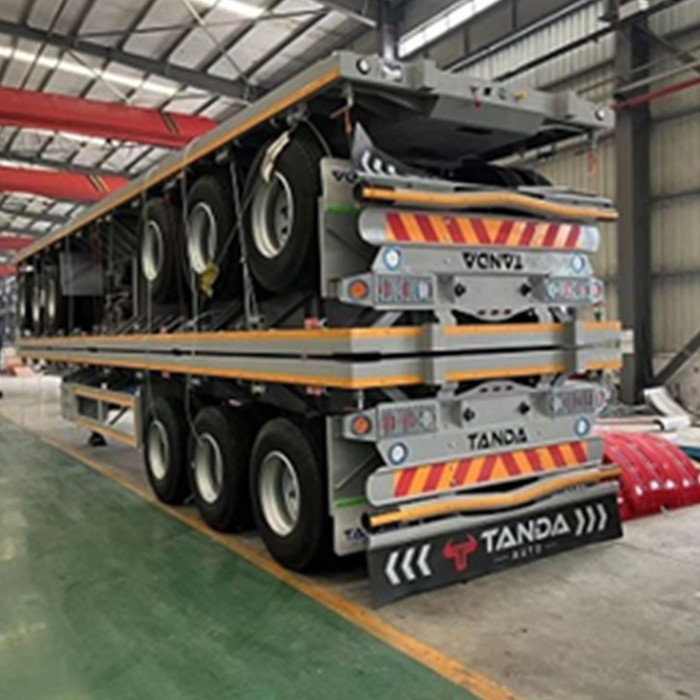
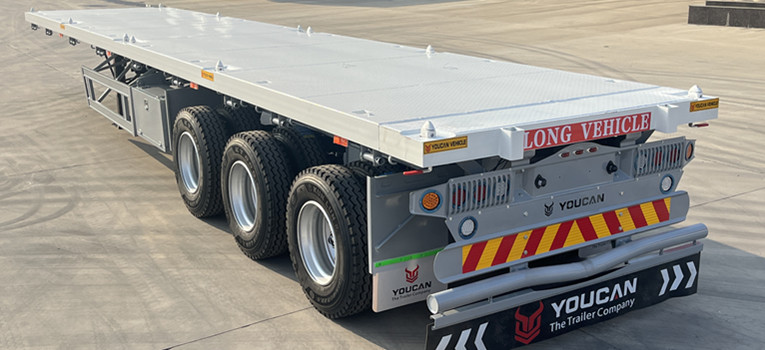
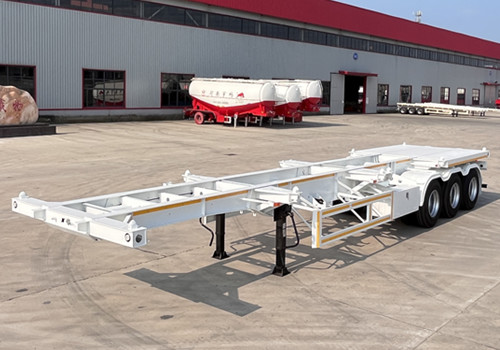
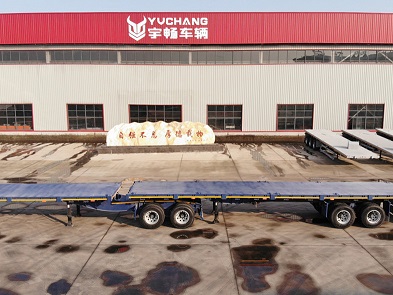
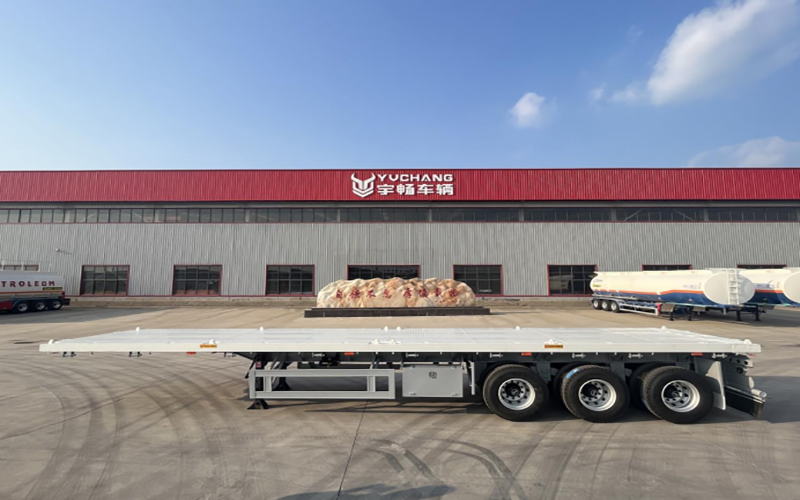
| Flatbed Trailers | Open deck, twist locks for containers, 40-60 ton capacity. | $$ | 20ft/40ft shipping containers, bagged goods, construction materials, general cargo. |
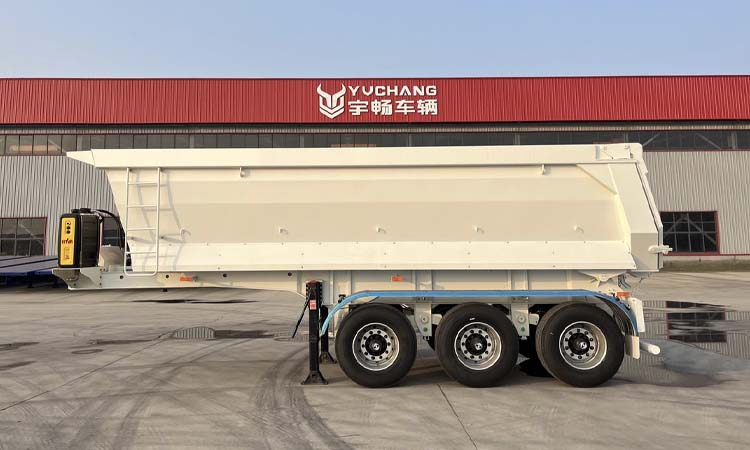
| Tipper Trailers | Hydraulic tipping system (rear or side), U-shaped or rectangular body, 30-80 ton capacity. | $$$ | Bulk materials like copper ore, coal, sand, gravel, and agricultural products. |
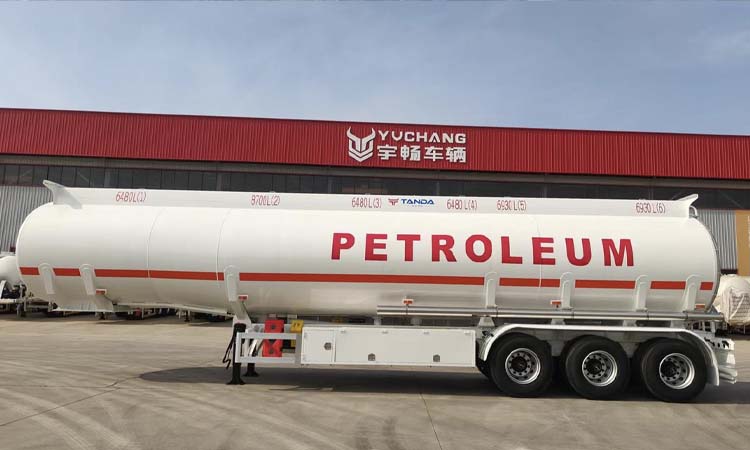
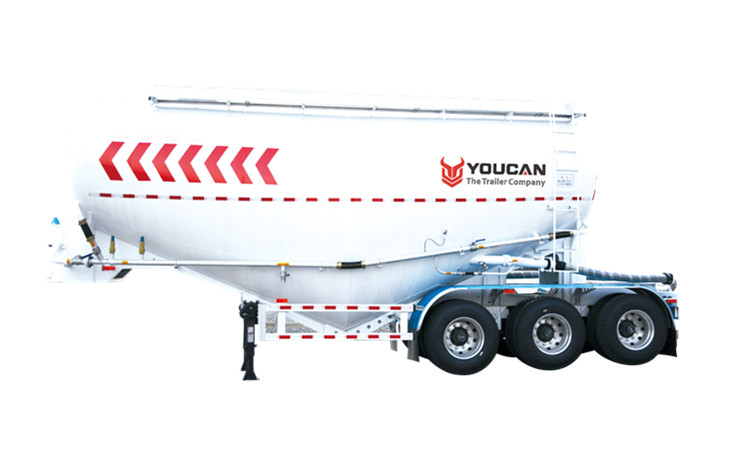
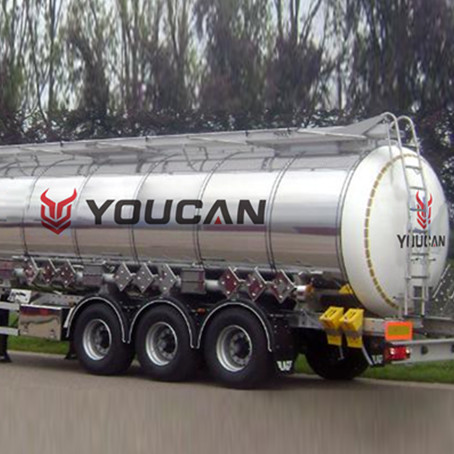
| Tanker Trailers | Steel or aluminum tank, multiple compartments, 30,000-60,000 liter capacity. | $$$$ | Transporting fuel (petrol, diesel), chemicals, edible oils, water, or bulk cement. |
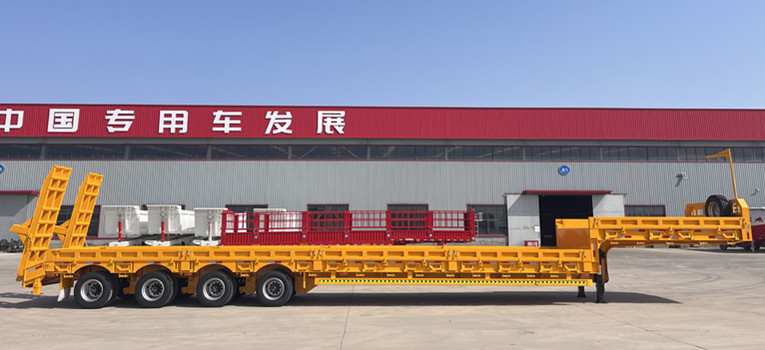
| Lowbed Trailers | Low deck height, rear or front-loading ramps, 50-120+ ton capacity. | $$$$ | Hauling heavy machinery like excavators, bulldozers, and other oversized equipment. |
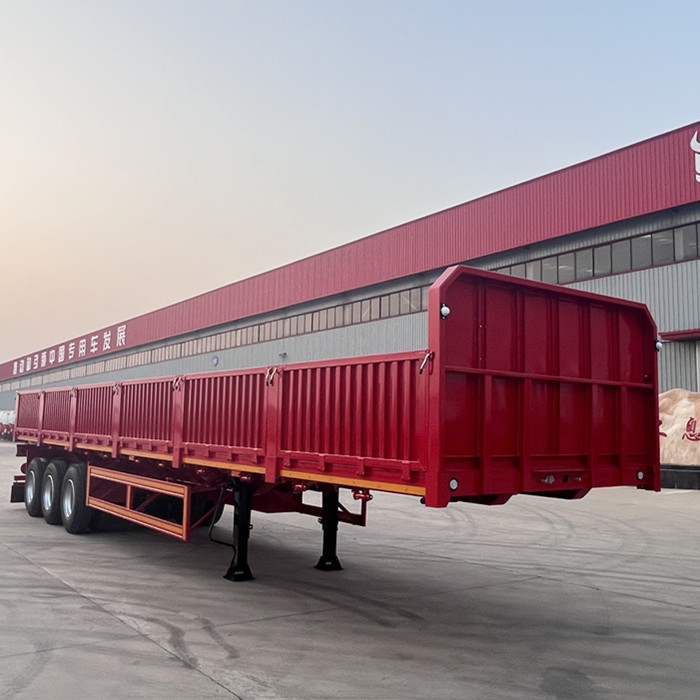
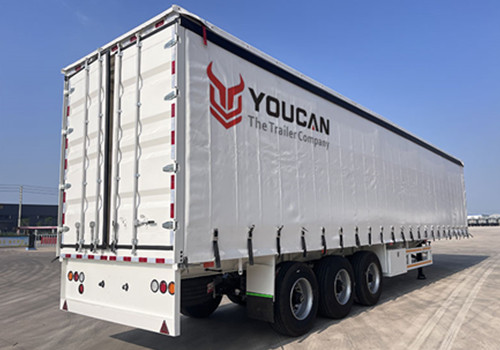
| Curtainsider (Tautliner) | Sliding PVC curtains, rigid roof, offers weather protection and side-loading access. | $$$ | Palletized goods, fast-moving consumer goods (FMCG), and general freight requiring protection. |
Essential Features & Quality Standards
High-quality trailers are distinguished by the quality of their components and adherence to international manufacturing standards. When inspecting a potential supplier, look for these indicators of quality:
- Welding Quality: Automated welding processes ensure stronger, more uniform seams than manual welding, reducing the risk of stress fractures.
- Surface Treatment: A multi-stage surface preparation process, including shot blasting to remove all rust and scale, followed by multiple layers of primer and a durable topcoat, is crucial for preventing corrosion in humid or harsh environments.
- Electrical System: All wiring should be sealed, protected against abrasion, and use waterproof connectors. LED lighting is the modern standard for its longevity and low power consumption.
- Quality Certifications: Reputable manufacturers operate under an ISO 9001:2015 quality management system. While specific product certifications like CE are more common in Europe, ISO 9001 demonstrates a commitment to consistent production quality and process control.
Total Cost of Ownership (TCO) & Budgeting Guide
A smart procurement decision looks beyond the initial purchase price to consider the Total Cost of Ownership (TCO) over the trailer's lifespan. A cheaper trailer may end up costing more in the long run.
Your TCO calculation should include:
- Upfront Cost: The initial purchase price, including any customizations.
- Shipping and Import Costs: Freight charges from the country of origin to Zambia, plus customs duties, taxes, and clearing fees.
- Maintenance and Spares: Budget for routine replacement of wear-and-tear items like tires, brake linings, and suspension bushings. Availability of quality trailer parts is a key consideration.
- Downtime Costs: A low-quality trailer that breaks down frequently results in lost revenue and significant repair expenses. Reliability is paramount.
- Resale Value: Well-built trailers from reputable brands retain more of their value, providing a better return when you eventually upgrade your fleet.
When presenting a purchase justification to management, focus on the ROI. A durable, efficient trailer that requires less maintenance and suffers minimal downtime directly contributes to a healthier bottom line.
Top Common Buying Mistakes & How to Avoid Them
Many first-time buyers fall into predictable traps. Being aware of these common mistakes can save you significant time and money.
- Chasing the Lowest Price: The cheapest offer often comes with compromises in steel quality, component brands, or welding integrity. This leads to higher maintenance costs and a shorter service life.
- Ignoring Local Conditions: A trailer designed for smooth European highways may not survive long on some of Zambia's more challenging rural or mine-access roads. Prioritize robust construction over lightweight, feature-heavy designs.
- Overlooking After-Sales Support: Before you buy, ask the supplier about their warranty policy and how they handle claims. How easily can you get technical support or spare parts if something goes wrong?
- Mismatching Specifications: Ensure the trailer's fifth wheel height, braking system connections, and electrical voltage are fully compatible with your existing fleet of prime movers.
- Neglecting Supplier Due Diligence: Do not rely solely on a website. Ask for factory videos, previous export records to Africa, and customer references to verify the supplier is a legitimate and experienced manufacturer.
Customization & OEM/ODM Options
A key advantage of working directly with a manufacturer is the ability to customize trailers to your exact operational needs. Standard models can be a starting point, but true efficiency often comes from tailored solutions. Common customization options include:
- Dimensions: Adjusting the length, width, or height of the trailer body or sidewalls.
- Axle Configuration: Adding lift axles to save tire wear and fuel when running empty.
- Component Specification: Choosing specific brands for axles, suspension, tires, or braking systems.
- Additional Features: Requesting extra twist locks, toolboxes, water tanks, or specific tie-down points.
- Branding: Applying your company's logo and color scheme for a professional fleet appearance.
Inspection, Packaging & Shipping
For international procurement, a clear understanding of the logistics process is vital.
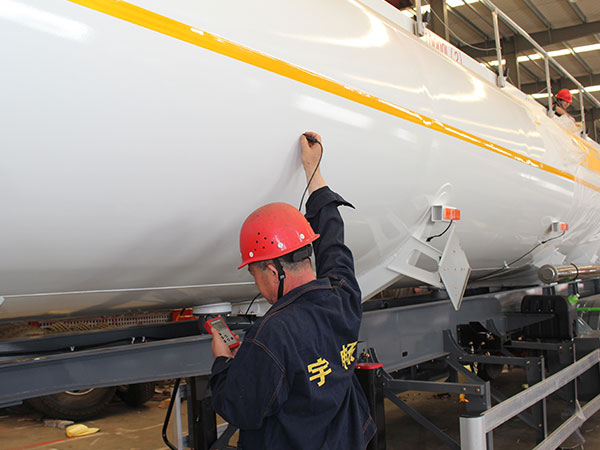
- Pre-Shipment Inspection: Reputable manufacturers welcome third-party inspections (e.g., from SGS, Bureau Veritas) before dispatch. This verifies that the trailer meets the agreed-upon specifications and quality standards.
- Export Packaging: Trailers are typically shipped via bulk carrier or Ro-Ro (Roll-on/Roll-off) vessels. To prevent corrosion from sea salt during transit, the entire trailer is often waxed. For containerized shipping (usually for CKD - Completely Knocked Down kits), parts are securely packed.
- Shipping Terms: Understand the Incoterms used. FOB (Free On Board) means the seller is responsible until the goods are loaded on the vessel. CIF (Cost, Insurance, and Freight) means the seller also arranges and pays for shipping and insurance to the destination port (e.g., Dar es Salaam or Durban).
Why Partner with Us as Your Manufacturer?
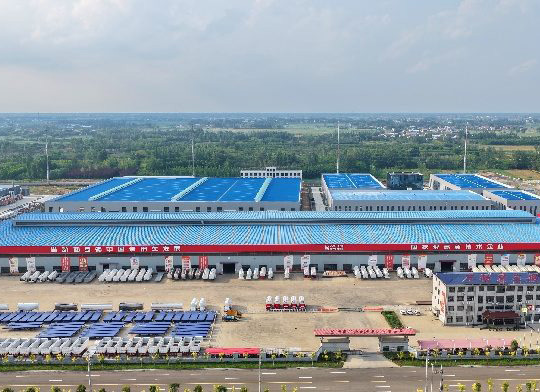
Navigating the complexities of sourcing a semi trailer for Zambia requires a partner with proven experience and a commitment to quality. Our factory specializes in manufacturing heavy-duty trailers designed specifically for the demanding conditions of the African market.
We leverage high-tensile steel, world-class components, and rigorous quality control at every stage of production. Our engineering team understands the local operational challenges and can help you specify a trailer that is durable, reliable, and cost-effective. With a comprehensive warranty, lifetime technical support, and a track record of successful exports across the continent, we stand behind every product we build.
Contact our team to discuss your specific hauling requirements and receive a detailed quotation.
Frequently Asked Questions (FAQ)
1. What is your Minimum Order Quantity (MOQ)?
Our MOQ is typically one unit. We support businesses of all sizes, from single-operator ventures to large fleet owners, and are happy to produce a single customized trailer to meet your needs.
2. What is the production lead time for a semi trailer?
The standard production lead time is approximately 30-45 days after receiving the deposit and confirming the final technical drawings. The exact time can vary based on the complexity of the trailer and the current production schedule.
3. What kind of warranty do you provide?
We typically offer a 12 to 24-month warranty on the main frame of the trailer against manufacturing defects. Key components from third-party suppliers (like axles and braking systems) are covered by their respective original manufacturer warranties.
4. What are your accepted payment terms?
Our standard payment terms are 30% deposit via Telegraphic Transfer (T/T) to begin production, with the 70% balance paid before shipment after you have approved the pre-shipment inspection photos and videos.
5. How do you handle after-sales service and spare parts?
We provide lifetime technical support via email, phone, or video call. We can ship spare parts directly to you via international courier (like DHL) to minimize downtime. We maintain detailed records of every trailer built, ensuring you receive the correct parts.
Improve Container Turns With a Skeletal Semi Trailer
Discover how a skeletal semi trailer optimizes logistics for global procurement managers. Learn about applications, specs, and customization. Request ...
Read More →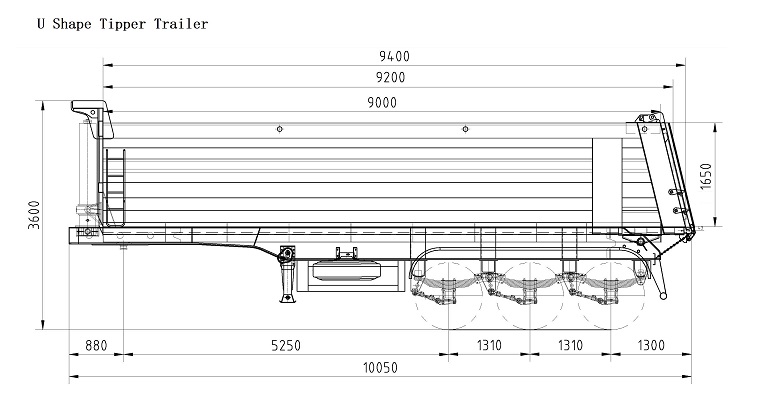
How to Choose an ISO Container Trailer for Port Haulage?
A comprehensive guide for B2B buyers on selecting the right ISO container trailer. Learn about specs, types, TCO, and common mistakes. Contact us for ...
Read More →