Improve Container Turns With a Skeletal Semi Trailer
In the high-stakes world of global logistics and supply chain management, efficiency is paramount. The skeletal semi trailer stands as a cornerstone of intermodal freight transport, offering a specialized, high-efficiency solution for moving ISO shipping containers. Its minimalist design, focusing on structural strength and low tare weight, makes it an indispensable asset for port operations, distribution centers, and manufacturing facilities worldwide. This guide provides an in-depth look at its applications, capabilities, and selection criteria for technical buyers and procurement managers.
| Target Industry | Primary Load Type | Key Benefit / Value Delivered |
|---|---|---|
| Port & Terminal Operations | ISO Shipping Containers (20ft, 40ft, 45ft) | Rapid loading/unloading, increased throughput |
| Intermodal Freight | Containers from rail or sea | Seamless road-to-rail/sea transfer, reduced handling |
| Manufacturing & Distribution | Inbound/outbound containerized goods | Lower tare weight, higher payload, fuel efficiency |
Core Functional Capabilities & Compatible Loads
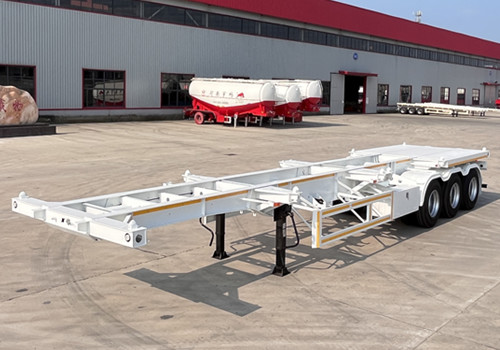
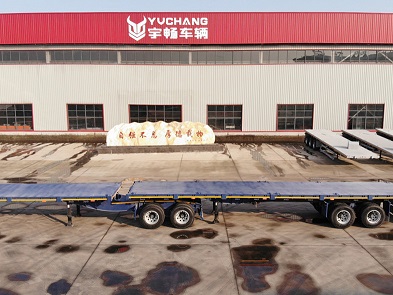
The fundamental purpose of a skeletal trailer is to securely carry shipping containers without the added weight of a flat deck. Its design is a testament to minimalist engineering, focusing on a robust steel frame equipped with standardized twist locks. These locks engage with the corner castings of an ISO container, creating a secure connection for safe transport.
The primary function is to provide a road-legal chassis for containers that have arrived by sea or rail, enabling last-mile delivery. The open-frame design significantly reduces the trailer's own weight, allowing for a higher legal payload and improved fuel economy for the tractor unit. This design also simplifies inspection and maintenance of the chassis itself.
Compatible Container Types
These chassis are engineered to be versatile and are compatible with a wide range of standard and specialized ISO containers, including:
- Standard Dry Van Containers: 20ft, 40ft, and 45ft lengths.
- High Cube (HC) Containers: Taller containers that fit within the same chassis footprint.
- Refrigerated Containers (Reefers): The open frame allows for airflow to the reefer's cooling unit.
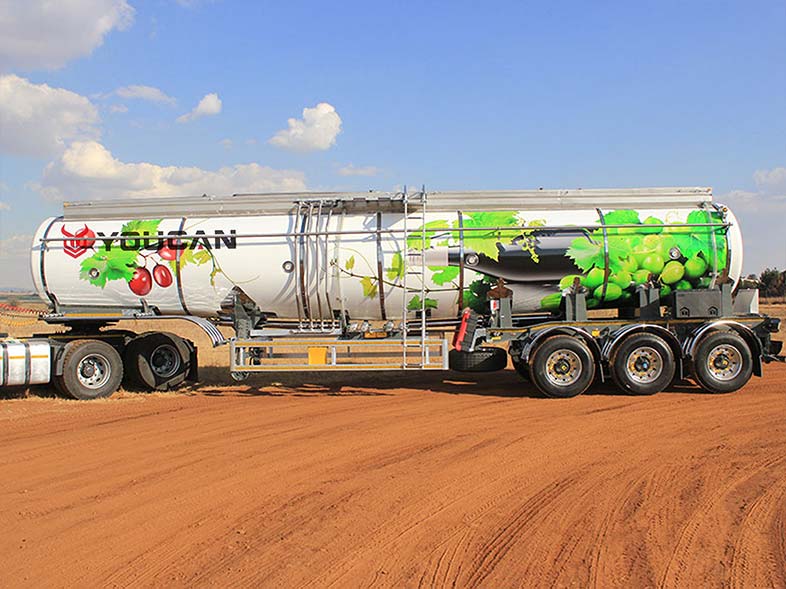
- Tank Containers: For transporting liquids, gases, or powders. A similar principle is used in our Specialized Liquid Tanker designs.
- Open Top & Flat Rack Containers: For oversized or heavy cargo.
Industry-by-Industry Breakdown
The skeletal chassis is a versatile tool applied across several key sectors of the global economy.
Port & Terminal Operations
Within the fast-paced environment of a shipping port, skeletal trailers are essential for drayage—the short-haul movement of containers from the dockside crane to a storage yard or staging area. Their primary advantage here is speed. Drivers can quickly lock a container and move on, maximizing the efficiency of expensive port equipment like gantry cranes. The rugged construction withstands the demanding, 24/7 duty cycles common in major ports.
Intermodal Freight & Logistics
For logistics companies, these trailers are the critical link between different modes of transport. A container can be lifted from a freight train directly onto a Container Chassis for final delivery to a customer's warehouse. This seamless integration minimizes cargo handling, reducing the risk of damage, loss, and delays. It forms the backbone of efficient hub-and-spoke distribution models.
Manufacturing & Industrial Supply Chains
Large manufacturing plants rely on a steady flow of raw materials and components, often delivered in shipping containers. A dedicated fleet of skeletal trailers allows for a "drop and hook" operation, where a full container is dropped in a loading bay and an empty one is hooked up for removal. This decouples the tractor unit from the lengthy loading/unloading process, dramatically improving fleet utilization and reducing bottlenecks at the factory gate.
Construction & Project Cargo
On large construction sites, containers are often used for secure storage of tools and materials or as mobile offices. Skeletal trailers provide a cost-effective way to deliver and reposition these containers on-site as the project evolves. For project cargo, they can be used to transport containerized components of larger machinery or structures.
Real-World B2B Case Study Scenario
- Problem: A regional third-party logistics (3PL) provider was experiencing significant delays at their cross-docking facility. Their fleet of standard Flatbed Trailers required containers to be lifted off, and the trailers would wait, creating congestion and reducing driver productivity.
- Technical Challenge: The company needed to increase container throughput by at least 30% without expanding its physical yard space or hiring more drivers. The solution had to be robust and compatible with their existing tractor fleet.
- Solution Implemented: The 3PL provider invested in a fleet of 20 custom-specified skeletal semi trailers. This enabled a drop-and-hook operation. Full trailers were unhitched in designated lanes, and drivers immediately hooked up to an empty trailer to return to the port.
- Measurable Result: The implementation reduced the average container turn time at the facility from 3 hours to just 25 minutes. This led to a 40% increase in daily container movements with the same number of drivers and tractors, directly boosting revenue and client satisfaction.
Application-Based Selection & Specification Matrix
Choosing the right skeletal trailer specifications is critical for ensuring operational safety, longevity, and ROI. Technical buyers should consider the following parameters based on their intended application.
| Specification / Feature | Standard Configuration | Heavy-Duty / Specialized Option | Application Considerations |
|---|---|---|---|
| Axle Configuration | 2 or 3 axles | 4+ axles, self-steering, or lift axles | Based on maximum legal gross vehicle weight (GVW) in the region of operation. Lift axles improve fuel economy and reduce tire wear when running empty. |
| Suspension Type | Mechanical leaf spring | Air suspension | Air suspension provides a smoother ride for sensitive cargo, allows for height adjustment at loading docks, and offers better load distribution. Mechanical is simpler and lower maintenance. |
| Main Beam Material | High-strength carbon steel (e.g., Q345) | Ultra-high-strength steel (e.g., T700) | Higher strength steel allows for a lower tare weight without compromising payload capacity, leading to fuel savings over the trailer's life. |
| Chassis Type | Fixed (for 40ft or 20ft) | Extendable/sliding "trombone" chassis | Extendable chassis offer maximum flexibility to carry various container sizes (20ft, 40ft, 45ft) with a single trailer, ideal for mixed-load fleets. |
| Twist Locks | 4, 8, or 12 fixed locks | Retractable or sliding twist locks | The number and position of twist locks determine container compatibility. Retractable locks provide a cleaner, snag-free profile when not in use. |
Customization & OEM/ODM Capabilities for Niche Applications
While standard models cover most needs, many operations require custom-engineered solutions. As an experienced manufacturer, we offer a wide range of OEM/ODM options to meet unique industrial requirements, including:
- Corrosion Resistance: Special paint systems, hot-dip galvanization, or stainless steel components for operation in marine or corrosive environments.
- Custom Lighting & Electrics: LED lighting packages, multi-voltage systems (12V/24V), and additional side markers to comply with specific regional regulations (e.g., DOT, ECE).
- Gooseneck vs. Straight Frame: Gooseneck designs can offer a lower center of gravity and are common in certain markets.
- Tire & Wheel Specifications: Sourcing specific brands or types of tires (e.g., super singles) to match a fleet's existing maintenance program.
- Integration of Telematics: Factory installation of GPS tracking, tire pressure monitoring systems (TPMS), and axle load sensors for advanced fleet management.
Export Packaging, Logistics & Global Shipping Guidance
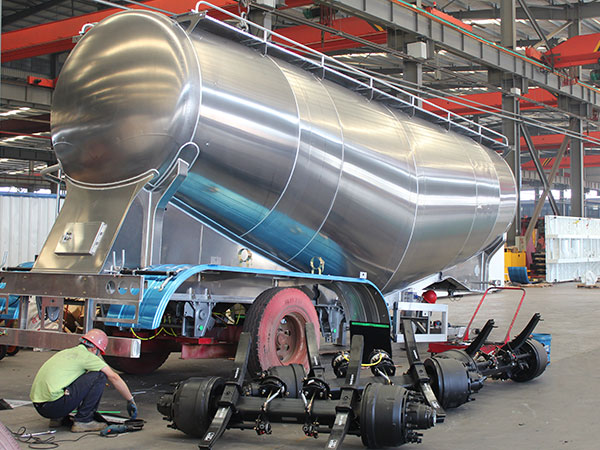
We ensure every skeletal semi trailer reaches its international destination safely and cost-effectively. To optimize shipping costs, trailers are typically shipped in a stacked configuration.
Three or four chassis can be nested and locked together, occupying the footprint of a single unit. This stack is then shipped as a single piece of break-bulk cargo or via RoRo (Roll-on/Roll-off) vessel. For destinations where this is not feasible, we offer Semi-Knocked-Down (SKD) or Completely-Knocked-Down (CKD) shipping, where the trailer is disassembled and packed into standard 40ft containers for reassembly at the destination. We are flexible with shipping incoterms, including FOB, CIF, and DDP, to meet your procurement needs.
Quality Assurance, Compliance & International Standards
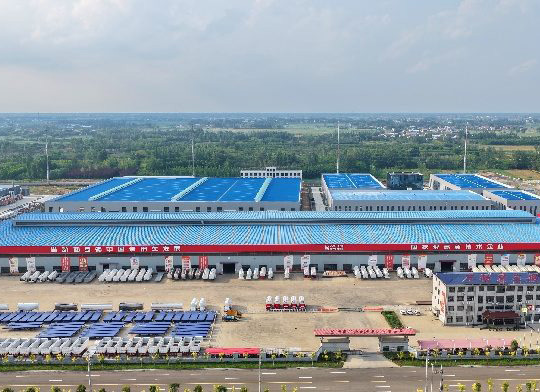
Quality is engineered into every chassis we produce. Our manufacturing facilities are ISO 9001:2015 certified, ensuring consistent quality management processes from raw material sourcing to final inspection. Our trailers can be built to comply with various international standards, including CE marking for the European market.
Before dispatch, every unit undergoes a rigorous quality control protocol:
- Welding Inspection: Non-destructive testing (NDT) on critical welds to ensure structural integrity.
- Dimensional Verification: Precise laser measurements to confirm all dimensions, including kingpin placement and twist lock positions, are within tolerance.
- Load Testing: Static load tests that simulate payloads exceeding the trailer's rated capacity.
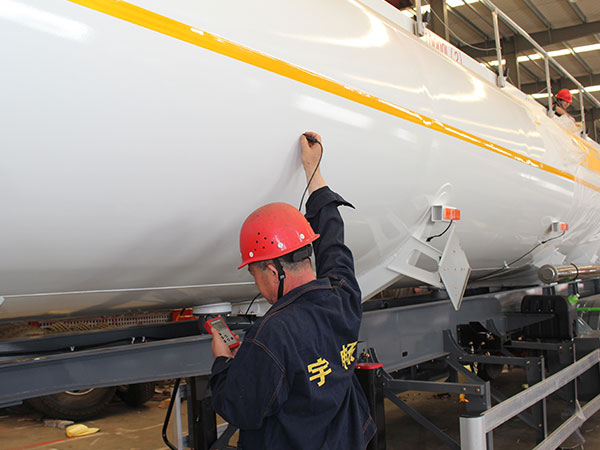
- Systems Check: Full functional testing of the braking system, electrical circuits, and all moving parts.
Frequently Asked Questions (FAQ)
What is the typical payload capacity of a skeletal semi trailer?
Payload capacity varies based on the design, axle configuration, and local regulations. A typical 3-axle, 40ft skeletal trailer has a design payload capacity of 30 to 50 metric tons. However, the legal road limit is often the determining factor.
Can a single skeletal trailer carry two 20ft containers?
Yes, many 40ft skeletal trailers are equipped with a "mid-position" set of twist locks, allowing them to carry two 20ft containers (twin-twenty) or a single, heavily loaded 20ft container centered on the chassis for better weight distribution.
What is the lead time for a custom-ordered trailer?
Standard model lead times are typically 30-45 days. For custom-engineered solutions with special components or materials, the lead time can range from 60 to 90 days, depending on the complexity of the design and supply chain availability.
What kind of maintenance do these trailers require?
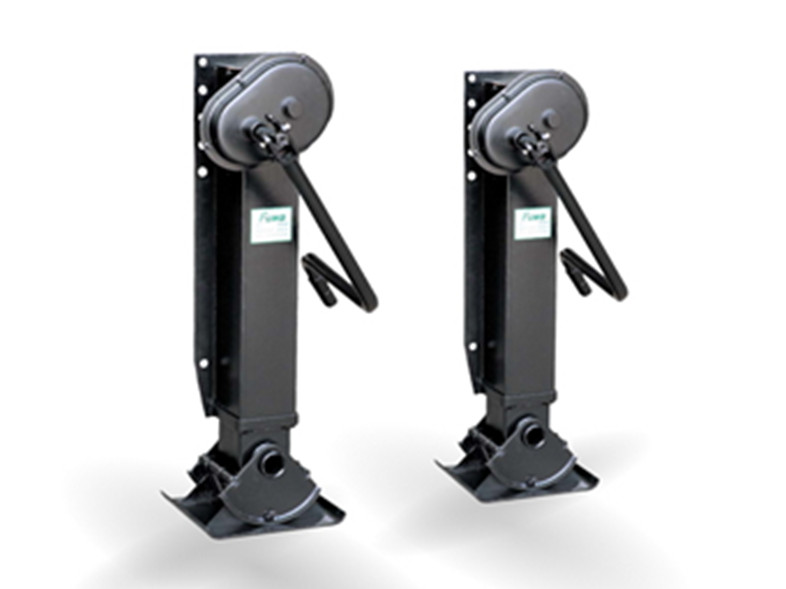
Maintenance is relatively straightforward and focuses on wear items. It includes regular checks of tires, brakes, suspension components (leaf springs or airbags), and lubrication of the landing gear. The twist locks should be inspected regularly for wear and proper function.
For detailed specifications and configuration options for your fleet, please contact us to request a technical data sheet.
Reliable Semi Trailer Mozambique Manufacturer | Fleet Solutions
Source durable, high-performance semi trailers for Mozambique directly from a certified manufacturer. We offer custom designs and factory-direct prici...
Read More →