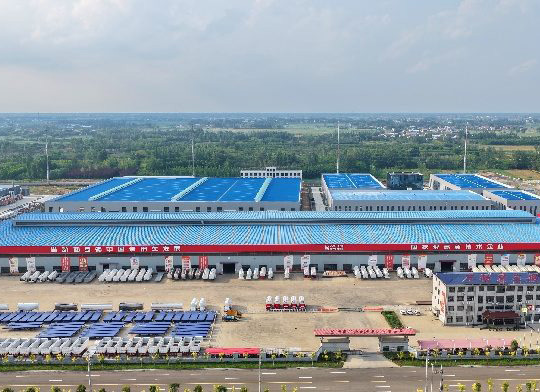
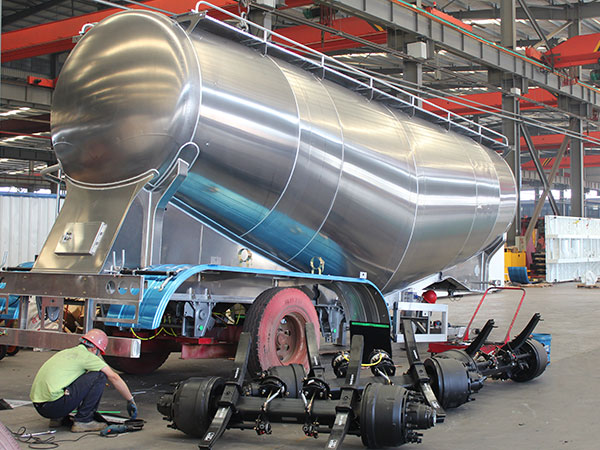
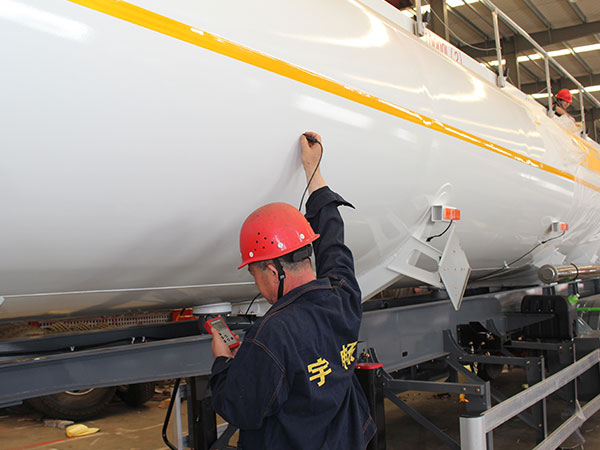
The curtainsider semi trailer is evolving with global supply chain demands
Executive Summary & Market Snapshot
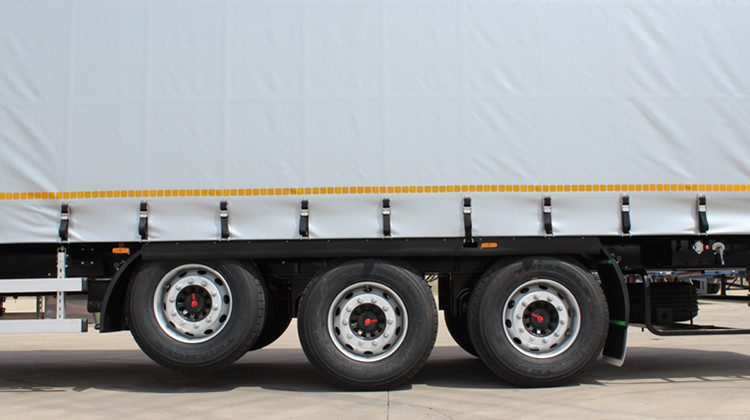
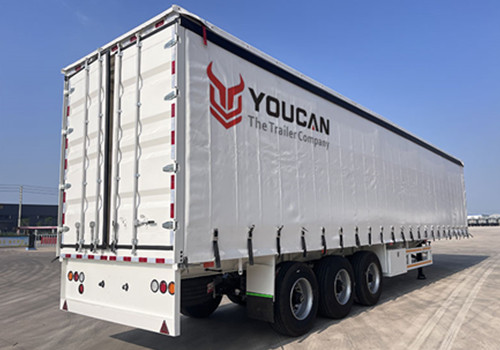
The global logistics landscape is undergoing a significant transformation, driven by the need for greater efficiency, flexibility, and regulatory compliance. At the heart of this evolution is the curtainsider semi trailer, a versatile asset that is increasingly defining modern freight transport. This vehicle, which combines the loading accessibility of a flatbed with the protection of an enclosed van, is seeing heightened demand as supply chains pivot towards faster turnaround times and more diverse cargo requirements. This guide provides a strategic analysis of the market dynamics, technological advancements, and procurement considerations shaping the industry's future.
| Key Market Driver | Emerging Tech Trend | Strategic Impact on Procurement |
|---|---|---|
| Growth in e-commerce and last-mile logistics networks demanding rapid, flexible loading and unloading capabilities. | Integration of IoT and telematics for real-time fleet management, predictive maintenance, and load optimization. | Shift from initial purchase price to Total Cost of Ownership (TCO), prioritizing durability, fuel efficiency, and high-uptime features. |
Current State of the Industry
The demand for advanced freight solutions is a global phenomenon, with distinct regional characteristics. In Europe, the market is mature and highly regulated, with standards like EN 12642-XL for load containment being a primary driver of design and manufacturing. Fleet operators prioritize trailers that offer maximum safety and efficiency, reducing the need for extensive internal load strapping and thus speeding up operations.
North America is experiencing a steady adoption curve, as logistics operators increasingly recognize the advantages of curtain-sided vehicles over traditional dry van or flatbed trailers for certain applications. The ability to load oversized or unconventional freight from the side is a significant operational advantage. Meanwhile, the rapidly expanding manufacturing and consumer markets in Asia are fueling unprecedented demand for all types of general cargo trailers, with a growing interest in high-quality, durable designs that can withstand diverse and demanding road conditions.
Primary industrial sectors driving adoption include Fast-Moving Consumer Goods (FMCG), automotive components, construction materials, and general palletized freight, all of which benefit from the easy access and cargo protection offered by this trailer design.
Key Trends Shaping the Industry
Four major trends are currently defining the trajectory of the curtainsider trailer market, influencing everything from engineering design to long-term operational costs.
Structural Integrity and Enhanced Safety Standards
Compliance with rigorous safety standards, particularly the European EN 12642-XL code, is no longer a regional niche but a global benchmark for quality. An XL-rated tautliner features a reinforced body structure, including roof, front wall, and side curtains, that can withstand specific force loads. This structural integrity means the trailer itself contributes to load security, often reducing the time and labor required for internal strapping and securing cargo. For B2B buyers, investing in an XL-certified trailer translates to enhanced safety, faster turnaround times, and greater operational flexibility.
Focus on Aerodynamics and Fuel Efficiency
With fuel representing a substantial portion of operational costs, manufacturers are heavily investing in aerodynamic innovations. This includes features like curved roof designs, aerodynamic side skirts, and rear trailer tail devices. Furthermore, the use of advanced materials like high-strength steel (HSS) and aluminum alloys in the chassis and components allows for a reduction in tare weight without compromising structural durability. A lighter trailer consumes less fuel and allows for a higher payload, directly impacting profitability.
Integration of Telematics and Smart Trailer Technology
The "smart trailer" is becoming a reality. The integration of IoT sensors and telematics systems provides fleet managers with unprecedented visibility into their assets. These systems can monitor tire pressure, brake wear, axle temperature, and even cargo status in real-time. This data facilitates predictive maintenance, reduces downtime, enhances security, and optimizes route planning, transforming the trailer from a passive container into an active, data-generating component of the supply chain.
Demand for Customization and Application-Specific Designs
A one-size-fits-all approach is no longer sufficient. Buyers now require trailers tailored to their specific operational needs. This trend is driving demand for customization in areas such as variable trailer lengths, multi-axle configurations, specialized flooring for heavy-duty applications like paper roll transport, and integrated coil wells for steel logistics. Agile manufacturers who can offer these bespoke solutions provide a significant competitive advantage to their clients.
Industry Challenges & Strategic Solutions
Despite the positive outlook, the industry faces several challenges. Volatility in the cost of raw materials like steel and aluminum directly impacts manufacturing costs and final pricing. Additionally, evolving environmental regulations and emissions standards put pressure on both manufacturers and fleet operators to invest in cleaner, more efficient technologies.
Advanced manufacturing offers powerful solutions. By employing lean production principles, global sourcing strategies, and robotic automation in welding and assembly, manufacturers can mitigate material cost fluctuations and improve production consistency. The use of finite element analysis (FEA) in the design phase allows engineers to optimize material usage, creating designs that are both lighter and stronger, directly addressing the dual challenges of cost and environmental compliance.
B2B Procurement Advice & Future-Proofing
For procurement directors, selecting the right equipment is a critical strategic decision. To future-proof your fleet, the focus must shift from the initial acquisition price to the Total Cost of Ownership (TCO). A lower-priced trailer may incur higher costs over its lifespan due to increased maintenance, lower fuel efficiency, and reduced residual value.
When evaluating suppliers, prioritize those who demonstrate a commitment to quality materials, certified manufacturing processes (e.g., ISO 9001), and compliance with international standards. Look for modular designs that allow for future upgrades or modifications. Investing in a trailer that already meets or exceeds current safety and environmental standards, such as an EN 12642-XL rated curtainsider, ensures long-term operational viability and compliance across different markets.
R&D & Customization Capabilities (OEM/ODM)
The ability of a manufacturer to offer robust OEM/ODM services is a key differentiator. Agile R&D departments can work directly with clients to engineer solutions for unique cargo challenges. This could involve designing a trailer with a specific floor strength for carrying heavy machinery, integrating a hydraulic lifting roof for taller cargo, or developing a unique load restraint system. This collaborative approach ensures that the final product is not just a trailer, but a tailored logistics tool that maximizes the client's operational efficiency. This same engineering expertise applies across a range of products, from flatbed trailers to more complex vehicles.
Logistics & Sustainable Packaging Outlook
For international B2B transactions, the logistics of shipping the trailer itself are a crucial consideration. Leading manufacturers optimize freight costs by offering shipping in Completely Knocked Down (CKD) or Semi-Knocked Down (SKD) forms, allowing for more units to be packed into a single container. Advanced anti-corrosion treatments and robust, sea-worthy packaging are essential to ensure the equipment arrives in pristine condition. The industry is also moving towards more sustainable packaging solutions, minimizing waste and using recyclable materials where possible.
Strategic Manufacturing Partnership & CTA
In a complex global market, your trailer supplier should be more than a vendor; they should be a strategic partner. A forward-thinking manufacturer, certified with ISO and CE credentials, offers more than just a product. They provide access to extensive R&D capabilities, scalable production capacity to meet large fleet orders, and a deep understanding of global logistics. This partnership ensures you receive a high-performance asset backed by reliable support, enabling your business to thrive in a competitive environment.
To learn more about how our advanced trailer solutions can meet your specific freight requirements, contact us to request a detailed quote.
Industry FAQ Section
What is the primary driver of market growth for curtainsider trailers?
The primary driver is the global need for logistics flexibility. E-commerce, just-in-time manufacturing, and multi-drop delivery routes all benefit from the quick side-access loading and unloading that these trailers offer, making them more efficient than traditional dry vans for many applications.
How does an EN 12642-XL certified trailer benefit my operations?
An EN 12642-XL certified trailer has a load-bearing body structure. This provides enhanced cargo security, significantly reduces the need for internal strapping for form-fitted loads, and speeds up loading/unloading times. This translates to improved safety, lower labor costs, and faster turnarounds.
What is the typical replacement cycle for a high-quality curtainsider semi trailer?
With proper maintenance, a well-built curtainsider trailer typically has an operational lifespan of 10 to 15 years. The replacement cycle can be influenced by factors such as mileage, operating conditions, technological advancements, and changing regulatory standards.
How are volatile material costs impacting long-term trailer prices?
While fluctuations in steel and aluminum prices can cause short-term price adjustments, leading manufacturers mitigate these impacts through strategic sourcing and lean manufacturing. Furthermore, ongoing innovations in design and material science often lead to efficiency gains that can help offset raw material cost increases over the long term.
Interlink Fence Trailer Tandem vs Tri-Axle Guide
Compare tandem and tri-axle interlink fence trailer designs for payload, stability, cost, and fleet use. Request selection advice.
Read More →
How to Specify a 40ft Flatbed Trailer for Export
A complete guide for B2B buyers on how to specify a 40ft flatbed trailer for international logistics. Learn key specs, types, and common mistakes. Con...
Read More →