
40ft Flatbed Trailer: Trends in Modular Load Handling
Executive Summary & Market Snapshot
The global logistics and transport sector is undergoing a significant transformation, driven by demands for greater efficiency, versatility, and sustainability. Central to this evolution is the foundational role of equipment like the 40ft flatbed trailer, a cornerstone asset for hauling diverse and oversized cargo. This guide provides a strategic analysis of the market forces, technological advancements, and procurement strategies shaping the future of these essential transport platforms. We will explore how shifts in material science and digital integration are redefining performance benchmarks and total cost of ownership for fleet operators worldwide.
| Key Market Driver | Emerging Tech Trend | Strategic Impact on Procurement |
|---|---|---|
| Demand for increased payload capacity and fuel efficiency. | Adoption of high-strength, low-alloy (HSLA) steels. | Prioritizing TCO over initial purchase price; focusing on tare weight reduction. |
| Need for operational versatility across varied cargo types. | Modular design and advanced customization options. | Selecting partners with strong OEM/ODM capabilities for application-specific solutions. |
| Rising operational costs and maintenance downtime. | Integration of telematics and IoT sensors for predictive maintenance. | Evaluating long-term reliability and smart features to minimize fleet downtime. |
Current State of the Industry
The demand for robust and reliable transport solutions remains strong across key global manufacturing hubs. In North America and Europe, the market is characterized by fleet modernization, with a focus on replacing aging assets with lighter, more fuel-efficient models that comply with stringent emissions and safety regulations. These regions prioritize trailers with advanced braking systems, superior suspension, and high-tensile steel construction.
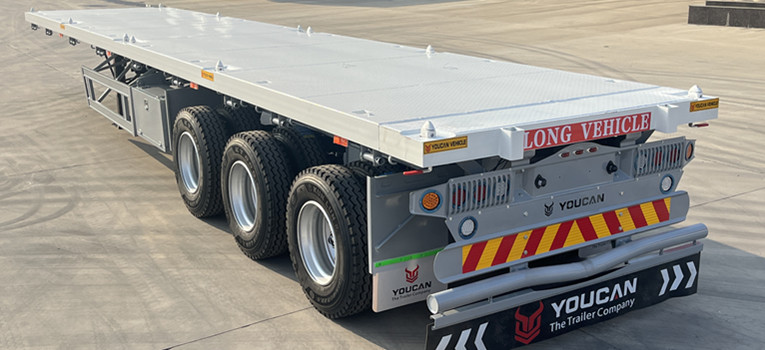
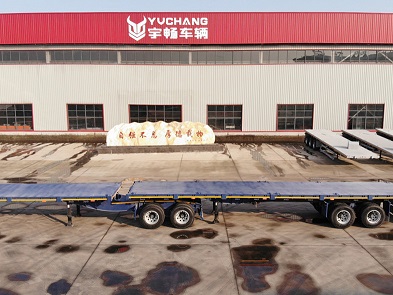
Meanwhile, in Asia and other emerging markets, rapid industrialization and infrastructure development are fueling new demand. The construction, manufacturing, and intermodal shipping sectors are the primary drivers. In these regions, durability and cost-effectiveness are critical purchasing criteria, making the versatile 40-foot platform a popular choice for everything from hauling construction materials to transporting standard shipping containers. The adaptability of these Flatbed Trailers makes them indispensable.
Key Trends Shaping the Industry
Advances in Material Science
The most significant trend impacting trailer design is the widespread adoption of High-Strength, Low-Alloy (HSLA) steels. Unlike traditional carbon steel, HSLA offers a superior strength-to-weight ratio. This allows manufacturers to engineer a 40ft flatbed trailer with a lower tare weight without compromising structural integrity. The direct benefit for B2B buyers is a higher legal payload capacity, which translates to fewer trips, reduced fuel consumption, and improved profitability per haul.
Modular and Customizable Designs
The one-size-fits-all approach is becoming obsolete. Logistics providers now require trailers that can be adapted for specific tasks. Modern manufacturing enables a high degree of modularity, including options for adjustable twist locks for various container sizes, removable side stakes, integrated toolboxes, and custom-placed D-rings. This flexibility allows a single trailer to serve multiple functions, from hauling standard pallets to securing specialized machinery, maximizing asset utilization.
Telematics and IoT Integration
Smart trailers are no longer a futuristic concept. The integration of GPS, tire pressure monitoring systems (TPMS), and axle load sensors provides fleet managers with real-time data. This technology enables predictive maintenance, preventing costly roadside failures and extending the lifespan of critical components. For procurement directors, trailers equipped with telematics offer a clear advantage in operational oversight and risk management.
Focus on Sustainability and Regulatory Compliance
Environmental regulations are tightening globally. Trailer design is evolving to contribute to overall vehicle efficiency. This includes aerodynamic enhancements, low-rolling-resistance tires, and the use of sustainable and recyclable materials in construction. Furthermore, ensuring compliance with varying international axle load limits and safety standards is a critical consideration for global operators, influencing design choices from the suspension system to the lighting and braking components.
Industry Challenges & Strategic Solutions
Fleet operators and manufacturers face several persistent challenges. Volatility in the price of raw materials, particularly steel, directly impacts production costs and final pricing. Geopolitical factors can disrupt supply chains for essential Trailer Parts, leading to production delays.
Advanced manufacturing provides effective solutions. Techniques like automated robotic welding ensure consistent, high-quality joints that enhance durability and safety. Lean manufacturing principles help mitigate cost pressures by optimizing material usage and reducing waste. By partnering with a manufacturer that employs these modern processes, buyers can secure a higher quality, more reliable asset that is less susceptible to market volatility.
B2B Procurement Advice & Future-Proofing
For procurement directors, selecting the right equipment requires a long-term, strategic perspective. Moving beyond the initial purchase price to evaluate the Total Cost of Ownership (TCO) is crucial. A lighter, more durable trailer may have a higher upfront cost but will deliver substantial savings over its lifespan through increased payload, better fuel economy, and reduced maintenance.
Future-proofing your fleet means investing in adaptability. Opt for designs that offer modular capabilities. A flatbed that can be easily configured for different load types will remain a valuable asset as your business needs evolve. Verify that the trailer meets or exceeds international standards (like ISO and CE), ensuring its value and compliance in a global market.
R&D & Customization Capabilities (OEM/ODM)
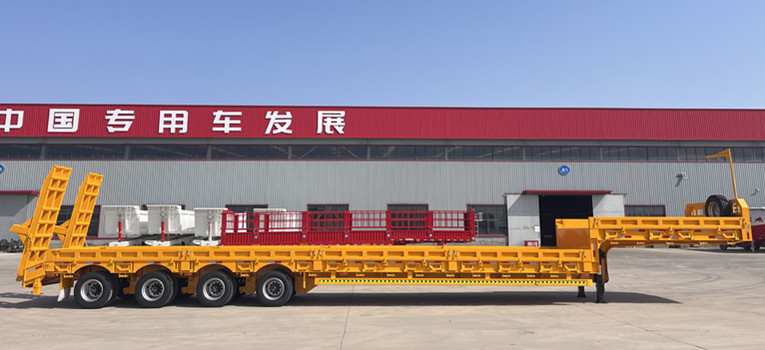
A key differentiator among manufacturers is their Research & Development and customization (OEM/ODM) capacity. The ability to engineer application-specific solutions is invaluable. This could involve designing a trailer with a specific floor material for heavy-duty friction, integrating a unique axle configuration for navigating challenging terrain, or creating a frame that can support highly concentrated loads. This level of customization ensures the equipment is perfectly aligned with the buyer's operational reality, unlike standard off-the-shelf models. For highly specialized cargo, a solution like Lowbed Trailers might be engineered from a similar design philosophy.
Logistics & Sustainable Export Preparation
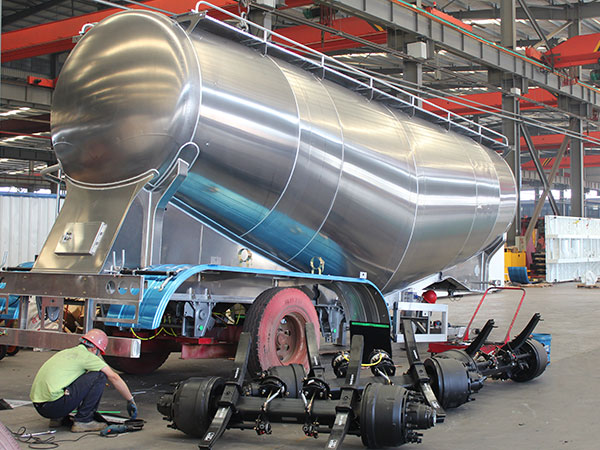
For international B2B transactions, the logistics of shipping the trailer itself is a critical consideration. Leading manufacturers optimize trailers for export by offering Semi-Knocked Down (SKD) or Completely Knocked Down (CKD) shipping options. This involves partially disassembling the units to stack them compactly, significantly reducing ocean freight volume and costs.
Furthermore, robust protection during transit is non-negotiable. This includes applying advanced anti-corrosion wax coatings to all steel surfaces to protect against saltwater and humidity during sea voyages. This meticulous preparation ensures the equipment arrives in pristine condition, ready for immediate deployment.
Strategic Manufacturing Partnership
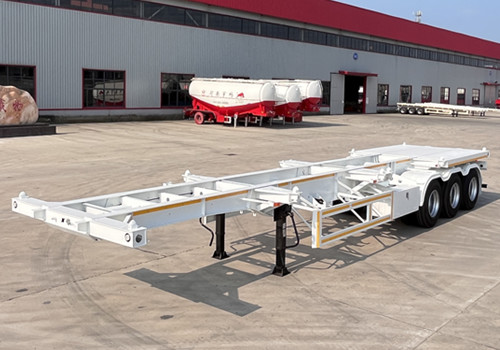
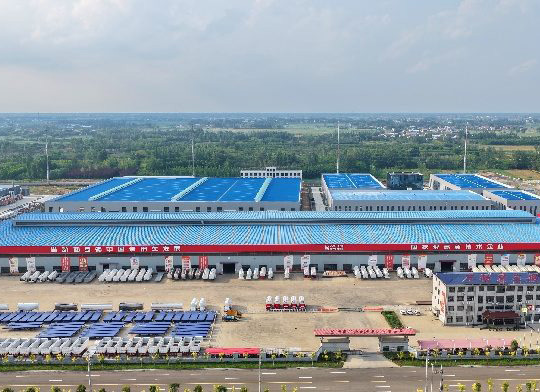
Choosing a supplier is more than a transaction; it is a strategic partnership. Look for an ISO-certified manufacturer with a proven track record in global exports and a commitment to R&D. A partner with scalable production capacity can meet large fleet orders, while a dedicated engineering team can provide the customization and support needed to solve complex transport challenges. This forward-thinking approach ensures you are investing not just in a piece of steel, but in a reliable logistics solution backed by expertise. While a flatbed handles general cargo, a strong partner can also supply specialized equipment like a Container Chassis for dedicated intermodal operations.
Contact our team to discuss your specific load-handling requirements.
Industry FAQ Section
What is the primary driver for innovation in flatbed trailer design?
The primary driver is the pursuit of operational efficiency. This is achieved by reducing the trailer's tare weight to maximize legal payload, improving aerodynamics to lower fuel consumption, and integrating modular features to increase versatility and asset utilization.
How does the choice of steel affect a 40ft flatbed trailer's lifespan and payload?
Using high-strength, low-alloy (HSLA) steel instead of conventional carbon steel allows for a stronger yet lighter frame. This directly increases the maximum payload capacity. Additionally, its superior fatigue resistance contributes to a longer operational lifespan under heavy, continuous use.
What is the typical replacement cycle for a heavy-duty flatbed trailer?
While variable based on usage, climate, and maintenance, a well-maintained, high-quality flatbed trailer typically has a replacement cycle of 10 to 15 years. Trailers built with superior materials and protective coatings often exceed this, offering a better long-term return on investment.
Are modular flatbed designs a worthwhile investment for logistics companies?
Yes, for most companies. The higher initial investment in a modular design is often quickly offset by its increased versatility. A single modular trailer can perform the work of multiple specialized trailers, reducing the total number of assets needed in a fleet and maximizing revenue-generating opportunities.
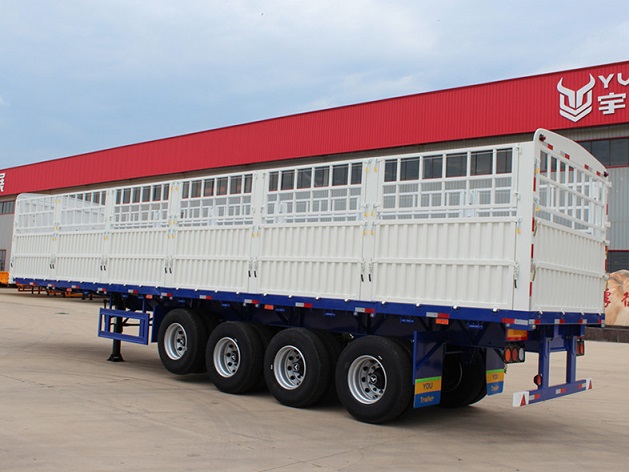
How to Specify a 40ft Flatbed Trailer for Export
A complete guide for B2B buyers on how to specify a 40ft flatbed trailer for international logistics. Learn key specs, types, and common mistakes. Con...
Read More →
Your Trusted Global Semi Trailer Manufacturer | Custom Solutions
Partner with a leading semi trailer manufacturer for reliable, ISO-certified flatbeds, tankers, and custom trailers. We offer factory-direct pricing a...
Read More →