Choosing the Right Skeletal Semi Trailer for Your Fleet
Introduction & Executive Summary
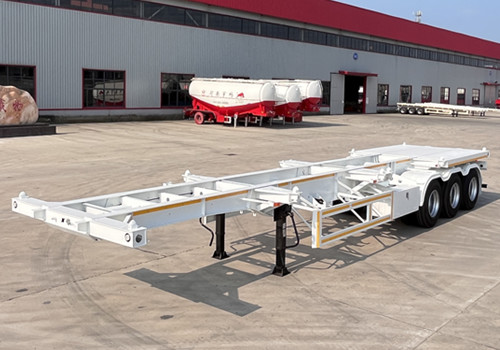
In the fast-paced world of port logistics and intermodal transport, efficiency is paramount. The right equipment can significantly reduce turnaround times, maximize payload, and improve your overall return on investment. A high-quality skeletal semi trailer, also known as a container chassis, is the backbone of any successful container transport operation. Selecting the wrong one can lead to operational bottlenecks, increased maintenance costs, and compliance issues.
This guide provides a comprehensive overview for procurement managers and fleet operators to make an informed purchasing decision. It covers everything from critical technical parameters to total cost of ownership, ensuring you invest in equipment that delivers long-term value.
Buyer's Quick Checklist
- Container Compatibility: Does the chassis fit your primary container sizes (20ft, 40ft, 45ft, etc.)? Are the twist locks fixed or retractable?
- Load Capacity & Axle Configuration: What is the maximum payload required? Match the Gross Vehicle Weight (GVW) and axle count (2, 3, or 4 axles) to your local regulations and operational needs.
- Frame Material & Tare Weight: Prioritize high-strength steel (like Q345B) for a balance of durability and low tare weight to maximize legal payload.
- Suspension Type: Choose between robust, low-maintenance mechanical suspension or smoother, cargo-friendly air suspension.
Key Factors & Technical Parameters to Consider
Evaluating the technical specifications is crucial for acquiring a chassis trailer that meets your exact requirements. Look beyond the price tag and focus on these core engineering details.
- Chassis Frame & Main Beam: The frame is the trailer's foundation. Look for main beams made from high-strength steel (e.g., Q345B or T700) and manufactured using automated submerged arc welding for consistent strength and durability. The "I" beam height and thickness are key indicators of its structural integrity.
- Axle & Suspension System: The number of axles (typically 2 or 3 for standard operations) dictates the load capacity. Renowned brands like BPW and FUWA offer reliability. For suspension, mechanical suspension is cost-effective and rugged, ideal for rougher conditions. Air suspension provides a smoother ride, protecting sensitive cargo and reducing road wear, but comes at a higher initial cost.
- Twist Lock Configuration: This is non-negotiable. The chassis must have the correct number and type of ISO-standard twist locks to securely fasten containers. Common configurations include 4, 8, or 12 locks to accommodate one 40ft container, two 20ft containers, or one 20ft container in the middle position.
- Braking System: Safety is critical. A dual-line pneumatic braking system is standard. Opting for a system with an Anti-lock Braking System (ABS), often from reputable suppliers like WABCO, significantly enhances safety during emergency stops, especially in wet conditions.
- Tire & Wheel Specifications: Tires are a significant operational cost. Specify durable, high-quality radial tires from trusted brands to reduce replacements. Common sizes include 12R22.5 or 385/65R22.5, depending on the load and regional preferences.
- Kingpin Size: Ensure the kingpin is compatible with your fleet's tractor units. The most common sizes are 2-inch (50mm) or 3.5-inch (90mm), and they are typically bolted or welded. A bolted, JOST-brand kingpin is often preferred for easy replacement.
Types of Skeletal Semi Trailer: Which One Fits Your Needs?
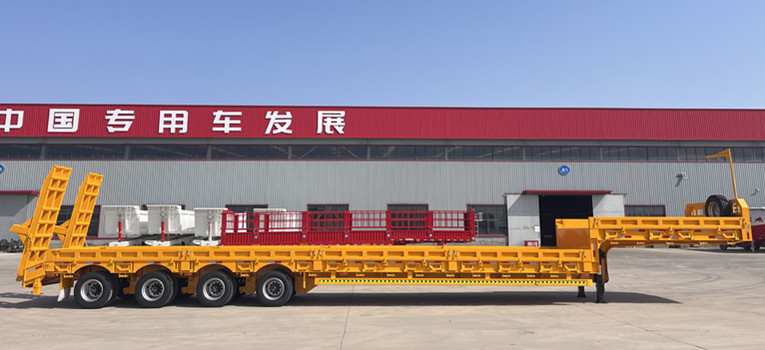
Container chassis come in various designs, each tailored for specific logistical applications. While they all serve the primary purpose of moving containers, their structure dictates their flexibility and efficiency. These options are distinct from other haulage solutions like Lowbed Trailers which are used for heavy machinery.
| Type | Key Specs | Price Level | Best Used For |
|---|---|---|---|
| Standard / Common Chassis | Fixed length (e.g., 20ft, 40ft, or 45ft), 2 or 3 axles, 4 to 12 twist locks. | $ | Dedicated transport of a single container size, high-volume routes. |
| Extendable / Telescopic Chassis | Adjustable frame to fit 20ft, 40ft, and 45ft containers. | $$ | Mixed fleet operations requiring maximum flexibility for various container sizes. |
| Gooseneck Chassis | Features a dropped "gooseneck" section at the front for a lower center of gravity. | $$ | Improved stability, especially for high cube containers or routes with height restrictions. |
| Tipper / Tipping Chassis | Equipped with a hydraulic lift to tip a container for unloading bulk materials. | $$$ | Transporting loose goods like grain, sand, or scrap metal within a standard container. |
Essential Features & Quality Standards
The difference between a reliable, long-lasting trailer and one that requires constant repair often lies in the details of its construction and the quality of its components.
High-quality manufacturers differentiate themselves through superior welding technology, ensuring every joint is strong and free of defects. Another critical factor is corrosion protection. A multi-step process involving shot blasting to create a clean surface, followed by an epoxy zinc-rich primer and a durable polyurethane topcoat, is essential for equipment operating in harsh port environments with salty air.
Furthermore, check for adherence to international quality standards. Certifications like ISO 9001 demonstrate a manufacturer's commitment to a consistent quality management system. Depending on your market, certifications like CE (for Europe) or ADR (for dangerous goods transport) may be required.
Total Cost of Ownership (TCO) & Budgeting Guide
The initial purchase price is only one part of the equation. A strategic buyer considers the Total Cost of Ownership (TCO) to understand the true long-term investment.
Breakdown of Costs:
- Upfront Cost: The purchase price of the trailer, including any customizations.
- Operational Costs: This includes tires, fuel (a lighter trailer is more fuel-efficient), and preventative maintenance.
- Maintenance & Repair: Budget for wear-and-tear items like brake linings, suspension components, and lighting. Sourcing reliable and affordable Trailer Parts is key to minimizing downtime.
- Downtime Costs: A low-quality trailer that breaks down frequently results in lost revenue and potential penalties for delayed deliveries.
To justify the purchase, calculate the ROI based on durability and efficiency. A slightly more expensive trailer made from lighter, high-strength steel can carry more payload per trip. Over thousands of trips, this translates into significant additional revenue and a faster return on your investment.
Top Common Buying Mistakes & How to Avoid Them
- Focusing Solely on the Lowest Price: The cheapest option often uses inferior steel, low-grade components, and poor paintwork, leading to higher TCO through frequent repairs and a shorter service life.
- Ignoring Tare Weight: A heavy chassis eats into your legal payload limit. Always ask for the tare weight and favor designs that use high-strength steel to reduce it without compromising strength.
- Mismatching Specifications: Buying a fixed 40ft Container Chassis when your business frequently handles 20ft containers creates major operational inefficiencies. An extendable model might have been a better investment.
- Overlooking Local Regulations: Every country has specific rules regarding axle loads, overall length, and width. Ensure your trailer specifications comply with all regulations in your area of operation to avoid fines and legal issues.
- Neglecting Supplier Support: A supplier who is unresponsive or cannot provide technical support and spare parts can turn a minor issue into a major problem. Vet your supplier's after-sales service capabilities.
Customization & OEM/ODM Options
A reputable manufacturer can offer a range of customizations to tailor the skeletal semi trailer to your specific operational needs and brand identity.
Common OEM/ODM options include:
- Custom Color and Livery: Application of your company's specific RAL color code and logos for brand consistency across your fleet.
- Lighting and Electrical Systems: Full LED lighting for better visibility and longevity, additional side marker lights, and adaptation to different regional electrical plug standards.
- Additional Fittings: Custom-built toolboxes, water tanks, or specific spare wheel carrier positions.
- Tire Selection: Choice of specific tire brands or types (e.g., for on-road, off-road, or mixed use) to optimize performance and durability.
Inspection, Packaging & Shipping
For international buyers, understanding the logistics process ensures your equipment arrives safely and as specified.
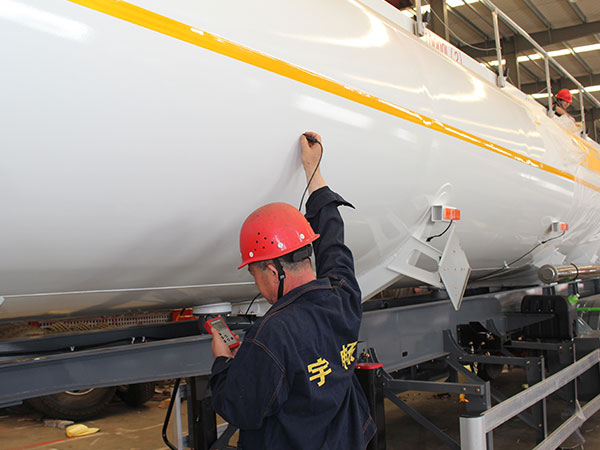
Before dispatch, a thorough pre-shipment inspection (PSI) should be conducted. This includes checking dimensions, welding quality, paint application, and functionality of all components like brakes and lights. We welcome buyers or their third-party agents to conduct inspections at our facility.
To reduce shipping costs, chassis are often shipped in a stacked configuration. Typically, 2 or 3 units are stacked together to fit into one 40ft high-cube container. For shipping terms, common Incoterms include FOB (Free on Board), where the buyer manages shipping from the port of origin, and CIF (Cost, Insurance, and Freight), where the seller arranges transport to the destination port.
Why Partner with Us as Your Manufacturer?
Choosing the right manufacturing partner is as important as choosing the right specifications. We are committed to producing high-performance skeletal semi trailers that deliver exceptional value and reliability for global fleet operators.
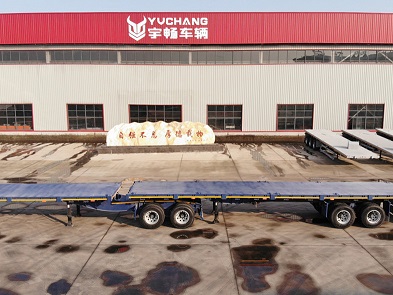
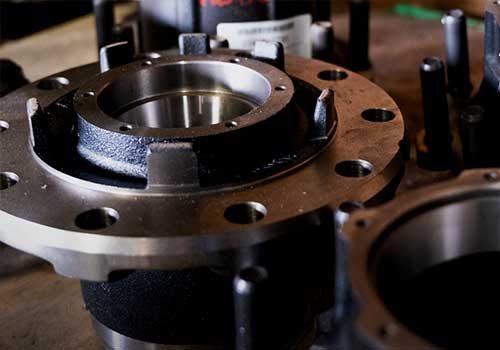
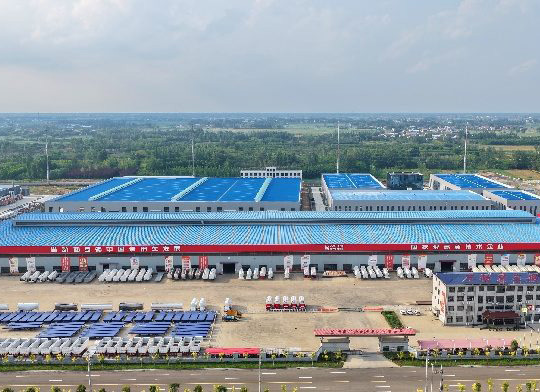
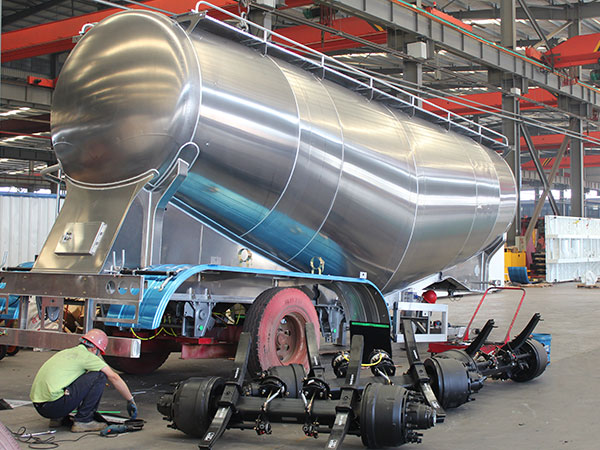
Our factory utilizes advanced manufacturing techniques, including automated welding and a comprehensive shot-blasting and painting process, to ensure superior structural integrity and corrosion resistance. We source key components from world-renowned brands and implement a strict multi-stage quality control process from raw material inspection to final pre-delivery checks. With a robust warranty, lifetime technical support, and a commitment to on-time delivery, we provide not just a product, but a long-term logistics solution.
To discuss your specific fleet requirements, contact us to request a detailed quotation.
Frequently Asked Questions (FAQ)
What is the minimum order quantity (MOQ)?
Our minimum order quantity for skeletal semi trailers is one (1) unit. We support businesses of all sizes, from single-owner operators to large fleet managers.
What is the typical production lead time?
The standard production lead time for a single trailer is approximately 25-35 days, depending on the level of customization. For larger orders, we will provide a detailed production schedule.
What is the warranty on your trailers?
We offer a comprehensive warranty, typically 12 to 24 months, on the main frame against manufacturing defects. Components like axles and landing gear are covered by their respective original manufacturer's warranties.
What are your payment terms?
Our standard payment terms are a 30% deposit via Telegraphic Transfer (T/T) to confirm the order, with the 70% balance payable before shipment after the trailer passes inspection.
How do you provide after-sales service?
We provide extensive after-sales support, including 24/7 online technical assistance for troubleshooting. We can also ship required spare parts globally via express courier to minimize downtime.
A Strategic Guide for Buyers Partnering with a China Trailer Exporter
Partner with a leading China trailer exporter to navigate global market trends. This guide covers technology, procurement strategies, and future-proof...
Read More →
Reliable Semi Trailer Mozambique Manufacturer | Fleet Solutions
Source durable, high-performance semi trailers for Mozambique directly from a certified manufacturer. We offer custom designs and factory-direct prici...
Read More →