A strategic guide for buyers partnering with a china trailer exporter
Executive Summary & Market Snapshot
The global semi-trailer market is undergoing a period of profound transformation, driven by evolving logistics demands, technological innovation, and a heightened focus on operational efficiency. For procurement directors and fleet managers, selecting the right manufacturing partner is more critical than ever. Partnering with a technically proficient china trailer exporter offers a strategic advantage, providing access to scalable production, advanced engineering, and cost-effective solutions that are crucial for maintaining a competitive edge in a dynamic global supply chain. This guide provides an in-depth analysis of the key trends, challenges, and strategic considerations for sourcing high-performance trailers for the years ahead.
| Key Market Driver | Emerging Tech Trend | Strategic Impact on Procurement |
|---|---|---|
| Global E-commerce & Logistics Expansion | Lightweighting with High-Strength Alloys | Increased Payload Capacity & Reduced Fuel Costs |
| Infrastructure & Construction Growth | Telematics & IoT Integration | Enhanced Fleet Management & Predictive Maintenance |
| Stricter Environmental Regulations | Aerodynamic Design & Low-Rolling-Resistance Tires | Improved TCO & Regulatory Compliance |
Current State of the Industry
The demand for commercial trailers is robust across key global hubs. In North America and Europe, fleet modernization and adherence to stringent emissions standards are primary drivers. Fleets are replacing aging assets with more fuel-efficient and safer models. In Asia, Africa, and South America, rapid urbanization and major infrastructure projects are fueling demand for durable and versatile trailers capable of operating in demanding conditions.
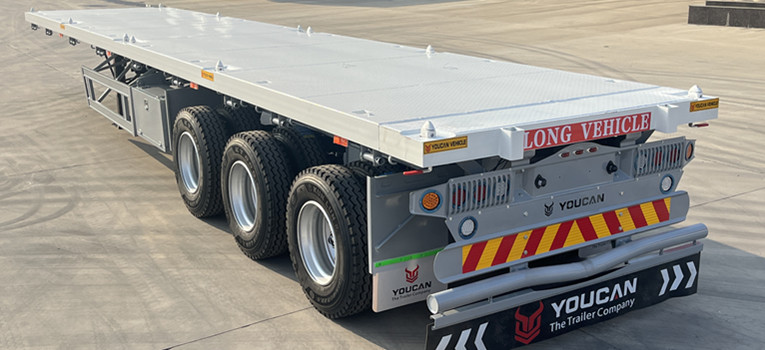
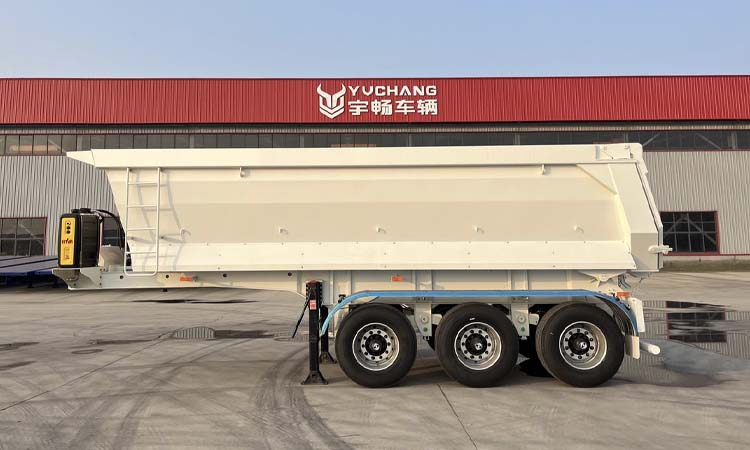
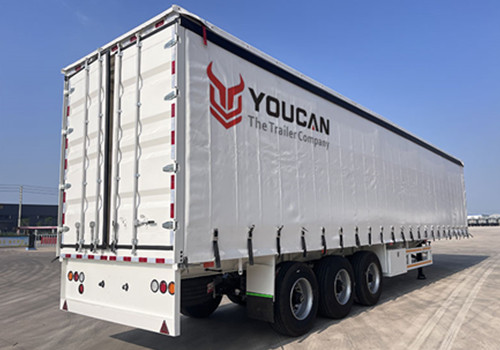
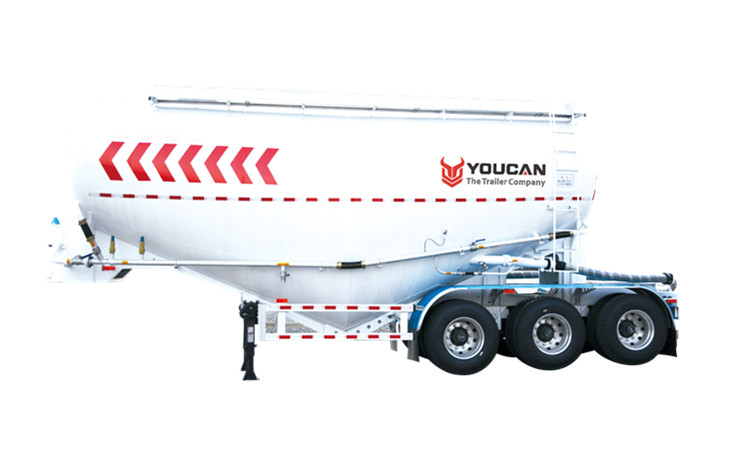
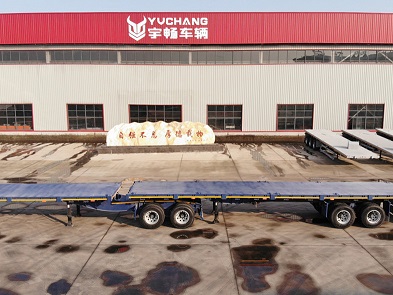
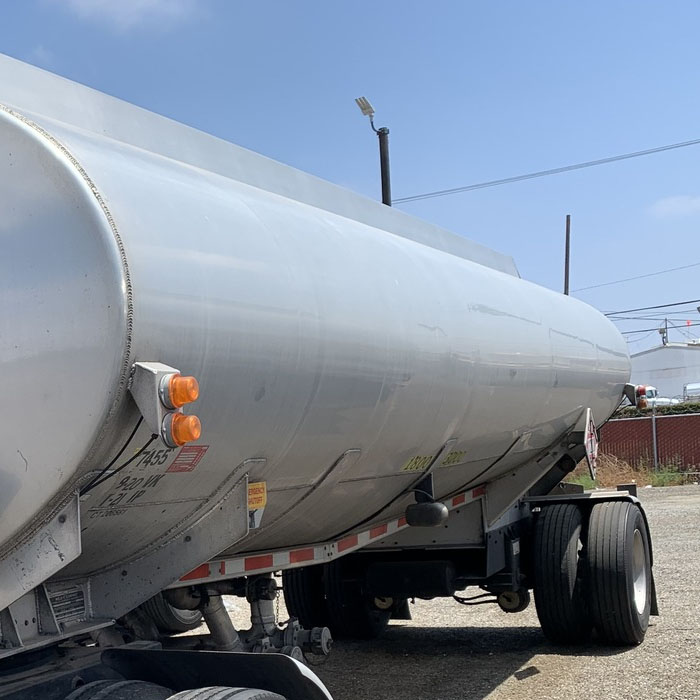
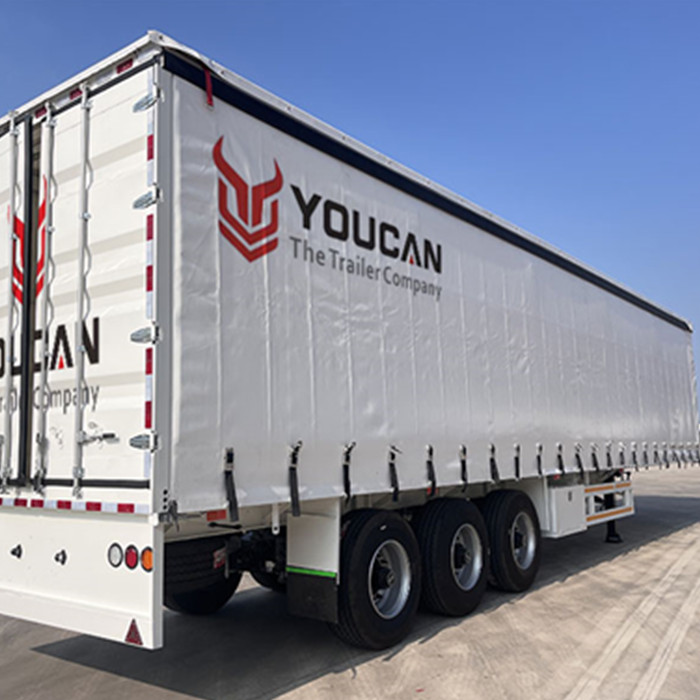
The primary industrial sectors driving adoption include long-haul logistics, construction, mining, agriculture, and specialized commodity transport. General freight relies heavily on versatile solutions like Flatbed Trailers and curtainsiders, while the construction boom necessitates a constant supply of tipper and bulk cement trailers. The energy sector continues to drive demand for specialized liquid and gas tankers, requiring manufacturers with certified expertise in handling hazardous materials.
Key Trends Shaping the Industry
Four major trends are reshaping trailer design, performance, and long-term value. Understanding these is vital for making informed procurement decisions.
Trend 1: Advanced Materials and Lightweighting
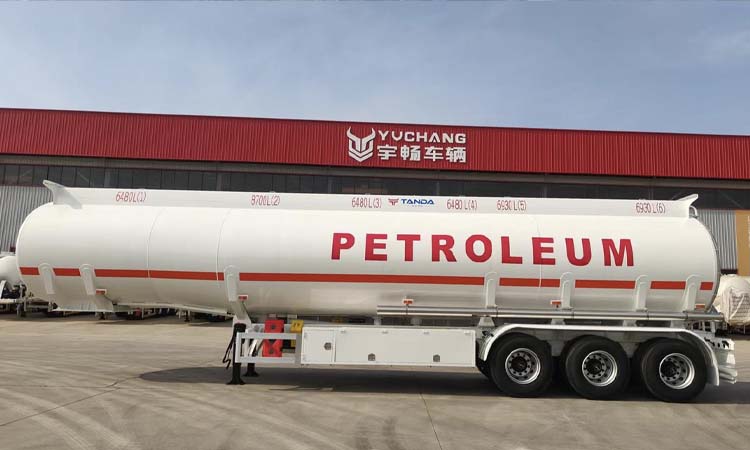
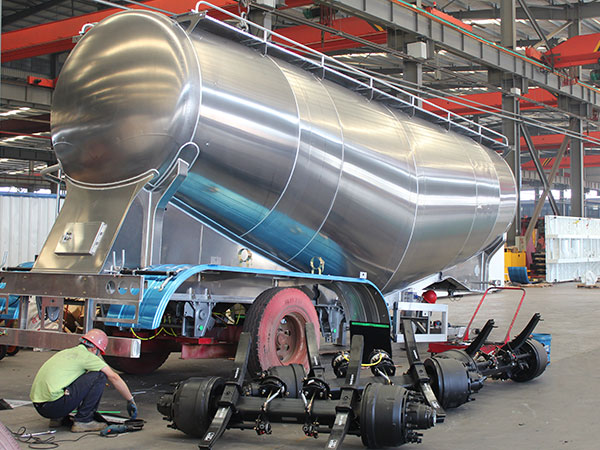
The push for greater fuel efficiency and higher payload capacity has accelerated the adoption of advanced materials. While high-strength steel remains a cost-effective standard, aluminum alloys are gaining significant traction, particularly in tanker applications. An Aluminum Fuel Tanker, for instance, can offer a weight saving of several tons compared to its steel counterpart. This directly translates to carrying more product per trip and reducing fuel consumption, significantly lowering the Total Cost of Ownership (TCO).
Trend 2: Telematics and Smart Trailer Integration
Trailers are no longer "dumb" assets. The integration of IoT sensors and telematics systems is transforming fleet management. These smart trailers provide real-time data on tire pressure, brake wear, cargo temperature, and GPS location. For operators, this means a shift from reactive repairs to predictive maintenance, reducing downtime and improving safety. For B2B buyers, specifying trailers with pre-installed telematics harnesses is a future-proofing strategy.
Trend 3: Application-Specific Specialization
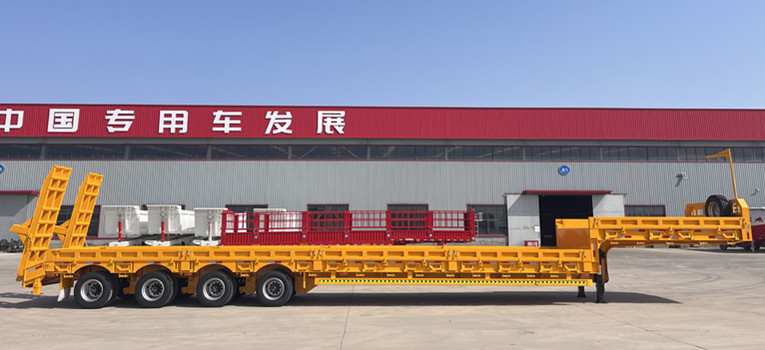
A one-size-fits-all approach is becoming obsolete. Markets are demanding trailers engineered for specific tasks to maximize efficiency and safety. This includes the development of Lowbed Trailers with hydraulic steering for transporting oversized construction equipment, or specialized tankers with multiple compartments for carrying different liquid grades. This trend underscores the importance of working with a manufacturer that has strong R&D and customization capabilities.
Trend 4: Sustainability and Aerodynamics
With rising fuel costs and tightening environmental regulations, sustainability is a key design driver. Innovations focus on reducing aerodynamic drag and rolling resistance. Features such as side skirts, boat tails, and automated tire inflation systems are becoming more common. These enhancements not only help in meeting compliance standards but also deliver tangible fuel savings over the trailer's lifespan.
Industry Challenges & Strategic Solutions
Buyers and manufacturers face a complex set of challenges, from volatile raw material prices for steel and aluminum to navigating disparate international compliance standards. Furthermore, a global shortage of skilled welders and technicians can impact production quality and lead times.
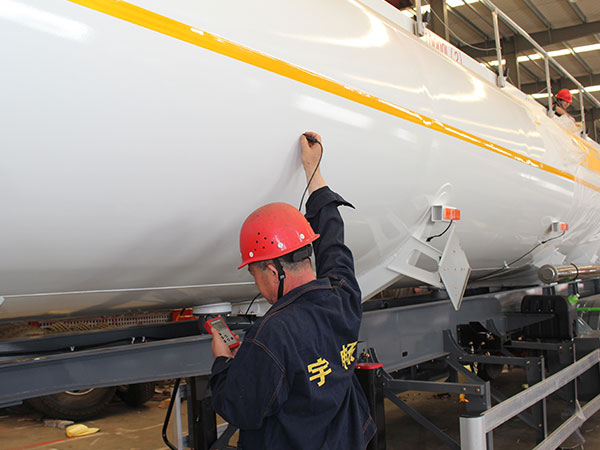
Forward-thinking manufacturers address these hurdles through strategic solutions. Advanced manufacturing techniques, such as robotic welding and laser cutting, ensure consistent quality and precision while mitigating labor dependencies. A modular design philosophy allows for greater customization and faster assembly. By partnering with a vertically integrated supplier who manages a significant portion of the component production, buyers can achieve greater supply chain stability and cost predictability.
B2B Procurement Advice & Future-Proofing
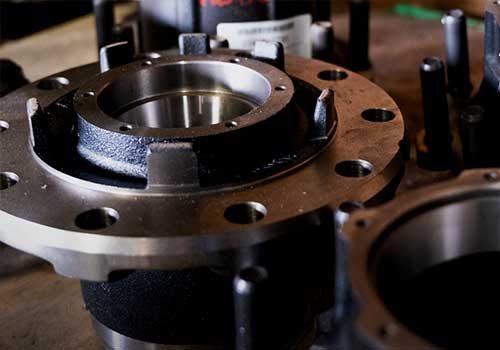
For procurement directors, the focus must shift from initial purchase price to TCO. A cheaper, lower-quality trailer can incur significantly higher costs in fuel, maintenance, and downtime over its operational life. When evaluating a supplier, consider the quality of components used, such as axles, suspension, and braking systems from reputable global brands.
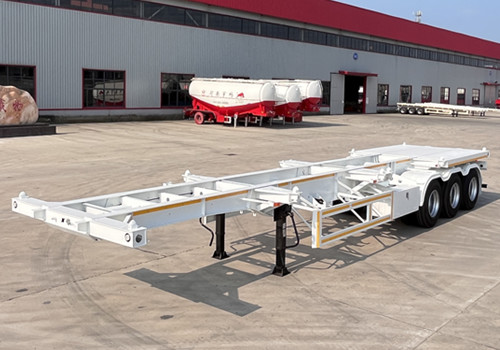
To future-proof your fleet, prioritize adaptability. Modular designs, like those found in Interlink Trailers, offer operational flexibility for changing logistics needs. Ensure the trailer's electrical system is robust enough to support future upgrades in telematics and sensor technology. A strategic procurement decision today is one that anticipates the operational and regulatory landscape of tomorrow.
R&D & Customization Capabilities (OEM/ODM)
The ability of a manufacturer to offer OEM/ODM services is a significant differentiator. Standard, off-the-shelf trailers may not be optimal for unique operating environments, specific cargo types, or local regulations. An agile manufacturing partner with a strong R&D department can engineer custom solutions. This involves using advanced software like Finite Element Analysis (FEA) to simulate stress points and optimize the strength-to-weight ratio, ensuring the final product is both durable and efficient for its intended application.
Logistics & Sustainable Packaging Outlook
The logistics of exporting large equipment like trailers require specialized expertise. Common shipping methods include Ro-Ro (Roll-on/Roll-off) for fully assembled units or containerization for CKD (Completely Knocked Down) or SKD (Semi Knocked Down) kits, which can reduce freight costs and import duties. Modern export preparation involves applying anti-corrosion wax coatings, securely fastening all moving parts, and using robust lashing inside containers or on deck to prevent damage during sea transit. Increasingly, there is a focus on using sustainable and recyclable materials for dunnage and protection.
Strategic Manufacturing Partnership
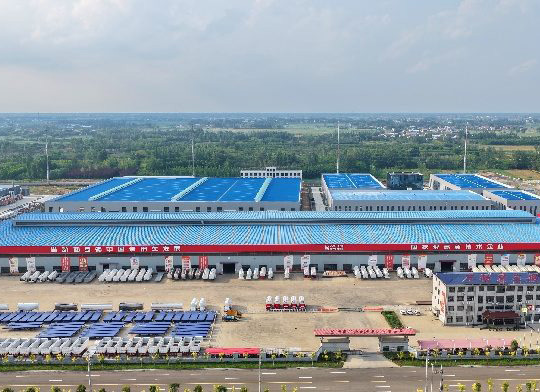
Choosing a manufacturing partner is a long-term strategic decision. Look for a supplier with internationally recognized certifications such as ISO 9001 for quality management and CE marking for compliance with European standards. A strong partner demonstrates a commitment to R&D, offers scalable production capacity to meet large orders, and provides comprehensive after-sales support, including spare parts availability. This holistic approach ensures not just a successful transaction, but a reliable and profitable long-term operational asset.
To explore how our custom-engineered trailer solutions can meet your specific operational requirements, we invite you to submit your technical drawings for a detailed consultation.
Industry FAQ Section
What are the main drivers of growth in the global trailer market?
The primary growth drivers are the expansion of e-commerce, which fuels demand for logistics and last-mile delivery fleets; significant government investment in infrastructure and construction projects globally; and the increasing volume of international trade requiring efficient freight transport.
How often should a commercial trailer fleet be replaced?
The typical replacement cycle for a commercial semi-trailer is between 7 to 12 years. However, this can vary widely based on factors such as annual mileage, operating conditions (e.g., road quality, climate), maintenance schedules, and the pace of technological advancements that make newer models significantly more efficient or compliant.
What is the long-term price outlook for semi-trailers?
Long-term prices are influenced by fluctuating costs of raw materials like steel and aluminum, labor costs, and the integration of advanced technologies (e.g., telematics, advanced braking systems). While input costs may cause price volatility, efficiency gains from advanced manufacturing and economies of scale can help mitigate these increases.
Why is trailer lightweighting a critical trend for fleet operators?
Lightweighting is critical because it directly impacts profitability. A lighter trailer allows for a heavier payload, meaning more goods can be transported per trip, increasing revenue. Additionally, a lighter overall vehicle weight reduces fuel consumption, which is one of the largest operational expenses for any transport company.
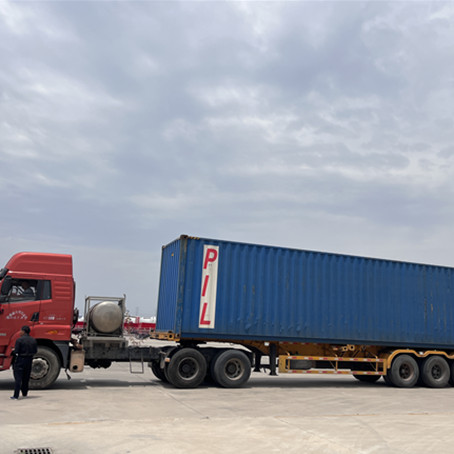
Custom Trailer Manufacturer: From Design to Delivery
Partner with an expert custom trailer manufacturer to get specialized solutions designed for your unique logistics needs. Explore industry trends and ...
Read More →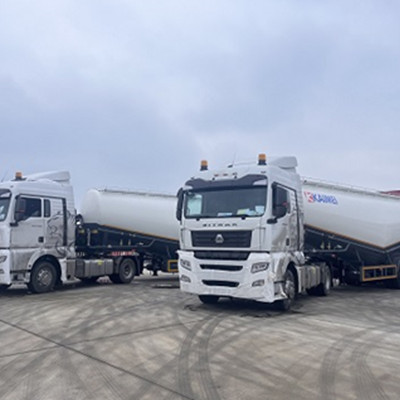
Choosing the Right Skeletal Semi Trailer for Port Fleets
A complete guide to choosing the right skeletal semi trailer. Learn about key specs, types, TCO, and common mistakes to avoid. Get expert advice for y...
Read More →