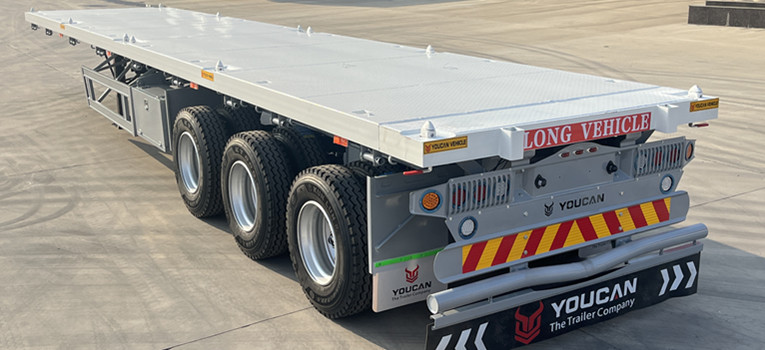
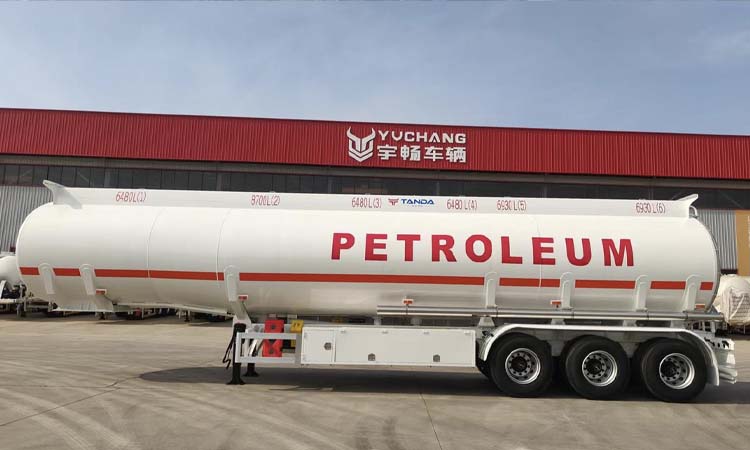
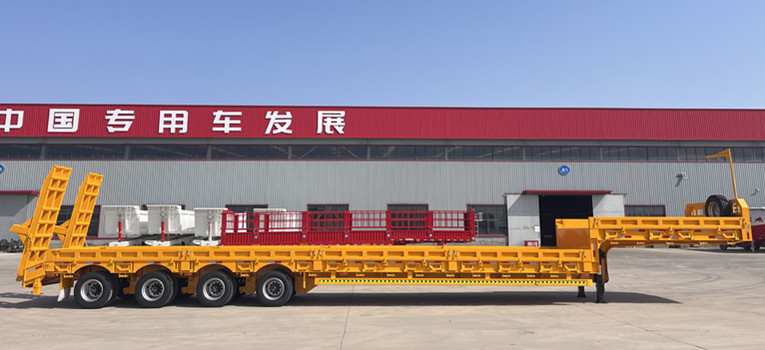
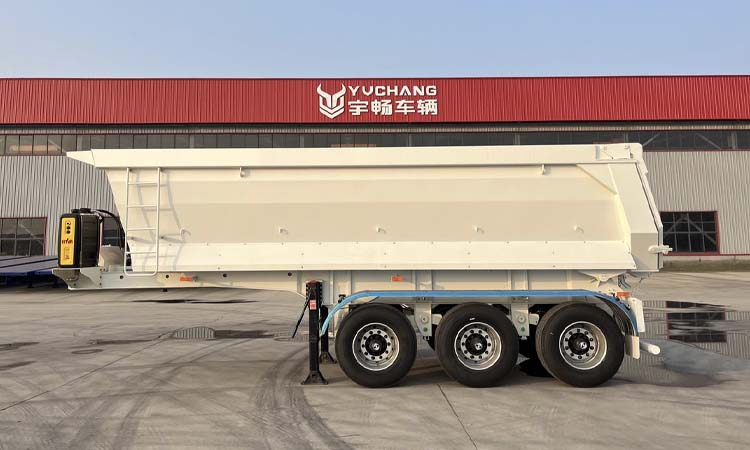
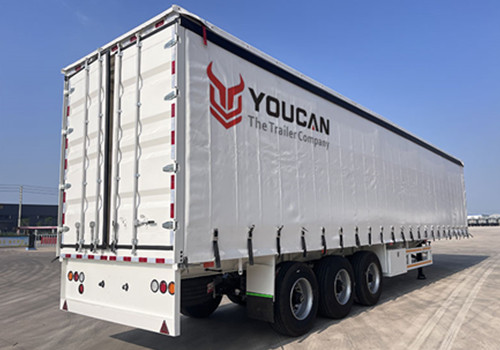
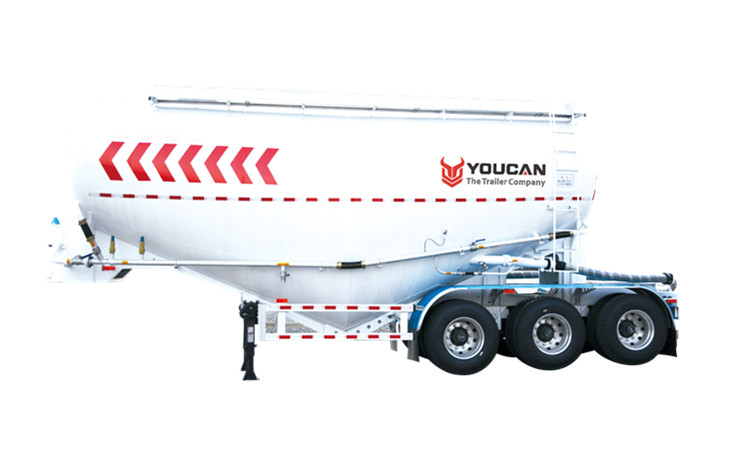
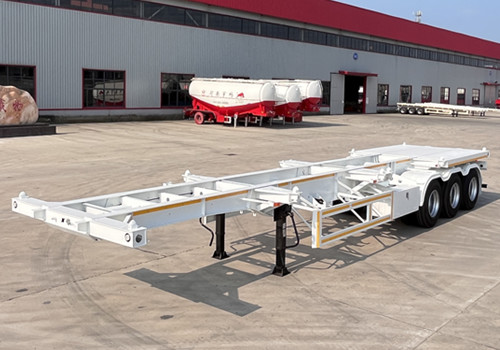
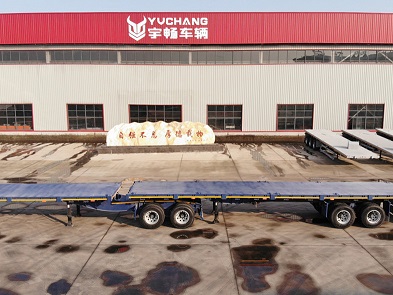
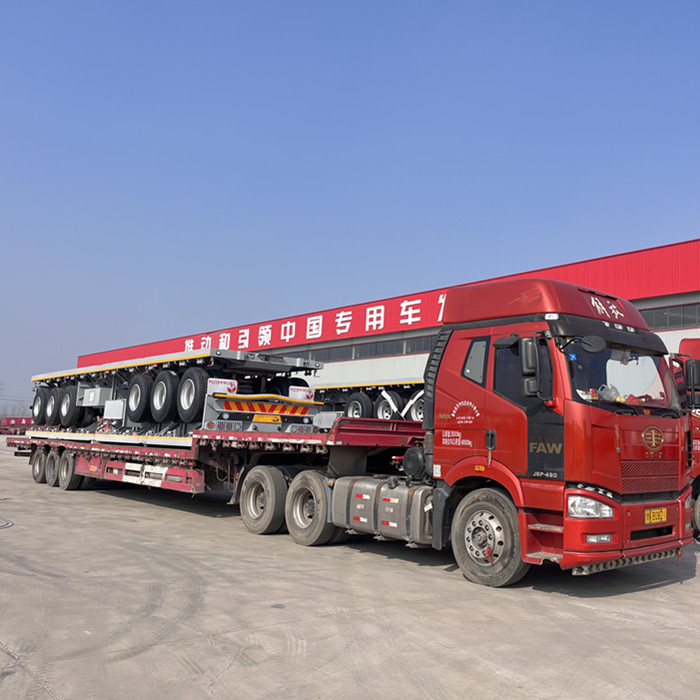
Driving a commercial vehicle in severe weather requires far more than just basic driving skills; it demands a deep understanding of how aerodynamic forces interact with heavy machinery. Whether you are hauling general cargo with a Stake Semi-trailer or transporting heavy construction equipment on a Lowbed Trailer, the massive surface area of your vehicle acts like a sail in high winds. Understanding the physics and handling characteristics of your rig is crucial to prevent accidents and ensure road safety. Here is an in-depth guide to essential driving skills, vehicle protection, and safety precautions for commercial operations in windy and dusty conditions.
Mastering Aerodynamics and Vehicle Control
When driving in strong crosswinds, the first rule is to significantly reduce your speed. High speed combined with strong wind gusts drastically increases the risk of rollovers. You must learn to correctly identify the wind direction and anticipate sudden gusts. Grip the steering wheel firmly with both hands and make continuous, smooth steering corrections to prevent the vehicle from drifting out of its lane. Pay close attention to the lateral stability of your trailer; if the wind is pushing you toward the shoulder, do not brake aggressively or overcorrect, as this can cause a jackknife. Minimize overtaking maneuvers, as the wind shadow created by large trucks can cause a sudden loss of stability when you exit the slipstream.
When driving directly against the wind, be highly aware of sudden changes in wind direction or large road curvatures. A sudden decrease in wind resistance—such as passing a large windbreak like a building or a dense forest—will cause your vehicle's speed to increase unexpectedly. Additionally, stay vigilant for pedestrians or smaller vehicles that might suddenly cross the road, as high winds can easily blow them off balance.
Managing Visibility in Dust and Sand
When navigating turns in windy and sandy weather, immediately turn on your low-beam headlights and honk frequently to alert pedestrians and other drivers of your presence. Dust storms can reduce visibility to near zero in seconds. Drive slowly, maintain a larger following distance, and be mentally ready to brake or pull over entirely if conditions worsen.
When driving at night during high winds, rely on anti-glare low-beam headlights instead of high beams. High beams reflect off airborne dust and sand particles, creating a blinding "light curtain" that severely impairs your vision and depth perception.
Protecting Your Equipment from Wind and Sand
When the wind and sand are particularly severe, parking your vehicle correctly is vital for mechanical longevity. Park your truck or trailer on the windward side of the road, with the front of the vehicle facing away from the direct wind. Keep the engine shutters half-closed to prevent fine sand from being drawn into the engine cylinder, which acts like sandpaper and rapidly accelerates internal part wear.
For cargo-carrying trailers, especially when hauling lightweight, large-scale materials, ensuring the tarpaulins are tightly secured and the cargo is firmly fixed is critical. If you feel the trailer swaying dangerously, pull over immediately to prevent the vehicle from being blown over or deviating from the normal driving route.
4 Crucial Precautions for Heavy Haulage
Maintain a Safe Distance: On dusty roads, increase your following distance significantly. The dust kicked up by the vehicle in front can completely obstruct your line of sight, leaving no time to react to sudden stops.
Beware of Smaller Vehicles: Motorcycles, tricycles, and small passenger cars are highly unstable in high winds. When overtaking them, give them plenty of space, as a sudden gust might push them directly into your path.
Watch for Falling Debris: When driving through rocky or mountainous areas, strong winds can easily dislodge small stones and rocks, causing them to roll onto the road. These can cause severe damage to your trailer's undercarriage, tires, and brake lines.
Monitor Weather Conditions: Abnormal climates in desert or coastal areas can not only make driving difficult but also damage vehicle components. Always stay updated on local weather forecasts and plan your routes and driving times to avoid the worst of the storm.
Conclusion
Safety on the road begins before you even start the engine. Ensuring your towing equipment is properly maintained, structurally sound, and securely fastened is vital for withstanding extreme weather conditions. If you are looking to upgrade your fleet with reliable transport solutions built for durability, explore our Youcan Trailer series. Our team is here to help you find the right equipment. Don't hesitate to get a quote today and let us support your safe and efficient operations!