In the fast-paced world of global logistics, freight transport, and heavy-duty supply chains, selecting the right commercial vehicle can make the difference between profitable operations and costly delays. Among the diverse fleet of semi-trailers used by transport companies worldwide, the
Whether you are moving structural steel beams across cross-country highways, transporting palletized construction materials to job sites, or hauling standard ISO shipping containers for intermodal freight distribution, understanding the structural design, payload capacity, and operational advantages of a flatbed semi-trailer is essential. As global trade expands and industrial transport demands higher efficiency, heavy-duty flatbed trailers continue to prove their unmatched utility across construction, manufacturing, energy, and agricultural sectors.
What Exactly Is a Flatbed Trailer and How Is It Designed?
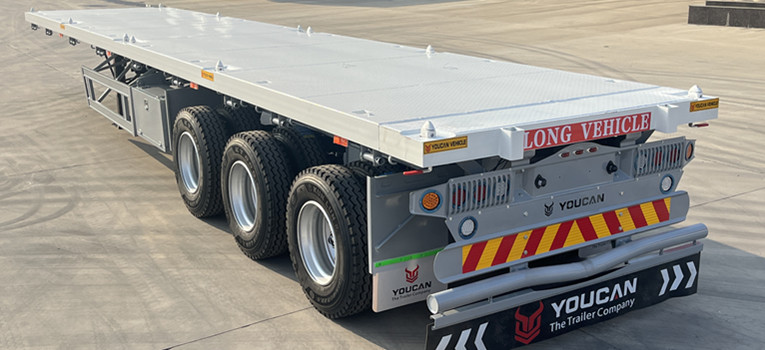
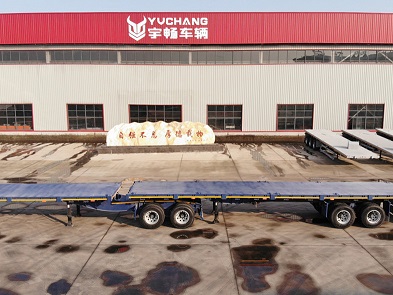
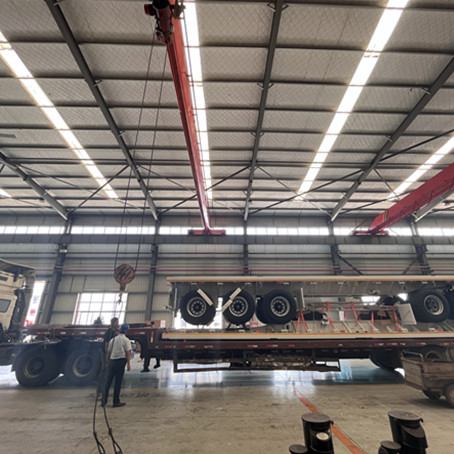
A flatbed trailer is a specialized type of commercial semi-trailer consisting of a rigid, heavy-duty steel chassis deck supported by multiple axles at the rear and connected to a tractor unit via a kingpin at the front. Unlike box trailers or curtain-siders, a flatbed features an entirely unobstructed platform deck with zero permanent side walls, roof pillars, or enclosure structures.
This open-air design is intentional. It provides total freedom for loading and unloading cargo from all directions—overhead via cranes, from the sides using forklifts, or from the rear via loading ramps. The chassis is typically manufactured from high-tensile structural steel (such as Q345B or T700) to withstand immense bending moments, twisting forces, and concentrated weight points when carrying heavy industrial payloads over thousands of kilometers of rough roads.
Key Structural Components and Engineering Specifications
A high-performance flatbed trailer is an intricate assembly of robust engineering components designed to guarantee structural integrity, safety, and longevity under punishing operating conditions:
Main Longitudinal Beams (I-Beams): The structural spine of the trailer. Fabricated using high-yield web plates and flanges, these main beams absorb the primary static and dynamic loads during transit.
Crossmembers and Side Rails: Heavy-duty steel crossmembers intersect the main I-beams at regular intervals, providing exceptional lateral rigidity and preventing deck sagging under heavy concentrated weights.
Deck Flooring: High-quality flatbeds utilize durable apitong wood, checker steel plates, or composite flooring options. Wood provides high friction to prevent cargo shifting and allows easy nailing of blocking and bracing wedges, while steel provides ultimate impact resistance.
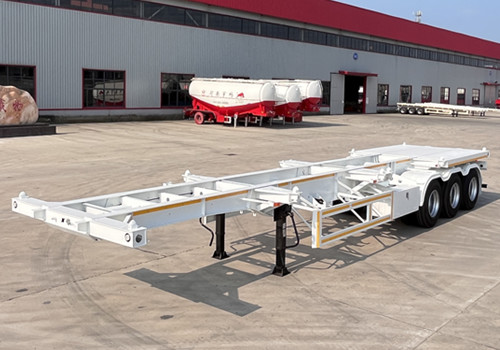
Container Twist Locks: Modern flatbed trailers are frequently equipped with retractable twist-lock mechanisms flush-mounted into the deck, enabling them to securely lock and transport 20-foot and 40-foot ISO shipping containers.
Landing Gear and Kingpin: Heavy-duty two-speed landing legs support the trailer when uncoupled from the tractor, while a standardized 2-inch or 3.5-inch forged kingpin ensures secure fifth-wheel coupling.
To explore our complete lineup of heavy transport equipment and commercial vehicle solutions, feel free to browse our main
Main Types and Configurations of Flatbed Semi-Trailers
Flatbed trailers are not a one-size-fits-all solution; fleet operators can choose from several specialized configurations tailored to specific cargo profiles and regional highway regulations:
Standard 3-Axle 40ft Flatbed Trailer: The most popular global configuration. Offering a 40-foot deck length and a tri-axle setup, it strikes the optimal balance between legal axle-load compliance and high payload capacity for general freight.
Drop Deck / Step Deck Trailer: Featuring a lowered main deck well behind the gooseneck, step-deck trailers provide extra vertical clearance for taller machinery or cargo that exceeds standard height limits on a straight flatbed.
Extendable / Telescopic Flatbed Trailer: Engineered with a sliding, telescoping main frame that can extend from 40 feet up to 60 or 80 feet, designed specifically for hauling exceptionally long items such as steel pipes, concrete poles, and wind turbine components.
Interlink / Superlink Flatbed Combinations: Consisting of two semi-trailers pulled in tandem by a single truck unit, widely utilized in heavy-duty regional corridors to maximize total volumetric and weight payload efficiency.
Primary Applications: What Cargo Can Be Transported on a Flatbed?
The primary advantage of a flatbed trailer lies in its universal compatibility with irregular, oversized, or heavy cargo that cannot fit inside conventional enclosed vans. Common cargo applications include:
Construction Materials: Transporting bundles of rebar, structural steel H-beams, prefabricated concrete panels, lumber, scaffolding equipment, and large bags of cement.
Heavy Machinery and Equipment: Hauling industrial generators, agricultural tractors, forklifts, and light construction machinery securely anchored to the wooden or steel deck.
Metal Products and Coils: Carrying heavy steel coils (using specialized coil racks and chains), aluminum sheets, and large-diameter industrial pipes.
ISO Shipping Containers: Serving as a reliable container chassis alternative when intermodal boxes need to be moved efficiently between ports, rail yards, and distribution warehouses.
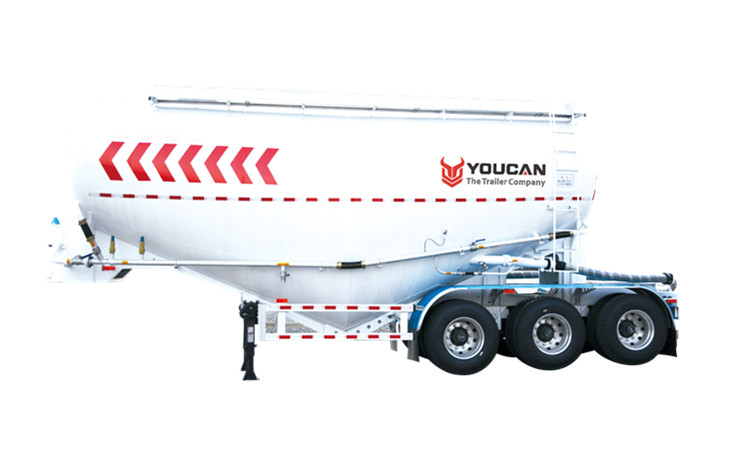
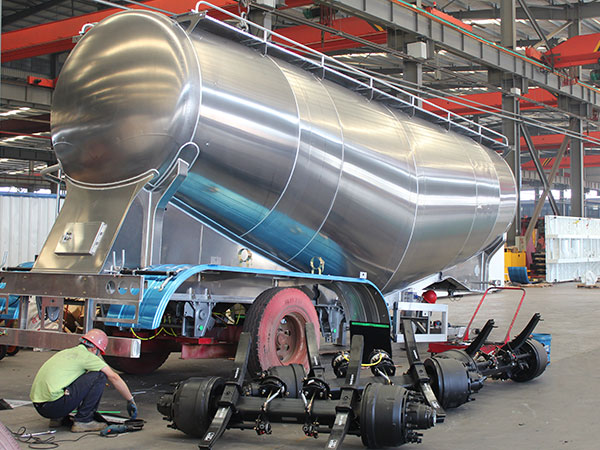
For specialized liquid and powder transport requirements that complement large industrial and construction projects, you can also explore our professional
Major Operational Advantages of Using Flatbed Trailers
Logistics managers and fleet owners consistently rely on flatbed trailers because they offer distinct operational benefits over enclosed transport alternatives:
Unrestricted Loading Flexibility: Because there are no walls or roofs, cranes can lower heavy machinery or steel bundles directly from above, and side loaders or forklifts can load pallets from the flanks simultaneously. This drastically reduces turnaround times at loading docks.
Adaptability to Oversized Cargo: Cargo that is slightly wider or longer than standard dimensions can often be accommodated safely on a flatbed using appropriate warning flags, lights, and overhang permits.
Ease of Cargo Securing: Heavy-duty winch tracks, side rails, stake pockets, and lashing rings welded along the trailer perimeter allow operators to fasten straps, chains, and binders securely from multiple angles.
Superior Durability and Low Maintenance: With a simpler open mechanical structure compared to complex moving parts on curtain-siders or refrigerated units, flatbeds require less frequent structural repairs and offer a remarkably long operational lifespan.
How to Choose the Right Flatbed Trailer for Your Fleet
Selecting the ideal flatbed trailer requires careful evaluation of your operational environment, cargo characteristics, and regulatory constraints. When planning your investment, consider the following key selection criteria:
Payload Weight and Axle Configuration: Assess the maximum weight of your typical cargo. For standard loads up to 40-50 tons, a 3-axle configuration is standard. For heavier industrial freight or regions with strict axle-load limits, multi-axle or heavy-duty bogie suspensions may be necessary.
Deck Length and Dimensions: Standard lengths range from 40 feet to 48 or 53 feet depending on regional highway laws. If you frequently haul exceptionally long steel structures or timber, consider an extendable telescopic model.
Flooring Material Selection: Choose apitong wood if your operations involve frequent nailing of wooden blocks to brace irregular cargo. Opt for steel checker plates if you transport heavy, abrasive, or sharp metal goods that require maximum impact resistance.
Suspension and Terrain Compatibility: Decide between mechanical spring suspension (ideal for rugged, unpaved off-road construction and mining sites due to high durability and easy field maintenance) and air suspension (ideal for smooth highway transport, offering superior vibration dampening for sensitive cargo).
Container Transport Versatility: If your logistics network switches between general break-bulk cargo and intermodal shipping containers, ensure the trailer is factory-fitted with retractable twist-locks.
Manufacturing Excellence and Quality Control at YOUCAN Trailer
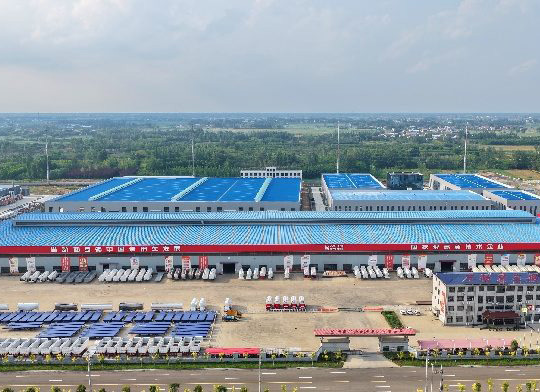
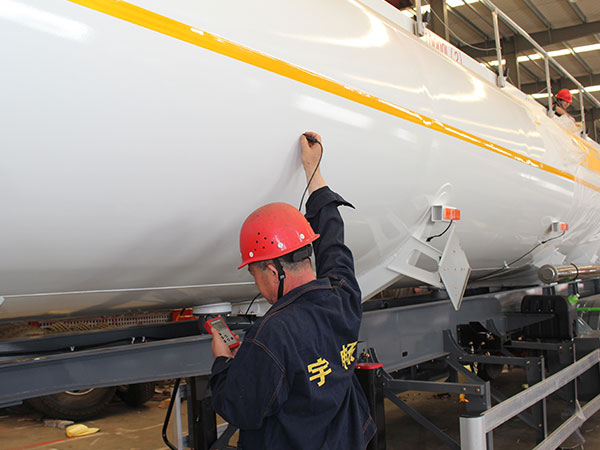
With over 28 years of specialized manufacturing experience since 1999, YOUCAN Trailer builds reliable, custom-engineered semi-trailers trusted by fleet owners and commercial contractors across more than 50 countries worldwide. Every flatbed trailer leaving our advanced production facilities undergoes rigorous quality control protocols, including automated precision welding, multi-stage shot blasting, anti-corrosion zinc-rich priming, and intensive load-bearing structural tests.
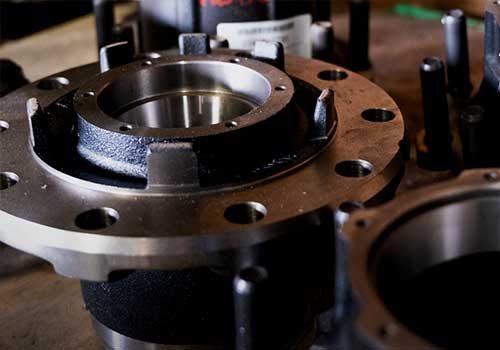
We understand that different regions have strict axle weight limitations, diverse road conditions, and unique cargo requirements. Our engineering team provides fully customizable configurations—including choice of axle brands (such as FUWA or BPW), mechanical or air suspension systems, tire specifications, and customized stake pocket layouts.
To discuss your fleet requirements, request technical drawings, or get a quotation, visit our
FAQ About Flatbed Trailers
1. What is the standard payload capacity of a 3-axle flatbed semi-trailer?
Depending on the structural steel grade, axle configuration, and local highway weight laws, a standard 3-axle 40ft flatbed trailer typically handles a payload capacity ranging from 40 to 50 tons.
2. Can a flatbed trailer transport standard shipping containers?
Yes. Modern flatbed trailers are equipped with built-in retractable twist locks. This allows operators to securely mount and transport standard 20-foot or 40-foot ISO dry and refrigerated shipping containers just like a dedicated skeleton chassis.
3. What is the difference between wood flooring and steel flooring on a flatbed?
Apitong wood flooring provides high friction, which helps prevent cargo from sliding, and allows operators to nail wooden blocking and bracing wedges directly into the floor. Steel checker plate flooring offers ultimate impact resistance and extreme durability for heavy, abrasive industrial cargo.
4. How is cargo safely secured on an open flatbed trailer?
Cargo security relies on heavy-duty ratchet straps, grade 70 or 80 transport chains, and binders attached to the trailer's side winch tracks and stake pockets. For round cargo like steel coils, specialized wooden cradles and coil racks are mandatory to prevent rolling.
5. What is the typical production and delivery timeline for a custom flatbed trailer order?
Standard flatbed trailer models typically require approximately 15 to 25 working days for production following deposit confirmation. Fully customized configurations with special dimensions, specific suspension types, or custom paint branding may require a slightly extended lead time, confirmed prior to final order processing.
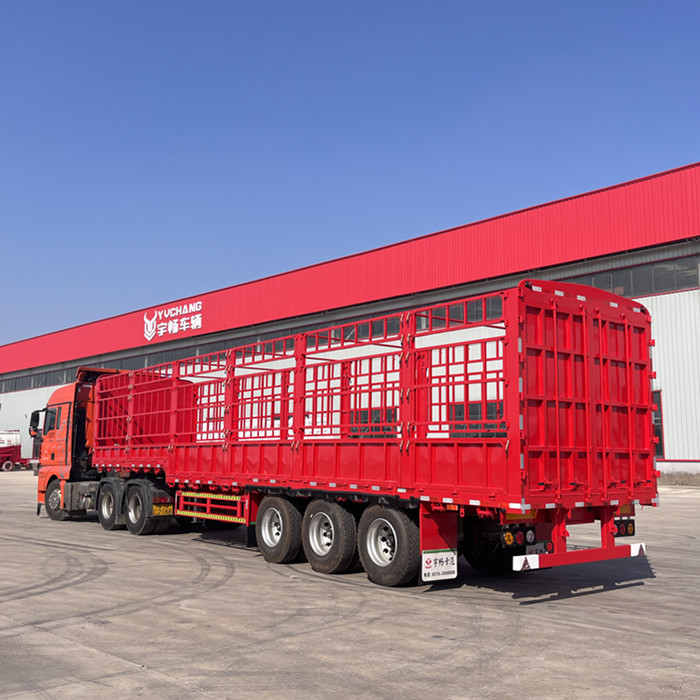
What to pay attention to when driving in a strong wind
Heavy truck & semi-trailer driving tips for strong winds. Keep your Stake Semi-trailer and Lowbed Trailer safe. Read more!
Read More →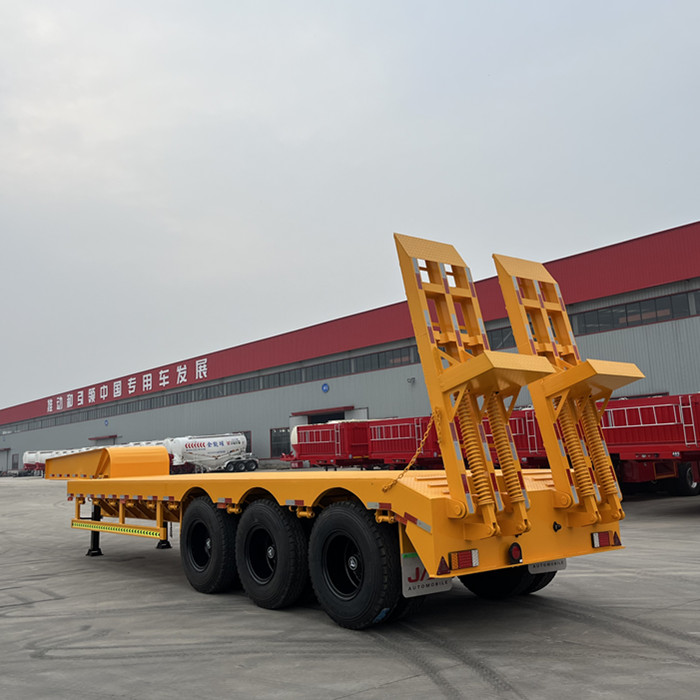
Lowbed Trailer Transported To Customers
At Yuchang Trailer, We supply lowbed trailers for all types of mechanical equipment, construction equipment and machinery.
Read More →