 WhatsApp
 sales@youcantrailer.com
 +8615203709888
What Quality Standards Should a Semi Trailer Manufacturer Follow?
What Quality Standards Should a Semi Trailer Manufacturer Follow?
Quick Answer
A semi trailer manufacturer should follow the standards and legal requirements that match its quality processes, welding, surface protection, product design, and destination market. ISO 9001 can structure quality management, ISO 3834 can guide welding quality, ISO 12944 can support corrosion-protection planning, and vehicle or country rules can govern brakes, lighting, dimensions, or registration. The important question is not how many standards a supplier names, but how each relevant requirement becomes a controlled action and a record.
Why Standards Matter to Buyers
Standards give buyers a shared language for process control, inspection, and acceptance. They can reduce ambiguity when a project crosses languages and borders. However, a standard is not a universal product guarantee. Its relevance depends on the trailer, the contract, the market, the component, and the specific claim being made.
| Area | Useful reference | Buyer interpretation |
|---|---|---|
| Quality management | ISO 9001 | How does the factory control processes, records, corrections, and improvement? |
| Welding | ISO 3834, ISO 9606-1, ISO 15614-1 | How are procedures, personnel, materials, and inspection controlled? |
| Corrosion protection | ISO 12944, ISO 8501-1, ISO 19840 | How are preparation, coating system, and film thickness defined? |
| Road vehicle systems | UNECE, FMVSS, or national rules | Which requirements apply to this destination and configuration? |
| Dangerous goods or special use | Market-specific regulations | Are additional approvals or documents required? |
How to Review a Manufacturer's Standards
Ask What Is Relevant to This Order
A flatbed, lowbed, dry-bulk tanker, and fuel tanker do not share exactly the same risks. Start with the actual product and destination, then identify the standards that apply to structure, welding, paint, brakes, lighting, or registration.
Ask How the Standard Is Implemented
A certificate can show a management system or a defined capability, but the buyer should also ask for work instructions, inspection plans, sample records, equipment checks, and correction procedures. The goal is to see the operational translation.
Check Scope and Validity
Confirm which legal entity, site, process, product, or certificate scope is covered. A certificate for one location or process does not automatically prove every activity performed by a wider commercial group.
Match the Standard to the Claim
Do not use a paint standard to support a brake claim or a quality-management certificate to prove a specific material grade. Each claim needs relevant evidence.
Questions Buyers Should Ask
Which standards or market requirements are included in this quotation and which are excluded?
Which legal entity and factory location are covered by the certificates or records?
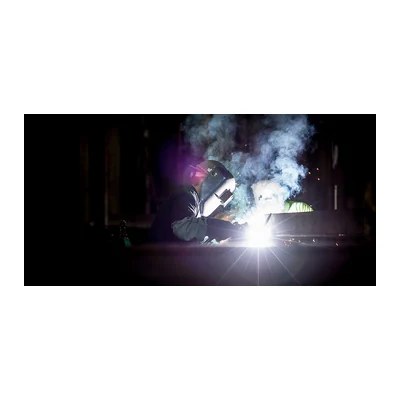
How are welding procedures, personnel, and inspection controlled for this trailer?
What paint-preparation and dry-film-thickness basis is used?
Which destination documents, tests, or approvals must the buyer arrange locally?
Engineering Note: The strongest standards conversation is specific: requirement, scope, evidence, responsibility, and release condition.
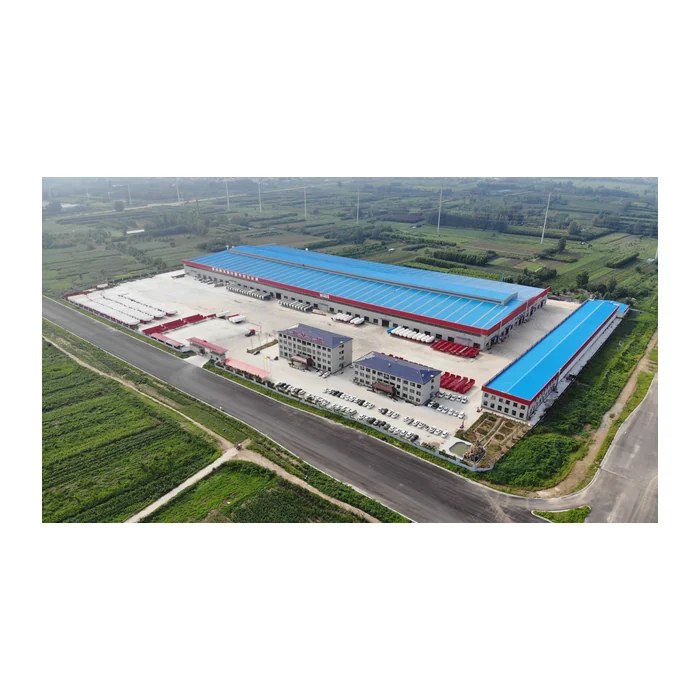
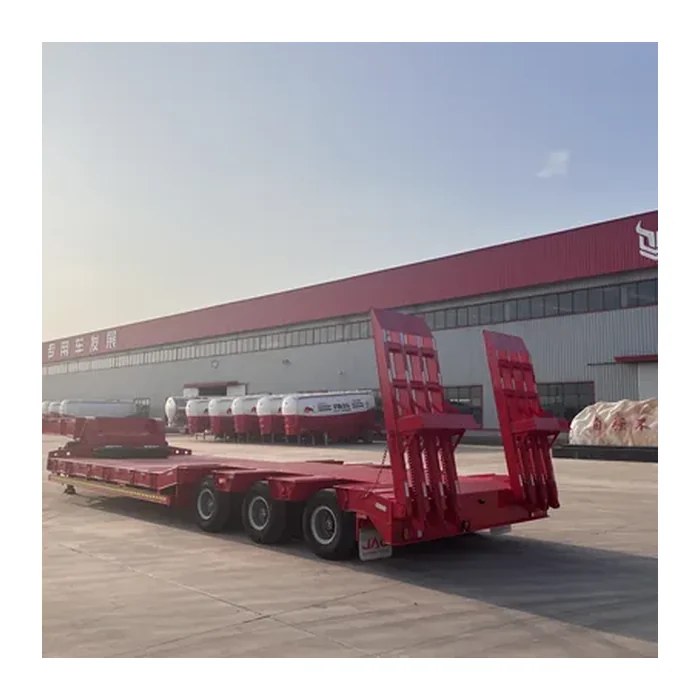
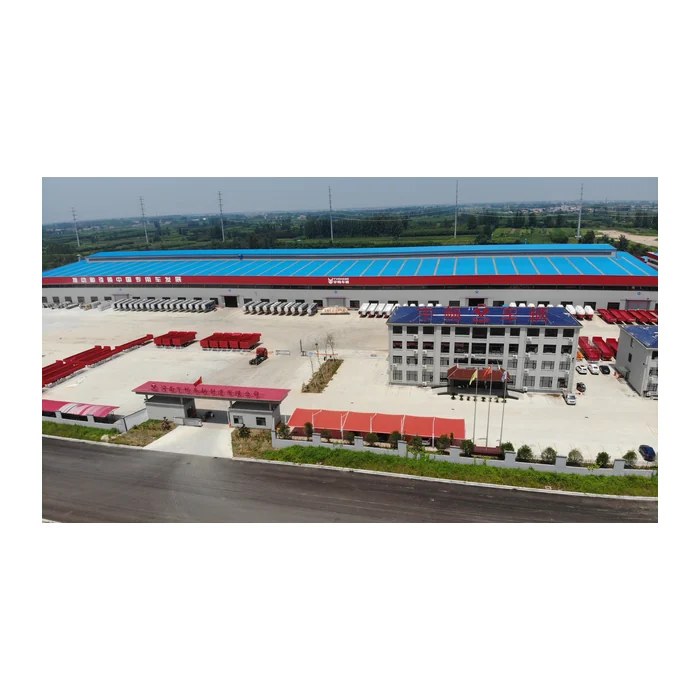
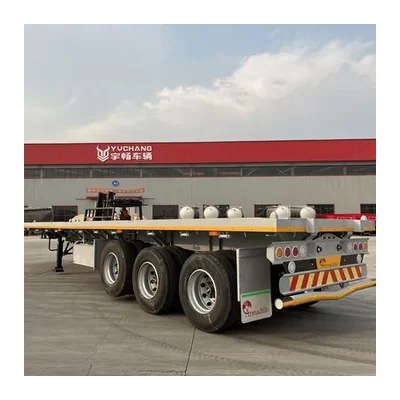
Review the supplier's factory overview and quality control pages, then connect the standard discussion to the actual flatbed trailers, lowbed trailers, or bulk body configuration.
Common Buyer Mistakes
Collecting certificate names without checking scope, entity, or relevance.
Assuming ISO 9001 proves a trailer meets every destination regulation.
Asking for universal compliance without identifying the target market.
Ignoring the difference between a process standard and a product approval.
Failing to write the relevant standard or acceptance basis into the contract.
Key Takeaways
Standards should match the trailer, process, claim, and market.
ISO 9001 structures quality management but is not a universal product approval.
Welding and coating standards need operational evidence.
Destination-market requirements must be confirmed separately.
Scope and responsibility matter as much as the standard name.
FAQ
Does every semi trailer manufacturer need ISO 9001?
The business or market may not universally require it, but a documented quality-management system can help control processes. Verify the actual project requirement.
Is ISO 3834 a trailer certification?
It is a welding quality requirements standard. Its relevance and certification scope should be checked against the factory and process.
Can a Chinese standard be used for an export trailer?
It may be part of the design or manufacturing basis, but the buyer must also confirm destination-market legal and registration requirements.
What is the difference between a standard and a regulation?
A standard is a technical or management reference; a regulation or authority requirement may be legally binding in the destination market.
Should standards be written into the purchase order?
Relevant standards, scope, tests, documents, and acceptance criteria should be written when they affect the order.
Conclusion
Standards reduce uncertainty when they are selected carefully and translated into real factory controls. Buyers should ask what applies, who is responsible, what evidence will be delivered, and how the requirement affects the trailer they are actually buying.
References
ISO 9001 quality management systems
ISO 3834 quality requirements for fusion welding of metallic materials
ISO 12944 corrosion protection of steel structures by protective paint systems
UNECE and FMVSS requirements where applicable to the destination market