 WhatsApp
 sales@youcantrailer.com
 +8615203709888
How Does YOUCAN Test Brake, Suspension and Electrical Systems?
How Does YOUCAN Test Brake, Suspension and Electrical Systems?
Quick Answer
YOUCAN can test semi trailer brake, suspension, and electrical systems through configuration checks, installation inspection, leak and connection review, functional operation, and final documentation. The test should match the trailer's equipment and destination-market requirements. A system is not verified merely because its components are installed; the buyer needs evidence that the components work together and are protected for service.
Why These Systems Need Integrated Testing
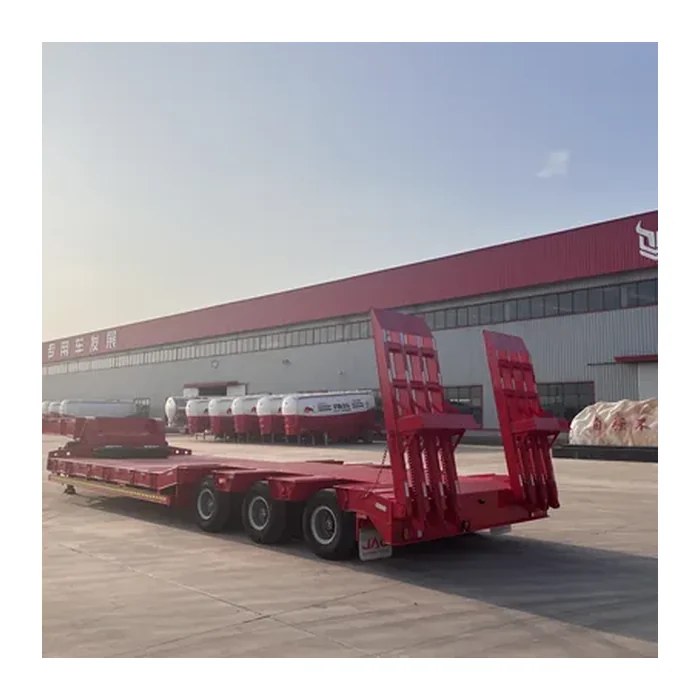
Brakes, suspension, and electrical equipment interact with the tractor, road, cargo, and maintenance environment. An incorrect air-line route can create rubbing or delay response. A suspension mismatch can affect ride, axle load, and tire wear. Poorly protected wiring can work in the yard and fail after water, vibration, and road debris.
| System | What to verify | Typical failure risk |
|---|---|---|
| Brakes and air | Components, routing, connections, leaks, response | Slow response, leakage, rubbing, or incorrect compatibility |
| Suspension | Type, mounting, alignment, clearances, movement | Uneven load sharing, tire wear, bracket stress |
| Electrical | Lights, wiring, connectors, protection, grounding | Intermittent lights, water entry, abrasion, wrong pinout |
| Tires and wheels | Size, load basis, inflation, mounting, clearance | Overload, heat, interference, early wear |
How the Testing Process Works
1. Confirm the Configuration
Before operating a system, verify the axles, suspension type, brake equipment, air connectors, electrical socket, light package, tires, wheels, and optional devices against the approved order. Testing the wrong configuration is still a failed process.
2. Inspect Installation and Protection
Check whether air lines and cables are routed away from sharp edges, heat, moving parts, lifting points, and impact zones. Confirm supports, clamps, connectors, valves, and access for maintenance. Installation quality often determines long-term reliability.
3. Test the Brake and Air System
The exact test depends on the equipment and market. A practical inspection may include connection, pressure or leak checks, valve and chamber response, line protection, and coordination with the tractor or test equipment. Do not claim road performance from a yard check alone.
4. Check Suspension Movement and Alignment
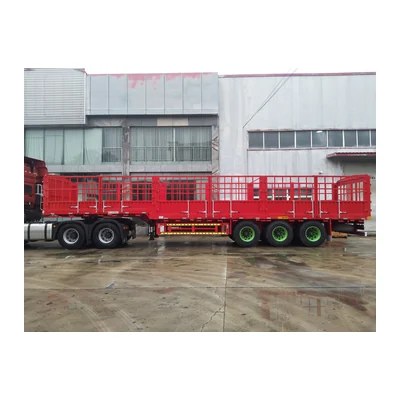
Inspect mounts, equalization or air components, clearance, ride height where relevant, and movement under loading or articulation. Confirm that nothing rubs or binds and that the suspension is compatible with the intended route.
5. Operate Every Electrical Function
Test marker lights, brake lights, indicators, rear lights, work lights, warning devices, and connectors included in the order. Inspect cable protection, grounding, sealing, and spare length for service.
Standards and Destination Requirements
Brake, lighting, and electrical requirements vary by market. UNECE R13, UNECE R48, FMVSS 121, and national rules may be relevant depending on destination and vehicle category. The supplier should not claim universal compliance without knowing the buyer's market, tractor, registration path, and required approval basis.
Engineering Note: A brake or lighting test is meaningful only when the test setup is stated. A trailer tested alone, connected to a tractor, and evaluated on a road are different levels of evidence.
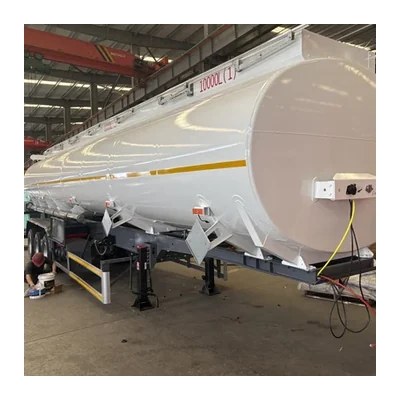
Use the supplier's quality control information as a starting point, then compare the system with the actual flatbed trailers, lowbed trailers, or tanker configuration and destination.
Common Buyer Mistakes
Checking component brands without testing installation and function.
Assuming a universal air or electrical connector will fit the destination tractor.
Ignoring cable and air-line protection because the system works in the yard.
Accepting an axle or suspension change without reviewing brake and tire effects.
Requesting compliance language without identifying the target market and standard.
Key Takeaways
Test brakes, suspension, and electrical systems as installed systems.
Configuration, routing, protection, and compatibility matter before operation.
State the test setup and do not overclaim what a yard check proves.
Destination-market rules should be confirmed before order and release.
Record failures, corrections, and final test results.
FAQ
What should be tested on a trailer brake system?
Confirm configuration, connections, leaks, installation, response, and compatibility with the tractor or agreed test setup.
How do I test suspension quality before shipment?
Review type and mounting, inspect clearances and alignment, and verify movement and configuration against the design.
Why do trailer lights fail after delivery?
Common causes include poor routing, water entry, abrasion, weak connectors, wrong pinout, and grounding problems.
Do brake standards differ by country?
Yes. Confirm the destination-market rules and registration requirements rather than assuming one test proves universal compliance.
Should the buyer request a road test?
When appropriate and safe, a controlled road or functional test can add evidence, but it should complement installation and system inspection.
Conclusion
Brake, suspension, and electrical quality is revealed by how the installed systems function together and how well they are protected for service. A clear test plan gives the buyer more confidence than a component list alone.
References
UNECE Regulation No. 13 braking
UNECE Regulation No. 48 installation of lighting and light-signalling devices
FMVSS 121 air brake systems where applicable to the destination market