 WhatsApp
 sales@youcantrailer.com
 +8615203709888
What Factors Affect Semi Trailer Production Lead Time?
What Factors Affect Semi Trailer Production Lead Time?
Quick Answer
Semi trailer production lead time is affected by specification clarity, engineering approval, factory queue, material and component availability, customization, fabrication complexity, paint and curing, inspection, corrections, and export preparation. A standard trailer with stable parts can move through the process more predictably than a highly customized unit. The most useful schedule is milestone-based and states what the buyer must approve before the next stage can start.
What Lead Time Actually Includes
Buyers often count only workshop fabrication, but the calendar also includes technical clarification, drawing approval, procurement, queue time, assembly, inspection, correction, documents, packing, and shipping handover. A short fabrication estimate can still produce a long project if the design is not frozen or special parts are late.
| Lead-time factor | How it affects schedule | Buyer action |
|---|---|---|
| Specification clarity | Unclear requests create back-and-forth | Send a complete operating brief |
| Engineering approval | Production waits for a stable drawing | Approve one revision in writing |
| Production queue | Factory workload changes start date | Ask for a realistic slot, not only build days |
| Special parts | Non-standard axles, valves, tires, or systems may have supplier lead time | Confirm availability before order |
| Customization | New fixtures, cutting, welding, and checks add work | Freeze changes early |
| Inspection and correction | Findings can add rework and re-check time | Book inspection before completion |
| Export readiness | Documents and shipping protection can delay handover | Prepare the document list in advance |
How to Build a Realistic Production Schedule
1. Separate Pre-Production From Manufacturing
The schedule should show requirement review, quotation clarification, drawing approval, and material planning before the workshop start. This makes the promised production period easier to understand.
2. Identify the Critical Path
A critical path may run through special material, a custom hydraulic or discharge system, a non-standard axle, a fixture, or inspection availability. Ask the supplier which item can move the delivery date if it changes.
3. Freeze the Configuration
A stable drawing, configuration sheet, and option list let production work without backtracking. Late changes can affect material, welding, paint, wiring, documents, and inspection.
4. Include Quality Gates
Milestones such as drawing release, frame completion, assembly, paint, inspection readiness, correction, and shipment handover make progress visible. They also give the buyer a place to approve or question the work before the next stage.
5. Keep Shipping Separate From Factory Completion
Factory completion, inspection release, loading, port handling, and sailing are different events. A responsible plan identifies the handover point and the party responsible for each next step.
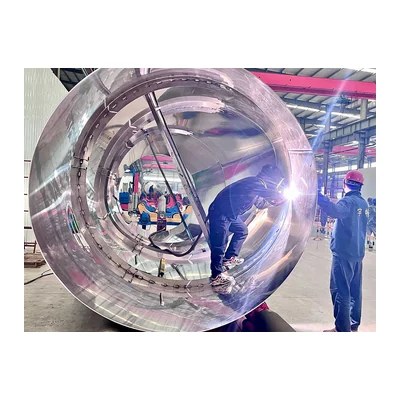
Lead-Time Decision Matrix
| Order type | Schedule behavior | Best planning approach |
|---|---|---|
| Standard configuration | More predictable if parts are available | Confirm queue, drawing, and inspection date |
| Moderate customization | Adds engineering and coordination | Freeze options and request milestone evidence |
| Highly custom structure | More design, fabrication, and correction risk | Allow engineering and change-control time |
| Special equipment or imported components | Supplier availability may dominate | Confirm part lead time before payment |
| Multiple trailers | Batch production may improve consistency but create shared delays | Agree sequence and partial-release plan |
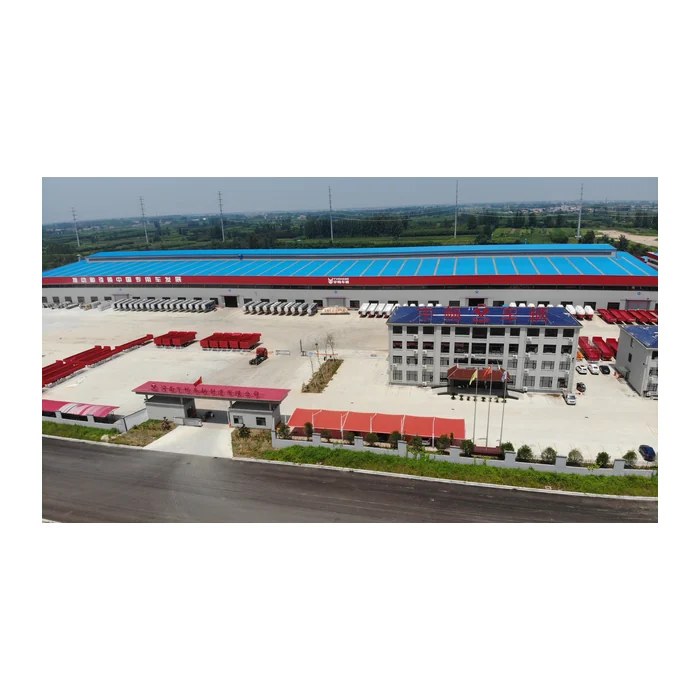
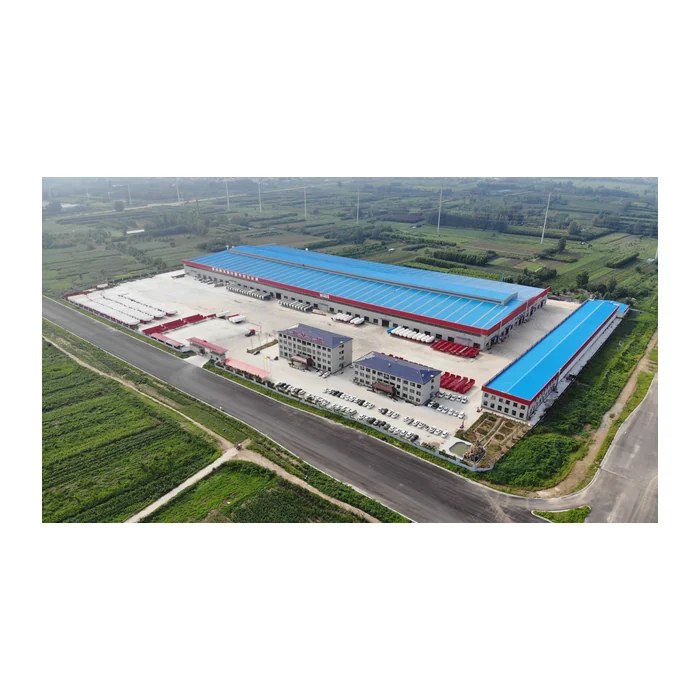
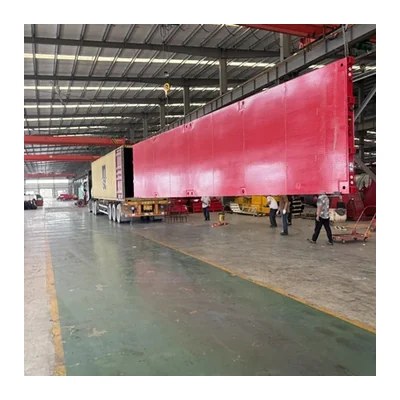
Use the supplier's factory overview and quality control information to discuss capacity and milestones, then align the schedule with the actual product such as a flatbed trailer or lowbed trailer.
Common Buyer Mistakes
Treating the quoted production time as the complete door-to-door schedule.
Changing the configuration after material or fabrication starts.
Ignoring special component availability.
Booking inspection and shipping only after the trailer is finished.
Using a target date without defining what the supplier must deliver by that date.
Key Takeaways
Lead time includes engineering, procurement, production, inspection, correction, and handover.
Specification freeze is one of the strongest schedule controls.
Special parts and factory queue can dominate the calendar.
Milestone evidence is more useful than a single completion promise.
Separate factory completion from port and shipping dates.
FAQ
How long does a semi trailer factory need?
There is no universal number. It depends on product type, configuration, queue, parts, customization, inspection, and export handover.
Does customization always make production slower?
It can, especially when it changes structure, parts, fixtures, or inspection. Simple documented options may have a smaller effect.
When should the buyer approve the drawing?
Before critical materials are cut or the production basis is frozen.
Can a factory guarantee the delivery date?
A supplier can commit to a plan and responsibilities, but the buyer should understand assumptions, dependencies, and change effects.
What is the best way to monitor production?
Use agreed milestones, one controlled configuration, evidence, and a clear person responsible for changes.
Conclusion
Production lead time is a project-control question, not only a workshop question. Buyers can reduce surprises by freezing the design, checking special parts, agreeing milestones, and separating factory release from shipping and import timing.
References
ISO 9001 quality management systems
ISO 10005 guidelines for quality plans
Incoterms 2020 where delivery responsibility is part of the commercial schedule