 WhatsApp
 sales@youcantrailer.com
 +8615203709888
How Does YOUCAN Manage Custom Trailer Production?
How Does YOUCAN Manage Custom Trailer Production?
Quick Answer
YOUCAN can manage custom trailer production by translating the buyer's operating need into a written brief, reviewing the design, confirming the configuration and parts, controlling revisions, fabricating against one approved basis, and inspecting the result against the same documents. The key is change control. Customization creates value when it solves a real problem and remains clear to engineering, production, quality, and the buyer.
What Custom Production Actually Changes
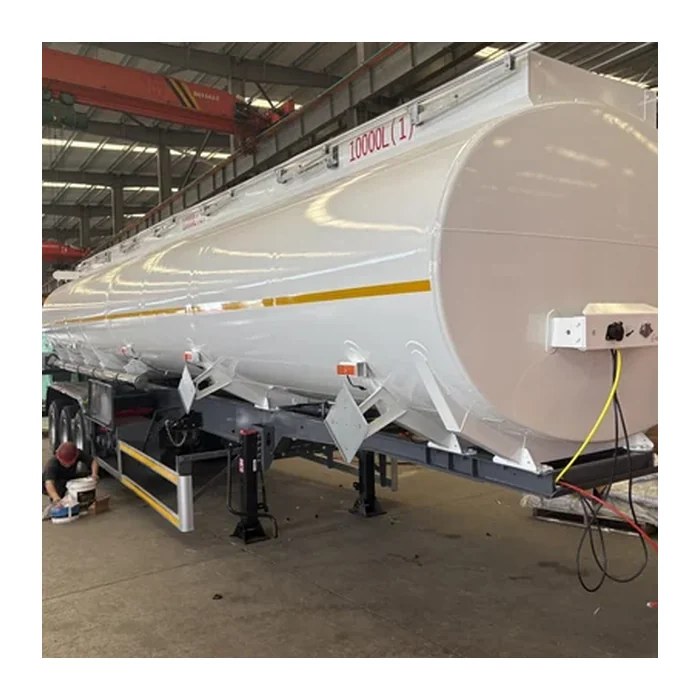
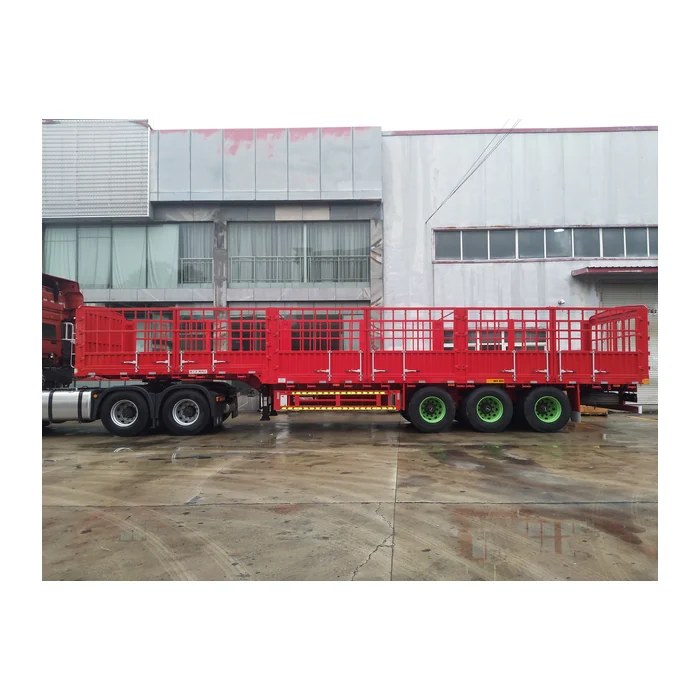
A custom trailer may change dimensions, body type, deck or tank arrangement, axle and suspension package, loading equipment, accessories, paint, markings, or documents. Some changes are cosmetic; others affect the load path, legal envelope, weight, service parts, or testing. The production process should distinguish these levels before accepting the order.
| Customization level | Examples | Control needed |
|---|---|---|
| Low | Color, logo, labels, selected storage | Written option list and release deadline |
| Medium | Ramps, locks, guards, accessories, lighting | Mounting, clearance, wiring, and function review |
| High | Main frame, deck height, axle layout, tank, body, loading system | Engineering drawing, load review, parts and inspection plan |
| Market-specific | Dimensions, brakes, lighting, documents, registration items | Destination confirmation and responsibility matrix |
How Custom Trailer Production Is Managed
1. Capture the Real Operating Requirement
Start with cargo, route, tractor, legal environment, loading and unloading method, duty cycle, climate, and service network. A photograph of another trailer is useful as a reference but rarely contains enough information to build from.
2. Convert Requirements Into a Buildable Design
The factory prepares or adapts a drawing, configuration sheet, and parts basis. Engineering should explain trade-offs in weight, clearance, cost, lead time, maintenance, and inspection.
3. Approve One Controlled Revision
Use revision numbers and a named approval. The buyer should know which drawing and option list control production. Verbal changes in several chat threads create avoidable risk.
4. Check Parts and Manufacturing Feasibility
The factory should confirm whether the selected axles, suspension, brakes, tires, accessories, and special equipment are available and compatible. A custom design that cannot be serviced in the destination market may not be a good design.
5. Inspect Against the Custom Basis
Final inspection should compare the trailer with the approved custom drawing and configuration. Standard checklists still matter, but custom features need additional measurements and function tests.
Standard vs Custom Decision Matrix
| Buyer situation | Recommended direction | Why |
|---|---|---|
| Known route and common cargo | Standard configuration with selected options | Faster comparison and easier service |
| Special cargo footprint or height | Custom structure | The trailer must fit a real operating constraint |
| Destination-specific equipment | Controlled market customization | Legal and tractor compatibility may require changes |
| Unclear requirement | Clarify before designing | Customization before the problem is defined creates cost and delay |
Engineering Note: Custom production should make the buyer's operation clearer, not make the quotation longer and less controlled.
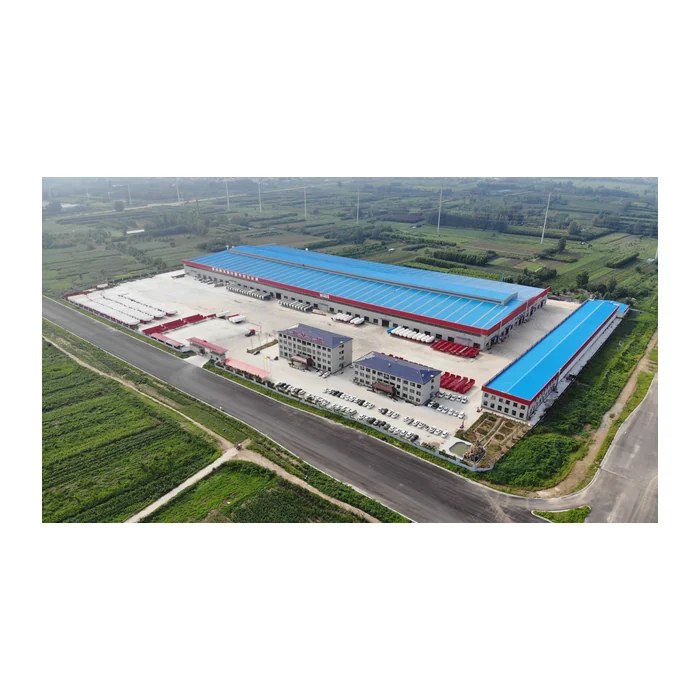
Review the manufacturer's factory overview and quality control process, then compare the custom proposal with related flatbed trailers, lowbed trailers, or bulk body examples.
Common Buyer Mistakes
Starting with accessories before explaining cargo, route, and tractor.
Sending several reference photos without identifying what must be copied.
Changing structural details after the drawing is frozen.
Approving a custom option without checking parts, clearance, and service.
Inspecting the trailer with a standard list that does not include the custom features.
Key Takeaways
Custom production starts with an operating brief, not an option list.
Separate cosmetic, accessory, structural, and market-specific changes.
Use one controlled drawing and configuration revision.
Check parts availability and service implications before production.
Inspect custom features against the same documents used to build them.
FAQ
Can a standard semi trailer be customized?
Usually, but the factory should identify which changes are standard options and which require engineering review.
What is the most important custom-order document?
A final configuration sheet linked to the approved drawing and quotation.
Can I change a custom design after production starts?
Sometimes, but structural or equipment changes may affect price, schedule, weight, parts, and inspection.
How do I prevent misunderstandings with a custom factory order?
Use written requirements, revision numbers, a named approver, and a final inspection checklist.
Is custom always better than standard?
No. Custom is valuable when it solves a real operating or market need that a standard configuration cannot handle.
Conclusion
Custom trailer production is manageable when the buyer and factory share one clear design basis. The result should be measured not by how many options were added, but by whether the final trailer fits the real operation and can be supported after delivery.
References
ISO 9001 quality management systems
ISO 10005 guidelines for quality plans
ISO 3834 quality requirements for fusion welding of metallic materials