 WhatsApp
 sales@youcantrailer.com
 +8615203709888
What Does a Semi Trailer Quality Inspection Checklist Include?
What Does a Semi Trailer Quality Inspection Checklist Include?
Quick Answer
A semi trailer quality inspection checklist should include identity and configuration, dimensions, frame and welds, deck or body, axles and suspension, brakes and air lines, electrical and lighting, tires and wheels, paint and corrosion protection, accessories, documents, and shipment condition. Each item should state what is being checked, how it will be checked, and what evidence or acceptance condition is required.
Why a Checklist Matters
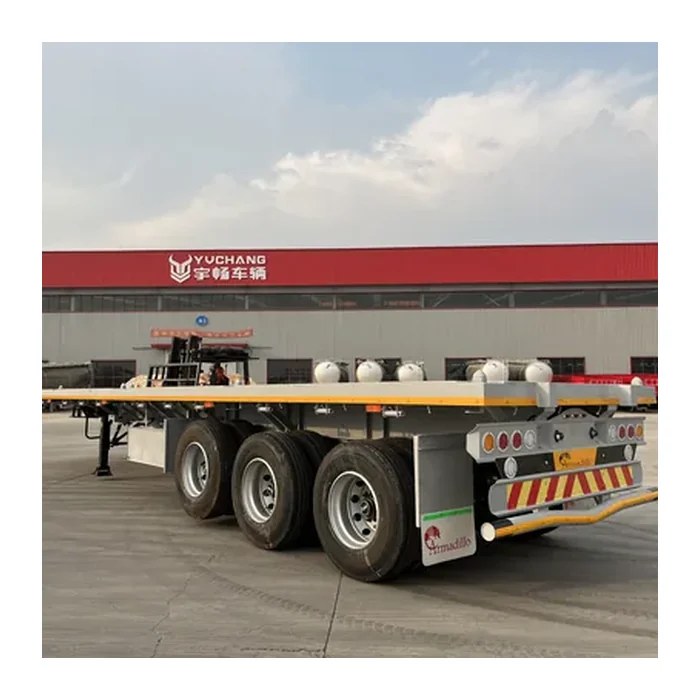
A checklist turns a broad request such as check the quality into a sequence of observable decisions. It helps different people inspect the same trailer in the same order and reduces the chance that an attractive finish hides a missing option, incorrect dimension, or untested system.
| Checklist section | Main questions |
|---|---|
| Identity | Is this the correct trailer, serial number, and configuration revision? |
| Dimensions | Do key dimensions and clearances match the approved drawing? |
| Structure | Are frame, welds, supports, and body free from unacceptable defects? |
| Running gear | Are axles, suspension, brakes, wheels, tires, and kingpin correct? |
| Systems | Do air, electrical, lighting, and optional equipment function? |
| Finish | Are preparation, coating, markings, and repairs acceptable? |
| Documents | Is the handover file complete for the destination and service plan? |
| Shipment | Is the trailer protected, accessible, and ready for loading? |

How to Build the Checklist Around Risk
Start With the Purchase Specification
Copy the build-critical items from the approved quotation, drawing, and configuration sheet. The checklist should be a verification tool, not a generic form that ignores the actual project.
Separate Presence, Condition, and Function
For an air line, presence asks whether the line is installed; condition asks whether it is protected and connected; function asks whether the system responds as intended. These are different checks and should not be collapsed into one tick box.
Give Each Item an Acceptance Basis
Use a dimension, drawing reference, visual standard, function result, document number, or agreed sample. Avoid vague criteria such as good quality unless the buyer and supplier share a clear definition.
Record Findings and Disposition
A useful checklist has space for pass, fail, observation, responsible party, correction date, and re-check. This is particularly important for custom orders and pre-shipment inspections.
Buyer-Friendly Inspection Checklist
| Item | Inspection method | Record |
|---|---|---|
| Serial number and model | Compare plate, order, and drawing | Pass / correction |
| Overall length, width, height | Measure from defined datum | Measured value |
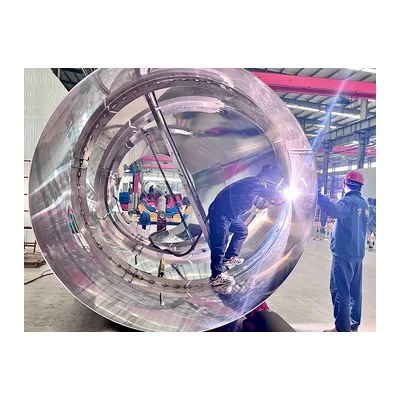
| Main frame and welds | Visual review and agreed NDT | Photo / report |
| Deck, body, doors, ramps | Operate and inspect attachment | Function / condition |
| Axles, suspension, brakes | Configuration and functional check | Component / test |
| Lights and wiring | Operate all circuits and inspect routing | Test result |
| Paint and markings | Visual and measured checks where required | Condition / readings |
| Documents | Review against destination list | Complete / missing |
Engineering Note: A checklist is not valuable because it is long. It is valuable because each line helps the buyer make a clear release decision.
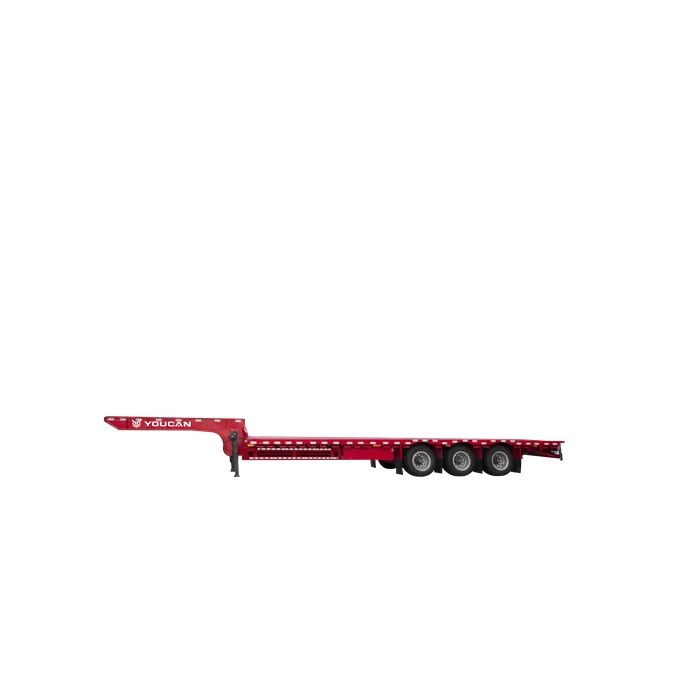
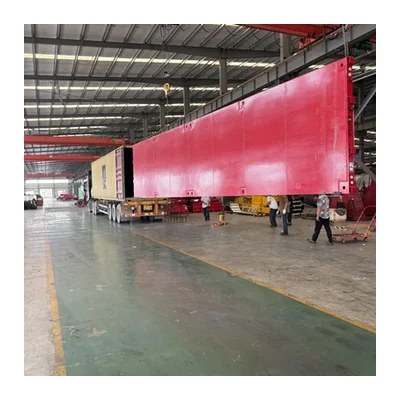
The checklist should reflect the actual flatbed trailers, lowbed trailers, or bulk cement trailers configuration. The supplier's quality control process can provide useful categories, but the buyer should add project-specific risks.
Common Buyer Mistakes
Using a generic checklist that does not match the ordered trailer.
Having no acceptance basis for dimensions, paint, or system function.
Checking that components exist without checking compatibility or operation.
Failing to record the unit identity and inspection date on photos.
Closing the checklist without documenting open corrections.
Key Takeaways
Build the checklist from the approved specification and drawing.
Separate presence, condition, and function checks.
Give every critical item a clear acceptance basis.
Record findings, corrections, and re-checks in one place.
Keep the final checklist with the shipment and service records.
FAQ
Who should create the inspection checklist?
The buyer and supplier should agree on it, with input from engineering, quality, and destination-market needs.
How many items should a checklist have?
Enough to cover the real risks and configuration. A shorter project-specific checklist is better than a long generic form.
Should the checklist include photos?
Yes, for identity, structure, systems, defects, corrections, and any item that may be disputed later.
Can a checklist replace third-party inspection?
No. It can make any inspection more consistent, but the inspection method and independence are separate decisions.
What happens when an item fails?
Record the finding, agree on correction or disposition, and re-check before the release decision.
Conclusion
A strong inspection checklist turns quality from a general promise into a repeatable handover process. It gives the buyer a clearer basis for comparison, correction, and acceptance before the trailer leaves the factory.
References
ISO 9001 quality management systems
ISO 10005 guidelines for quality plans
Destination-market inspection and registration requirements as confirmed for the project